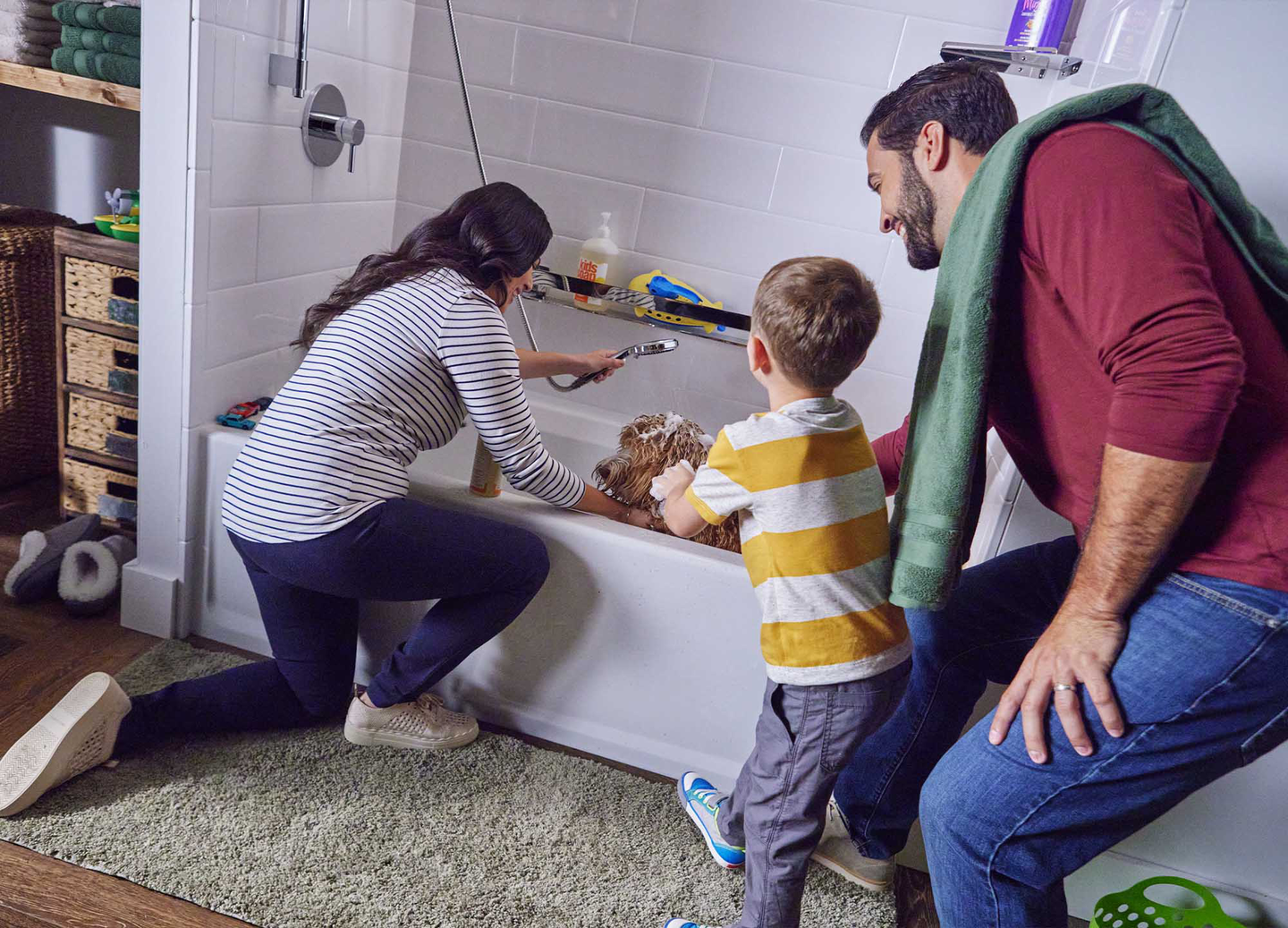
Visit your dealer below for purchase.
Your delivery zip code: 43215
Change

The temperature of your swim spa water influences far more than simple comfort. It directly affects your heart rate, muscle performance, circulation, and how long you can safely enjoy each session. Whether you’re pushing through lap swimming intervals or melting tension away with hydrotherapy jets, the right temperature transforms your experience from ordinary to restorative.
Understanding temperature’s role helps you get the most from your investment:
Even small changes of 2–3°F (1–2°C) can noticeably alter how the water feels against your skin. This sensitivity is especially pronounced for children, older adults, and anyone managing cardiovascular concerns. The precision matters.
Jacuzzi engineering—from premium insulation to properly sized heaters and well-fitted swim spa covers—is designed to hold your desired temperature accurately. This allows you to fine-tune settings to match your personal wellness routine without worrying about fluctuations.
The sections ahead serve as your practical guide to choosing the perfect temperature for specific activities, seasons, and household needs.
So, what temperature should you keep your swim spa at? The answer depends entirely on your desired activity. The following ranges provide a starting point—begin in the middle of each recommendation and adjust 1–2°F (about 1°C) at a time based on how your body responds.
Different swim spa activities benefit from specific temperature ranges. Light recreation and family use is best at 82°F–88°F (28°C–31°C), while fitness and lap swimming feels comfortable at 78°F–84°F (26°C–29°C). Competitive or intense training is optimal at 75°F–79°F (24°C–26°C). For aquatic therapy and recovery, a slightly warmer 88°F–94°F (31°C–34°C) is ideal, and hot tub-style relaxation is most enjoyable at 100°F–104°F (38°C–40°C).
Local regulations and manufacturer guidelines generally cap the maximum water temperature at around 104°F (40°C) for safety. If you have medical conditions affecting circulation, blood pressure, or temperature regulation, consult your healthcare professional before using very warm water for extended periods.
Most people find 82°F–88°F (28°C–31°C) ideal for casual swimming, water play, and quality time with family members. This range strikes a balance that feels welcoming on entry while remaining cool enough for movement without quickly overheating.
Households with small children or those who chill easily may prefer a slightly warmer temperature at the upper end—around 86°F–90°F (30°C–32°C)—for shorter, gentler sessions. At this range, the water embraces rather than shocks, making it inviting for everyone.
A few practical considerations for family fun, such as how much electricity a hot tub uses per month:
For structured swimming, aqua jogging, rowing against swim jets, or tethered resistance training, cooler water in the 78°F–84°F (26°C–29°C) range delivers optimal conditions. This aligns with what sports science research supports: water below 85°F helps your body dissipate heat through convection, allowing you to sustain effort longer.
Competitive or serious swimmers may prefer temperatures as low as 75°F–79°F (24°C–26°C)—similar to many traditional swimming pool competition standards, which USA Swimming sets at 77°F–82°F to prevent dehydration and overheating risks.
Why does cooler water work better for intense exercise?
The initial “cold shock” when entering cool water typically passes within 1–2 minutes as your body acclimates. Give yourself a brief warm-up before judging comfort. After 20–30 minutes, check in with yourself: How’s your breathing? Your heart rate? Your energy level? Use these signals to decide whether to nudge the temperature up or down a few degrees.
For those using their Jacuzzi® Swim Spa for aquatic therapy, post-training recovery, or managing conditions like arthritis, back pain, or joint stiffness, warmer water creates a supportive environment for healing.
A temperature range of approximately 88°F–94°F (31°C–34°C) works well for gentle stretching, water walking, and therapeutic movement. Warm water in this band, especially when managed with a smart hot tub system, offers several health benefits:
Therapy sessions in warmer water can feel more tiring than expected, so 15–30 minutes at a time with breaks between is a sensible guideline. Combining these temperatures with Jacuzzi hydrotherapy features—adjustable jets and variable current settings—creates targeted recovery that many swim spa owners find invaluable.
Studies have indicated that therapy sessions around 92°F can yield notable mobility improvements for those managing chronic conditions, making this temperature sweet spot worth exploring.
When you’re treating your swim spa like a large hot tub with massage jets and minimal swimming, warmer settings create that classic spa experience. The typical hot tub range falls between 100°F–104°F (38°C–40°C), with 104°F (40°C) representing the safe upper limit for healthy adults.
At these temperatures, session management becomes important:
Spa temperature affects both comfort and duration of use. At 100°F (38°C), you can enjoy comfortable, sustained relaxation for 20–30 minutes. A slightly warmer 102°F (39°C) provides deeper heat therapy for 15–20 minutes. At the maximum 104°F (40°C), the intense spa-like heat should be limited to 10–15 minutes to ensure safety.
At 100°F, you can enjoy longer, leisurely soaks where tension gradually melts away. As temperatures climb toward 104°F, the experience intensifies—heat penetrates deeper, but sessions should be shorter. Always stay hydrated by drinking water before and after soaking.
Special populations—older adults, pregnant individuals, and those with cardiovascular or blood pressure concerns—should use lower settings and consult their physician before hot water immersion. The body works harder to regulate temperature in hot water, making careful attention essential.
Your ideal swim spa temperature isn’t a fixed number that works identically year round. Outdoor air temperature, wind, humidity, and sun exposure all change how the water feels against your skin. The same 84°F water that feels perfectly refreshing in July can feel surprisingly cool in January when cooler air surrounds you.
Jacuzzi® Swim Spas are engineered for all-season use, built with premium insulation and efficient heating systems. Still, most owners naturally raise their temperature settings in cold weather and lower them during summer to maintain consistent comfort and manage energy consumption.
A few practical adjustments make a difference:
During summer months, a typical range of 78°F–86°F (26°C–30°C) suits most swimming, workouts, and social use. This prevents that overheated feeling when both water and air temperature are warm.
In very hot climates where ambient temperature regularly exceeds 90°F, many owners lower water temperature toward the mid-70s °F (around 24°C–25°C) for a truly refreshing feel. The contrast between warm summer air and cool water becomes invigorating rather than jarring.
Practical cooling strategies for hot weather:
Unlike air conditioning, most swim spas heat effectively but don’t actively chill water. Cooling happens passively unless you’ve installed an optional chiller or air source heat pump with cooling capability. This is worth understanding—on extremely hot days, thermal creep can raise water temperatures 2–5°F per hour when pumps run continuously in hot ambient conditions.
Avoid sudden extreme cooling methods like adding large amounts of ice, especially with children or sensitive users present. Cold water immersion should be gradual and carefully monitored.
Cold weather calls for slightly higher settings. For swimming and exercise, consider 86°F–92°F (30°C–33°C). For hot tub-style soaking, 100°F–104°F (38°C–40°C) creates that luxurious contrast between warm water and cooler air that makes winter spa sessions memorable.
Warmer water provides a thermal blanket effect, but you’ll lose extra body heat through your head and shoulders when they’re exposed to cold air. A swim cap, headband, or simply keeping your upper body submerged helps retain warmth during longer period exercise sessions.
Winter-specific considerations: If you're looking for year-round fitness, Jacuzzi® swim spas offer an excellent solution for exercise and relaxation even in winter.
The added benefit of winter use? There’s something uniquely restorative about soaking in hot water while snowflakes fall around you, making your own home feel like a private retreat.
A dual zone swim spa represents the ultimate solution for households with varied preferences. These models feature a dedicated swim area and a separate hot tub section, each with independent temperature controls.
This design eliminates the common compromise when some family members want to train while others simply want to relax. The swim side stays cooler for laps and exercise; the hot tub side maintains that classic hot water warmth for hydrotherapy and unwinding.
A typical dual temperature swim spa configuration might look like:
A swim spa can be set up with distinct zones for different purposes. The swim area, designed for laps, fitness, and water exercise, is best kept at 82°F–86°F (28°C–30°C). The spa section, intended for soaking, massage, and relaxation, should be maintained at a warmer 100°F–104°F (38°C–40°C) for maximum comfort.
Dual temperature swim spas embody Jacuzzi’s broader wellness philosophy: one backyard installation supporting both performance and recovery simultaneously. A competitive swimmer can complete morning intervals in cool water while their partner enjoys restorative heat therapy in the hot tub side—no scheduling conflicts, no compromises.
For families where one person is training for events while others simply want to relax after work, this configuration proves invaluable.
Many swim spas owners establish one “home base” temperature that matches their most frequent use, then adjust only occasionally for special activities or seasonal shifts. This approach simplifies operation and supports consistent energy efficiency.
Significant temperature changes take time. Moving from 80°F (27°C) up to 102°F (39°C) doesn’t happen quickly. Depending on swim spa volume, insulation quality, heater size, and starting point, a Jacuzzi Swim Spa may require 8–24 hours to complete a large temperature swing.
Practical strategies for temperature management:
Frequent, drastic setting changes are usually unnecessary. Most people find their preferred range and stick with it, making minor adjustments of a few degrees rather than dramatic swings.
Water temperature directly affects heart rate, blood pressure, and core body temperature. Understanding safe use practices—especially in hotter ranges—protects you and your guests.
The standard maximum of 104°F (40°C) exists for good reason: exceeding this threshold increases risks of hyperthermia, where body temperature rises dangerously. Even at safe maximum temperatures, symptoms like dizziness, nausea, or lightheadedness signal it’s time to exit immediately.
Essential safety guidelines:
For safe and enjoyable spa use, follow these guidelines. Keep the water temperature at a maximum of 104°F (40°C) for healthy adults, and limit hot soaks above 100°F to 15–20 minutes. Stay hydrated by drinking water before and after your session, but avoid drinking hot spa water directly. Exit the spa immediately if you feel lightheaded, dizzy, or uncomfortable, and allow your body temperature to return to normal before re-entering for another soak
Special populations require extra attention, especially when considering amenities for outdoor use, such as selecting the best hot tubs for cold climates.
A critical caution: alcohol and very hot water create a dangerous combination. Alcohol causes dehydration, impairs judgment, and affects your body’s temperature regulation. This significantly increases risks of dizziness, fainting, or worse. If you’re enjoying beverages, keep the water temperature moderate and sessions brief. Also note that while some suggest drinking warm water for digestion and bowel movements, these benefits don’t apply to soaking—stay hydrated with room-temperature or cool beverages instead. For further reading on maintaining clean and hygienic hot tub water, consider looking into ozone purification options.
Water temperature ranks among the biggest drivers of swim spa energy consumption. Smart temperature choices help manage operating costs without sacrificing comfort or wellness benefits.
A straightforward principle applies: keep the water at the lowest comfortable temperature for your dominant activity. Every degree above that requires additional energy to maintain. The difference between 86°F and 92°F may feel minor during use but adds up on your energy bill over weeks and months.

Explore Swim Spas
Factors that support efficiency:
Optional technologies can further optimize your system. An air source heat pump offers efficient heating and, in some models, cooling capability. Smart temperature controls allow scheduling and remote adjustment, preventing unnecessary heating when the spa sits unused.
For perspective, heating swim spa water from 78°F to 99°F can require 5–10 kWh daily depending on volume and conditions. Premium insulation and covers, as found in Jacuzzi systems, can reduce this significantly while maintaining your desired temperature reliably.
Modern Jacuzzi Swim Spas feature intuitive digital temperature controls that allow precise adjustments, typically in 1°F (or 0.5°C–1°C) increments. Setting your desired temperature is straightforward.
Basic adjustment steps:
Many models offer app-based or remote control options, enabling you to pre-heat or adjust temperature from inside your own home or while away. This convenience means stepping into perfectly warmed water without waiting—especially valuable on cold evenings.
For accuracy verification, periodically check your swim spa water temperature with a reliable water thermometer. If readings seem inconsistent with what the panel displays, there may be sensor calibration issues worth addressing.
Maintenance matters for temperature stability:
These practices support accurate heating and consistent temperatures session after session.
Many swim spa owners maintain a moderate setting between 82°F–86°F (28°C–30°C) when not actively using the spa. If your spa will sit unused for more than a week, consider reducing the temperature slightly to save energy while avoiding extremely long reheating times when you’re ready to use it again. This balanced approach prevents overheating during extended downtimes while keeping your spa ready for spontaneous sessions.
While 59°F–60°F (15°C–16°C) falls within the lower capability of many swim spas, this temperature feels very cold for most people and is typically reserved for brief cold-plunge or contrast therapy sessions rather than regular swimming. Cold water at this temperature can cause initial shock and requires careful acclimatization. If you’re interested in cold therapy benefits like reduced inflammation or mental clarity, start with short exposures of 1–3 minutes and gradually extend based on your tolerance.
True ice-bath temperatures (around 41°F–59°F / 5°C–15°C) are colder than most standard swim spa settings allow. However, you can approximate mild cold immersion by setting the lowest available temperature on your system. Use short, carefully monitored dips—typically 2–5 minutes—and always have someone nearby. This won’t replace dedicated cold plunge pools but offers an accessible introduction to cold therapy benefits without additional equipment.
The time required depends on starting temperature, target temperature, spa volume, heater power, and outdoor conditions. A rough guideline: expect several hours to change by 10°F (about 5°C). Major adjustments—such as cooling from hot tub temperatures to exercise range—may take 8–24 hours. For this reason, planning ahead proves essential. If you know you’ll want significantly different temperatures for a specific activity, adjust your settings the day before rather than expecting rapid changes.
Dual-zone Jacuzzi Swim Spas are designed precisely for this situation. These models allow one side to stay cooler for exercise while the other maintains hot tub temperatures for soaking. For single-zone units, compromise settings around 86°F–88°F often work reasonably well for both light exercise and casual relaxation. Another strategy involves scheduling different temperature “windows” throughout the week—cooler settings for workout days, warmer for relaxation evenings.
Finding your perfect swim spa temperature is a personal journey—one that evolves with your wellness goals, the seasons, and your family’s unique needs. The versatility to move from invigorating laps to restorative hydrotherapy in the same space, at the temperature that serves you best, represents the core promise of swim spa ownership.
Whether you’re taking advantage of cooler water for weight loss and fitness goals or warming up for therapeutic relief after a long day, your Jacuzzi® Swim Spa adapts to support every wellness moment.
Explore the Jacuzzi Swim Spa collection or connect with a local dealer to find the model that fits your lifestyle.
Unlock the secrets to the perfect hot tub with our exclusive email series. Get expert advice and tips right in your inbox. Subscribe now and take the first step towards finding your ideal hot tub.
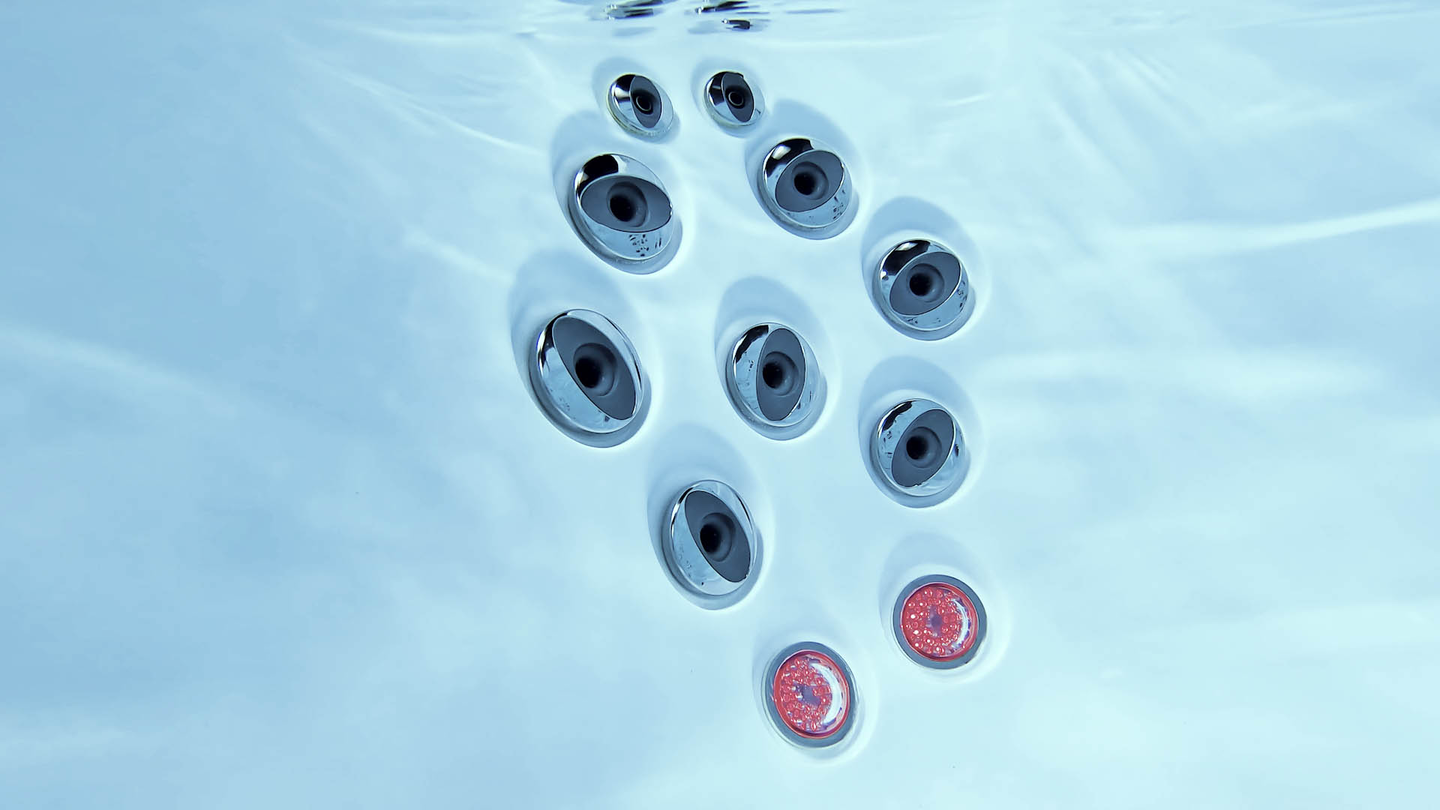
Experience unparalleled relaxation and wellness with Jacuzzi® Infrared Saunas, meticulously designed to deliver a comprehensive full-spectrum infrared therapy session. These state-of-the-art saunas combine near, mid, and far infrared wavelengths to penetrate deeply into tissues, promoting detoxification, improved circulation, and muscle relaxation. Enjoy the convenience of overhead LED reading lights and easy-to-use digital controls, making your sauna experience simpler and more enjoyable. Additionally, the durable construction, featuring robust metal thresholds and solid wood floors, ensures that these saunas can withstand frequent and intense usage. Enhance your well-being further with integrated high-intensity red light therapy, known for its skin rejuvenation and mood-boosting benefits.

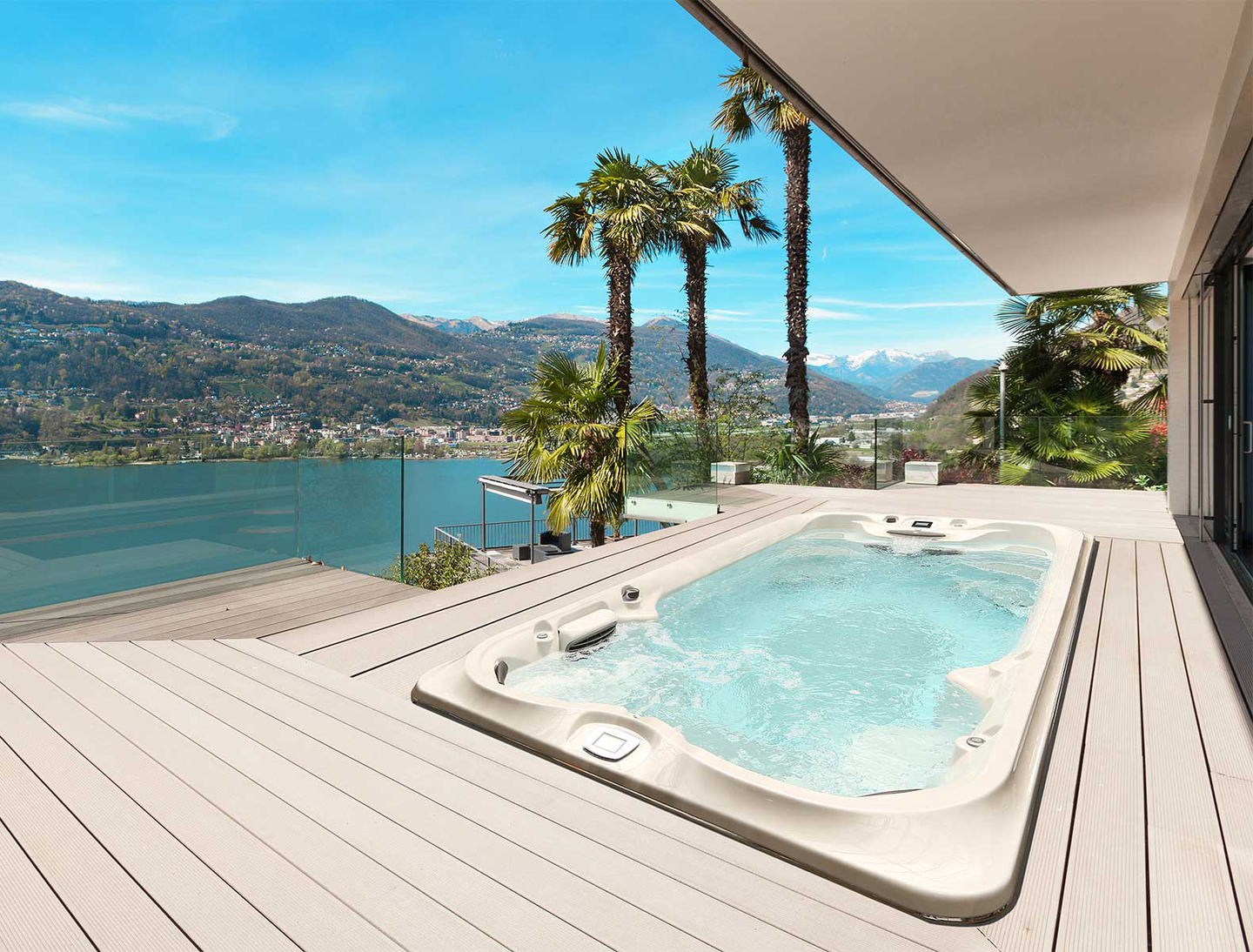
With superior performance and state-of-the-art features, a Jacuzzi swim spa is the perfect addition to your outdoor oasis, providing both fitness benefits and relaxation all year long.
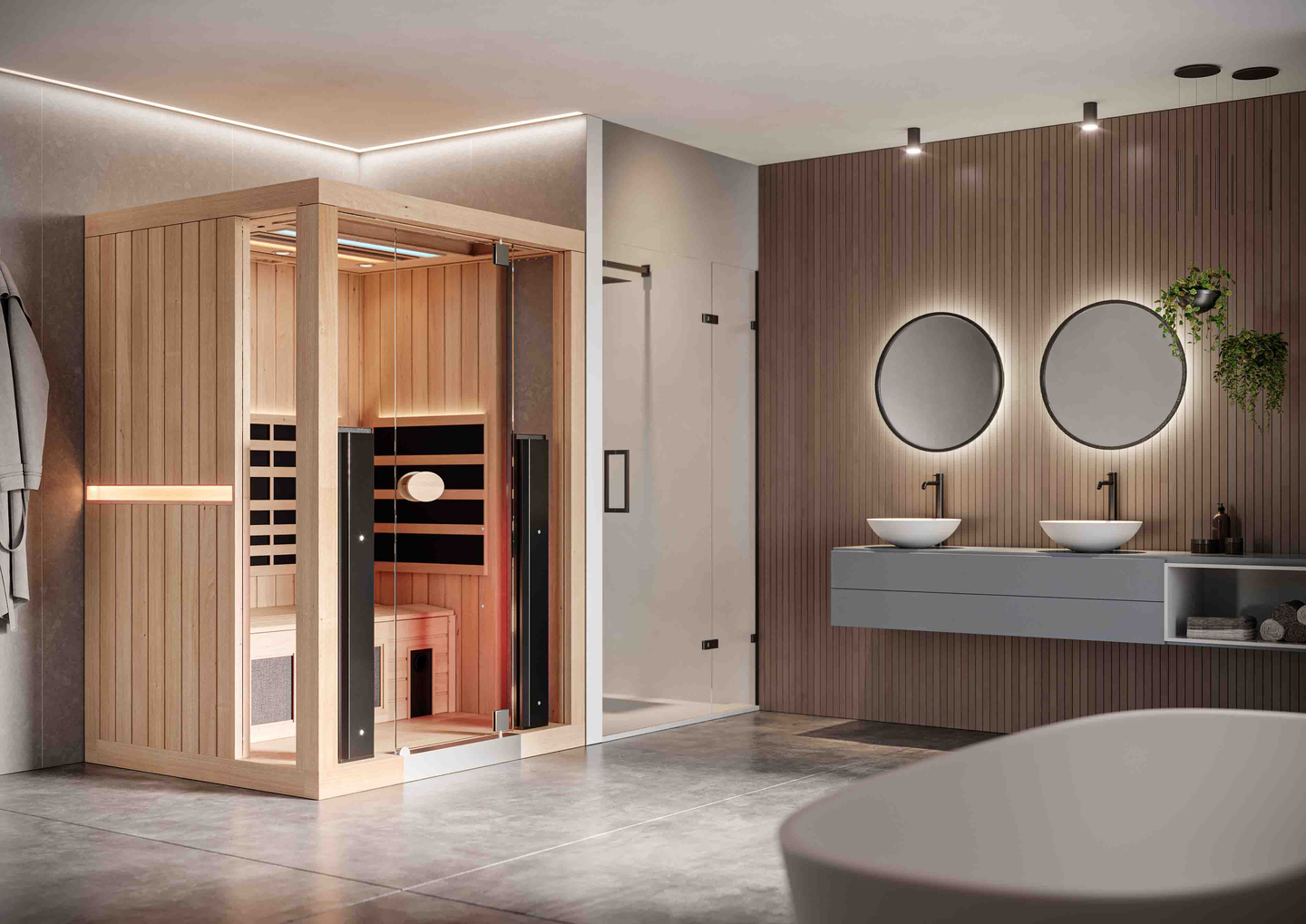
Jacuzzi® Infrared Saunas are engineered with full spectrum (near, mid and far) front-facing IR heaters, along with Red Light therapy. Enjoy a comprehensive sauna experience in a single sauna session.