Visit your dealer below for purchase.
Your delivery zip code: 43215
Change

Portable hot tubs come in several varieties, including inflatable and above-ground models.
There’s something universally appealing about sinking into a portable hot tub filled with warm, bubbling water after a long day—the tension leaving your shoulders, the world quieting down, the simple pleasure of stillness. Portable hot tubs are designed to facilitate rest and rejuvenation, offering wellness benefits that help you relax and recover. For years, this experience felt reserved for those with the budget and backyard space for a permanent installation. That’s changed.
This guide is for renters, homeowners, and anyone interested in affordable, flexible spa options. We’ll cover the types, benefits, setup, maintenance, and buying considerations for portable hot tubs, and provide tips to help you make informed decisions about choosing and using them.
A portable hot tub is any spa unit that can be installed without excavation, major construction, or permanent electrical work. These tubs typically run on standard 110–120V household outlets and weigh significantly less than in-ground spas when empty—making them genuinely movable for renters or homeowners who might relocate.
Portable hot tubs can be set up quickly, often in hours, and are movable or storable. The portable category encompasses three distinct forms:
Inflatable PVC tubs represent the most accessible entry point. These 2–6 person round models are commonly found at big-box retailers and feature thick vinyl construction, external pump and heater units, and bubble jet systems. They’re designed for quick setup and seasonal enjoyment.
Plug-and-play acrylic hot tubs offer a step up in durability and performance. These rigid-shell units feature contoured seating, multiple true hydrotherapy jets, and better insulation—yet still operate from a standard outlet without professional electrical installation. Above-ground portable hot tubs are self-contained units that do not require permanent installation.
Compact luxury portable spas bridge the gap between portable convenience and permanent-quality construction. Brands like Jacuzzi® design these units for smaller patios, townhome backyards, and urban spaces where a full-sized spa isn’t practical but premium performance is non-negotiable.
Most portable hot tubs reach a maximum water temperature of 104°F (40°C). However, there’s a meaningful distinction between the “100–170 bubble jets” advertised on many mass-market inflatables and the water-driven hydrotherapy jets found in premium spas. Bubble jets create a pleasant effervescent sensation, while true hydrotherapy jets deliver targeted pressure to specific muscle groups—a difference you’ll feel in your body.
These versatile units appear in rented homes, starter properties, small yards, vacation cabins, and as a first step before investing in a permanent built-in spa.
Now that you know what defines a portable hot tub, let's compare them to traditional models.
Many shoppers in 2024 find themselves weighing a $500–$1,200 inflatable against a $6,000–$15,000 permanent acrylic spa. Understanding the trade-offs upfront prevents disappointment and helps you choose the right path for your situation.
Portable hot tubs are significantly cheaper to buy and install than in-ground models.
Cost and installation differ dramatically between categories. Portable tubs typically plug into a 110–120V GFCI outlet and can be set up in a few hours—often the same day you bring one home. Traditional spas frequently require 220–240V wiring by a licensed electrician, and some installations call for a poured concrete pad, adding weeks and significant expense to the project.
Durability and lifespan follow the investment curve. Portable inflatables are constructed from layered PVC or drop-stitch material and may last 1–3 seasons with daily use before showing wear. A well-maintained acrylic Jacuzzi® hot tub, by contrast, is engineered for well over a decade of regular use—often much longer with proper care.
Hydrotherapy quality represents perhaps the starkest difference. True Jacuzzi® hydrotherapy uses water-powered jets, ergonomic seats designed to support natural posture, and precisely placed jet systems that target the back, legs, and feet with therapeutic pressure. Most inflatable tubs provide general bubble massage without that targeted relief.
Energy efficiency favors traditional spa construction. Premium units feature full foam insulation and tight-fitting covers that maintain water temperature with minimal energy expenditure. Many inflatables lack meaningful insulation, requiring the heater to work harder—especially in cold weather.
Noise levels tend to be higher with inflatable models, as external pump units and air blowers can create noticeable sound during operation. Premium hard-shell spas typically house components inside insulated cabinets, resulting in quieter sessions.
With these differences in mind, let’s explore the different types of portable hot tubs available.
Portable hot tubs come in several varieties, including inflatable and above-ground models. The term “portable” covers a spectrum from budget-friendly inflatables to compact premium spas. When selecting a hot tub, it's important to consider your available space to ensure the model fits comfortably in your designated area and allows for easy access. Understanding each category helps match your investment to your actual needs.
Priced between $400–$1,000 in 2024 for 2–6 person units, inflatable hot tubs are constructed from thick PVC with integrated pumps, bubble jets, and covers included. Setup typically takes 30 minutes to an hour, plus 12–24 hours of heating time before your first soak.
These models suit renters who can’t modify their living space, seasonal users who want to store the tub during winter, budget-conscious buyers testing whether they’ll actually use a spa regularly, and vacation property owners seeking flexible amenities. The trade-off is limited space for jets, shallower water that may not fully submerge your body, and construction that won’t last more than a few seasons.
Rigid-shell construction, contoured seating, multiple true hydrotherapy jets, and superior insulation define this middle tier. These units still operate from a 110–120V outlet, keeping installation simple while delivering a substantially better hot tub experience than inflatables. Above-ground portable hot tubs are self-contained units that do not require permanent installation.
If you care about targeted massage, want your investment to last years rather than seasons, and prefer the aesthetics of a traditional spa, plug-and-play acrylic models represent excellent value. They’re ideal for homeowners with established outdoor spaces who want premium performance without the complexity of 220V electrical work.
Premium manufacturers like Jacuzzi® design compact spas specifically for limited space applications—patios, townhome backyards, rooftop decks, and urban environments where every square foot matters. These 2–3 seat units feature full jet systems, LED lighting, advanced filtration, and premium cabinetry that looks at home in any well-designed outdoor room.
The distinction here is permanence without immobility. You get the build quality and wellness technology of a traditional spa in a footprint that can still be relocated if you move. Athletes seeking recovery, couples wanting a private retreat, and design-conscious homeowners gravitate toward this category.
With a clear understanding of the types, let’s look at the key benefits of choosing a portable hot tub.
Portable hot tubs serve as an accessible gateway into hydrotherapy, stress relief, and family connection—without the higher barriers of in-ground or fully built-in spas.
The financial accessibility is immediate and significant. In 2026, many inflatable models cost roughly $1,700 less than mid-range permanent hard-sided hot tubs while still reaching similar water temperatures. For buyers uncertain whether they’ll use a spa regularly, starting with a lower investment makes sense. You’re not locked into a major purchase before you’ve confirmed the habit fits your lifestyle.
Quick setup—often same-day—means you can be soaking by evening. Users have reported that the setup process for inflatable hot tubs can be straightforward but may require some effort to ensure proper inflation and to fill the tub with water. Inflatable models deflate for off-season storage in a garage or basement, freeing your patio for other uses. As your outdoor space evolves, you can reposition the tub on a deck, patio, or different area of your backyard without construction crews or permits.
Portable hot tubs can be set up quickly, often in hours, and are movable or storable.
Warm water immersion up to 104°F relaxes muscles, promotes circulation, and supports recovery after workouts or long workdays. The buoyancy of water reduces stress on joints, creating space for gentle stretching and movement that might feel challenging on dry land. For those dealing with chronic tension or the accumulated stress of desk-bound careers, regular soaks become a form of active self-care that supports overall well being.
Perhaps the most underrated benefit is what happens when screens go away and conversation flows. A portable hot tub creates an easy environment for quality time with loved ones—partners, children, friends—without leaving home. During colder months especially, when outdoor gathering feels less accessible, a warm spa becomes a destination that brings people together.
With these benefits in mind, let’s see how portable hot tubs actually work and what’s involved in their setup.
Understanding the mechanical systems behind your spa helps you operate it effectively and choose the right model for your needs.
Portable hot tubs require only a flat surface and a standard electrical outlet for installation.
Most portable hot tubs feature an integrated pump and heater unit that handles water circulation, heating, and in many cases, air injection for bubbles. A digital or analog control panel lets you set temperature, activate jets, and program filtration cycles. Cartridge filters housed in a dedicated compartment keep debris and particles from circulating through the system.
Heating time from tap temperature to the target 100–104°F typically takes 12–36 hours depending on ambient conditions, water volume, and heater output. Colder starting water and cold weather extend this timeline, while a quality insulated cover dramatically reduces heat loss during the warming period.
Here’s where inflatable tubs and premium spas diverge significantly. Budget inflatables use air bubble jets—essentially holes that release air pumped from an external blower. The sensation is pleasant but diffuse, more like champagne fizz than targeted massage.
Water-powered hydrotherapy jets, as found in Jacuzzi® spas, force water through precision-engineered nozzles at varying pressures and patterns. Different jet designs target specific body areas—lower back, neck and shoulders, calves, feet—with therapeutic pressure that actually relieves muscle tension. The difference in jet power between these systems is substantial and immediately noticeable.
Most portable and inflatable models operate on 110–120V, 15–20A GFCI outlets—the same type used for outdoor power tools or kitchen appliances. This accessibility is a major advantage for easy installation, but it comes with limitations. Many 120V units cannot heat water while running all jet features at maximum simultaneously.
Premium 220–240V Jacuzzi® systems overcome this constraint, maintaining temperature more easily while powering multiple therapy seats at full intensity. If you live in a cold weather climate or want consistent heat during high-use sessions, the electrical upgrade is worth considering.
Modern portable hot tubs typically include temperature setting up to 104°F, jet on/off or intensity modes, programmable filtration schedules, and often LED lighting controls. Some premium models offer app integration for remote monitoring and adjustment—checking temperature before you head outside or starting jets from your phone.
Now that you know how portable hot tubs work, let’s discuss how to choose the right one for your space.
Many buyers are working with small patios, rooftop decks, or compact yards where size, weight, and safety become critical priorities. It's essential to evaluate the available space before purchasing a portable hot tub to ensure it fits comfortably and allows for easy access. Additionally, safety features in portable hot tubs include anti-slip flooring and locking safety covers.
Before purchasing, measure your intended location thoroughly. Allow roughly 12–15 inches of clearance around the tub for access—you’ll need room to enter and exit safely, perform maintenance, and potentially move the unit if needed.
A 77” (196 cm) round inflatable fits comfortably on a typical 10’ x 10’ (3 m x 3 m) deck with room to spare for a small table and access path. Larger 6-person models may require more generous spaces or careful positioning.
Manufacturer capacity ratings tend toward optimism. A “six-person” inflatable often feels most comfortable for 3–4 adults based on user feedback, as the round shape and lack of molded seating means everyone shares the same open pool of space. Hard-shell spas with defined seats provide clearer capacity guidance since each position is engineered for a specific body.
Consider how you’ll actually use the tub. If it’s primarily for solo relaxation or couples’ use, a 2–4 person model offers more comfort than you might expect. Family use with children or regular entertaining might justify the larger footprint.
A 4–6 person portable tub can easily exceed 2,000–2,400 pounds (900–1,100 kg) when filled with water and occupied. Decks and balconies may need evaluation by a professional for load-bearing capacity before installation. Concrete patios and ground-level installations rarely pose weight concerns, but elevated structures require verification.
Indoor installation introduces ventilation and moisture management challenges. High humidity can damage ceilings, walls, and flooring without proper exhaust systems. Slip-resistant flooring, adequate drainage, and protection from splashes all require planning.
Outdoor placement demands a level surface—concrete, pavers, or a properly rated spa pad all work well. Avoid positioning directly on grass or dirt, which can shift and create structural stress. Consider proximity to the house for winter access, privacy from neighbors, and protection from falling debris if large trees overhang the area.
With your space in mind, let’s look at the features that matter most when comparing portable hot tubs.
Beyond size and price, certain features dramatically impact comfort, longevity, and operating costs. Knowing what matters helps you compare models effectively.
Resist the temptation to simply count jets. A model advertising 170 air bubble jets may deliver less actual therapeutic value than a premium spa with 22 precision hydrotherapy jets positioned at key ergonomic points. The right size and placement of jets matters more than raw numbers.
For Jacuzzi® spas, look for PowerPro® Jets and ergonomic seating designed to support natural posture during extended soaks. These systems target actual muscle groups—lower back, neck, shoulders, calves—rather than providing generic bubble sensation.
Heater output on 110–120V units typically ranges from 1.0 to 1.5 kW, sufficient for maintaining temperature in mild conditions but sometimes struggling in cold weather. Multi-layer insulation, an insulated cover, and thermal ground mats all contribute to heat retention.
A quality insulated cover is perhaps the single most important efficiency feature. Hot tubs lose the majority of their heat through the water surface when uncovered. A tight-fitting, well-insulated cover reduces energy costs significantly—especially important for year-round use in colder climates.
Look for an easy-to-read temperature display, intuitive jet controls, programmable filtration cycles, and safety lockout modes if children have access to the spa area. Premium models increasingly offer app integration for remote monitoring—checking temperature from inside the house or adjusting settings without getting wet.
For inflatables, multi-layer PVC construction, reinforced seams, and UV-resistant exteriors indicate better quality. Ground cloth underneath protects against punctures from rough surfaces.
Premium hard-shell spas feature acrylic interiors (the most durable construction option), weather-resistant cabinetry, and robust frames engineered to handle repeated moves without structural compromise. These durable construction elements justify higher prices through dramatically longer lifespans.
Once you’ve chosen your model, proper water care and maintenance are essential for a safe and enjoyable spa experience.
Clear, safe water is non-negotiable in any spa—and proper care proves especially important in smaller portable tubs where bather load is high relative to water volume.

Regularly test your water 2–3 times per week using test strips or a liquid test kit. Key parameters to monitor include:
Replace or clean filters regularly according to manufacturer instructions—typically every 2–4 weeks for rinsing, with full replacement every 3–12 months depending on use intensity.
Modern systems reduce manual chemical management significantly. UVC sanitizers, ozone generators, and multi-stage filtration systems work continuously to maintain water quality with less hands-on intervention. Jacuzzi® integrates advanced water care systems designed for easier maintenance and cleaner water over extended periods.
These technologies don’t eliminate the need for regular testing and basic chemicals, but they reduce the frequency of adjustments and help prevent the bacteria growth that causes water quality issues.
Always use a properly grounded GFCI outlet—this protection trips the circuit if electrical current encounters water, preventing shock hazards. Keep all electrical connections dry and away from splash zones.
Secure covers with locks when the tub isn’t in use, especially if children have access to the area. Follow local regulations regarding barrier fencing or child safety requirements—these vary by jurisdiction but exist for important reasons.
Using a portable tub during winter requires additional attention. Some models feature auto shut-off timers that turn the heater off after 48–72 hours, creating freezing risks if you’re traveling or forget to restart heating. Water frozen in lines or the pump can cause permanent damage.
In sustained sub-freezing conditions, 120V heaters may struggle to maintain temperature. High-quality insulation, a tight cover, and wind protection all help. Consider whether a 240V Jacuzzi® system or an enclosure might better suit serious winter use.
With maintenance covered, let’s explore how portable hot tubs can enhance your wellness routine.
Portable hot tubs connect naturally to modern self-care routines—stress management, improved sleep, and enhanced muscle recovery are all within reach when warm water becomes a regular practice rather than an occasional indulgence.
Sessions of 15–30 minutes in 100–102°F water help relax tight muscles and support circulation throughout the body. For people who sit all day, train intensely, or carry tension in their shoulders and back, regular warm water immersion creates measurable relief that complements stretching, massage, and other recovery practices.
The buoyancy effect reduces gravitational stress on joints and spine, allowing gentle movement that might feel difficult on dry land. Many users find that flexibility improves when they stretch in warm water, and the relaxation response helps prepare the body for restful sleep.
Beyond portable-friendly hot tubs, Jacuzzi® offers a broader wellness ecosystem including infrared saunas, red light therapy, and advanced hydrotherapy designs used by athletes and health-focused homeowners. These technologies work synergistically—contrast therapy combining hot tub soaks with cold exposure, for example, or pairing hydrotherapy with infrared sessions for enhanced recovery.
The most valuable approach treats your spa not as a novelty but as a ritual space. Consider:
Even a compact tub on a small terrace can function as a personal wellness sanctuary when combined with good lighting, privacy screens, soft towels, and calming accessories. The space you create matters as much as the equipment itself.
If you’re ready to take your spa experience to the next level, consider the advantages of a Jacuzzi® hot tub.
Many people begin with an inflatable portable tub and, after discovering how often they use it, find themselves wanting more—better massage, quieter operation, construction that lasts, and design that enhances rather than clutters their outdoor space. This is the natural upgrade path.
Jacuzzi® combines the conveniences people love about portable hot tubs—no excavation, backyard placement, plug-and-play options in many models—with the build quality, superior insulation, and water-powered hydrotherapy jets that define premium spa ownership. You don’t sacrifice accessibility to gain performance.
PowerPro® Jets and targeted hydrotherapy systems deliver pressure to actual muscle groups rather than diffuse bubble sensation. The difference is immediately apparent the first time you experience it.
Ergonomic seating supports natural posture during extended soaks, with contoured positions for different body types and relaxation preferences. You’re not sitting on a flat surface hoping for the best—each seat is engineered.
Advanced water care systems reduce chemical management and maintain water clarity with less daily attention. This isn’t just convenience; it’s the difference between a spa you use regularly and one that becomes a maintenance chore.
Premium aesthetics including LED lighting, waterfall features, and quality cabinetry mean your spa enhances your outdoor living space rather than looking like temporary equipment.
Jacuzzi® offers hot tubs and swim spas across a range of sizes and price points, serving both homeowners with generous yards and those with compact patios who still want premium performance. If you’re interested in exploring the possibilities, consulting with a local dealer or online advisor helps you understand sizing, electrical requirements, and placement guidance tailored to your specific property.
The journey from curious about portable tubs to owning a Jacuzzi® spa often starts with exactly the questions you’re asking now. Whether you purchase an inflatable to test the habit or invest directly in lasting quality, you’re taking the first step toward a more relaxed, wellness-focused lifestyle.
It depends entirely on structural load capacity. Even a 2–4 person inflatable can exceed 1,200–1,800 pounds when filled with water and occupied. Before purchasing, confirm with your building manager or a structural engineer that your balcony can handle this weight safely. Local regulations may also restrict balcony spa installations. Always place the unit on a level, stable, water-tolerant surface with appropriate drainage.
In most North American climates, expect roughly $20–$60 per month for a well-insulated 110–120V unit maintained around 100–104°F. Actual costs vary based on local electricity rates, ambient temperature, how often you use the spa, and insulation quality. Reducing temperature when the tub isn’t in use, keeping the cover on religiously, and choosing a well-insulated model all help minimize energy costs.
Many owners do use them successfully in winter, but performance depends on several factors: insulation quality, heater strength, wind exposure, and cover discipline. In very cold conditions (sustained temperatures well below freezing), 120V heaters may struggle to maintain comfortable temperatures and require close monitoring to prevent freezing. A well-insulated Jacuzzi® spa or a protective enclosure significantly improves winter usability and reliability.
With regular use and proper care—consistent water balance, cover usage, filter maintenance, and protection from sharp objects—most budget inflatable models last about 1–3 years before showing significant wear. Compare this to rigid-shell Jacuzzi® hot tubs engineered for long-term use often exceeding a decade with proper maintenance. The durability difference reflects both construction quality and initial investment.
The transition is usually straightforward. The same outdoor area can often be reused with some adjustments: evaluating the surface for the heavier permanent unit, potentially upgrading to a 220–240V dedicated electrical line for full performance, and ensuring proper base preparation. Think of an inflatable as a trial run that confirms you’ll use and enjoy a spa regularly. When you’re ready for the upgrade, a Jacuzzi® dealer can guide you through the specific requirements for your property and preferred model.
Unlock the secrets to the perfect hot tub with our exclusive email series. Get expert advice and tips right in your inbox. Subscribe now and take the first step towards finding your ideal hot tub.
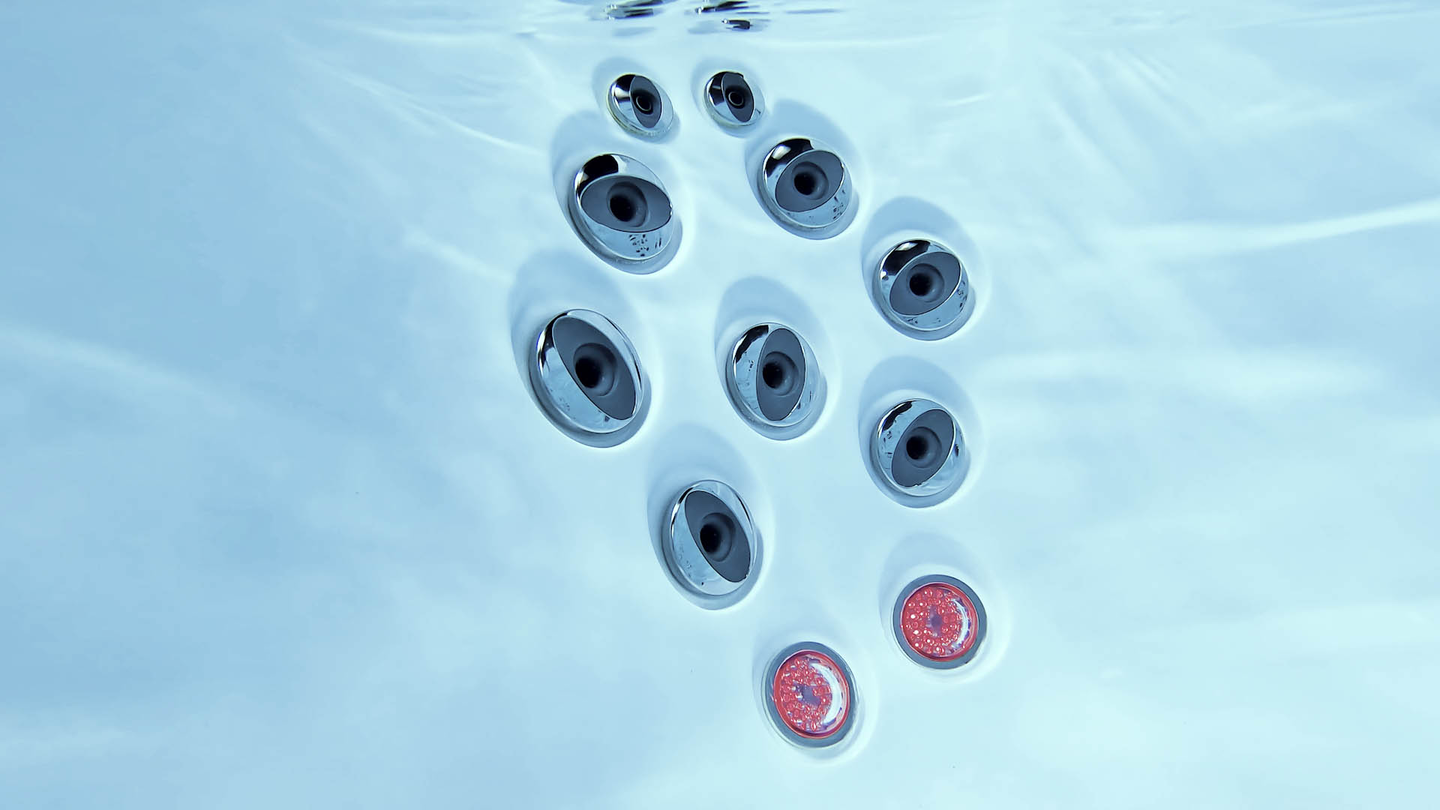
Experience unparalleled relaxation and wellness with Jacuzzi® Infrared Saunas, meticulously designed to deliver a comprehensive full-spectrum infrared therapy session. These state-of-the-art saunas combine near, mid, and far infrared wavelengths to penetrate deeply into tissues, promoting detoxification, improved circulation, and muscle relaxation. Enjoy the convenience of overhead LED reading lights and easy-to-use digital controls, making your sauna experience simpler and more enjoyable. Additionally, the durable construction, featuring robust metal thresholds and solid wood floors, ensures that these saunas can withstand frequent and intense usage. Enhance your well-being further with integrated high-intensity red light therapy, known for its skin rejuvenation and mood-boosting benefits.

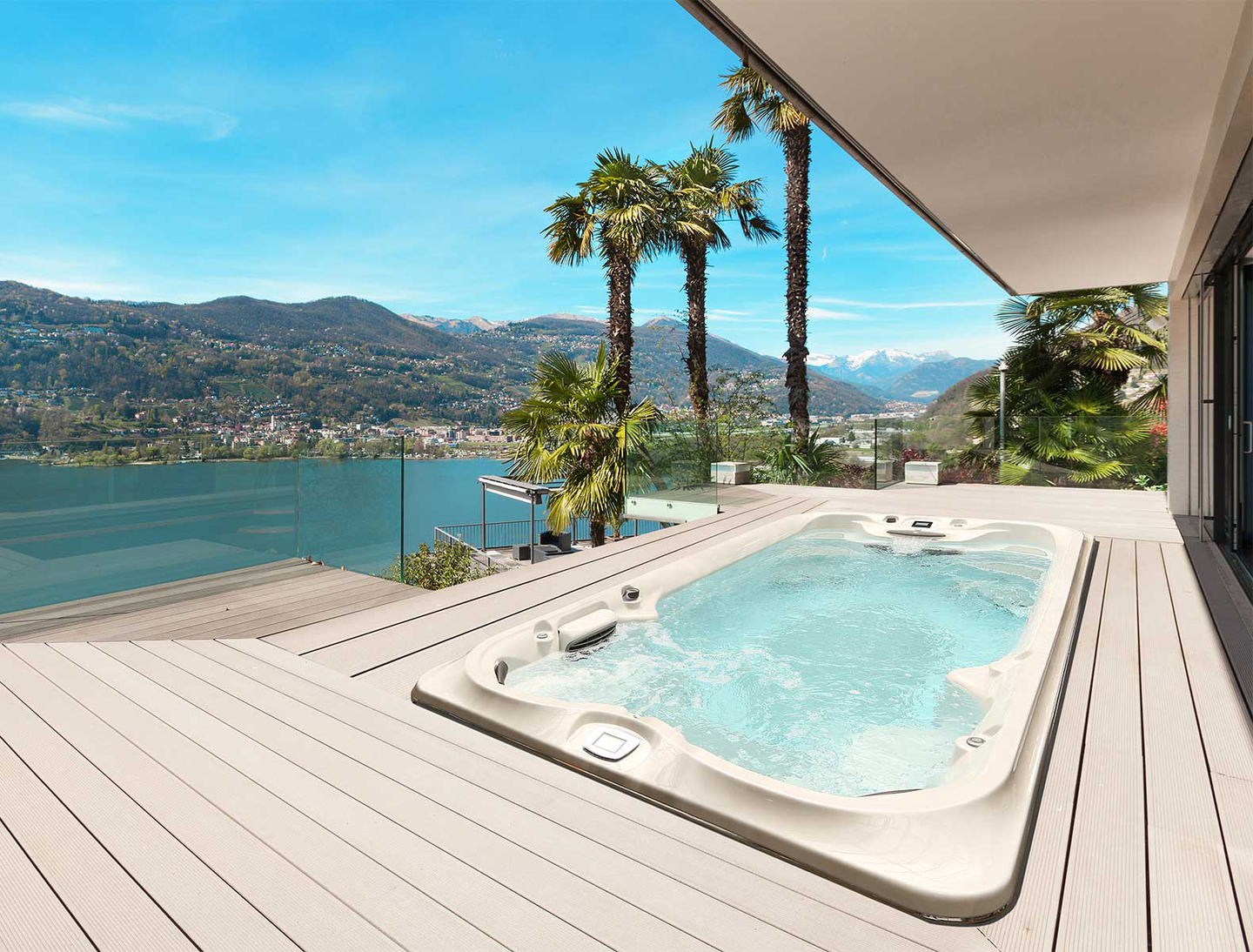
With superior performance and state-of-the-art features, a Jacuzzi swim spa is the perfect addition to your outdoor oasis, providing both fitness benefits and relaxation all year long.
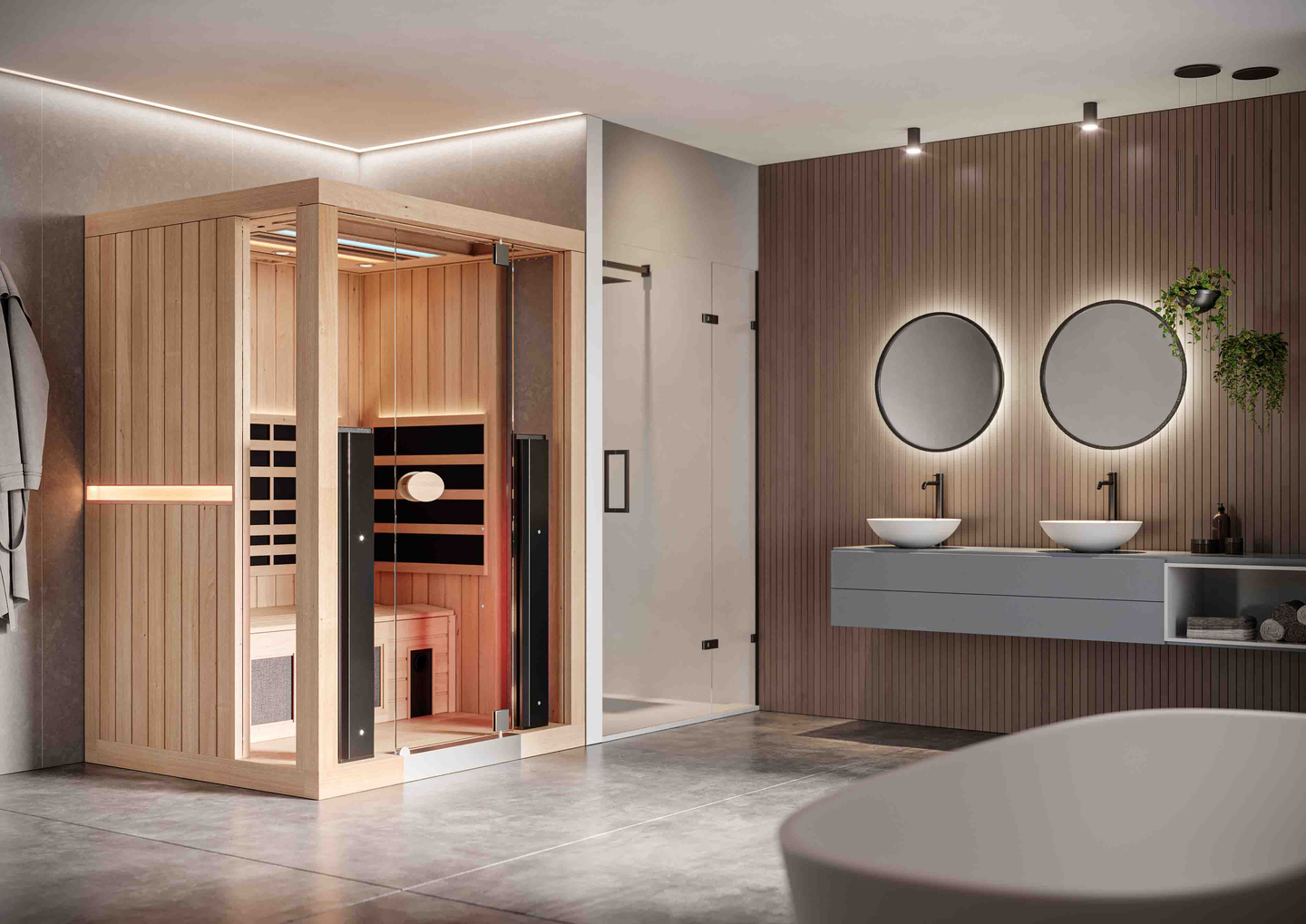
Jacuzzi® Infrared Saunas are engineered with full spectrum (near, mid and far) front-facing IR heaters, along with Red Light therapy. Enjoy a comprehensive sauna experience in a single sauna session.