Share This


Outdoor Hot Tub Ideas for Every Backyard

Key Takeaways


  • A Jacuzzi® outdoor hot tub transforms any size backyard, patio, or deck into a year-round wellness retreat, with 2026 trends emphasizing natural materials, integrated lighting, and tech-forward wellness features like app-controlled jets and advanced water care systems.
  • Successful hot tub installation begins with proper planning—structural assessment for your base, 240V electrical requirements handled by a licensed electrician, and local permit verification before breaking ground.
  • From natural-inspired settings with stone and greenery to modern minimalist designs, from cozy under-deck retreats to resort-style luxury backyards, there’s a hot tub design to complement every outdoor living space and lifestyle.
  • Hydrotherapy jets, optional red light and infrared therapy, and ClearRay® UV-C water purification deliver meaningful wellness benefits for relaxation, athletic recovery, and improved sleep quality.
  • Whether you have a compact urban patio or expansive rural property, strategic placement, privacy solutions, and thoughtful lighting create the secluded space you need for your dream backyard oasis.

Introduction

This guide is for homeowners and outdoor living enthusiasts seeking inspiration and practical advice to create a relaxing, beautiful, and functional backyard retreat with a hot tub. Whether you’re a homeowner, backyard renovator, or simply someone who values wellness, relaxation, and increased property value, outdoor hot tub ideas can help you transform your outdoor space into a personal sanctuary. This guide explores the best outdoor hot tub ideas for every backyard, ensuring you find the right fit for your lifestyle and space.


The backyard has evolved. What was once simply a yard for weekend chores has become an extension of how we live, recover, and reconnect—with ourselves and those we love. A Jacuzzi® outdoor hot tub sits at the heart of this transformation, offering not just a place to soak but a daily ritual that restores body and mind.


In 2026, outdoor hot tub ideas reflect a deeper understanding of wellness. Homeowners aren’t just adding features; they’re designing experiences. Natural elements like stone borders and native plantings blend with smart technology. String lights and LED mood lighting create ambiance that shifts from energizing morning soaks to meditative evening sessions. And beneath it all, precision-engineered jets deliver the targeted hydrotherapy that made the Jacuzzi® name synonymous with relaxation over six decades ago.


This guide walks through everything you need to know—from the practical foundations of installation to the inspired design ideas that turn ordinary backyards into personal retreats. Whether you’re working with a modest patio or an expansive property, whether your style runs toward rustic natural settings or sleek modern lines, you’ll find your inspiration here.


Planning Your Outdoor Jacuzzi® Hot Tub Installation

Most successful backyard spa projects in 2026 share one thing in common: they start with practical planning long before the first shovel hits the ground. Space, structure, power, and permits form the foundation of every lasting hot tub installation. Get these right, and you’ll enjoy many years of trouble-free soaking. Rush past them, and you’ll face costly corrections down the road.


Researching local permits, zoning laws, and HOA regulations is important before starting hot tub installation. Be sure to check all requirements before you begin your project.

Establishing a Solid, Level Base


  • A filled Jacuzzi® hot tub with bathers can weigh 3,000 to 8,000 pounds depending on size and water capacity.
  • Your base must support at least 100 pounds per square foot to prevent settling or structural failure.
  • Recommended options include a 4-inch reinforced concrete pad, properly compacted gravel topped with pavers, or an engineered deck verified by a structural professional.
  • The surface should be level to within 1 inch tolerance—an unlevel tub strains pumps and creates uneven water lines.
  • Never place a hot tub directly on grass or bare soil, as shifting ground causes long-term instability.

Electrical Requirements

  • Most Jacuzzi® hot tubs require a dedicated 240V, 50-amp GFCI-protected circuit.
  • Electrical installation must be completed by a licensed electrician to meet NEC standards and local codes.
  • Expect electrical work to cost $1,000 to $3,000 depending on distance from your main panel.
  • Some compact Jacuzzi® models offer 120V plug-and-play convenience for smaller patios and simpler installation.

Permits and Code Considerations

  • Check local zoning requirements for setbacks from property lines, fencing requirements, and barrier specifications.
  • Many municipalities require permits for electrical work and permanent structures like gazebos or pergolas.
  • Some areas mandate safety covers or alarms, particularly if you have a pool on the property.
  • HOA restrictions may limit fence heights, structure styles, or hot tub placement—verify before purchasing.

Access and Serviceability

  • Maintain at least 2 to 3 feet of clearance on sides with equipment panels for maintenance access.
  • Plan a clear pathway from your house to the tub—proximity to a door makes spontaneous soaks more likely.
  • Position within reasonable distance (under 50 feet) from a water source for filling and draining.
  • Consider delivery access for the initial installation; many hot tubs require crane or forklift placement.

Outdoor Hot Tub Design Basics for a Cohesive Backyard


A Jacuzzi® hot tub can serve as the commanding focal point of your outdoor space or blend seamlessly into the existing landscape. The choice depends on your site, your home’s architecture, and how you envision using the space. Either approach works beautifully when design elements align. A cohesive theme or style can tie all elements of the outdoor space together, providing a harmonious look.


Strategic Location Selection


  • Orient the tub toward pleasant views—a garden, water features, mountains, or city skyline rather than neighboring windows.
  • Consider both visual privacy and the practical path from your door to the spa.
  • Morning sun exposure extends shoulder-season use; afternoon shade prevents overheating in summer.
  • Position at least 16 feet from overhead power lines for safety.

Integration with Surrounding Elements


  • Match decking materials—if your existing deck is cedar, extend that material around the hot tub surround.
  • Echo your home’s color palette through cabinet finishes, paver selections, and nearby furniture.
  • Built-in benches, planter boxes, and storage compartments create cohesion and function.
  • Stone pavers, composite decking, and natural wood each establish distinct aesthetic directions.

Layered Outdoor Lighting


  • Low-voltage path lights guide safe passage from house to tub.
  • Warm white string lights strung overhead or across pergola beams create inviting ambiance.
  • Accent fixtures highlight plantings, architectural features, or water features.
  • Coordinate exterior lighting color temperature with built-in LED lighting found on many Jacuzzi® models for visual harmony.

Adapting to Different Backyard Sizes


Your backyard size plays a big role in choosing the right hot tub setup and overall design approach. In small urban yards under 500 square feet, a compact 2 to 3 person spa can serve as a stylish statement piece, especially when paired with vertical privacy solutions and multi functional furniture. Mid size suburban lots are well suited for a 5 to 7 person family spa placed in a dedicated zone with a defined spa area, adjacent lounging space, and planting buffers for comfort and separation. Larger rural properties can accommodate a full spa pavilion or a pool spa combination, allowing for a resort style layout with multiple gathering areas and natural landscaping that blends seamlessly into the surroundings.


Backyard Hot Tub Ideas for Different Spaces


Think of this section as your idea hub—a collection of specific layouts and concepts adaptable to backyards of every shape and size. The best outdoor hot tub ideas respond to how you actually live, the climate where you’re located, and the unique characteristics of your yard.


Layout Concepts for Various Yard Types

  • Corner garden nook: A square 4-5 person Jacuzzi® hot tub tucked into a back corner, surrounded by tiered plantings that create a room within your yard.
  • Central patio focal point: The spa commands attention at the center of a hardscaped area, with symmetrical planters and seating arranged around it.
  • Spa zone adjoining outdoor living: Position the hot tub to flow naturally from an outdoor dining area or fire pit, creating distinct but connected zones for quality time.
  • Side yard retreat: Transform an underutilized narrow side yard into a private spa corridor with tall fencing and overhead coverage.

Hardscaping That Anchors the Spa

  • Gravel borders create visual definition and aid drainage around the tub.
  • Stone steps leading to the spa add ceremony to the approach.
  • Timber platforms establish a defined spa deck separate from lawn areas.
  • Coordinated paver patterns connect the hot tub area to existing patio or walkway materials.

Climate-Specific Considerations

  • Coastal areas: Wind protection through solid screens or strategic fence placement prevents heat loss and spray.
  • Hot southern regions: Shade structures and UV-blocking elements make midday soaking comfortable.
  • Snowy climates: Cleared pathways, nearby covered areas for robes, and snow-load-rated pergolas extend winter enjoyment.
  • Humid environments: Good air circulation and drainage prevent mold and extend the life of surrounding materials.

Natural-Inspired Outdoor Jacuzzi® Hot Tub Settings


There’s something deeply restorative about soaking surrounded by nature. Natural materials and thoughtful planting transform a hot tub installation into a forest retreat or mountain lodge experience, creating a backyard oasis that feels miles from everyday stress.


Materials That Connect to Nature

  • Cedar or composite decking with wood-grain texture establishes warmth underfoot.
  • River stones and boulders arranged around the tub base create organic visual interest.
  • Native stone for steps and sitting walls complements regional landscapes.
  • Natural wood privacy screens with horizontal slat patterns filter views while maintaining airflow.

Layered Greenery for Privacy and Beauty

  • Evergreen shrubs like arborvitae or boxwood provide year-round screening and mature within 3-5 years.
  • Ornamental grasses add movement and soft texture against the spa’s clean acrylic shell.
  • Potted plants with herbs like lavender or rosemary offer both visual appeal and natural aromatherapy.
  • Climbing vines on nearby trellises create living walls that evolve with the seasons.

Complementary Water Features

  • A recirculating stone fountain positioned near (not in) the tub adds soothing sound layers.
  • Sheer descent waterfalls on adjacent walls create the ambiance of a natural spring.
  • Small pond or stream elements visible from the tub extend the water theme.
  • The sound of gentle water movement complements jet sounds and masks neighborhood noise.

Low-Maintenance Plant Selections

  • Choose drought-tolerant native species that thrive with minimal intervention.
  • Install drip irrigation on timers to keep greenery healthy without weekly attention.
  • Group plants with similar water needs to simplify care.
  • Mulch generously to retain moisture and reduce weed maintenance—your focus should be soaking, not yard work.

Modern & Minimalist Patio Hot Tub Designs


Clean lines, restrained palettes, and purposeful simplicity define the modern outdoor hot tub experience. This approach suits urban patios, contemporary architecture, and homeowners who find calm in order rather than abundance.


The Monochrome Foundation

  • A white or graphite Jacuzzi® model set into a smooth poured concrete surround creates striking contrast.
  • Black metal railings or planters frame the space without visual clutter.
  • Large-format pavers in gray or charcoal tones establish a gallery-like floor plane.
  • White pebble accents or pale gravel borders add subtle texture within the neutral palette.

Strategic Minimalism

  • Built-in bench seating with clean profiles eliminates the need for separate furniture.
  • A single sculptural tree—Japanese maple, olive, or architectural succulent—provides focal interest.
  • Hidden storage compartments for towels, spa chemicals, and accessories maintain the clean visual line.
  • Frameless glass panels for wind protection preserve views while adding contemporary edge.

Contemporary Lighting Approaches

  • LED step lights recessed into decking highlight the spa’s silhouette without visible fixtures.
  • Linear LED strips under bench overhangs create floating effects.
  • Recessed wall lights wash vertical surfaces with subtle illumination.
  • Smart controls allow scene-setting—energizing cool tones for morning or warm amber for evening soaking.

This approach captures the feel of a boutique hotel spa, suited perfectly to urban patios and rooftop terraces where every square foot matters.


Family-Friendly Backyard Spa Zones


For families, a hot tub becomes a gathering place—somewhere to reconnect after busy days, celebrate good moments, and create traditions that last. The design emphasis shifts to durability, safety, and encouraging regular use by everyone from young children to grandparents.


Multi-Use Zone Planning

  • Combine a family-sized Jacuzzi® hot tub (5-7 seats) with adjacent lounge chairs for those taking breaks.
  • Include a small dining table nearby for post-soak snacks or homework while others soak.
  • Slip-resistant surfacing throughout—textured pavers, composite decking, or rubberized mats at entry points.
  • Clear sightlines from kitchen or living room windows allow supervision while cooking or working.

Convenient Positioning

  • Locate the hot tub close to the house for easy access on busy weeknights.
  • A short, well-lit path between the back door and spa encourages spontaneous family soaks.
  • Proximity to bathroom access matters, especially with younger children.
  • Consider noise—position away from bedroom windows if evening use is common.

Safety and Organization

  • Lockable hard covers prevent unsupervised access and retain heat.
  • Non-slip steps with handrails provide easy access for all ages and abilities.
  • A weatherproof deck box stores toys, plastic drinkware, and games.
  • Hooks or pegs nearby hold towels and robes for quick transitions.
  • Ground-level lights illuminate steps and entry points after dark.

Encouraging Regular Use

  • Make spa time part of the routine—Sunday evenings, post-practice recovery, or family meeting spots.
  • Stock aromatherapy products designed for hot tub use to make each session special.
  • Keep phone charging inside; the hot tub becomes a screen-free zone for genuine connection.
  • The warm, practical tone here emphasizes that this is for Tuesday nights, not just special occasions.

Deck and Patio Jacuzzi® Hot Tub Ideas


Decks and patios represent the most common hot tub installation locations—and for good reason. These prepared surfaces offer structural stability, convenient access from indoor living spaces, and natural integration with existing outdoor areas.

Many Jacuzzi® hot tubs install beautifully on ground-level patios, elevated decks, or partially recessed into new construction. The right approach depends on your existing structure, aesthetic goals, and how you want to use the surrounding space.


Installation Style Comparison


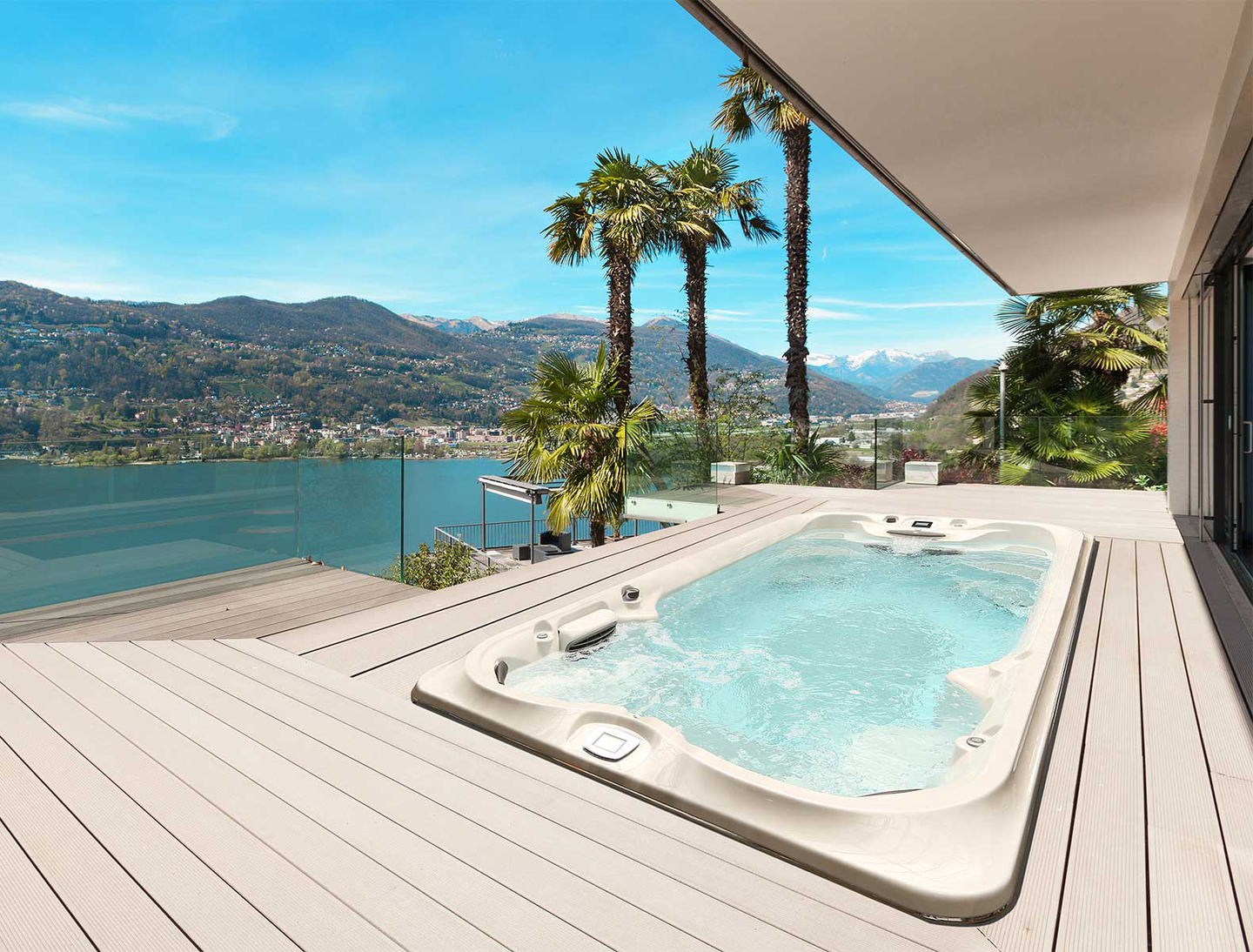
Choosing how to install your hot tub often comes down to your space, style goals, and structural considerations. A fully above ground installation on a deck is ideal for quick setup or rental properties, but the deck must be able to support the filled weight and will require safe access steps. Sinking the spa into the deck surface creates a sleek spa lounge aesthetic with easier entry, though it does require a cut out and additional framing. Placing the hot tub at ground level on a concrete pad offers simplicity, accessibility, and lower cost, but may look less dramatic without a surrounding design element. Installing a spa under an elevated deck provides added weather protection and privacy, though you will need to account for proper headroom, ventilation, and waterproofing above.


Traffic Flow Considerations

  • Allow clear walking paths around the tub—plan for towels, drinks, and multiple people moving simultaneously.
  • Position steps and rails where natural approach paths occur.
  • Connect the spa area visually and physically to indoor living space through aligned doorways or sight lines.
  • Consider how the space functions when the hot tub isn’t in use—seating, entertaining, gardening.

Hot Tub on a Raised Deck


Elevated decks offer commanding views, connection to upper-level living spaces, and a sense of separation from the everyday yard below. A Jacuzzi® hot tub on a raised platform becomes a destination, a place apart.


Structural Reality

  • A 6-person hot tub filled with water and bathers can exceed 5,000 pounds.
  • Professional structural evaluation is non-negotiable for elevated decks.
  • Reinforced joists, beams, and footings may be required; costs vary widely based on existing construction.
  • Most contractors recommend designing hot tub areas into new decks rather than retrofitting.

Design Details for Elevated Installations

  • Built-in wraparound steps create integrated access that flows with deck lines.
  • Safety railings at deck edges meet code while providing grab points near the tub.
  • Recessed lighting in steps and rails guides safe nighttime entry.
  • A nearby seating area with weather-resistant furniture serves those not currently soaking.

Partially Sunken Options

  • Cutting the tub partially into the deck surface lowers the entry point and creates a spa-lounge appearance.
  • This approach reduces visual bulk and can make the tub feel more integrated.
  • Requires additional framing but eliminates the need for tall exterior steps.
  • Popular for second-story decks where minimizing profile matters.

Concrete Patio & Ground-Level Installs


For simplicity, accessibility, and cost-effectiveness, ground-level installations on concrete or paver patios remain the most popular choice. A properly prepared concrete pad provides decades of stable, low-maintenance support.


Foundation Specifications

  • A 4-inch reinforced concrete pad handles most Jacuzzi® hot tub models.
  • Existing patios in good condition often work without modification.
  • Level is critical—check with a long straightedge or laser level before committing.
  • Good drainage around the pad prevents water accumulation and extends surface life.

Style Variations

  • Modern smooth concrete: Broom-finished or polished concrete with minimal decoration creates a gallery feel; add a single sculptural planter and low-profile furniture.
  • Rustic paver patio: Tumbled stone pavers edged with landscaping and flanked by lanterns establish cottage or Mediterranean character.
  • Both approaches work beautifully; the key is consistency with your home’s overall aesthetic.

Practical Add-Ons

  • Outdoor storage bench within reach holds towels, robes, and water care supplies.
  • Wall-mounted hooks near the door keep robes and towels dry and accessible.
  • A short boardwalk or mat between lawn and spa keeps feet clean.
  • Consider a small side table for drinks, books, and phones (water-safe distance).

Ground-level installs work particularly well for small to mid-size suburban backyards, offering the easiest access and simplest maintenance for years of enjoyment.


Under-Deck or Covered Patio Ideas


That shaded space beneath an elevated deck or existing porch often goes unused—but it holds tremendous potential as a protected, private hot tub location. Under-deck installations extend your usable soaking season through rain, light snow, and intense sun.


The Appeal of Covered Locations

  • Built-in shade eliminates the need for separate structures.
  • Rain protection allows spontaneous soaks during storms—a uniquely cozy experience.
  • Additional privacy from above—neighbors on hills or in multi-story homes can’t see down.
  • Existing structure means lower overall project cost in many cases.

Critical Planning Factors

  • Minimum headroom of 7-8 feet prevents claustrophobic feeling and allows standing entry.
  • Ventilation is essential—steam buildup damages wood and creates uncomfortable humidity; plan for airflow.
  • Waterproofing systems like Trex RainEscape prevent drips from the deck above.
  • Electrical routing through semi-enclosed spaces requires careful code compliance.

Styling the Space

  • String lights on joists overhead transform utilitarian structure into magical evening setting.
  • Privacy curtains on tracks allow adjustment for wind, sun, or sightline control.
  • Warm outdoor rugs (rated for moisture) add comfort underfoot and visual warmth.
  • Wall-mounted heaters extend shoulder-season comfort in the enclosed space.

Under-deck setups particularly shine in rainy Pacific Northwest climates, snowy mountain regions, and anywhere weather frequently interrupts outdoor plans.


Privacy, Shade, and Shelter for Your Outdoor Spa


Comfort and true relaxation depend on feeling private and protected. Even the most beautiful hot tub installation falls short if you’re aware of neighbors watching, if wind strips away warmth, or if harsh sun makes daytime soaking uncomfortable. Privacy and shelter solutions address these concerns while adding visual interest.


Core Privacy Strategies

  • Tall evergreen plantings (arborvitae, bamboo, privet) create living screens that improve over time.
  • Fence extensions add height to existing barriers; check local codes for maximum allowable heights.
  • Privacy screens in wood, metal, or composite materials block specific sightlines without full enclosure.
  • Trellises with climbing vines (jasmine, clematis, wisteria) provide seasonal screening with flowers.
  • Thoughtful site placement—orienting away from windows and high-traffic areas—reduces the need for structures.

Shade Solutions

  • Pergolas filter sun while maintaining open, airy feeling.
  • Gazebos provide complete coverage for all-weather use.
  • Cantilever umbrellas offer adjustable shade without permanent construction.
  • Retractable awnings allow flexibility—open for stargazing, closed for afternoon sun protection.

Aesthetic Integration

  • Match structure materials and colors to your home’s exterior—painted wood, stained cedar, or powder-coated aluminum.
  • Coordinate fabric colors (awnings, curtains, cushions) with your Jacuzzi® cabinet finish.
  • Use climbing plants on structures to soften hard lines and connect with surrounding landscape.

Safety Considerations

  • Any overhead structure requires engineering for local wind and snow loads.
  • Ventilation around enclosed structures prevents steam damage to materials.
  • Coastal and mountain locations face particular challenges—consult local professionals.

Pergolas and Gazebos Over a Jacuzzi® Hot Tub


Overhead structures elevate outdoor hot tub ideas from simple installations to true backyard retreats. The choice between pergola and gazebo depends on your climate, privacy needs, and aesthetic preferences.


Pergola Characteristics

  • Open beam construction filters light and creates dappled shade.
  • Options for enhancement: polycarbonate panels for rain protection, shade cloth for sun reduction, climbing plants for natural coverage.
  • Lighter visual weight suits contemporary and transitional home styles.
  • Lower cost than fully roofed structures.
  • Best for mild climates where complete weather protection isn’t essential.

Gazebo Characteristics

  • Solid roof provides complete coverage from rain, snow, and harsh sun.
  • More enclosed feeling increases privacy and wind protection.
  • Can be outfitted with screens, curtains, or panel walls for four-season use.
  • Heavier visual presence suits traditional or cottage-style homes.
  • Ideal for harsh weather climates or where year-round use is priority.

Integrated Features

  • Outdoor-rated speakers mounted in structure beams provide ambient music.
  • Ceiling fans (rated for wet locations) circulate air on warm evenings.
  • Hanging planters or pendant lights add personality.
  • Built-in bar counters or shelf ledges within arm’s reach of soakers.

Engineering Requirements

  • Any attached or freestanding structure near a hot tub requires proper footings.
  • Snow load calculations matter in northern climates—accumulated snow adds thousands of pounds.
  • Wind exposure at coastal or exposed sites demands anchoring systems.
  • Permits typically required; plan additional weeks for approval process.

Creative Privacy Solutions


Beyond traditional fences and pergolas, creative approaches to privacy add personality while solving the practical problem of sightline control. These solutions work particularly well for challenging sites or homeowners seeking distinctive character.


Architectural Privacy Screens

  • Slatted wood panels (horizontal or vertical orientation) block views while allowing air circulation.
  • Metal panels with geometric cutouts create modern artistic statements.
  • Frosted glass on one or two sides provides complete privacy while transmitting light.
  • Gabion walls (wire cages filled with stone) add texture and mass while blocking views.

Living Privacy Elements

  • Tall planters on casters with bamboo or ornamental grasses become movable privacy walls.
  • Vertical gardens on adjacent walls combine screening with living texture.
  • Hedge walls in architectural forms (square-cut boxwood or hornbeam) create formal garden rooms.
  • Mixed border plantings at varying heights offer layered, naturalistic screening.

Terrain-Based Solutions

  • Set-down spa terraces on sloped yards place the tub below surrounding grade.
  • Retaining walls double as privacy features and additional seating.
  • Berms (raised earth mounds with plantings) create natural-looking barriers.
  • Sunken courtyards with tub at the lowest point feel protected and intimate.

The goal with any privacy solution is transformation—from a feeling of exposure to one of serene enclosure where the outside world fades and relaxation begins.


Lighting, Ambience, and Wellness Features


Thoughtful lighting and sensory details transform any outdoor Jacuzzi® hot tub area into a personal wellness retreat. The right environment doesn’t just look good—it signals to your body that it’s time to shift gears, release tension, and restore.


Layered Lighting Approach


Thoughtful lighting around your hot tub can enhance both safety and atmosphere, creating a space that is as functional as it is inviting. Task and safety lighting helps ensure safe navigation to and around the tub with features like path lights, step lights, and entry area illumination. Ambient lighting sets the overall mood using string lights, lanterns, or other low level area lighting. Accent lighting adds visual interest by highlighting plants, walls, or water features with uplights or wall wash effects. Built in spa lighting such as LED waterline lights, interior jet lights, and control panel illumination brings everything together for a polished, spa specific experience. To learn more or to get in touch with our team, please visit our Contact Us page.

Coordinating Interior and Exterior Lighting


Many Jacuzzi® models include built-in LED waterline and interior lighting with adjustable colors. Coordinate your exterior lights to complement these—warm white exterior lighting pairs naturally with amber spa settings, while cooler tones work with blue or white spa lights.


Wellness Technology in Modern Spas


The Jacuzzi® approach to wellness goes far beyond basic bubbling:

  • Precision hydrotherapy jets: Up to 70 jets, designed for targeted massage of back, shoulders, legs, and feet.
  • ClearRay® UV-C water purification: Reduces chemical needs while maintaining crystal-clear, comfortable water.
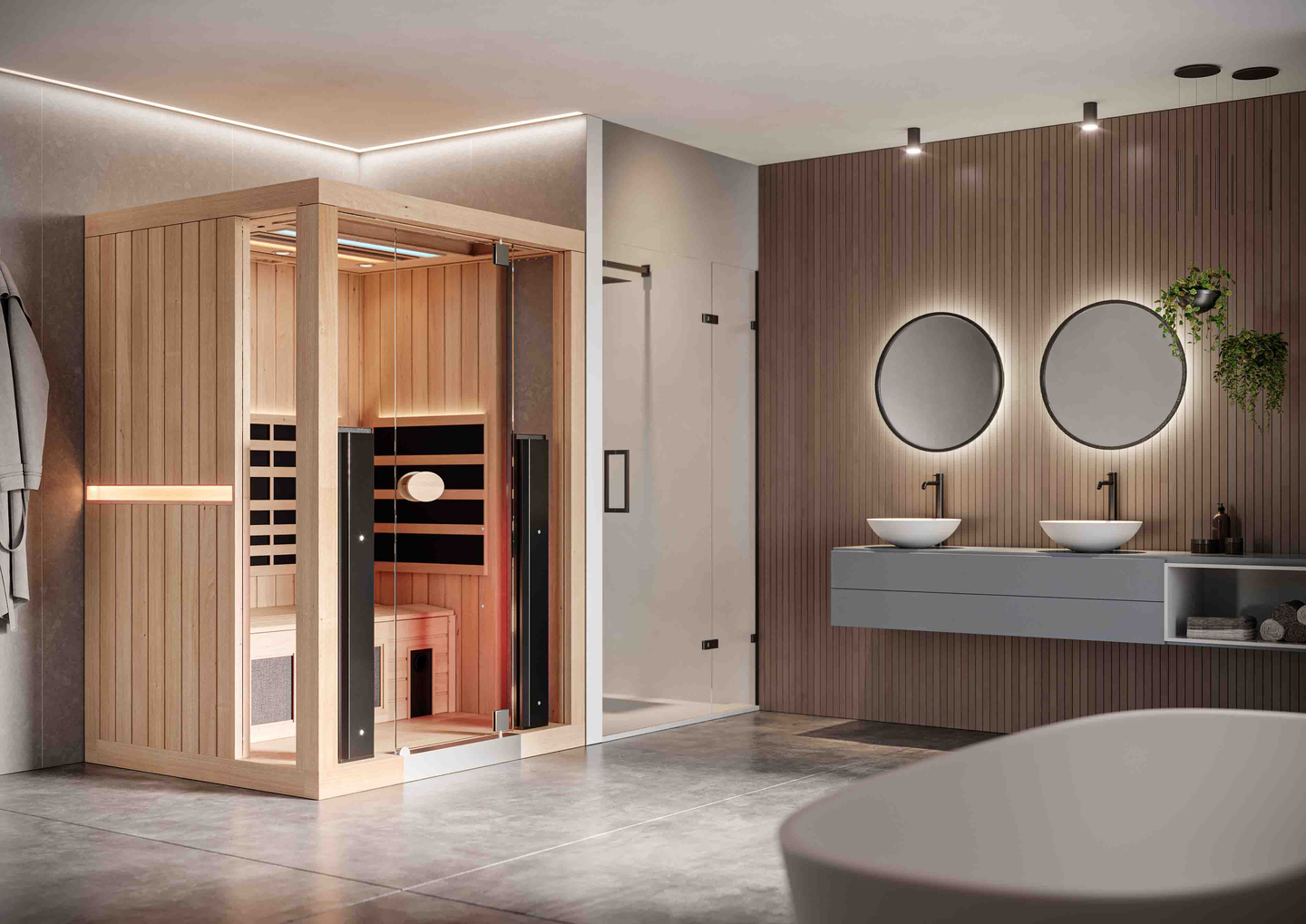
  • Optional infrared and red light therapy: Supports recovery, circulation, and skin health.
  • App-controlled systems: Adjust temperature and jets remotely so the spa is ready when you are.

Atmospheric Enhancements

  • Weatherproof speakers for ambient music or nature sounds.
  • Aromatherapy products formulated specifically for hot tub use.
  • Small side table for beverages, books, or a candle.
  • Nearby hooks or warming drawer for robes and towels.
  • Consider a small outdoor shower for pre-soak rinse or post-soak cool-down.

Mood Lighting for Evenings and 4-Season Use


Evening soaks become magical with proper lighting design. The goal is creating safe passage while establishing an atmosphere that encourages the body to relax and the mind to quiet.


Specific Evening Scenarios

  • Overhead warmth: Edison-style string lights strung across pergola beams or between posts create gentle, flattering illumination.
  • Ground-level guidance: Solar stake lights along the path from house to tub eliminate tripping hazards without harsh glare.
  • Entry safety: Subtle step lights on stairs or deck edges illuminate changes in level.
  • Indirect glow: Uplights behind plantings create silhouettes and depth without direct light in bathers’ eyes.
Outdoor Hot Tub Ideas for Every Backyard

Practical Considerations


  • Position lights to avoid glare in the eyes of those sitting in the tub—below eye level or behind visual barriers.
  • Ensure adequate illumination for safe entry and exit, particularly for guests unfamiliar with the layout.
  • All fixtures must be rated for outdoor wet locations—check IP ratings before purchasing.

Smart Control Options


  • Timers set lights to activate around typical soak times—arrive to a ready, welcoming scene.
  • Smart home integration allows voice or app control from anywhere.
  • Scene programming lets you shift from bright “gathering” mode to dim “relaxation” mode.
  • Motion sensors on path lights activate as you approach.

Imagine stepping out your back door at dusk. The path ahead glows softly. String lights overhead create a canopy of warm light. The spa’s interior lights shimmer through rising steam. This is the outdoor experience that keeps you coming back.


Jacuzzi® Hydrotherapy and Wellness-Focused Setups


True hydrotherapy differs fundamentally from basic bubbling. While any hot water provides some relaxation, the precision-engineered jet systems in Jacuzzi® spas deliver targeted therapeutic benefits that support recovery, stress relief, and improved sleep quality.


How Hydrotherapy Works

  • Adjustable jets positioned at specific ergonomic points address different muscle groups.
  • Variable pressure and pattern settings allow customization for everything from gentle relaxation to deep tissue massage.
  • Strategic seating positions mean multiple users can simultaneously receive appropriate treatment.
  • Regular hydrotherapy use supports circulation, reduces muscle tension, and aids recovery for athletes and active adults.

Advanced Wellness Features

  • Infrared seats: Available on select models, delivering penetrating warmth that reaches deeper tissues.
  • Red light therapy integration: Supports skin health and cellular recovery.
  • Specialty jet configurations: Designed by wellness professionals for specific therapeutic outcomes.
  • Temperature precision: Maintains consistent heat for optimal therapeutic effect.

Designing a Complete Wellness Ritual

  • Allocate space near the tub for a yoga mat—gentle stretching before or after soaking enhances benefits.
  • Install hooks or a small cabinet for robes, allowing warm coverage immediately upon exiting.
  • Include a storage bench for towels, creating a complete spa experience.
  • Consider an outdoor shower nearby for pre-soak rinse or post-soak cool-down.
  • Position the spa where natural elements enhance the experience—facing sunrise for morning soaks, garden views for visual meditation, or open sky for evening stargazing.

Small Yards, Rooftops, and Luxury Ideas


Space constraints don’t limit your options—they focus them. Compact city patios, rooftop terraces, and small suburban yards can all host a Jacuzzi® hot tub when thoughtfully planned. And for those with expansive properties and ambitious visions, luxury has no ceiling.


Compact Space Realities

  • Many Jacuzzi® models offer full hydrotherapy in footprints under 6 feet square.
  • Vertical design strategies maximize floor space while adding privacy and style.
  • Multi-functional elements (storage benches, fold-away tables) eliminate clutter.
  • A carefully chosen spa becomes the defining feature that makes a small yard feel intentional rather than cramped.

Rooftop and Terrace Prerequisites

  • Structural assessment is mandatory—rooftop loads require engineering sign-off.
  • Consider crane or lift access for installation; measure stairwells and doorways early.
  • Wind exposure at elevation demands screens, glass panels, or partial enclosures.
  • Waterproofing and drainage prevent damage to the structure below.

Luxury as Experience, Not Just Size

  • Premium finishes, seating comfort, and integrated technology elevate any footprint.
  • App control, quality sound systems, and precision lighting create high-end experiences.
  • The most memorable spas aren’t necessarily the largest—they’re the most thoughtfully designed.

Maximizing Small Outdoor Spaces


Urban townhomes, narrow side yards, and modest patios present real constraints—but within those boundaries lie opportunities for distinctive, intimate spa experiences.

Compact Spa Selection


  • 2-3 person Jacuzzi® models deliver full hydrotherapy in footprints suitable for small patios.
  • Smaller water capacity means faster heating and lower energy costs.
  • Reduced weight simplifies structural requirements for elevated locations.
  • Intimate sizing creates cozy experience rather than feeling inadequate.

Vertical Design Strategies

  • Wall-mounted planters with trailing greenery add life without consuming floor space.
  • Tall, narrow privacy screens block sightlines without wide footprints.
  • Corner placement maximizes usable floor area for furniture and movement.
  • Overhead elements (pergolas, shade sails, string lights) define the space without ground coverage.

Multi-Functional Elements

  • Steps with built-in storage compartments hold towels and supplies.
  • Fold-down tables mounted on walls or railings appear only when needed.
  • Benches with lift tops provide seating and concealed storage.
  • Rail-mounted hooks hold robes and towels without floor-standing furniture.

A well-designed small spa installation becomes a feature piece—proof that luxury isn’t about square footage but about intentional design.


Rooftop and Terrace Jacuzzi® Hot Tub Concepts


Rooftop installations represent the pinnacle of urban spa living—city views, open sky, and the privacy that comes from being above it all. These projects demand careful planning but deliver unmatched outdoor experience.

The Modern Rooftop Scenario


  • A sleek Jacuzzi® hot tub on a reinforced terrace, its acrylic shell reflecting city lights.
  • Glass balustrades maintain views while providing wind protection and safety.
  • Planters with ornamental grasses soften the hardscape and add movement.
  • A simple bar counter with weather-resistant stools creates a social zone.

Essential Planning Elements

  • Waterproofing beneath the spa area protects the structure below.
  • Drainage routes water away from building systems and neighboring units.
  • Slip-resistant surfacing handles splashing and condensation.
  • Wind management through screens, glass, or strategic planter placement prevents heat loss and spray.

Luxury Additions for Urban Terraces

  • Outdoor heaters or fire bowls extend usability into shoulder seasons.
  • A compact dining set makes the terrace a complete entertainment space.
  • Built-in storage for covers, chemicals, and accessories maintains clean lines.
  • Smart home integration allows control from bed—preheat the spa before stepping outside.

Every rooftop installation requires structural verification and typically involves building management approval for multi-unit properties. Budget additional time and professional fees for these requirements.


Resort-Style Luxury Backyards


For homeowners with space and vision, the backyard becomes more than an amenity—it becomes a private resort. These comprehensive designs combine multiple elements into a cohesive outdoor living room that rivals boutique hospitality experiences.


The Complete Composition

  • A large-capacity Jacuzzi® spa positioned in relationship to pool, outdoor kitchen, and fire feature.
  • Lounge seating areas create distinct zones for different activities and group sizes.
  • Cabanas or pavilions offer shaded retreat without going inside.
  • The hot tub serves as both standalone destination and complement to larger aquatic features.

Material Cohesion

  • Natural stone, premium tile, or high-end composite decking flows continuously across zones.
  • Coordinated colors for furniture, umbrellas, and textiles create unified visual language.
  • Cabinet finishes, railing materials, and lighting fixtures repeat throughout the space.
  • Landscaping style (formal, natural, tropical) carries consistently from entry to spa area.

Extended Wellness Circuits

  • Adjacent infrared sauna for heat therapy before or after soaking.
  • Cold plunge option for contrast therapy favored by athletes.
  • Outdoor shower for transitions between activities.
  • Swim spa section for exercise and extended aquatic enjoyment.
  • Quiet relaxation zone with zero-gravity loungers for post-soak rest.

This level of installation represents significant investment—$50,000 to $200,000 or more for comprehensive projects. But for affluent homeowners and property developers, these spaces deliver both lifestyle transformation and meaningful property value enhancement, with industry data suggesting 5-7% increases in home resale value.


FAQs: Outdoor Jacuzzi® Hot Tub Ideas and Practicalities


How close to my house can I install an outdoor hot tub?


Most jurisdictions allow hot tub placement quite close to exterior walls, but practical considerations matter more than legal minimums. Maintain at least 2-3 feet between the spa and any siding to prevent splash damage and allow air circulation that prevents moisture accumulation. Avoid placing the tub directly beneath windows that can’t handle humidity, and ensure the path between your door and the spa is clear and well-lit. Proximity to bathroom access improves convenience, particularly for families. If your exterior features wood siding, additional clearance and possibly a small splash barrier protect against water damage over time.


How loud is a Jacuzzi® hot tub in a residential backyard?


Modern Jacuzzi® spas feature significantly quieter pump and motor technology than earlier generations. During operation, expect sound levels similar to a central air conditioning unit—noticeable up close but unlikely to disturb neighbors at typical property line distances. Placement strategies minimize any concerns: position the equipment side away from neighboring bedrooms, use solid fencing or dense plantings as sound barriers, and consider that evening soaking typically occurs when ambient neighborhood noise is lower. Most communities have no noise-related restrictions on hot tub use during reasonable hours.


Can I use my outdoor hot tub during winter?


Absolutely—and for many owners, winter soaking becomes the most cherished experience. Snow falling while you sit in steaming water creates a uniquely peaceful moment. Ensure your Jacuzzi® model features proper insulation (many reduce energy costs by up to 50% in cold climates), maintain a quality insulated cover when not in use, and keep the pathway to your spa clear of ice and snow. Consider locating the tub closer to the house for shorter exposure during frigid approaches. Keep a robe and slippers in an enclosed area nearby. The contrast of cold air and warm water offers invigorating benefits that many wellness practitioners specifically recommend.


How can I reduce operating costs for my outdoor hot tub?


Several strategies significantly impact energy consumption. First, invest in a well-fitted, insulated cover and use it consistently—covers reduce heat loss by 30-50%. Position the spa in a location protected from prevailing winds, or add screening that blocks wind exposure. Lower the temperature setting by a few degrees when extended away—even 2-3 degrees reduces heating demand. Choose a Jacuzzi® model with high-efficiency insulation and pumps. Run circulation cycles during off-peak energy rate periods if your utility offers time-based pricing. Most modern spas include energy-saving modes that maintain readiness while minimizing consumption. With these practices, typical operating costs range from $20-$50 monthly depending on climate and usage patterns.


How often should I drain and refill my outdoor hot tub, and what ongoing maintenance is required?


Plan for complete water changes every 3-4 months under normal use, though heavy use or high bather loads may require more frequent changes. Between changes, maintain water chemistry by testing 2-3 times weekly and adjusting sanitizer levels accordingly. Rinse filters every 2-4 weeks and deep clean them monthly. Jacuzzi® models equipped with ClearRay® UV-C purification require less chemical intervention, and many owners report that maintenance becomes a quick, routine task rather than a burden. Annual professional service checks pumps, heaters, and seals, extending equipment life and catching small issues before they become costly repairs. Most owners spend 15-20 minutes weekly on routine care—a small investment for daily readiness and many years of reliable enjoyment.


Your backyard holds more potential than you might realize. Whether you’re working with a compact urban terrace or acres of rolling property, whether your style tends toward rustic naturalism or sleek contemporary lines, a Jacuzzi® outdoor hot tub creates the foundation for daily wellness, quality connection, and the kind of relaxation that used to require vacation.


The ideas in this guide represent starting points—inspiration to adapt to your unique site, climate, and lifestyle. The next step? Visit a Jacuzzi® dealer to experience the difference that precision hydrotherapy, thoughtful design, and decades of innovation make. Your dream backyard begins with a single decision: to make restoration part of your everyday life.

Learn More With Our Hot Tub Buying Series

Unlock the secrets to the perfect hot tub with our exclusive email series. Get expert advice and tips right in your inbox. Subscribe now and take the first step towards finding your ideal hot tub.

Hot Tub Buying Series