Visit your dealer below for purchase.
Your delivery zip code: 43215
Change

An eco friendly hot tub isn’t defined by a single feature—it’s a combination of energy efficiency, reduced chemical use, long component life, and responsible manufacturing working in harmony. The term has evolved beyond marketing language into a measurable set of design principles that affect everything from your monthly bills to your carbon footprint.
Today’s best-in-class eco designs focus on year-round energy performance, especially in demanding climates like Minnesota winters or Alberta’s cold snaps. A spa that performs efficiently only in mild conditions isn’t truly sustainable—it needs to maintain that performance when temperatures drop and heating demands increase.
Core criteria for genuinely friendly hot tubs include:
Consider this: a premium acrylic Jacuzzi® hot tub is designed to perform for 20–25 years, while lower-grade alternatives often require replacement after just 8–12 years. That longer life means fewer spa units manufactured, shipped, and eventually disposed of over your lifetime of ownership. Durability is sustainability.
The sections ahead break down each factor with concrete examples and owner-focused advice to help you choose wisely.
Heating and maintaining 300–500 gallons of warm water is where most of the environmental impact sits. Every degree of heat loss must be replaced by your heater, and every inefficient pump cycle adds to your electricity consumption. Smart eco friendly design addresses both challenges simultaneously.
Modern hot tubs use multi-layer insulation strategies that go far beyond basic foam. Jacuzzi® designs incorporate insulated cabinets, bases, and plumbing runs to create a thermal envelope that keeps water warm even in harsh winter conditions. Full-foam insulation fills cavities and eliminates cold spots where heat might escape.
The difference is measurable. A well-insulated spa in a cold climate might use 6–8 kWh per day to maintain the perfect temperature, while a poorly insulated model in the same environment could consume 12–15 kWh or more. Over a year, that gap represents hundreds of dollars and significant carbon footprint differences.
Premium circulation pumps can run on as little as 60–150 watts while maintaining continuous filtration—a dramatic improvement over older 2-speed pumps that might draw 500+ watts during low-speed operation. This matters enormously because circulation pumps run for hours daily.
Variable-speed jet pumps represent another advancement. Rather than operating at full power constantly, they deliver strong hydrotherapy exactly when you need it and scale back when you don’t. You get the stress relief and therapeutic benefits without paying for wasted power.
Smart technology transforms how owners interact with their spas. Jacuzzi® SmartTub® enables:
These controls put you in command of your spa’s energy consumption without requiring constant manual adjustments.
Mild Climate (Coastal CA)
Cold Climate (Minnesota Winter)
The difference between basic and optimized setups can mean using less energy by 40% or more—savings that compound month after month.
Eco friendly hot tubs aim to keep the same water clean for months while reducing reliance on harsh chemicals. This approach cuts water waste, lowers your cost for chemical supplies, and creates a more comfortable soaking experience for your skin and respiratory system.
Multi-stage filtration combined with continuous circulation removes debris efficiently before it becomes a water chemistry problem. When your filters work well, your sanitizer levels stay stable with less intervention, and you can extend intervals between water changes significantly.
Clean filters also mean your pumps work less electricity to move water through the system. A clogged filter forces pumps to work harder, consuming more energy and shortening component life.
Traditional chlorine-based systems work, but they require constant attention and can create unpleasant odors and skin irritation. Modern alternatives offer a different path:
Jacuzzi® has developed nanobubble systems that can achieve up to 99.9999% chlorine-free water in specific configurations. These microscopic bubbles create an environment where contaminants are neutralized naturally, making the experience gentler on skin while eliminating the environmental impact of manufacturing, transporting, and disposing of chemical products.
A 400–450 gallon spa drained every 3 months uses approximately 1,600–1,800 gallons annually. With advanced water care extending changes to 6–12 months, that same spa might use only 400–900 gallons per year—a reduction of 50–75%. That’s water you don’t need to heat from scratch, treat with chemicals, or send down the drain.
Right-sizing your spa to your household’s actual use pattern is one of the most impactful sustainability decisions you’ll make. “More seats” isn’t automatically better—it means more water to heat, more energy to maintain, and a larger environmental impact over time.
Spa energy use and heating time vary based on size and water volume. A 2 to 3 person spa, typically used by couples or small families, holds about 200 to 300 gallons, takes 8 to 12 hours to heat, and uses around 3 to 5 kWh per day when well insulated. A 4 to 5 person spa, common for average families, holds about 300 to 400 gallons, takes 10 to 14 hours to heat, and typically uses 4 to 6 kWh per day. A 6 to 7 person spa, often chosen by larger families or people who entertain frequently, holds 400 to 500 gallons, requires 12 to 18 hours to heat, and generally uses about 5 to 8 kWh per day with proper insulation.
Couples or small families using their spa 4–5 nights per week often benefit most from a mid-size Jacuzzi® model. You’ll enjoy lower operating costs and faster heat recovery between sessions without sacrificing comfort. If you entertain frequently, consider whether occasional larger gatherings justify the daily energy costs of a bigger spa, or whether a well-designed 4–5 person model might accommodate most of your needs.
Jacuzzi collections span entry, mid, and luxury tiers, each offering different insulation packages, jet counts, and technology options. Energy efficient models at every level can deliver excellent sustainability—the key is matching features to your priorities.
Before purchasing, ask your dealer:
Focus on long run operating costs alongside initial price. A slightly higher investment in energy efficient hot tubs often pays back within 2–3 years through lower monthly bills.
A durable hot tub that performs for 20+ years is inherently more eco friendly than a “natural” but short-lived option requiring early replacement. Manufacturing any product consumes resources—the longer that product serves you, the lower its environmental impact per year of use.
Jacuzzi® uses high-quality acrylic shells engineered to resist fading, cracking, and staining across decades of exposure to water, chemicals, and weather. Robust frames and moisture-resistant bases prevent the structural failures that often doom lesser spas after a decade or so.
Components like pumps, heaters, and control systems are selected for longevity and reparability. When something eventually needs attention, replacement parts remain available through dealer networks across North America and Europe—extending your spa’s life rather than forcing premature replacement.
Jacuzzi operates manufacturing facilities in the USA, Canada, Mexico, Italy, and Brazil. This regional presence allows shorter shipping distances to many customers, reducing transport emissions compared to products shipped across oceans from distant factories.
Packaging improvements continue across the industry, with reduced single-use plastics and increased recyclable materials becoming standard practice. Freight efficiency—consolidating shipments and optimizing logistics—further contributes to overall eco performance.
Corrosion-resistant frames don’t just prevent failure; they prevent the waste stream that comes with disposal. Eco friendly materials throughout the construction reduce waste at end-of-life and often improve recyclability. These aren’t glamorous features, but they represent the kind of thoughtful engineering that makes a spa genuinely sustainable.
Buyers deserve clear answers about monthly costs and environmental footprint—not just theoretical efficiency claims. Here’s what actual ownership typically looks like.
In a mild environment like coastal California, the UK South, or the Pacific Northwest, a well-insulated, covered Jacuzzi® hot tub running at 100–102°F typically averages $25–$40 per month on current electricity rates. This assumes daily use and proper cover discipline.
In demanding environments like Minnesota, Sweden, or Alberta, winter running costs typically range from $40–$70 per month when the spa is designed and installed correctly. Spring and fall bring lower costs, while summer months in these regions can approach temperate-climate figures.
Several factors can move your actual energy costs 20–30% in either direction:
Jacuzzi® SmartTub® helps owners track actual kWh consumption over time, providing data to make informed adjustments. You can experiment with temperature settings or heating schedules and see the real impact on your energy use.
Owner behavior significantly improves eco performance—even after purchasing an efficient spa. These practices compound your savings and reduce environmental impact throughout your ownership.
Keep your insulated hot tub cover latched whenever the tub isn’t in use, especially overnight and during winter. An uncovered spa loses heat rapidly through evaporation and direct thermal transfer to cold air. This simple discipline can save energy more than almost any other single action.
Consider lowering your set temperature a few degrees when appropriate. Many owners find 100–101°F comfortable for regular soaking, reserving 104°F for occasional therapeutic sessions. Each degree reduction noticeably decreases energy consumption over a month.
Clean your filters every 2–4 weeks and replace them on the manufacturer’s recommended schedule. Clean filters allow your circulation pump to work efficiently, improving water clarity and extending the time between water changes. Dirty filters force pumps to work harder, wasting electricity.
If you have time-of-use electricity rates, schedule heating cycles during off-peak hours. SmartTub® and similar controls can automate this entirely—the spa heats when power is cheapest and holds temperature efficiently until you’re ready to use it.
When it’s time to change your hot tub water, consider repurposing it. Once sanitizer levels have dissipated and your local regulations permit, gray water from your spa can irrigate non-edible landscaping. This keeps that water in your local environment rather than overwhelming storm drains.
Both high-tech, energy efficient acrylic hot tubs and traditional wood-fired options can be eco friendly—but they excel in different contexts and serve different preferences.
Wood-burning hot tubs use renewable fuel, require no electrical heater, and offer a rustic aesthetic many find appealing. For owners with access to sustainable resource wood supplies and who enjoy the ritual of fire-tending, these can be genuinely low-impact options.
However, trade-offs exist:
A modern Jacuzzi® hot tub uses electricity but is engineered to minimize heat loss and run efficient pumps while delivering precise hydrotherapy benefits. Features like red light and infrared therapy enhance wellness outcomes per session. Smart controls optimize energy around your schedule.
The electricity equation is also changing. Grid decarbonization—the increasing proportion of renewables in electricity supply—makes an efficient electric spa an increasingly low-carbon option over its lifetime. Many EU countries, parts of Canada, and certain US states are on track to substantially reduce grid carbon intensity by 2030.

Evaluate your local energy mix, access to sustainably harvested wood, and desired experience when deciding which path fits your life. If you want targeted jets, consistent temperature, and technology-enhanced wellness with minimal daily effort, modern electric spas offer an eco friendly path that continues improving as the grid gets cleaner.
Jacuzzi’s heritage in hydrotherapy spans decades of innovation—and today that expertise extends to making wellness experiences as resource-efficient as possible. Performance and responsibility aren’t competing goals; they reinforce each other.
Jacuzzi® jets are engineered to deliver strong, focused hydromassage exactly where you need it. This targeted approach means you achieve therapeutic benefits without running every jet at maximum power constantly. You get effective stress relief and muscle recovery while using less energy than brute-force designs.
Select Jacuzzi® hot tubs and saunas integrate Infrared and Red Light therapy, modalities that enhance perceived wellness benefits per session. These systems add minimal energy load while potentially reducing the frequency or duration of sessions needed to achieve your wellness goals.
Nanobubble systems that reduce chlorine use by up to 99.9999% don’t just improve your soaking experience—they eliminate the environmental impact of manufacturing, packaging, transporting, and storing chemical products over your spa’s life. Fewer chemicals means a smaller footprint extending far beyond your backyard.
Jacuzzi's portfolio—spanning swim spas, saunas, and baths—positions the brand as a comprehensive at-home wellness ecosystem. Each product category applies the same philosophy: deliver meaningful benefits while continuously reducing resource consumption.
Ongoing R&D efforts aim to lower energy use further, improve materials for durability and recyclability, and integrate smarter controls that learn your preferences. The eco friendly hot tub of tomorrow will be even more efficient than today’s—and Jacuzzi intends to lead that evolution.
These questions address practical details focused on real-world ownership concerns that may not be fully covered above.
With proper water chemistry balance, regular filtration maintenance, and use of advanced water care systems, many owners safely keep their spa water for 4–6 months. Some setups with nanobubble or similar technology extend this to approximately 12 months. Always follow manufacturer guidance, consider your bather load, and check local health regulations that may apply to residential hot tubs in your area.
Absolutely. While most spas are designed for standard grid electricity, many owners pair them with home solar PV systems or choose renewable energy tariffs. The key requirements are ensuring your electrical circuit meets Jacuzzi installation specifications and having a licensed electrician verify compatibility. Your spa doesn’t care where the electrons come from—only that they arrive at the right voltage and amperage.
Many eco conscious owners find a range of 100–102°F offers an excellent balance of comfort and efficiency. Dropping just 1–2°F from the maximum 104°F setting yields noticeable savings over a year without significantly compromising your soaking experience. Experiment to find your personal comfort zone—you may discover you prefer a slightly cooler soak anyway.
Not automatically. Salt systems can reduce manual chemical handling and provide steadier, lower overall sanitizer levels, creating a more pleasant soaking environment. However, they still generate chlorine through electrolysis and require proper management. Overall environmental impact depends on system design, water-change frequency, and your maintenance habits rather than salt alone. Choose the system that you’ll maintain consistently—a well-managed traditional system often outperforms a neglected alternative one.
First, check local bylaws regarding disposal. Then allow sanitizer levels to drop for several days after your last treatment dose. Test pH to ensure it’s reasonably neutral. Where regulations permit, you can repurpose the water as gray water for ornamental plants, lawns, or trees—just avoid edible gardens. Never drain directly into storm drains, as this can affect local waterways. Responsible disposal ensures your sustainability efforts extend all the way through the water’s lifecycle.
Choosing an eco friendly hot tub puts you in the right direction—toward a life where daily wellness rituals and environmental responsibility work together rather than conflict. Every soak in a well-designed Jacuzzi® spa becomes an investment in your wellbeing and the planet’s future.
Connect with a local dealer to discuss energy consumption data, compare configurations for your climate, and experience the difference that thoughtful design makes. Your path to restorative, responsible relaxation starts here.
Unlock the secrets to the perfect hot tub with our exclusive email series. Get expert advice and tips right in your inbox. Subscribe now and take the first step towards finding your ideal hot tub.
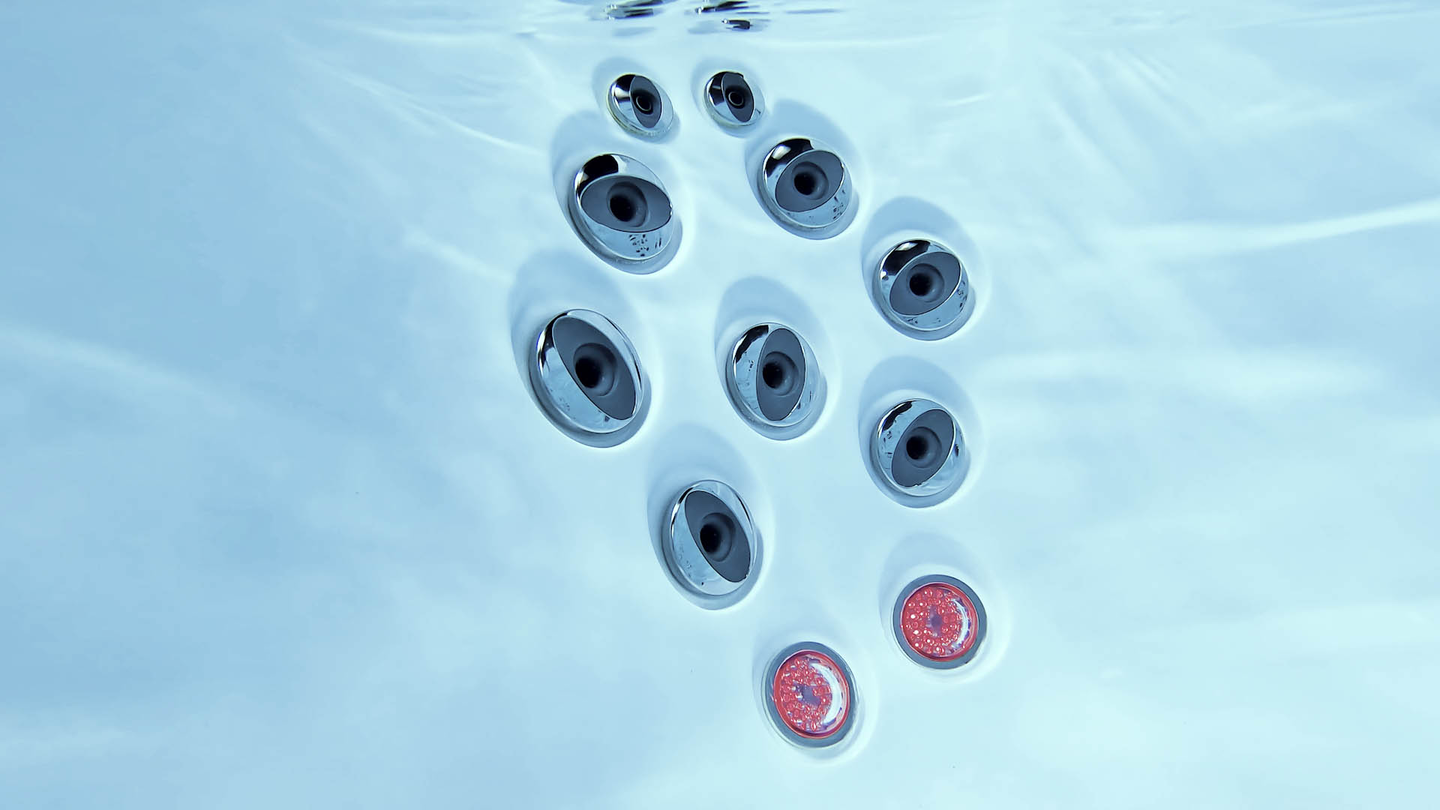
Experience unparalleled relaxation and wellness with Jacuzzi® Infrared Saunas, meticulously designed to deliver a comprehensive full-spectrum infrared therapy session. These state-of-the-art saunas combine near, mid, and far infrared wavelengths to penetrate deeply into tissues, promoting detoxification, improved circulation, and muscle relaxation. Enjoy the convenience of overhead LED reading lights and easy-to-use digital controls, making your sauna experience simpler and more enjoyable. Additionally, the durable construction, featuring robust metal thresholds and solid wood floors, ensures that these saunas can withstand frequent and intense usage. Enhance your well-being further with integrated high-intensity red light therapy, known for its skin rejuvenation and mood-boosting benefits.

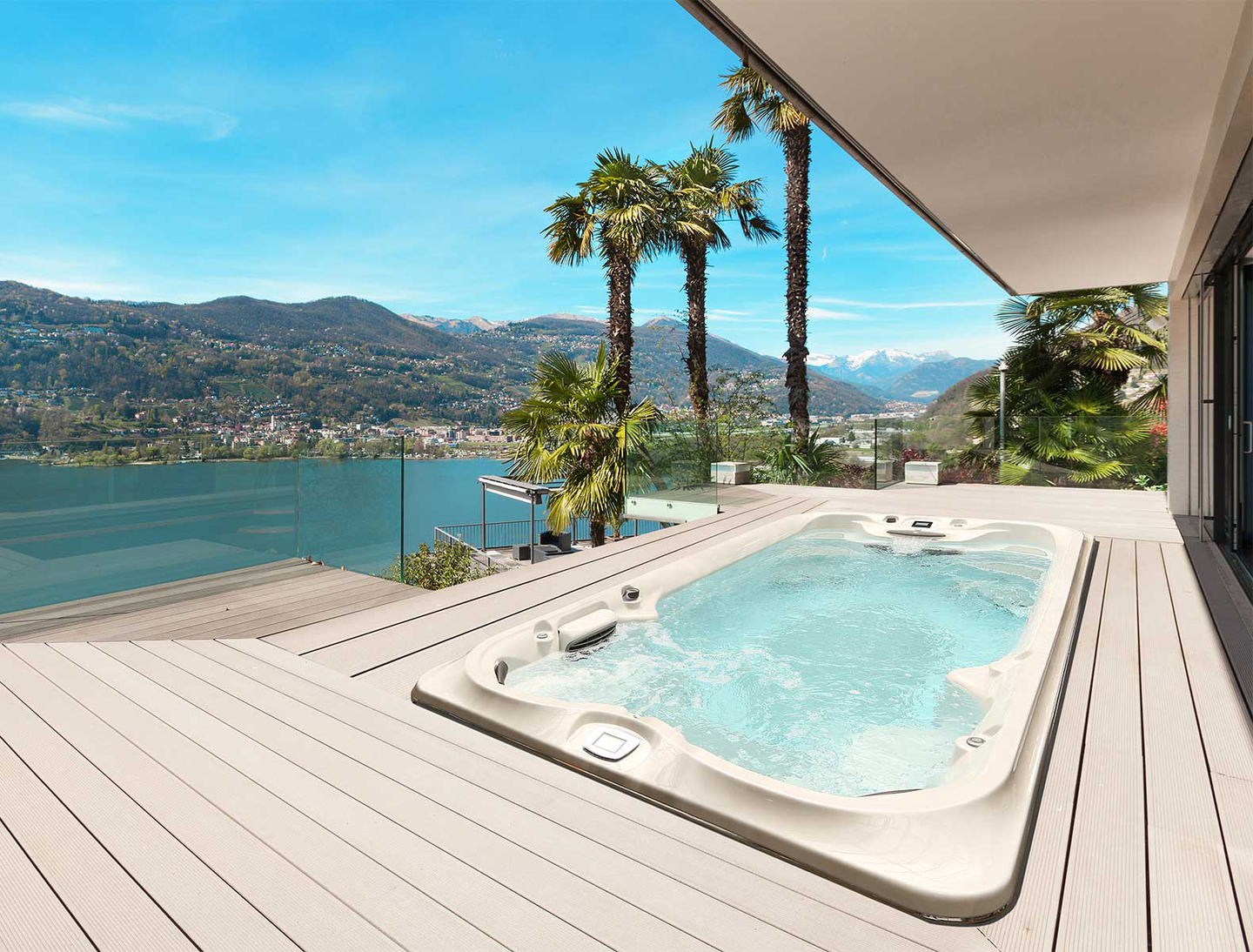
With superior performance and state-of-the-art features, a Jacuzzi swim spa is the perfect addition to your outdoor oasis, providing both fitness benefits and relaxation all year long.
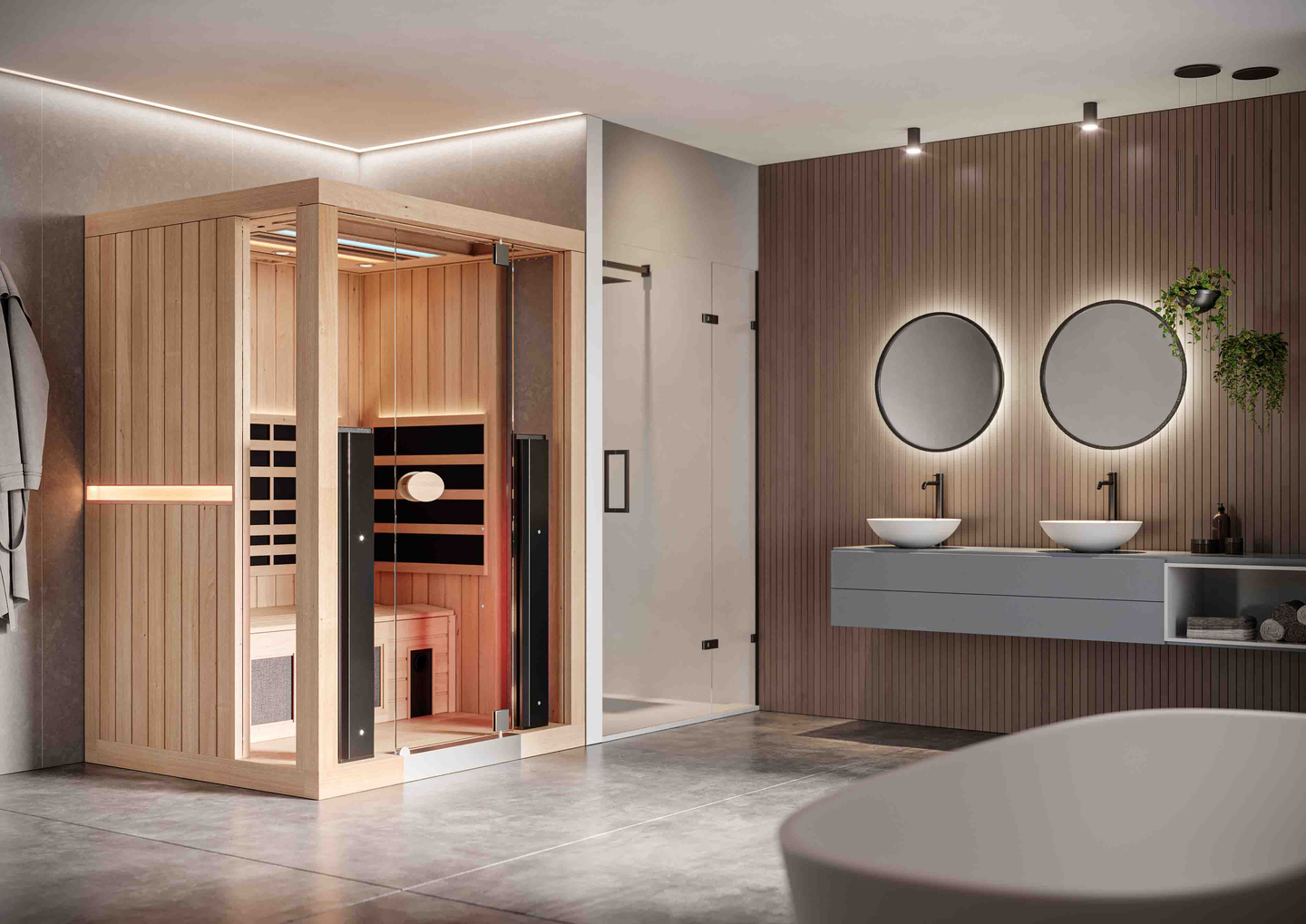
Jacuzzi® Infrared Saunas are engineered with full spectrum (near, mid and far) front-facing IR heaters, along with Red Light therapy. Enjoy a comprehensive sauna experience in a single sauna session.