Visit your dealer below for purchase.
Your delivery zip code: 43215
Change

Most hot tubs last between 5 and 20 years, with premium brands like Jacuzzi designed to reach the upper end of that range when owners follow consistent maintenance practices. Wondering how long your hot tub will last? This guide covers everything you need to know about hot tub lifespan, what affects it, and how to maximize it.
This guide is for current and prospective hot tub owners who want to make informed decisions about their investment. Understanding what affects hot tub lifespan helps you protect your spa, plan for maintenance, and get the most value from your purchase.
When people ask “how long do hot tubs last,” they’re really asking: how long until it’s no longer economical or enjoyable to keep repairing it? The answer depends far more on how the spa was built—and how it’s cared for—than most buyers realize.
Most hot tubs on the market today last about 5–15 years. However, well-built premium spas like many Jacuzzi hot tubs can last 15–20+ years with consistent care. Independent industry analyses show that budget models often fail after just 5–8 years regardless of maintenance efforts, while reputable manufacturers routinely see their products reach the 15-year mark and beyond. Cheaper hot tubs, in particular, tend to have a shorter lifespan and can end up costing more in the long run due to frequent repairs and the use of lower-quality materials.
The wide 5–20 year range exists because of significant differences in:
Reaching that 15 to 20 year lifespan for your hot tub depends on a few key factors including shell material, insulation quality, and the durability of internal components. To get the most out of your investment, three essentials make all the difference: correct installation on a level, properly drained pad with professional electrical work; regular maintenance that follows a simple, consistent routine; and timely part replacement instead of waiting for catastrophic failures to occur.
Think of a quality hot tub as a 10–20 year wellness appliance—similar to a high-end kitchen appliance or HVAC system. When you approach hot tub ownership with that mindset, the investment makes sense, and so does the care routine that protects it.
Not all hot tubs are created equal. The gap between temporary “entry-level” tubs and permanent, insulated acrylic spas is significant—both in experience and expected lifespan. Jacuzzi focuses on long-lasting rigid shell models rather than inflatables, and understanding why helps clarify what you’re really buying.
Inflatable hot tubs are made from vinyl and are designed for temporary, portable use. (Fact: "Inflatable hot tubs typically last between 2 to 5 years due to the vinyl weakening over time." - 5)
Inflatable models offer an accessible entry point, but they’re designed for convenience rather than longevity. Vinyl fatigue, seam failures, and inexpensive pumps typically limit their life span to 2–5 years. These aren’t built for serious long-term hydrotherapy—they’re temporary solutions that reflect their lower price point.
Rotomolded hot tubs are constructed from a single piece of molded plastic, making them more durable than inflatables but still lightweight and portable. (Fact: "Rotomolded hot tubs generally have a lifespan of 5 to 10 years." - 4)
One step up, rotomolded hot tubs feature solid plastic construction that’s more durable than inflatables. The average lifespan of a hot tub in this category runs 5–10 years. They’re lighter and more portable, but usually come with basic insulation and simpler equipment that limits their longevity compared to premium options.
Standard acrylic hot tubs are built with a rigid acrylic shell reinforced with fiberglass or other materials, offering a balance of durability, insulation, and comfort. (Fact: "Acrylic hot tubs can last between 10 to 20 years with proper care and maintenance." - 3)
Standard acrylic hot tubs represent the mainstream market. When made with decent components and cared for properly, these spas typically last 10–15 years. Many backyard hot tub brands fall into this tier, offering solid performance without the premium engineering that extends life further.
Premium acrylic hot tubs are high-end models that use multi-layer reinforced acrylic shells, advanced insulation, and top-quality components for maximum longevity and performance. (Fact: "A hot tub typically lasts between 5 to 20 years, depending on its quality and maintenance." - 1; "The average lifespan of a hot tub ranges from 5 to 20 years, depending on construction quality and upkeep." - 2)
Premium acrylic hot tubs—including many Jacuzzi models—are built for the long haul. Multi-layer acrylic shells, strong frames, and high-quality pumps and heaters create a foundation that can deliver 15–20+ years of reliable service. Paired with proper care, a high quality cover, and consistent maintenance practices, these spas represent a genuine long-term investment.
A note on commercial use: Hot tubs in hotels, gyms, or rental properties face much heavier use than residential installations. Even premium equipment may see shorter service life in these demanding environments, making maintenance discipline even more critical.
A spa’s lifespan isn’t determined solely by the brand name—daily habits and environment can easily add or subtract 5–10 years from any hot tub’s life. Understanding these various factors helps you make choices that protect your investment.
The condition of key components such as pumps, heaters, and the shell is crucial in determining whether repair or replacement is the best option, especially when multiple components are nearing end-of-life.
The foundation of longevity starts at the factory. Key construction elements include:
Jacuzzi exemplifies premium engineering, using high quality materials designed to resist environmental stressors and outlast lower quality materials by years or even decades.
Poorly balanced water is one of the two major factors that shorten hot tub life. Unbalanced water—whether too acidic, too alkaline, or carrying high calcium hardness—corrodes heaters, seals, pumps, jet faces, and hot tub pillows. Industry data suggests components fail 30–50% sooner when water quality is neglected.
Key chemistry targets to maintain:
Daily, multi-hour soaking puts more load on pumps, heaters, and filters than occasional use. That said, a well maintained hot tub can handle frequent enjoyment if maintenance practices keep pace. Interestingly, idle tubs that aren’t circulated regularly can develop their own problems from stagnation.
Proper installation sets the stage for decades of trouble-free operation:
Harsh climates accelerate aging. Cold weather and freezing temperatures demand proper insulation and winterization to prevent pipe bursts. Intense UV exposure fades covers and shells faster. Coastal salt air corrodes metals if spas aren’t protected. In harsh climates, quality construction and diligent care become even more important.
Here’s the simple truth: following a basic routine is usually the dividing line between a 7-year tub and a 17-year tub. Regular cleaning of the shell, filters, and plumbing, along with maintaining water chemistry, is essential for extending hot tub lifespan and preventing damage. Owners who regularly test water, clean filters, rinse the shell, and inspect covers consistently report dramatically longer service life—regardless of which premium brand they chose.
A hot tub’s overall lifespan is really a combination of multiple hot tub parts, each with its own expected lifespan and replacement timeline. Understanding these helps you budget for ownership and catch issues before they cascade.
Most hot tub pumps last 7–10 years in well-maintained spas like Jacuzzi models. However, corrosive water or neglected filters can cut this significantly. Signs of pump trouble include unusual sounds, reduced water flow, or visible leaks around the motor housing.
Hot tub heaters typically last 5–10 years depending on water balance and scale buildup. Low pH creates acidic water that corrodes elements, while high calcium hardness coats them with scale—both reduce efficiency and accelerate failure.
Quality control packs in premium spas can last 8–15 years. Dry, protected installations and surge protection help extend this lifespan. When electronics fail, the hot tub may display error codes, experience erratic heating, or lose functionality entirely.
Flexible PVC and quality hot tub jets can last 15–20 years when water chemistry stays balanced. Chemical abuse causes brittleness and leaks over time. Individual jets are relatively inexpensive to replace ($20–30 each), making this one of the more cost-effective maintenance items.
The hot tub shell and cabinet represent the most durable elements. Well-supported, reinforced acrylic shells can last 20+ years—sometimes matching the entire lifespan of the spa—if never allowed to freeze with water inside and if the base stays level and dry. Quality shells resist sun damage, cracking, and fading far longer than budget alternatives.
Cabinet longevity depends on material and exposure. Synthetic cabinets used on many modern Jacuzzi models require mostly routine cleaning rather than refinishing, lasting 15–20 years. Wood cabinets may need more attention in humid or wet environments.
Hot tub covers have the shortest expected lifespan at 3–7 years before becoming waterlogged, heavy, or losing insulation value. Hot tub pillows typically last 3–5 years. Replacing a failing cover is one of the cheapest ways to preserve energy efficiency and protect the spa beneath it.
Most hot tub and pool components are built to last for years, but their lifespan depends on care and conditions. Pumps typically last 7 to 10 years, though corrosive water and clogged filters can shorten their life. Heaters usually perform well for 5 to 10 years, with scale buildup and pH imbalance being common threats. Electronics often last 8 to 15 years, especially with durable, expertly engineered options like Jacuzzi pool equipment, but moisture and power surges can cause damage. Plumbing and jets can last 15 to 20 years unless exposed to chemical abuse or freezing temperatures. The shell can last 20 years or more when protected from freezing and structural stress. Cabinets generally last 10 to 20 years but may deteriorate from UV exposure, moisture, or debris. Covers have a shorter lifespan of 3 to 7 years due to constant exposure to UV rays and waterlogging.
The good news: simple, consistent habits matter more than complicated routines. These tips apply especially well to long-term investment spas like Jacuzzi hot tubs, where the goal is decades of stress free enjoyment.
Proper maintenance starts with water chemistry. A manageable schedule includes:
Consider advanced water care options like ozone or UV systems that help keep water cleaner while reducing chemical extremes. These systems make hot tub easy to maintain while extending component life.
Filters are your first line of defense against debris and contaminants:
Clean filters reduce strain on pumps and help maintain water quality between water changes.
Plan to drain and refill every 3–4 months for typical household use (more often with heavy use). During each drain:
This routine cleaning prevents the gradual buildup that leads to costly repairs down the line.
Your cover works hard protecting your investment:
A high quality cover in great shape reduces evaporation, keeps debris out, and dramatically improves energy efficiency.
Climate-specific attention prevents preventable damage:
An annual or biannual service visit catches problems early. Technicians can identify minor leaks, component wear, and electrical issues before they cause major failures. This is especially valuable for spas over 8–10 years old.
Small practices add up to longer life:

Every hot tub owner eventually faces the question: repair or replace? The answer depends on the spa’s age, condition, and the nature of the problem.
Repairing is typically the right choice when:
Single-component failures in otherwise healthy spas rarely justify replacement. Quality parts are available, and skilled technicians can restore optimal performance.
Consider a new hot tub when you notice:
A practical rule: when repair costs exceed 40–50% of the spa’s current value, or when you’re facing multiple repairs that together approach the cost of a modern replacement, it’s worth exploring your options.
Today’s premium spas offer advantages that weren’t available a decade ago:
A new hot tub from Jacuzzi may deliver a better experience at lower operating costs than keeping an aging spa limping along
.
When facing significant repair estimates on an older spa, consult your local dealer or a trusted technician. Ask for an honest evaluation of remaining service life versus repair costs. For spas 10–15+ years old, this conversation can save considerable money and frustration.
Jacuzzi designs hot tubs as long-term wellness systems, not disposable products. Many customers report 15–20+ years of reliable use from well-cared-for models—a testament to engineering that prioritizes durability alongside performance.
The perfect hot tub starts with premium materials:
This foundation creates a shell and cabinet system designed to last 20+ years under normal conditions.
Jacuzzi’s heritage in hydrotherapy translates to thoughtfully engineered jet placement and efficient pumps. Targeted hydrotherapy zones deliver effective massage while the design reduces unnecessary strain on components. It’s innovation with purpose—technology that enhances wellbeing rather than complicating ownership.
Advanced water management options help maintain water quality with less effort:
Cleaner water means less chemical stress on seals, jets, and heaters—directly supporting long hot tubs life.
Full-foam insulation and well-fitted covers maintain temperature with minimal heating cycles. This energy efficient approach reduces mechanical wear while lowering operating costs. When your heaters typically run less frequently, they last longer.
Choosing a global brand like Jacuzzi means access to replacement quality parts, covers, and accessories many years after purchase. This parts availability is critical for long-term ownership—you won’t find yourself unable to repair a spa because components are no longer manufactured.
The combination of premium construction, thoughtful engineering, and ongoing support makes Jacuzzi a practical choice for owners who view their hot tub as a multi-decade wellness investment.
Yes. Indoor installations are protected from UV exposure, rain, and freezing temperatures, so cabinets, covers, and shells tend to last longer. However, proper ventilation and humidity control are essential to protect the room itself and the spa’s electronics. Many indoor Jacuzzi owners report exceptional longevity thanks to the controlled environment.
Safety checks for older spas should include: testing GFCI function regularly, inspecting for visible wiring damage, confirming no persistent leaks near electrical components, and verifying heating controls respond properly. For spas over 10 years old with any electrical or structural concerns, a professional inspection provides peace of mind and identifies hidden issues.
Frequent use does increase wear on pumps, heaters, and filters, but it doesn’t have to shorten lifespan dramatically. If water care and maintenance keep pace—clean filters, correct chemistry, routine checks—a quality spa like a Jacuzzi can still achieve a long service life with daily use. The key is matching maintenance intensity to usage intensity.
Saltwater and alternative sanitizer systems can be gentle on skin and reduce chemical handling, but they require specific components and careful monitoring of levels. Following manufacturer guidelines for Jacuzzi systems ensures you avoid corrosion or premature wear. When used correctly, these systems can actually extend component life by maintaining more stable water chemistry.
Prioritize a new, well-insulated, well-fitting cover along with fresh filters. This combination reduces energy use, protects water quality, eases strain on heaters and pumps, and can noticeably extend the life of your spa. For the investment, few upgrades deliver more value—both in longevity and daily enjoyment.
A quality hot tub is more than a backyard feature—it’s a wellness system designed to restore you for years to come. When you choose premium construction, commit to proper care, and address issues before they compound, your spa becomes a reliable retreat for 15, 20, or even more years of enjoyment.
Whether you’re shopping for a new hot tub or looking to extend the life of your current spa, the principles remain the same: quality matters, consistency wins, and proper care today prevents costly repairs tomorrow.
Ready to explore hot tubs built for the long term? Connect with your local Jacuzzi dealer to discover models engineered for decades of restorative wellness.
Unlock the secrets to the perfect hot tub with our exclusive email series. Get expert advice and tips right in your inbox. Subscribe now and take the first step towards finding your ideal hot tub.
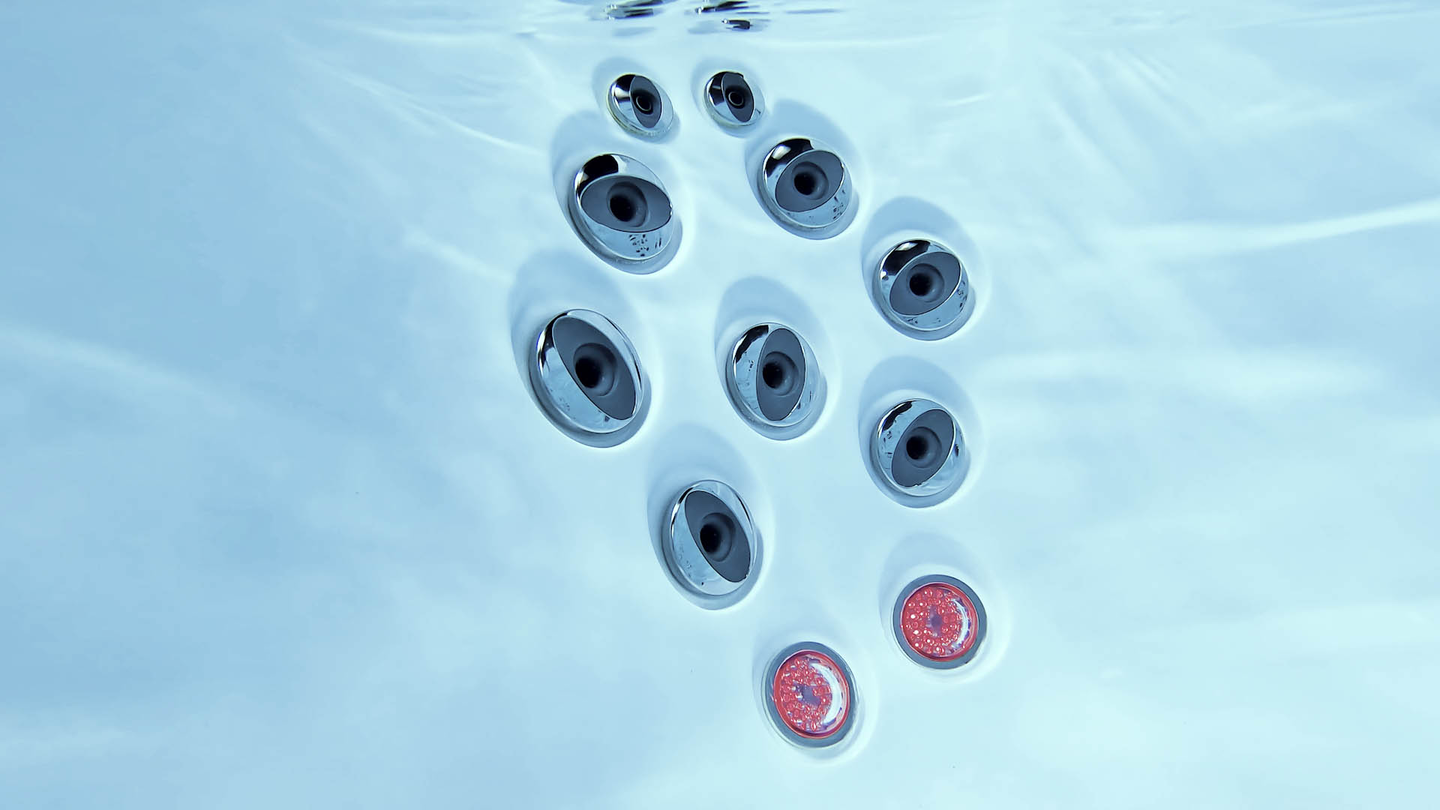
Experience unparalleled relaxation and wellness with Jacuzzi® Infrared Saunas, meticulously designed to deliver a comprehensive full-spectrum infrared therapy session. These state-of-the-art saunas combine near, mid, and far infrared wavelengths to penetrate deeply into tissues, promoting detoxification, improved circulation, and muscle relaxation. Enjoy the convenience of overhead LED reading lights and easy-to-use digital controls, making your sauna experience simpler and more enjoyable. Additionally, the durable construction, featuring robust metal thresholds and solid wood floors, ensures that these saunas can withstand frequent and intense usage. Enhance your well-being further with integrated high-intensity red light therapy, known for its skin rejuvenation and mood-boosting benefits.

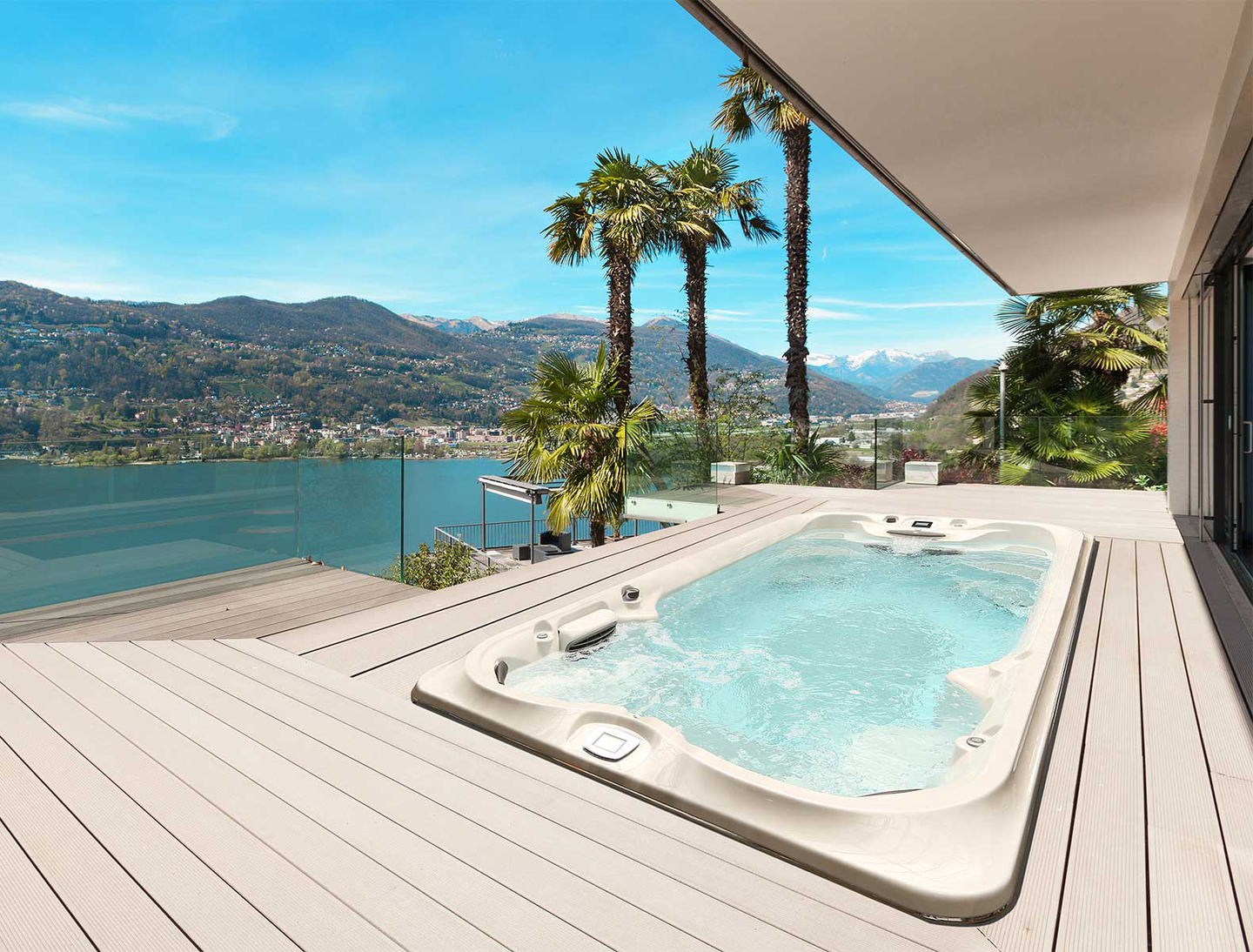
With superior performance and state-of-the-art features, a Jacuzzi swim spa is the perfect addition to your outdoor oasis, providing both fitness benefits and relaxation all year long.
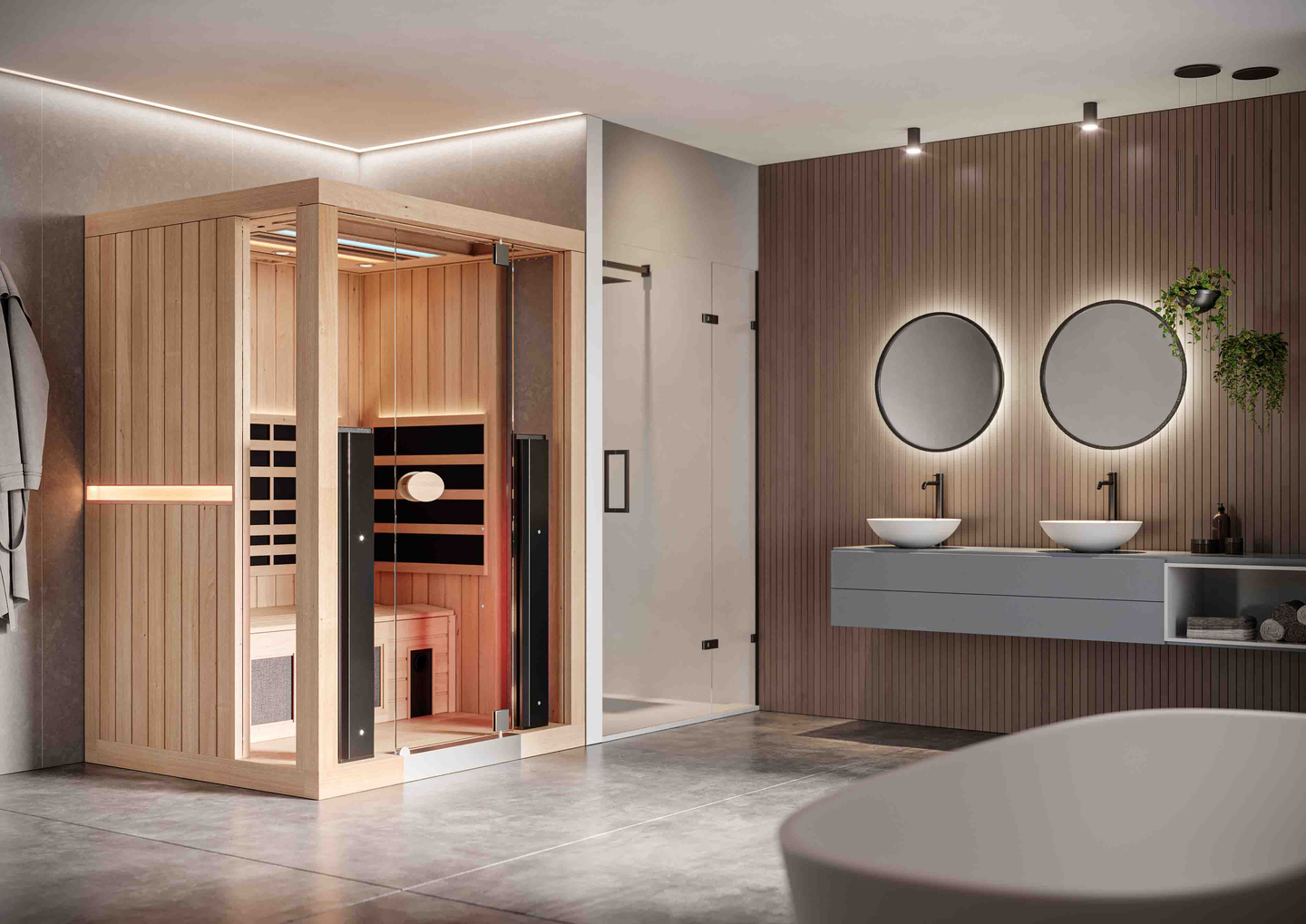
Jacuzzi® Infrared Saunas are engineered with full spectrum (near, mid and far) front-facing IR heaters, along with Red Light therapy. Enjoy a comprehensive sauna experience in a single sauna session.