
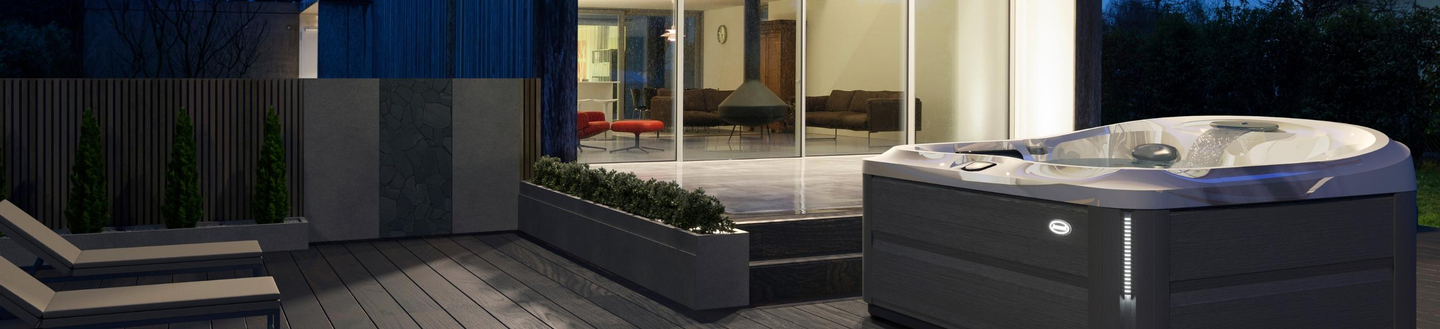
Browse By Hot Tub Price
Browse by hot tub price
Choosing a hot tub to fit your budget has never been easier with Jacuzzi® hot tubs. Choose the size, features and configuration you want for a perfect fit.
Choosing a hot tub to fit your budget has never been easier with Jacuzzi® hot tubs. Choose the size, features and configuration you want for a perfect fit.
Browse By Hot Tub Price
Browse by hot tub price
Choosing a hot tub to fit your budget has never been easier with Jacuzzi® hot tubs. Choose the size, features and configuration you want for a perfect fit.
Choosing a hot tub to fit your budget has never been easier with Jacuzzi® hot tubs. Choose the size, features and configuration you want for a perfect fit.
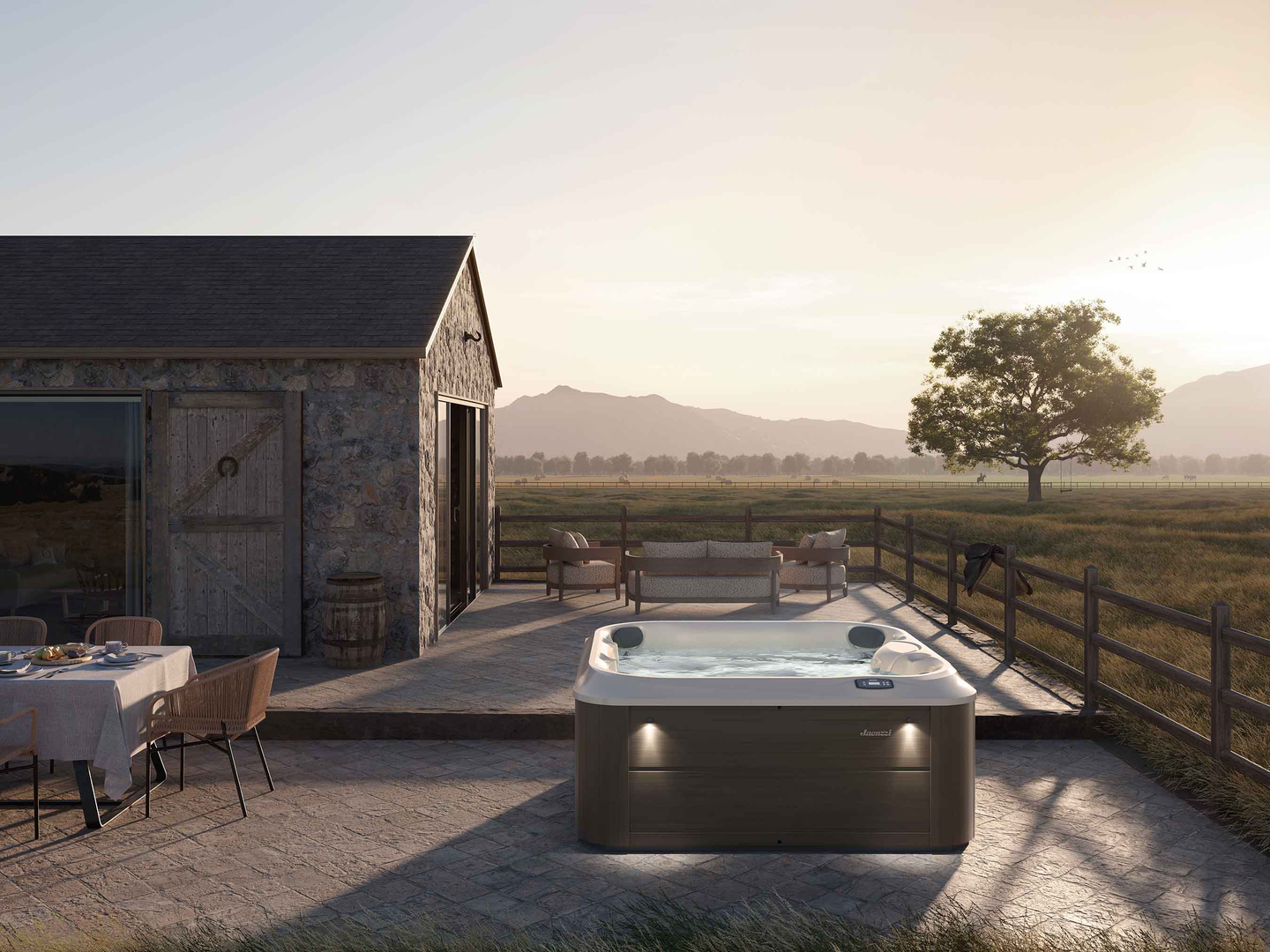
Entry-level hot tubs
An entry-level hot tub can usually cost anywhere between $5,000- $8,999. This can vary based on the initial price of the model as well as additional upgrades and extras.
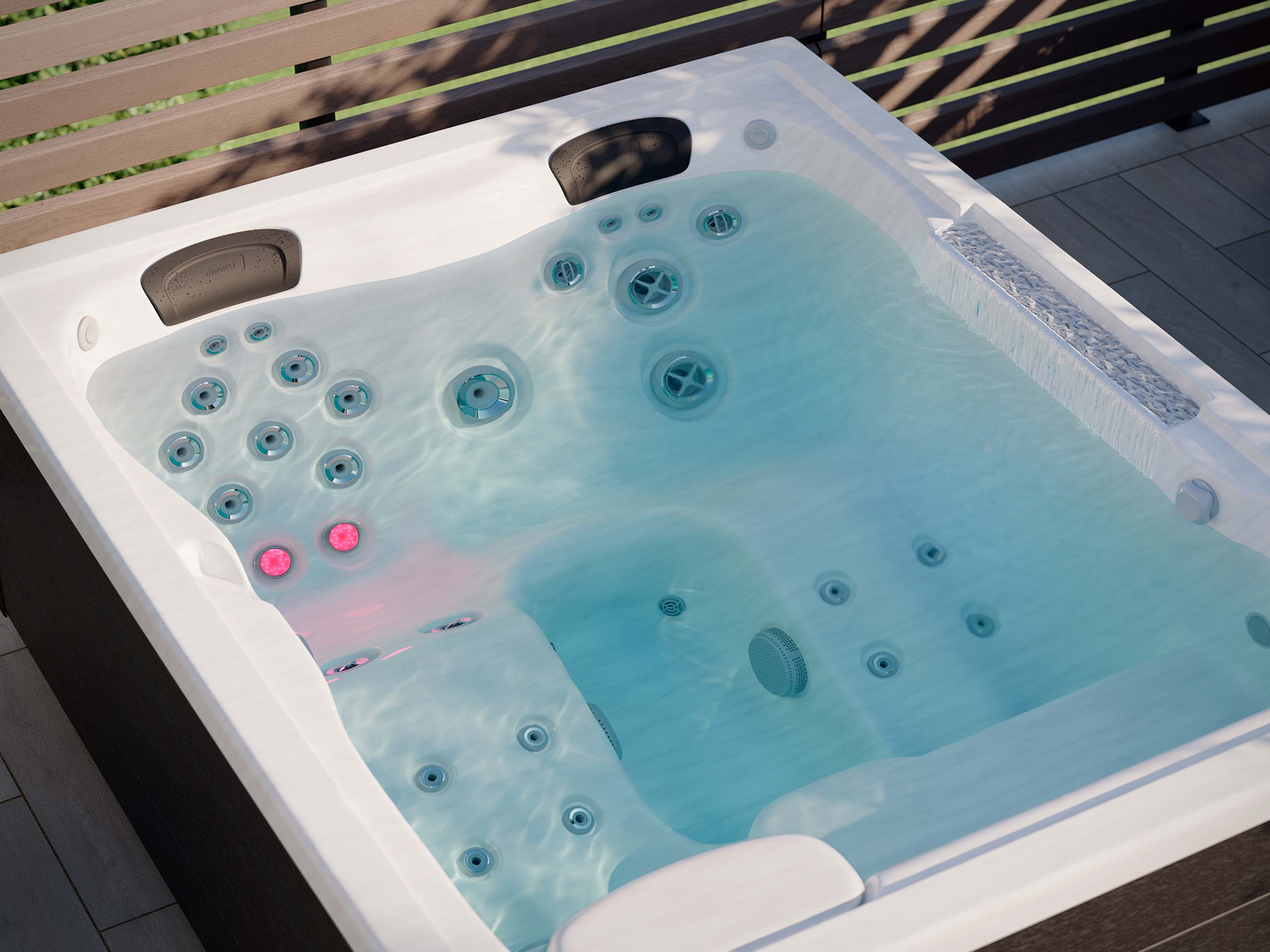
Mid-level hot tubs
A mid-level hot tub can usually cost anywhere between $9,000- $14,999. This can vary based on the initial price of the model as well as additional upgrades and extras.
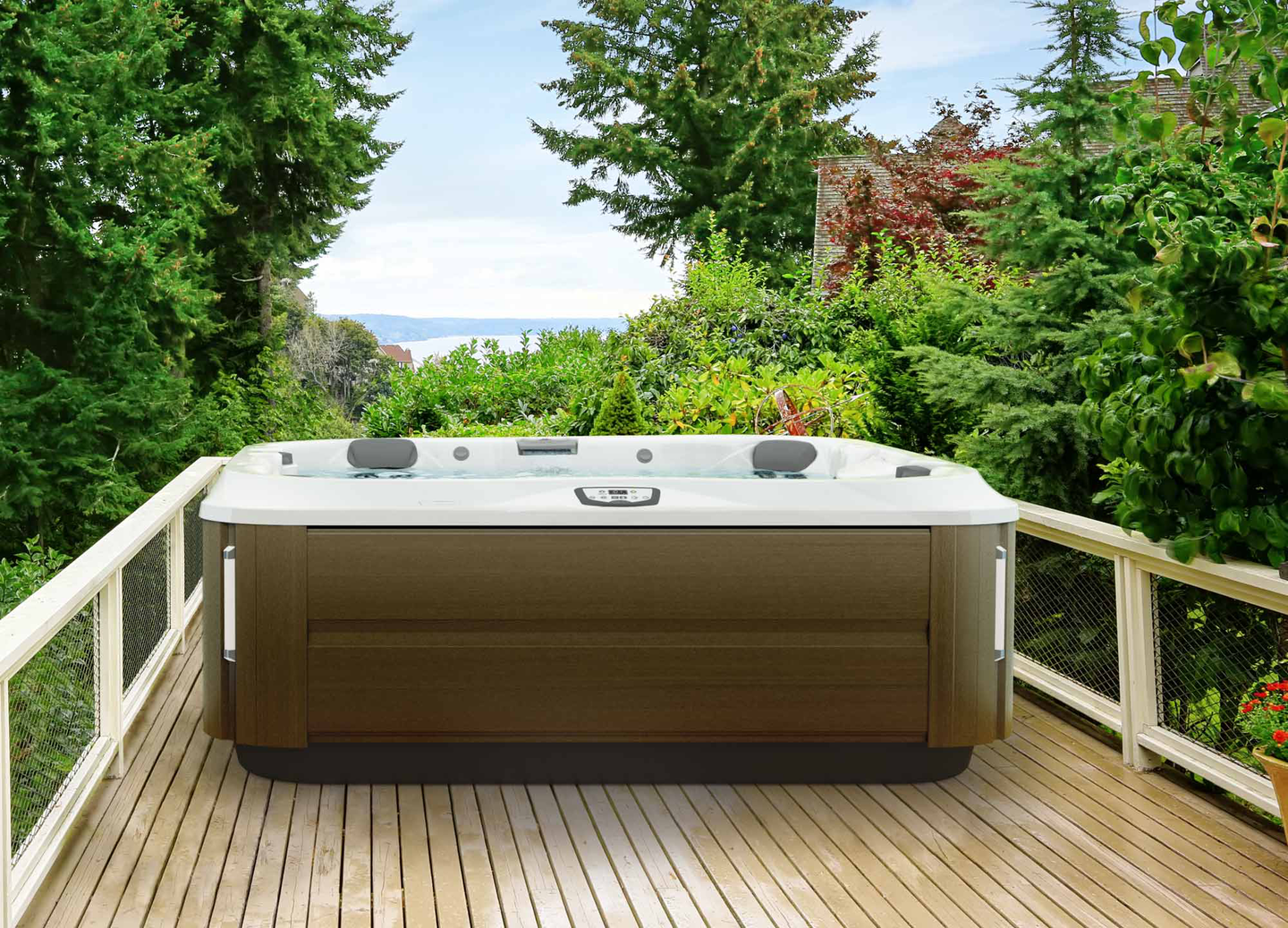
Premium hot tubs
A premium hot tub can usually cost anywhere between $15,000- $18,999. This can vary based on the initial price of the model as well as additional upgrades and extras.

Luxury hot tubs
A luxury hot tub can usually cost $19,000+. This can vary based on the initial price of the model as well as additional upgrades and extras.
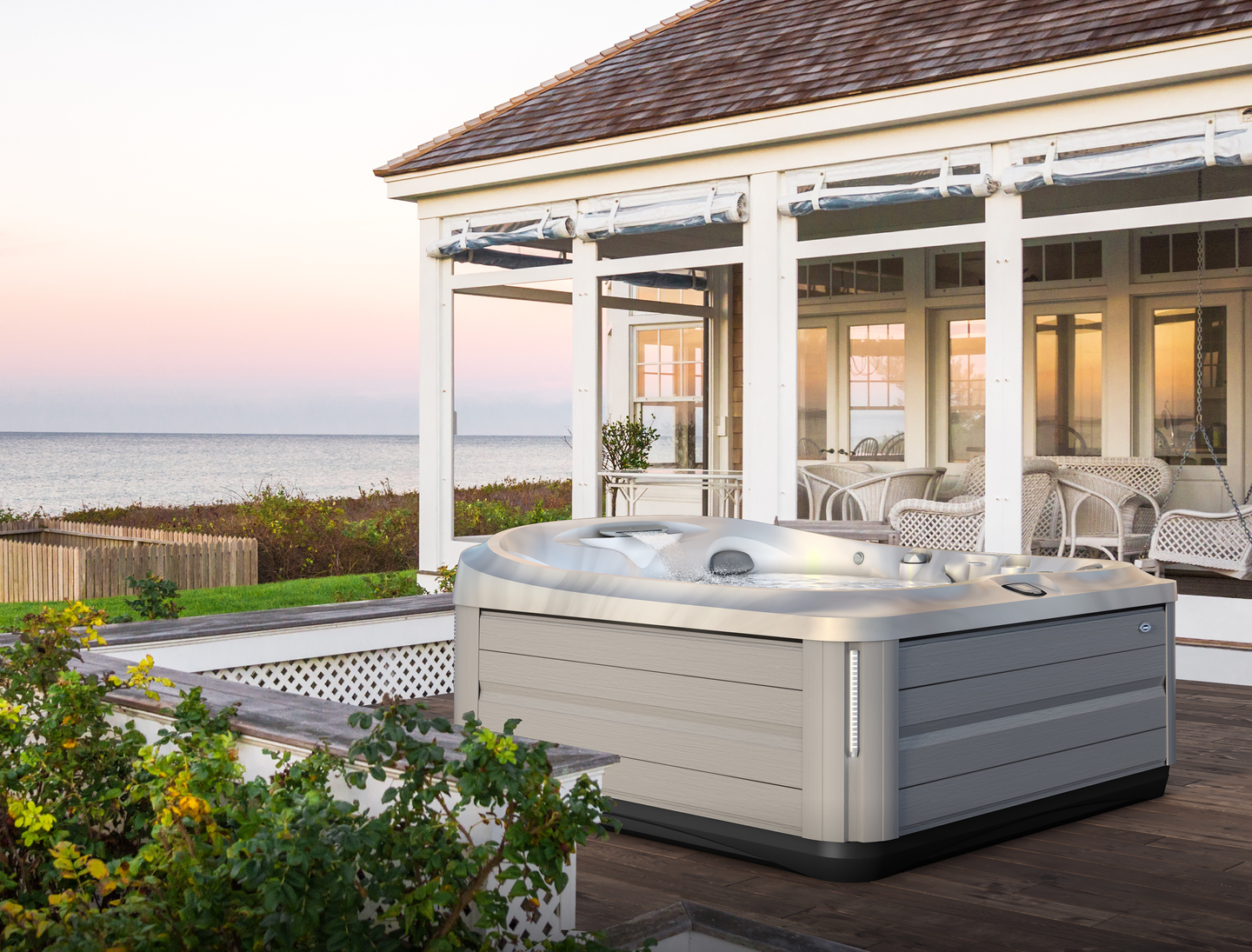
Design your dream spa
From our Jacuzzi® PowerPro™ jetting system to our tension-reducing lounge seats, we expertly design every hot tub for optimal relaxation. Choose your colors and features now.
FAQ's
Salt water systems offer an alternative to manually adding traditional bottled chlorine, but they still rely on chlorine for sanitation. A small amount of salt is added to the water, and a built-in generator converts that salt into chlorine as needed. This can help maintain steadier chlorine levels with less frequent manual dosing.
While some users appreciate the convenience, it’s important to note that salt water systems do not produce chlorine-free water—salt systems simply automate chlorine generation. This means the water may still have the characteristic effects of chlorine, such as potential dryness or sensitivity for some bathers.
For those who want water that feels more natural and requires almost no chlorine at all, newer technologies like True® Water offer an alternative path. True® Water uses oxygen-rich nanobubbles to help clean the spa water, reducing reliance on traditional sanitizers and giving the water a softer, more natural feel with minimal maintenance.
Salt water systems can simplify weekly maintenance by generating chlorine automatically from a small amount of salt dissolved in the spa water. They can help keep sanitizer levels more stable, reducing the need for frequent manual chemical dosing.
However, because salt systems ultimately create chlorine, the water will still behave like a traditionally sanitized spa—meaning some users may continue to experience the dryness, scent, or fabric fading associated with chlorine use. Salt water also increases water salinity, which may require more frequent attention to equipment and components over time.
For owners seeking water that feels smoother and more natural—with almost no chlorine needed—advanced low-chlorine systems like True® Water provide an appealing alternative. With True® Water, the focus shifts to oxygen-based purification, giving you clear, comfortable water with an easier, more intuitive maintenance routine.
Flagship hot tubs deliver a combination of advanced hydrotherapy, premium comfort, and long-term value. They’re built with high-quality insulation, efficient pumps, and durable components that help keep monthly energy costs low.
Maintenance is also easier thanks to enhanced water care systems—that keep water clean with less hands-on work.
Many flagship models are designed to perform reliably for 10–20+ years, making them a smart investment for comfort, convenience, and low lifetime operating costs.
Mid-tier hot tubs often balance desirable features with budget-friendly pricing.
Advantages:
- Attractive acrylic shells and stylish cabinetry
- A generous number of jets and comfort-focused seating
- Good feature sets such as mood lighting or waterfalls
Considerations:
- Some brands focus heavily on cosmetic features while reducing insulation, electronic quality, or long-term durability to stay within price range
- Jet counts and lighting may look impressive, but underlying components can vary widely
- Energy efficiency and warranty coverage can differ between manufacturers
For shoppers in this range, it’s worth looking beyond the surface features and considering build quality, insulation, energy efficiency, and service support to find the best long-term value.
Automated systems can lower ongoing chemical costs and reduce the time needed for regular maintenance.
Because the water stays balanced more easily, these systems can also help extend the life of components such as jets, pumps, and plumbing. For many owners, the convenience and long-term savings justify choosing a premium or flagship model equipped with advanced water care.
Entry-level hot tubs typically range from $5,000 to $8,999, depending on the model and available upgrades. These hot tubs focus on providing the essentials for relaxation, including comfortable seating, a moderate number of jets, and straightforward controls.
Many entry-level models are rotationally molded, meaning the shell is made from durable plastic rather than glossy acrylic. This construction keeps the spa lightweight, easy to move, and well suited for simple setups—making these hot tubs a popular choice for first-time buyers or budget-conscious shoppers.
“Plug and play” refers to hot tubs designed to operate using a standard 110V household outlet. These models don’t require special electrical wiring, which can make installation faster, simpler, and more affordable.
Most plug-and-play hot tubs only need a flat surface, access to water, and a grounded outlet. Always follow manufacturer requirements and local electrical codes when installing any hot tub.
Rotationally-molded hot tubs are made using a manufacturing process that forms a single, durable plastic shell. Unlike acrylic hot tubs, they typically have a matte finish and a more utilitarian design.
The main benefits include lighter weight, durability, and ease of installation. These hot tubs are well suited for shoppers who want a simple, functional spa experience without the added cost of premium finishes.
Mid-tier hot tubs are designed to balance comfort features and overall value. In this price range, shoppers often see enhancements such as acrylic shells, more jets, mood lighting, waterfalls, or upgraded seating designs.
Because manufacturers prioritize different features at this level, it’s important to compare what’s included beyond visual upgrades. Factors such as insulation, pump quality, energy efficiency, and warranty coverage can vary significantly and impact long-term ownership costs.
Flagship (luxury) hot tubs typically start at $19,000 and above, reflecting their premium design and performance. These top-tier models often include advanced hydrotherapy seating, upgraded lighting, intuitive controls, and enhanced water care options that help simplify maintenance.
Flagship hot tubs also focus on long-term ownership value, with higher-quality components and designs intended to support energy efficiency, comfort, and reliability over many years of use.
Flagship hot tubs are built with a focus on premium comfort, performance, and longevity. Compared to entry-level and mid-tier models, they often feature better insulation, stronger pumps, more refined hydrotherapy options, and advanced water care systems.
While the upfront investment is higher, flagship hot tubs are designed to deliver consistent performance and lower lifetime maintenance effort over 10–20+ years of use.
The best long-term value depends on your priorities. Entry-level hot tubs offer an accessible starting point with lower upfront costs, while mid-tier models balance comfort features and aesthetics with price.
Flagship hot tubs generally provide the strongest long-term value for frequent users who prioritize durability, energy efficiency, and ease of maintenance over time.