Visit your dealer below for purchase.
Your delivery zip code: 43215
Change

Owning a swim spa represents an investment in your well being—a personal retreat where fitness meets restoration. Yet like any precision-engineered system, a Jacuzzi Swim Spa performs best when cared for with intention. The good news? Effective swim spa maintenance requires far less effort than most owners expect. With the right routine, you’ll spend more time enjoying the therapeutic benefits of your spa and less time worrying about upkeep.
This guide walks you through everything you need to know: from testing and balancing chemicals to protecting your spa’s shell and cover. Whether you’re a first-time swim spa owner or refining an existing routine, these practices will help your Jacuzzi Swim Spa deliver years of reliable performance.
A well-maintained swim spa starts with a simple, repeatable system. This six-point checklist covers daily, weekly, monthly, and seasonal tasks—everything a Jacuzzi Swim Spa owner needs to keep swim spa water clean and components running smoothly.
Using your swim spa regularly helps maintain water cleanliness and equipment longevity, as consistent water circulation is a key part of ongoing maintenance.
This checklist is designed for typical residential use in 2025, assuming year-round operation in a backyard setting in North America or Western Europe. Print or save it, then adjust frequency based on your bather load—a family using the spa 3–4 times weekly will follow a slightly different rhythm than someone training solo twice a week.
The sections below walk through each point in practical detail, step by step.
Balanced water chemistry is the foundation of every effective swim spa maintenance routine. When chemical levels stay within proper ranges, you protect swimmers from irritation, preserve acrylic surfaces and PowerPro jets, and extend the life of pumps and heaters. Long-term, good water quality reduces maintenance costs significantly—preventing scale buildup that can lead to heater failures costing $1,000 or more.
Just like with a hot tub, maintaining proper water chemistry and keeping the water level about halfway up the skimmer is essential for both safety and equipment longevity. This helps prevent pump damage and ensures your swim spa operates efficiently.
Testing Frequency: Test your Jacuzzi Swim Spa water 2–3 times per week using chemical test strips or a digital tester. Increase frequency after heavy use, hot weather, or after adding fresh water.
Target Chemical Ranges: Maintaining proper water chemistry in a spa involves monitoring several key parameters within their target ranges. The pH should be kept between 7.4 and 7.6 to prevent corrosion and scaling. Total alkalinity, ideally 80–120 ppm, acts as a buffer to minimize pH fluctuations. Free chlorine levels of 2–4 ppm effectively eliminate bacteria and pathogens, while bromine, if used, should be maintained at 3–6 ppm as an alternative sanitizer. Finally, calcium hardness should remain between 150 and 250 ppm to protect the spa shell from damage.
Understanding Each Chemical Type:
Always use Jacuzzi-approved water care products. Household chemicals like bleach or non-spa detergents can damage other components and may void your warranty.
The Correct Adjustment Sequence: When balancing chemicals, adjust total alkalinity first, then pH, then sanitizer. Allow 15–30 minutes between adjustments with jets running and the cover off. This ensures accurate readings and prevents overcorrection.
Safety and Storage: Keep chemicals in a cool, dry, ventilated area away from direct sunlight. Never mix products together—even residue in a measuring cup can cause dangerous reactions. Always add chemicals to water, never water to chemicals.
Shocking refers to a higher-dose oxidizer shock treatment that eliminates chloramines, body oils, and organic contaminants causing odors or cloudy water. Even when your regular chemical levels look fine, these byproducts build up over time—the result of sanitizer reacting with sweat, lotions, and natural skin oils.
Recommended Schedule:
You can use either chlorine shock or non-chlorine oxidizer, following product instructions for your spa’s gallon capacity. After adding shock, run pumps with the cover off for 20–30 minutes to allow gases to escape.
When to Shock:
Do not use the swim spa until wait times listed on the product label have passed and your test strips confirm safe sanitizer levels.
Jacuzzi circulation and jet pumps move water continuously through filters and any built-in ozone or UV system—essential for maintaining clear, healthy spa water. Without proper circulation, even perfectly balanced chemicals can’t do their job effectively.
Automatic Circulation: Modern Jacuzzi Swim Spas feature multiple automatic filtration cycles per day, controlled through the topside panel or app. These programmed cycles ensure water passes through the filter system regularly, removing debris and allowing sanitizers to work throughout the entire volume.
Manual Circulation Tips: (Consider using hot tub covers to help maintain heat and keep debris out of your spa.)
Cold Weather Considerations: In colder climates like Minneapolis or Toronto, maintaining regular circulation prevents freezing and potential damage. When combined with proper insulation and consistent cover use, your Jacuzzi Swim Spa can operate safely year round, even in January.
Check periodically that all jets and intake grates remain unobstructed. Listen for unusual pump noises—grinding, whining, or cavitation sounds indicate potential issues. If you notice anything concerning, contact your Jacuzzi dealer or service partner promptly.
Even with perfect swim spa water care, dissolved solids gradually accumulate from chemicals, sweat, cosmetics, and environmental contaminants. Eventually, total dissolved solids (TDS) reach levels where water becomes difficult to balance—typically 1,500–2,000 ppm. At that point, it’s time to drain, deep clean, and start fresh by replacing all the water in your swim spa to maintain optimal cleanliness and prevent chemical buildup.
Recommended Frequency: For typical home use, plan a full drain and refill every 3–4 months—that’s 3 times per year minimum, or 4 times annually in warm, high-use regions like Florida or Southern California. You should change your swim spa water every 3–6 months depending on usage. Each time you drain, perform a deep clean of the spa shell and refill with fresh water every 3–6 months.
Draining Your Swim Spa: Use a submersible pump to reduce draining time to 30–60 minutes for large swim spas (versus several hours with gravity drainage through a garden hose). Follow local regulations regarding where to direct discharge water—many municipalities prefer you avoid storm drains.
Step-by-Step Deep Clean Process:
Refilling Best Practices: Place your garden hose in the deepest end or the filter compartment to reduce airlocks. Fill to the manufacturer’s recommended waterline, then power the spa back on.
Re-test and balance new water within the first 24 hours: adjust alkalinity first, then pH, then sanitizer. If your municipality is known for hard water (Phoenix, Las Vegas, and similar areas), add scale control products during this initial balancing phase.
The baseline recommendation for 2025 is every 3–4 months, but actual frequency can vary depending on several factors such as usage, number of users, and other conditions:
The frequency of spa water changes is influenced by several factors. A higher number of users naturally leads to more frequent changes, as more bathers introduce additional contaminants. Similarly, heavy usage, measured in weekly hours, accelerates the buildup of total dissolved solids (TDS), necessitating quicker turnover. The use of cosmetics and personal care products, such as lotions and oils, further increases contamination, while outdoor placement exposes the spa to tree debris and pollen, adding to the organic load. All these elements together determine how often the water needs to be refreshed.
Watch for signs indicating earlier changes: persistent cloudiness, unusual odors, or difficulty keeping chemicals balanced despite proper testing. Consistent, timely water changes support both bather comfort and the longevity of heaters, pumps, and jets.
Routine swim spa cleaning differs from deep cleans performed during water changes. Regular cleaning of the swim spa's shell is essential to prevent damage and maintain its appearance. Weekly attention to surfaces keeps the spa safer, more attractive, and prevents build up that becomes harder to remove over time.
You should wipe down the exposed surfaces of your swim spa regularly to remove dirt and grime.
Wipe the waterline, steps, and seating areas using a soft sponge or microfiber cloth with a Jacuzzi-approved shell cleaner. Shop towels are useful for drying and cleaning the acrylic shell of the swim spa. Avoid abrasive pads that can scratch acrylic—even a magic eraser should be used sparingly and gently on stubborn spots.
Handling Stubborn Marks: After busy weekends, you may notice body-oil rings or waterline deposits. Use slightly stronger but spa-safe cleaners, working in small sections. Rinse well to avoid soap residue that can foam when jets engage.
Cabinet Care: Clean external cabinetry every 1–2 months. For synthetic cabinets, water and a soft cloth work well. Wood-accented models may require specific care products—consult your owner’s manual.
What to Avoid: Never use household glass cleaner, ammonia, or solvent-based products on acrylic. These can dull the surface, damage seals, and create chemical reactions with spa water.
Post-Storm Inspection: For outdoor spas, perform a quick inspection after storms. Remove leaves, pollen, or mulch that may have blown onto steps, covers, or cabinet vents. This prevents debris from entering the water system when you next open the cover.
High-quality Jacuzzi swim spa filters form the heart of your water care system, trapping particles, body oils, and debris before they reach pumps and heaters. To clean your swim spa filters effectively, you should follow a regular schedule. Neglected filters can cause 80% flow reductions and significant pump strain—leading to cloudy water complaints and potential equipment damage.
Basic Filter Schedule: Regular filter maintenance helps keep your spa running efficiently and your water clean. Filters should be rinsed every 2 to 4 weeks, and more frequently during high pollen seasons when debris buildup is higher. A deep soak cleaning should be done every 2 to 3 months using a dedicated filter cleaner solution to remove oils and trapped particles. Cartridge filters should be replaced every 12 to 18 months, or sooner if they begin to show signs of wear or reduced performance.
Safe Filter Removal: Turn off pumps before opening the filter compartment. Loosen and lift cartridges straight up, avoiding any twisting motion that could damage pleats.
Rinsing Technique: Use a garden hose with moderate pressure. Spray between pleats from top to bottom until water runs clear. Allow filter elements to air dry fully before reinstalling—this helps extend their life and improves cleaning effectiveness.
Deep Cleaning Process: You should use a filter cleaner to soak your filter elements at least once a month in swim spas. Soak filters overnight in a dedicated filter cleaner solution using a five-gallon bucket. The next morning, rinse thoroughly to remove all cleaner residue before returning filters to the spa.
Pro Tips:
Clear recommendations based on usage:
Filters must always be cleaned during each full drain and refill cycle, even if recently rinsed. This resets the entire water care system properly.
Seasonal Example:
During peak summer use (June–August), schedule filter rinses on the same weekend you handle other outdoor maintenance—mowing the lawn or servicing the grill. Building household routines makes maintenance feel automatic rather than burdensome.
Neglected filters are a common cause of cloudy water, flow errors, and heater shutdowns. Proactive cleaning takes minutes; repairs can cost hundreds.
A properly maintained, well-fitting cover is essential to energy efficiency, heat retention, and water cleanliness. Quality covers block 99% of UV degradation and can retain 95% of heat—reducing both energy costs and chemical evaporation.
Weekly Cover Care: Wipe the top and underside with a damp cloth to remove dust, pollen, and condensation-borne residue. Left untreated, this residue can harbor mold or mildew that transfers to spa water.
Monthly Washing: Every 1–2 months, wash the cover with mild soap and water. Rinse thoroughly and let it dry fully before closing the spa. Trapped moisture between vinyl and foam leads to waterlogging and reduces the cover’s insulating properties.
UV Protection: Apply a UV-protectant treatment approved for marine-grade vinyl 3–4 times per year—at the start of each season works well. This protects against sun damage and cracking, particularly important in sun-intensive climates.
Proper Use: Never sit, stand, or place heavy objects on the cover. This warps internal foam cores and damages the support structure. Covers are designed to seal and insulate, not bear weight.
Inspection and Replacement: Periodically check straps, buckles, and seams for wear. A cover that no longer seals properly accelerates evaporation (potentially an inch of water weekly) and heat loss, increasing both energy costs and chemical usage. Replace worn covers through an authorized Jacuzzi dealer to maintain safety and efficiency.
A clean, well-sealed cover reduces maintenance across the board—less frequent water top-ups and more consistent chemistry mean less work for you and can help you decide if Jacuzzi® hot tubs are worth the money.
Owning a swim spa is wellness elevated—a sanctuary that deserves the same care you give yourself. To truly embrace your investment in daily restoration, staying mindful with your swim spa care becomes second nature. As someone who values this wellness retreat, your gentle responsibilities include refreshing those hardworking filters, nurturing balanced water chemistry, and staying connected through regular water testing. These moments of care aren't simply about maintaining an inviting space—they're about honoring the sacred ritual of clean, safe water that welcomes you home to yourself.
When care becomes routine, you're creating space for uninterrupted bliss while protecting what matters most. Clean filters and perfectly balanced water mean your sanctuary stands ready for that restorative swim or soul-soothing soak whenever you need it most. This mindful attention keeps your wellness investment flowing smoothly, as small acts of care prevent disruption before it touches your peace. Simply put, a few thoughtful moments each week ensure your swim spa remains your personal retreat—a place where restoration and joy flow endlessly through the years ahead.
Maintaining your swim spa in pristine condition becomes a seamless ritual when you embrace the right care essentials. A precision spa vacuum effortlessly lifts away debris from your swim spa floor, preserving water that remains crystal-clear and inviting for every rejuvenating session. Your swim spa filters deserve dedicated attention—a specialized filter cleaner paired with gentle rinsing transforms maintenance into moments of mindful care that enhance your wellness sanctuary. Chemical test strips offer instant insight into your spa water's perfect balance, ensuring every soak delivers the safe, harmonious environment your well-being deserves.
A submersible pump elevates the draining and refilling process into an effortless experience, while gentle soap and soft cloth create the perfect foundation for nurturing your swim spa's shell and components with the care they were designed to receive. Through these thoughtful maintenance rituals, you naturally preserve the clarity, comfort, and pristine condition that define your personal wellness retreat. Investing in premium care essentials doesn't just simplify upkeep—it protects the lasting value and exceptional performance that transform everyday moments into restorative experiences.
Even with the most thoughtful care routine, your wellness sanctuary may occasionally whisper for attention. Water that loses its crystal clarity, chemistry that drifts from perfect balance, or equipment that interrupts the seamless flow—these moments simply remind us that true relaxation requires mindful stewardship. The art lies in understanding what your spa is telling you. When water appears less than pristine, let your expertise guide you to check those chemical levels and refresh your filters—they're often the gentle guardians of your perfect escape. Should patterns emerge that feel persistent or unfamiliar sounds interrupt your tranquil moments, trust in your user manual's wisdom or reach out to a professional who shares your commitment to uncompromised wellness.
Consistent, effortless care transforms potential interruptions into seamless restoration. By embracing the simple rhythm of filter refreshing, water testing, and chemical harmony, you're not just preventing problems—you're preserving the sacred space where stress melts away and renewal begins. Remember, addressing the smallest details with intention ensures your wellness journey flows uninterrupted, protecting both your investment in tranquility and the precious moments that truly matter.
Discerning wellness enthusiasts understand that effortless care transforms every moment into restorative luxury. Simple wellness rituals—like refreshing your filtration, harmonizing your water's balance, and ensuring perfect clarity—create the foundation for pure, rejuvenating experiences. A premium spa cover becomes your partner in this effortless care, embracing your sanctuary with warmth while keeping the outside world at bay, ensuring every element works in harmony to elevate your daily restoration.
Intelligent design and mindful wellness habits, like protecting your sanctuary when it's waiting for you, naturally enhance your experience while honoring your investment. When your swim spa flows effortlessly through its care routine, you step into water that practically nurtures itself—ready to melt away the day and restore what matters most. This thoughtful approach doesn't just protect your wellness investment; it ensures your personal sanctuary stands ready to transform ordinary moments into extraordinary renewal, where you can swim, soak, and rediscover yourself.

Explore Swim Spas
Individual tasks become effortless when organized into a clear schedule that fits around work, family, and training routines. The goal is making upkeep feel predictable rather than reactive.
Creating Your System:
Calendar Alignment:
Many Jacuzzi swim spa owners align quarterly water changes with calendar dates—early January, April, July, and October. This prevents forgotten maintenance and creates natural checkpoints.
Logging Your Actions:
Keep records of key actions with specific dates:
This log helps you spot patterns (water harder to balance in summer?), plan ahead for replacements, and provides documentation for warranty purposes.
Professional Service:
Schedule a professional Jacuzzi service check once per year. Technicians verify that pumps, heaters, and control systems operate at peak efficiency—catching potential issues before they become expensive repairs.
Weekly Tasks:
Monthly Tasks:
Quarterly Tasks (Every 3–4 Months):
If you live in a colder environment, it's important to review the best hot tubs for cold climates to ensure your spa is properly maintained and prepared for seasonal changes.
Annual Tasks:
Modern Jacuzzi Swim Spas integrate advanced water care systems designed to minimize manual work and reduce chemical use—reflecting the brand’s commitment to effortless wellness.
Built-In Sanitization:
Many models feature ozone or UV-C systems that continuously oxidize contaminants. These technologies reduce reliance on high sanitizer levels while preserving water clarity, meaning you add fewer chemicals and enjoy gentler water on skin and eyes.
Advanced Filtration:
Multi-stage filtration systems may include skimmer filters, dedicated circulation pumps, and high-flow cartridge filters specifically engineered for large swim spa volumes. This design keeps water cleaner between maintenance intervals compared to traditional pools.
Smart Controls:
Optional smart monitoring allows you to adjust filtration cycles, water temperature, and maintenance reminders from your smartphone. Receive alerts when it’s time to test water or clean filters—maintenance planning becomes nearly automatic. For more tips and guides, consult this resource hub for hot tub buyers and owners.
Energy Efficiency:
Efficient insulation, energy-smart pumps, and well-designed plumbing reduce operating costs significantly. Your Jacuzzi Swim Spa maintains comfortable temperatures year round without excessive electricity use, even in colder climates.
Choosing Your Configuration:
When purchasing, consult a Jacuzzi showroom or dealer to select a model matching your maintenance comfort level, climate, and intended use. Fitness-focused swimmers may prioritize different features than families seeking recreational hydrotherapy. The right configuration from the start means easier care for the spa’s lifespan.
The true rewards of swim spa ownership extend far beyond simple relaxation—they transform how you feel, body and mind. Regular sessions deliver profound wellness benefits rooted in science: enhanced cardiovascular health, increased flexibility, and the kind of stress relief that melts tension from your day. The precisely controlled water temperature becomes your personal wellness sanctuary, whether you seek warming comfort to soothe tired muscles or refreshing currents that invigorate and restore.
The gentle embrace of spa water—with its therapeutic currents and natural buoyancy—provides relief that goes deeper than the surface. For those managing arthritis or chronic conditions, this isn't just comfort; it's meaningful support that helps you reclaim your day. This is wellness designed with purpose, where every element works to ease pain and reduce inflammation with the kind of consistency you can trust.
When you make your swim spa part of your daily rhythm, you're investing in something greater than relaxation—you're choosing a lifestyle that prioritizes your well-being. With thoughtful care, your spa becomes a trusted companion in wellness, delivering health, restoration, and pure enjoyment that enriches your life for years ahead. Because moments that restore you aren't a luxury—they're essential.
These frequently asked questions address common concerns beyond the basic checklist, helping new and experienced swim spa owners feel confident about long-term care.
Generally, no. Swim spas require less space, less water, and simpler chemistry management than full-size in-ground traditional pools. Most spa owners spend under an hour per week on routine tasks once they develop a consistent schedule. The contained volume means faster chemical balancing and lower maintenance costs overall.
Follow Jacuzzi’s specific model guidelines. Some systems are compatible with certain salt or alternative sanitizer systems, while others are designed for traditional chlorine or bromine. Using unapproved systems can affect both performance and warranty coverage. Your dealer can clarify which options work with your specific model.
Start by checking and cleaning filters—this resolves the majority of cloudy water cases. Next, increase circulation time and perform a shock treatment. Verify that your test strips haven’t expired (they lose accuracy over time). If the issue persists, bring a water sample and your model information to an authorized Jacuzzi dealer for professional analysis.
In colder climates, many owners run their Jacuzzi Swim Spa year round with the water temperature set for comfort. Key cold-weather considerations: ensure your cover is in good condition and creates a tight seal, monitor water level to prevent air ingestion into pumps, and maintain regular circulation cycles to avoid freeze risks. Proper care means you can swim and soak through every season.
Contact a certified Jacuzzi technician for: recurring error codes, heater failures, pump noise or vibration, leaks inside the cabinet, electrical issues, or any situation requiring panel removal or plumbing access. Professional service protects both your safety and warranty coverage—and often prevents small issues from becoming major repairs.
Regular maintenance transforms from obligation to ritual when you have the right system in place. With consistent testing, proper filtration, and periodic water changes, your Jacuzzi Swim Spa delivers years of reliable performance—supporting your fitness goals, family recreation, and personal restoration.
The health benefits of swim spa ownership extend beyond the water itself. There’s genuine satisfaction in maintaining something valuable, knowing each small effort protects your investment and enhances every future swim and soak.
Ready to refine your maintenance approach or explore Jacuzzi’s latest swim spa innovations? Visit your local authorized Jacuzzi dealer for personalized guidance, genuine parts, and professional service that keeps your spa performing at its best.
Because moments that restore you aren’t a luxury—they’re essential.
Unlock the secrets to the perfect hot tub with our exclusive email series. Get expert advice and tips right in your inbox. Subscribe now and take the first step towards finding your ideal hot tub.
Experience unparalleled relaxation and wellness with Jacuzzi® Infrared Saunas, meticulously designed to deliver a comprehensive full-spectrum infrared therapy session. These state-of-the-art saunas combine near, mid, and far infrared wavelengths to penetrate deeply into tissues, promoting detoxification, improved circulation, and muscle relaxation. Enjoy the convenience of overhead LED reading lights and easy-to-use digital controls, making your sauna experience simpler and more enjoyable. Additionally, the durable construction, featuring robust metal thresholds and solid wood floors, ensures that these saunas can withstand frequent and intense usage. Enhance your well-being further with integrated high-intensity red light therapy, known for its skin rejuvenation and mood-boosting benefits.

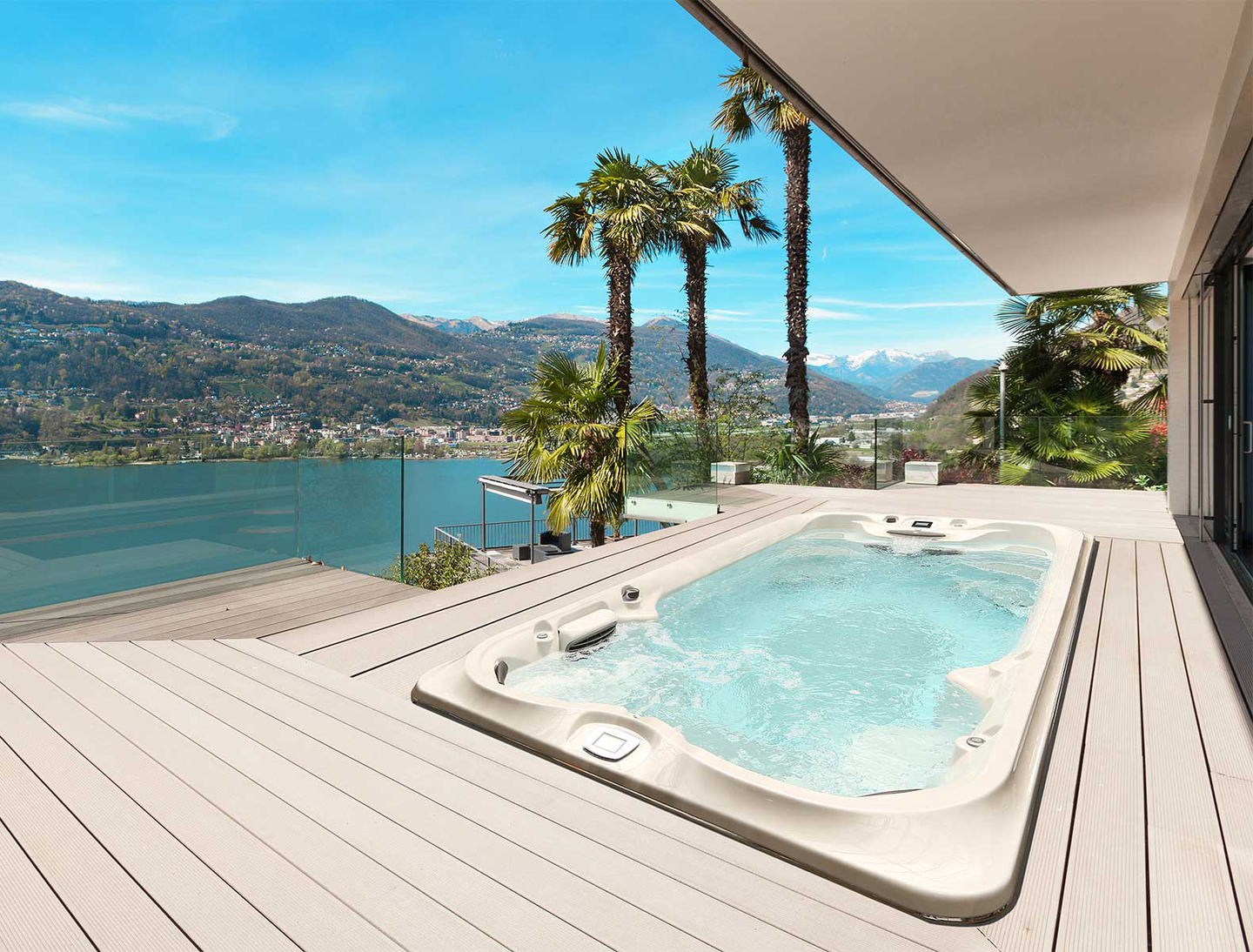
With superior performance and state-of-the-art features, a Jacuzzi swim spa is the perfect addition to your outdoor oasis, providing both fitness benefits and relaxation all year long.

Jacuzzi® Infrared Saunas are engineered with full spectrum (near, mid and far) front-facing IR heaters, along with Red Light therapy. Enjoy a comprehensive sauna experience in a single sauna session.