
Energy Efficient Hot Tubs: Save Money and Relax Sustainably
Key Takeaways
- Modern energy efficient hot tubs can cost as little as $1–$2 per day to operate in many U.S. climates, translating to roughly $25–$40 per month at average electricity rates.
- Jacuzzi hot tubs incorporate full foam insulation, high-density covers, and smart controls to minimize heat loss and lower your electric bill compared to basic, partially insulated spas.
- Choosing an energy efficient model upfront can save hundreds to thousands of dollars in energy costs over a typical 10–15 year ownership period.
- Features like variable-speed pumps, programmable filtration cycles, and LED lighting work together to reduce energy consumption without sacrificing hydrotherapy performance.
- Explore Jacuzzi’s energy efficient collections and request a quote or visit your local showroom to find the right spa for your budget and sustainability goals.
Why Energy Efficient Hot Tubs Matter in 2026
Rising electricity rates have made energy efficiency a priority for homeowners across North America. According to recent EIA data, the national average residential electricity rate hovers around $0.15–$0.18 per kWh—and in some states, rates climb even higher. For hot tub owners, this matters: a poorly insulated spa can easily add $50–$100 or more to monthly utility bills, turning a relaxing investment into an ongoing expense.
The good news is that modern energy efficient hot tubs operate at a fraction of that cost. Well-designed models often run in the $20–$40 per month range under similar conditions, depending on climate and usage patterns. This represents a meaningful difference—money that stays in your pocket while you enjoy the same restorative soak.
Jacuzzi has long been recognized as an innovator in hydrotherapy and energy performance, engineering spas that deliver powerful massage while keeping operating costs manageable. Whether you’re drawn to the wellness benefits or the environmental advantages of using less energy, understanding what makes a hot tub efficient helps you make a smarter, more sustainable choice. In the sections ahead, you’ll find practical guidance on what to look for, realistic savings estimates, and how to choose a Jacuzzi model that matches both your budget and your sustainability goals.
How Much Does an Energy Efficient Hot Tub Cost to Run?
Understanding your potential energy usage starts with a simple calculation: kilowatt-hours consumed per day multiplied by your local electricity rate. Several factors influence this number, including your climate, how often you soak, and the temperature you maintain.
Here’s what you can realistically expect:
- Energy efficient Jacuzzi (mid-size, 4–5 person, set to 102°F, used 4–5 times weekly): Approximately $25–$40 per month in moderate climates like North Carolina or Oregon.
- Basic or older spa (similar size, partial insulation): Often $50–$80+ per month in colder regions due to continual reheating and significant heat loss through the cabinet.
- Independent standards: Look for models that meet or exceed CEC (California Energy Commission) benchmarks—Jacuzzi designs many of their spas to satisfy these rigorous year-round efficiency standards.
The difference between these scenarios isn’t trivial. Over a year, you could save $300 or more simply by choosing an efficient hot tub from the start.
Before purchasing, ask your Jacuzzi dealer for an estimated monthly energy cost specific to your zip code and intended usage. This personalized estimate helps set realistic expectations and confirms that your investment aligns with your budget.
What Makes a Hot Tub Energy Efficient?
Not all hot tubs are built the same. The gap between efficient and inefficient models comes down to thoughtful engineering across several key components.
Full Foam Insulation
Advanced insulation is one of the biggest drivers of efficiency. Full foam insulation fills the entire cabinet and surrounds all plumbing, creating a thermal barrier that minimizes heat loss. This approach can reduce energy consumption by 30–40% compared to spas with partial or “perimeter-only” insulation designs.
High-Quality Covers
Your cover prevents heat from escaping—up to 70% of heat loss occurs through the water surface. A high-density cover with tapered construction and tight seals keeps water warm even in windy or cold conditions. Covers that fit properly and lock down securely make a measurable difference on your energy bills.
Efficient Heaters and Pumps
Energy efficient pumps—particularly variable-speed or low-amperage circulation pumps—deliver effective filtration without drawing unnecessary wattage. Some circulation pumps use less electricity than a standard light bulb. Paired with properly sized heaters, these components maintain consistent temperature while operating efficiently.
Smart Controls
Programmable filtration and heating cycles let you fine-tune run times, schedule off-peak operation, and avoid overheating water between soaking sessions. This level of control ensures the system works only when needed.
LED Lighting
LED lighting options consume up to 80% less electricity than traditional incandescent bulbs and last 5–10 times longer. Ambience doesn’t have to cost you extra on your electric bill.
Optimized Plumbing
Well-routed plumbing reduces friction and wasted pump energy, allowing water to flow smoothly through jets and filtration without forcing components to work harder than necessary.
Jacuzzi incorporates each of these elements across their spa lines, ensuring that every model is engineered to keep your water warm and comfortable with less electricity.
Jacuzzi Features That Reduce Energy Use
The focus here is concrete: specific Jacuzzi technologies and build quality that directly drive lower operating costs.
Full Foam Insulation in Every Cabinet
Jacuzzi hot tubs use full foam insulation that surrounds the shell, plumbing, and equipment compartment. This design traps heat from the water and captures warmth generated by motors and pumps, reducing how often the heater needs to run.
High-Density, Locking Covers
Jacuzzi covers feature vapor barriers that prevent waterlogging—a common problem that degrades insulation value over time. A well-maintained quality cover can reduce heating costs by 20–35% compared to worn or low-quality alternatives.
Programmable Controls
Modern Jacuzzi models offer user-set filtration windows, eco modes, and vacation modes. You can align heating and filtration with your personal schedule, eliminating unnecessary cycling when the spa isn’t in use.
Energy Efficient Circulation Pumps
Designed for continuous or scheduled low-wattage filtration, these pumps maintain clean water quality at a fraction of the power draw of older, single-speed models. The result: crystal-clear water without the energy penalty.
Immersion-Style Heaters
Jacuzzi heaters focus heat directly into the water rather than losing energy through long pipe runs or turbulent flow. This efficient heat transfer means your spa reaches and holds temperature more economically.
LED Interior and Exterior Lighting
Ambient lighting enhances your soak without draining your budget. Jacuzzi’s LED options draw minimal power and have lifespans far exceeding incandescent bulbs, reducing both energy use and replacement costs.
Explore specific Jacuzzi series—such as the J-300 and J4 collections—at your local dealer to see these efficiency features firsthand and compare to basic spas on the market.
How Energy Efficient Hot Tubs Save You Money Over Time
When evaluating a hot tub purchase, think beyond the sticker price. Total cost of ownership over 10–15 years often tells a different story than the initial investment suggests.
An energy efficient Jacuzzi hot tub may cost more upfront than an entry-level, minimally insulated spa. However, the monthly operating costs tell the real story:
- Monthly savings of $20 translates to $240 per year—or approximately $2,400 over a 10-year period.
- Monthly savings of $40 equals $480 annually, adding up to $4,800 or more over a decade.
- These energy savings can effectively offset much of the upgrade cost, making the efficient model the smarter financial choice.
Beyond electricity, durable components and high quality insulation help you avoid premature failures, leaks, and constant repairs. Cheaper models often carry hidden expenses that accumulate over time.
In colder climates—northern U.S. states, Canada, and Nordic countries—the gap between efficient hot tubs and inefficient ones grows even wider. For residents in these regions, energy efficiency isn’t just a preference; it’s a financial imperative.
In a moderate climate using an efficient model, you can expect to save about $20 per month, which adds up to $240 annually and $2,400 over 10 years. In a colder climate with an efficient model, the savings are even higher, starting at $40 or more per month, totaling at least $480 per year and $4,800 or more over a decade.
Ask your Jacuzzi dealer for a side-by-side estimated cost-of-ownership comparison between an energy efficient Jacuzzi model and a basic spa. Seeing the numbers in black and white helps you visualize the lifetime value of your investment.
Practical Tips to Maximize Your Hot Tub’s Energy Efficiency
Even an efficient Jacuzzi hot tub performs better when you follow smart usage and maintenance habits. A few simple practices can further reduce your monthly operating costs while extending the life of your spa.
Maintain a Consistent Temperature
Keeping your hot tub at a steady 100–102°F is more efficient than repeatedly heating from cold. Contrary to what many assume, maintaining temperature costs less than reheating large temperature swings—reheating can require 20–30% more energy.
Use Vacation and Eco Modes
When traveling for several days, lower the temperature by 3–5 degrees or activate vacation mode on your Jacuzzi control panel. This reduces energy use while still protecting the system from freezing.
Keep the Cover On
Always latch the cover when the spa isn’t in use. This simple habit prevents heat loss and evaporation, especially overnight and during windy or cold weather.
Replace Covers When Needed
Inspect your cover every 4–5 years. If it becomes heavy, cracked, or fails to seal properly, waterlogged foam has likely compromised its insulation value. A fresh cover restores efficiency immediately.

Clean Filters Regularly
Monthly rinsing and periodic deep cleaning keep water flowing efficiently. Clean filters reduce strain on pumps and save energy over time.
Schedule Off-Peak Filtration
If your utility offers time-of-use rates, program filtration cycles during off-peak electricity hours. Jacuzzi control panels make this scheduling straightforward.
Maintain Water Balance
Properly maintained water allows heaters and filtration components to operate efficiently. Good water quality also extends equipment life, preventing costly repairs down the road.
Choosing the Right Energy Efficient Jacuzzi Hot Tub for You
You don’t need to be a technical expert to find the right efficient hot tub. Jacuzzi dealers are trained to help match you with a model that fits your space, lifestyle, and efficiency goals.
Consider Your Household
How many people will regularly use the hot tub?
A couple may prefer a compact model, while families or those who entertain might benefit from a larger spa. Choosing the right size balances comfort with energy use.
Prioritize Key Features
Look for models offering:
- Full foam insulation throughout the cabinet
- High-quality, properly fitted covers
- Energy efficient circulation pumps
- Robust warranty coverage on shell, equipment, and structure
Ask About Operating Costs
Request an estimated monthly operating cost specific to your climate. For California buyers, ask whether the model meets or exceeds CEC energy standards.
Compare Series Options
Comparing options helps you find the right combination of performance and energy efficiency.
Take the Next Step
Schedule a wet test at a nearby authorized Jacuzzi dealer to experience the difference firsthand. Request a personalized energy cost estimate or start a quote online at jacuzzi.com. Your ideal energy efficient hot tub is waiting to be discovered.
FAQ
How does climate affect my Jacuzzi hot tub’s energy use?
Colder, windier climates increase heat loss from the water and cabinet, requiring the heater to run more frequently to maintain your set temperature. In regions with freezing winters—Minnesota, Ontario, or the northern Rockies—efficient insulation and a tight, high-density cover become critical for keeping costs reasonable.
In milder climates like coastal California or the southern U.K., the same Jacuzzi model will generally cost less per month because the temperature difference between the water and surrounding air is smaller. Discuss your local conditions with a Jacuzzi dealer, who can provide climate-specific operating cost estimates and winterization guidance if needed.
Can I retrofit my existing hot tub to make it more energy efficient?
While an older hot tub cannot be fully transformed into a modern energy efficient Jacuzzi, you can still improve performance. Practical upgrades include:
- Replacing your cover with a new high-density, well-sealed model
- Adding a floating thermal blanket to reduce heat loss from the water surface
- Checking compatibility for more efficient circulation pumps
For very old or poorly insulated spas, replacing the unit with a modern Jacuzzi hot tub is often the most cost-effective long-term solution—delivering both better efficiency and enhanced features.
Do energy efficient hot tubs heat up more slowly?
Heating speed is primarily determined by heater power (kW rating) and water volume, not insulation alone. Efficient insulation and covers mainly reduce how often the heater needs to run to maintain temperature—they don’t slow down the initial heating process.
Modern Jacuzzi models are designed to reach and hold typical soaking temperatures (100–104°F) reliably and comfortably. When filling from cold, allow several hours for the first heat-up depending on ambient temperature and model size, but ongoing temperature maintenance will be notably efficient.
Is salt water more energy efficient than traditional chlorine systems?
Salt water systems primarily reduce manual chemical handling and provide gentler-feeling water—but they don’t dramatically change electrical energy use on their own. Most energy savings still come from insulation, covers, pumps, and smart controls, regardless of sanitation method.
That said, consistent automated water care can indirectly support efficiency by keeping water clean and equipment running smoothly, avoiding unnecessary strain on pumps and heaters.
How long does an energy efficient Jacuzzi hot tub typically last?
With proper care, many quality hot tubs—including Jacuzzi models—provide 10–15+ years of service. Robust shells, well-protected plumbing, and durable components contribute to both longevity and stable performance over time.
Regular maintenance matters: water care, filter cleaning, cover replacement, and timely service all help preserve energy efficiency and overall lifespan. Review Jacuzzi warranty details and maintenance recommendations with your dealer to plan for long-term, efficient ownership.
Learn More With Our Hot Tub Buying Series
Unlock the secrets to the perfect hot tub with our exclusive email series. Get expert advice and tips right in your inbox. Subscribe now and take the first step towards finding your ideal hot tub.
Hot Tub Buying Series
Explore Categories


Explore Products


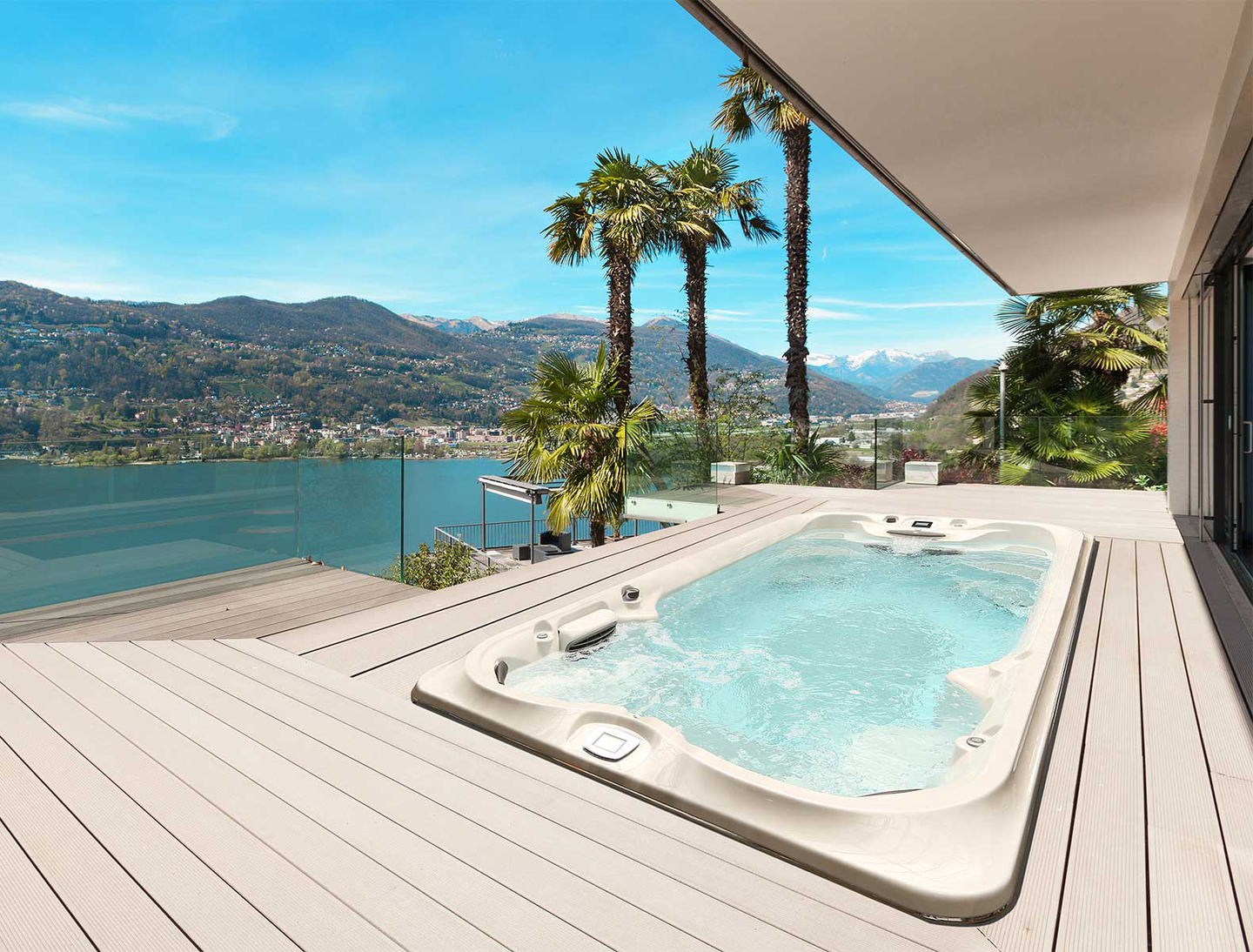
Swim Spa
The latest powerful swim current technology and the historic performance of Jacuzzi® PowerPro™ jets combine to deliver the perfect swim, year-round.
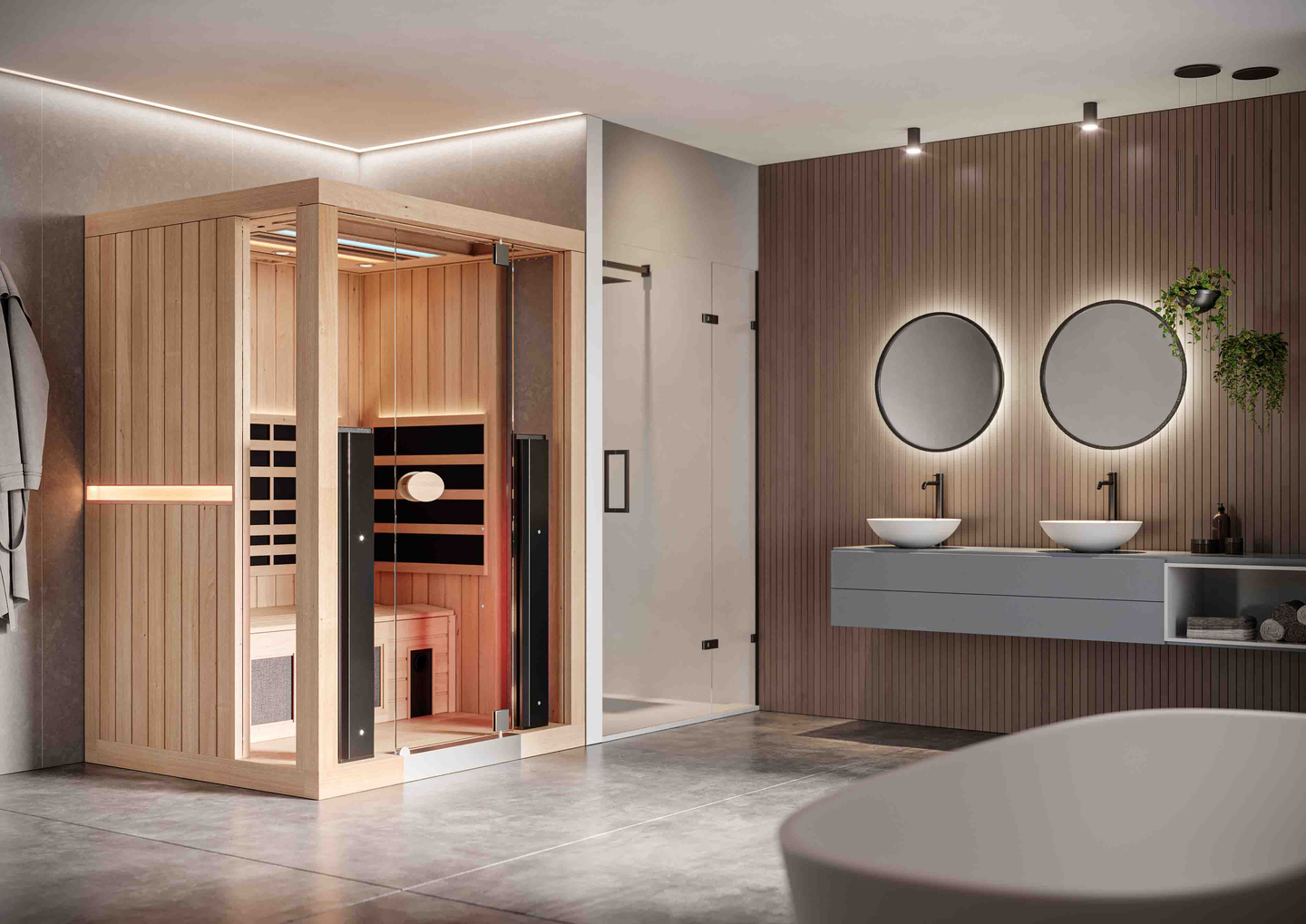
Sauna
Jacuzzi® Infrared Saunas are engineered with full spectrum (near, mid and far) front-facing IR heaters, along with Red Light therapy. Enjoy a comprehensive sauna experience in a single sauna session.