Visit your dealer below for purchase.
Your delivery zip code: 43215
Change

When you’re looking for a way to move your body with less pain, rebuild strength safely, and support long-term wellness, a swim spa for therapy can be a powerful solution. By combining warm water, buoyancy, resistance, and controlled movement, swim spas allow you to experience many of the proven benefits of hydrotherapy in the comfort of your own home or backyard.
Highly credible medical institutions such as the Cleveland Clinic and Mayo Clinic consistently highlight water-based therapy as an effective, low-impact option for people managing joint pain, recovering from injury, or seeking gentle conditioning.
When those clinical principles are applied through a well-designed, high-quality swim spa, hydrotherapy becomes not just accessible—but sustainable as part of your daily routine.
This guide explores how swim spas support therapeutic healing, what the science says about hydrotherapy, and why investing in a premium swim spa—such as Jacuzzi® swim spas—can help you get the most benefit over time.
Hydrotherapy refers to the use of water to relieve pain, improve mobility, and promote physical and mental well-being. According to both the Cleveland Clinic and Mayo Clinic, warm water therapy works through several key mechanisms:
When you enter warm water, your body becomes lighter—often bearing only a fraction of its normal weight. This means you can move more freely, stretch further, and exercise with significantly less stress on your joints than on land.
A swim spa enhances these effects by combining therapeutic water temperature with continuous water resistance, allowing for controlled, repeatable movement that supports rehabilitation and conditioning.
Unlike traditional hot tubs or pools, swim spas are uniquely suited for therapeutic use because they blend hydrotherapy with functional movement.
A swim spa creates a steady current that allows you to swim or walk in place. This means you can perform repetitive movements—such as walking, jogging, or swimming—without the jarring impact that often aggravates pain on land.
Medical sources like Mayo Clinic suggest water exercises for joint pain. Swim spas are designed to maintain consistent therapeutic temperatures, supporting relaxation and improved range of motion.
Unlike public pools or therapy centers, a home swim spa allows you to control water temperature, resistance level, session length, and privacy—important factors for consistent therapeutic progress.
While hydrotherapy is not a cure and should never replace medical advice, reputable medical institutions recognize its role in supporting a wide range of conditions. Using a Jacuzzi® swim spa on a regular basis can help you live well with chronic conditions and temporarily relieve your pain, replacing it with soothing comfort and relaxation.
The Cleveland Clinic notes that water-based exercise is especially helpful for people with arthritis because buoyancy reduces joint stress while allowing strengthening movements. In a swim spa, you can gently improve mobility in your knees, hips, shoulders, and spine without painful impact.
The World Health Organization (WHO) reported that in 2020, low back pain (LBP) affected 619 million people globally, and it is estimated that the number of cases will increase to 843 million cases by 2050, driven largely by population expansion and aging. Furthermore, the organization states that LBP is the single leading cause of disability worldwide and the condition for which the greatest number of people may benefit from rehabilitation. Warm water therapy and aquatic exercises are two such examples. Warm water supports the spine and allows for gentle stretching and core engagement. Walking or swimming against a mild current can help build stabilizing muscles that support the back.
Hydrotherapy is commonly used in rehabilitation settings because it allows movement earlier than land-based therapy in many cases. A swim spa can extend this concept into your home. However, it’s important to always follow guidance from your healthcare provider and check with them before starting any form of home rehabilitation or therapy, particularly after an injury or surgery.
The Mayo Clinic emphasizes that warm water therapy can temporarily promote muscle relaxation and stress reduction. Swim spas often combine swimming areas with ergonomic seating and targeted jets, allowing you to transition from active movement to passive recovery in one session.
One of the most valuable aspects of a swim spa is water resistance, which is fundamentally different from weights or machines.
This makes swim spas ideal for rebuilding strength gradually, improving balance, and maintaining cardiovascular health without overloading vulnerable joints.
While the benefits of hydrotherapy are well established, the quality of the swim spa itself plays a major role in how effective—and enjoyable—your experience will be.
A smooth, consistent current is essential for proper form for therapy and training. Poorly designed systems can create turbulence that disrupts movement and reduces therapeutic value. High-quality brands engineer swim currents to feel natural and stable.
A well-designed swim spa includes therapy seats that support proper posture and target major muscle groups. This allows you to recover after exercise or focus on passive hydrotherapy when needed. When seeking high-level hydromassage, jets are an important part of the seating. Jacuzzi® swim spas, for example, features recessed jets for ultimate comfort.
Medical guidance emphasizes the importance of consistent warm water. Premium swim spas maintain steady temperatures even during long sessions, supporting muscle relaxation and circulation.
Hydrotherapy works best when it’s consistent. Investing in a durable, well-built swim spa ensures you can maintain a regular therapy routine for years—not just months.
When you’re using a swim spa for therapy, design and engineering are not just luxuries—they directly impact outcomes.
High-quality brands such as Jacuzzi® swim spas are built around decades of hydrotherapy expertise. These systems are designed to:
While many swim spas on the market may look similar at first glance, premium brands tend to prioritize features that enhance therapeutic use.
You may wonder how a swim spa compares to a traditional swimming pool.
A swim spa provides warmth, resistance, and compact design in one system. And while hot tubs are ideal for therapy and healing as well, swim spas incorporate the best of all worlds—so you can move, strengthen, and recover—all in one.

Consistency is key when using hydrotherapy for wellness. A balanced routine might include:
Always consult your healthcare provider before beginning or changing an exercise routine, especially if you’re managing a medical condition.
Beyond physical healing, hydrotherapy also supports mental well-being. The Mayo Clinic suggests that warm water immersion can reduce stress and promote relaxation. When combined with rhythmic movement and controlled breathing, swim spa therapy can become a powerful mindfulness practice.
Regular sessions may help you:
While a premium swim spa represents a significant investment, the long-term value often lies in:
For individuals and families committed to wellness, recovery, and active living, a high-quality swim spa can become a cornerstone of a healthier lifestyle.
The Jacuzzi® brand features multiple swim spas within three distinct collections to suit your needs:
Jacuzzi® PowerPro® swim spa collection encourages you to swim like a pro with some of the most predictable and powerful swim currents in the world. The models in this collection are ideal for pro swimmers, athletes, and fitness enthusiasts.
The Jacuzzi® PowerActive® swim spa collection is perfect for those looking to achieve balance in their swim. These models give you the right mix of an amazing swim experience, combined with exceptional hydromassage.
The Jacuzzi® PowerPlay swim spa collection is defined by fun, play, and relaxation. This collection encourages families and those of all ages to connect and socialize together in the swim spa.
A: According to reputable medical sources like the Cleveland Clinic, water-based exercise can reduce joint stress while improving strength and mobility, making swim spas a supportive option for many people with joint discomfort.
A: Swim spas can complement professional physical therapy by allowing low-impact movement at home. Always follow guidance from your healthcare provider.
A: A swim spa allows active movement against resistance while in-place swimming, while a hot tub focuses on passive soaking. Both can be beneficial, but swim spas offer broader therapeutic potential.
A: High-quality brands prioritize smooth water flow, ergonomic design, and long-term reliability—all of which directly affect comfort, safety, and therapeutic effectiveness.
A swim spa for therapy brings clinically supported hydrotherapy principles into your daily life. By combining buoyancy, warmth, resistance, and controlled movement, swim spas offer a low-impact way to support healing, strength, and overall wellness.
When you choose a well-engineered system—such as a premium Jacuzzi® swim spa—you’re not just purchasing a product. You’re investing in a long-term therapeutic tool that can align with medical guidance from your healthcare provider, while supporting your body as it moves, recovers, and thrives.
Visit an authorized Jacuzzi® swim spa in your area to learn more about how a high-quality swim spa can help support your healing and overall well-being. You can even perform a wet test, meaning you can get into the swim spa you like while it is filled and operating, so you can get a better idea of how it feels and works.
Disclaimer: Jacuzzi® is a registered trademark of Jacuzzi Group. All rights reserved.
Medical Disclaimer: We are not medical professionals. This content is for informational purposes only and is not a substitute for medical advice, diagnosis, or treatment. Always consult your physician or a qualified healthcare provider with questions regarding any medical condition.
Unlock the secrets to the perfect hot tub with our exclusive email series. Get expert advice and tips right in your inbox. Subscribe now and take the first step towards finding your ideal hot tub.
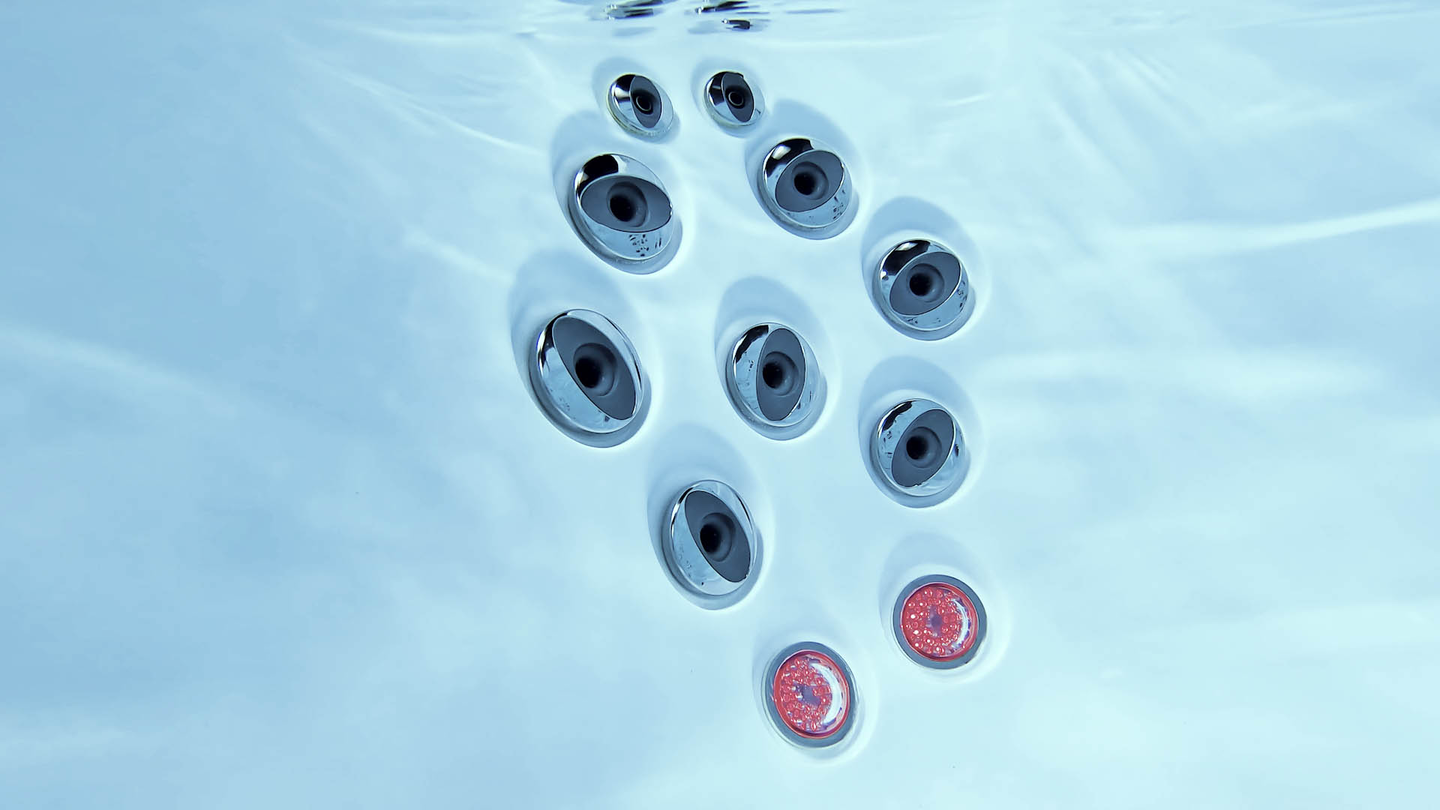
Experience unparalleled relaxation and wellness with Jacuzzi® Infrared Saunas, meticulously designed to deliver a comprehensive full-spectrum infrared therapy session. These state-of-the-art saunas combine near, mid, and far infrared wavelengths to penetrate deeply into tissues, promoting detoxification, improved circulation, and muscle relaxation. Enjoy the convenience of overhead LED reading lights and easy-to-use digital controls, making your sauna experience simpler and more enjoyable. Additionally, the durable construction, featuring robust metal thresholds and solid wood floors, ensures that these saunas can withstand frequent and intense usage. Enhance your well-being further with integrated high-intensity red light therapy, known for its skin rejuvenation and mood-boosting benefits.

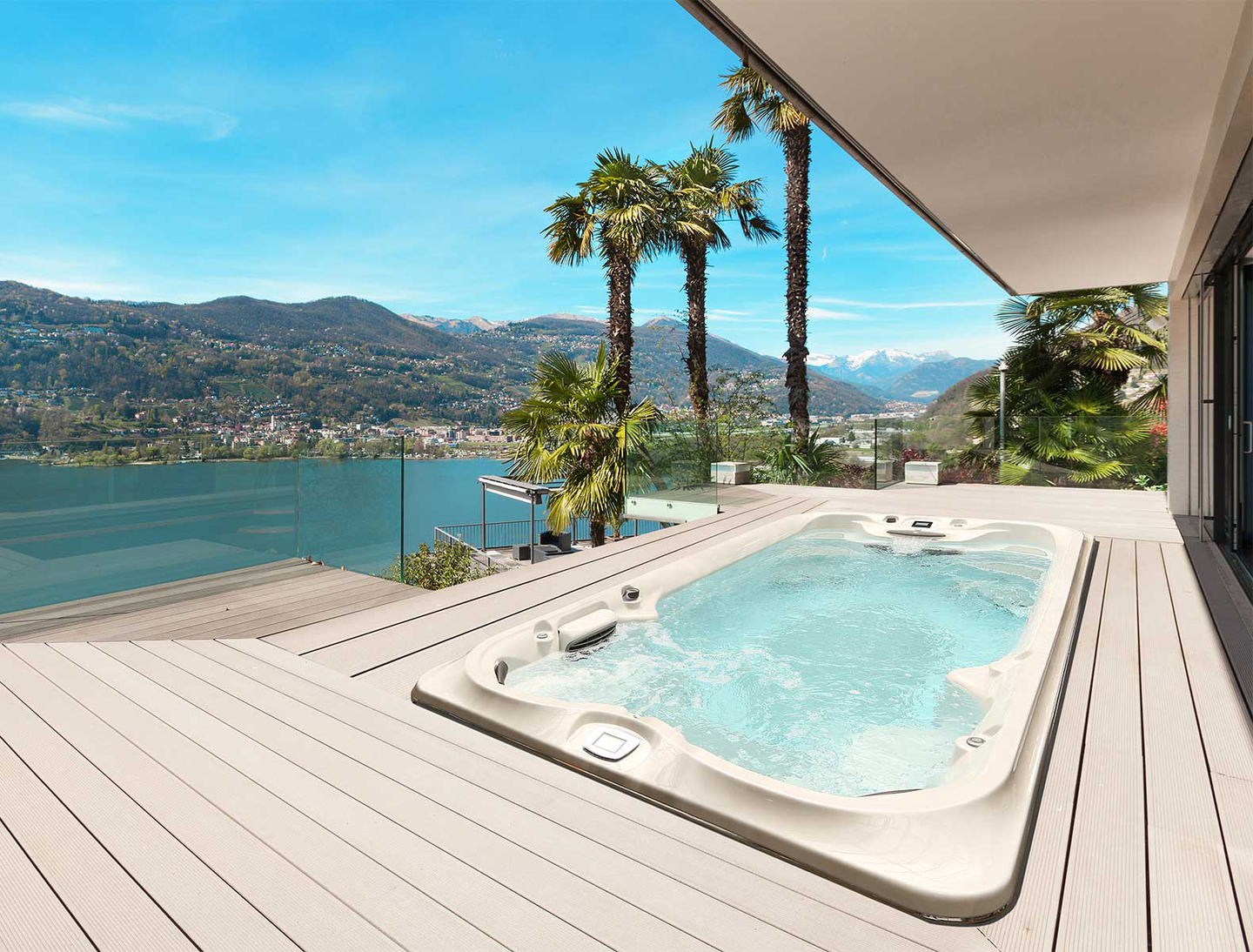
With superior performance and state-of-the-art features, a Jacuzzi swim spa is the perfect addition to your outdoor oasis, providing both fitness benefits and relaxation all year long.
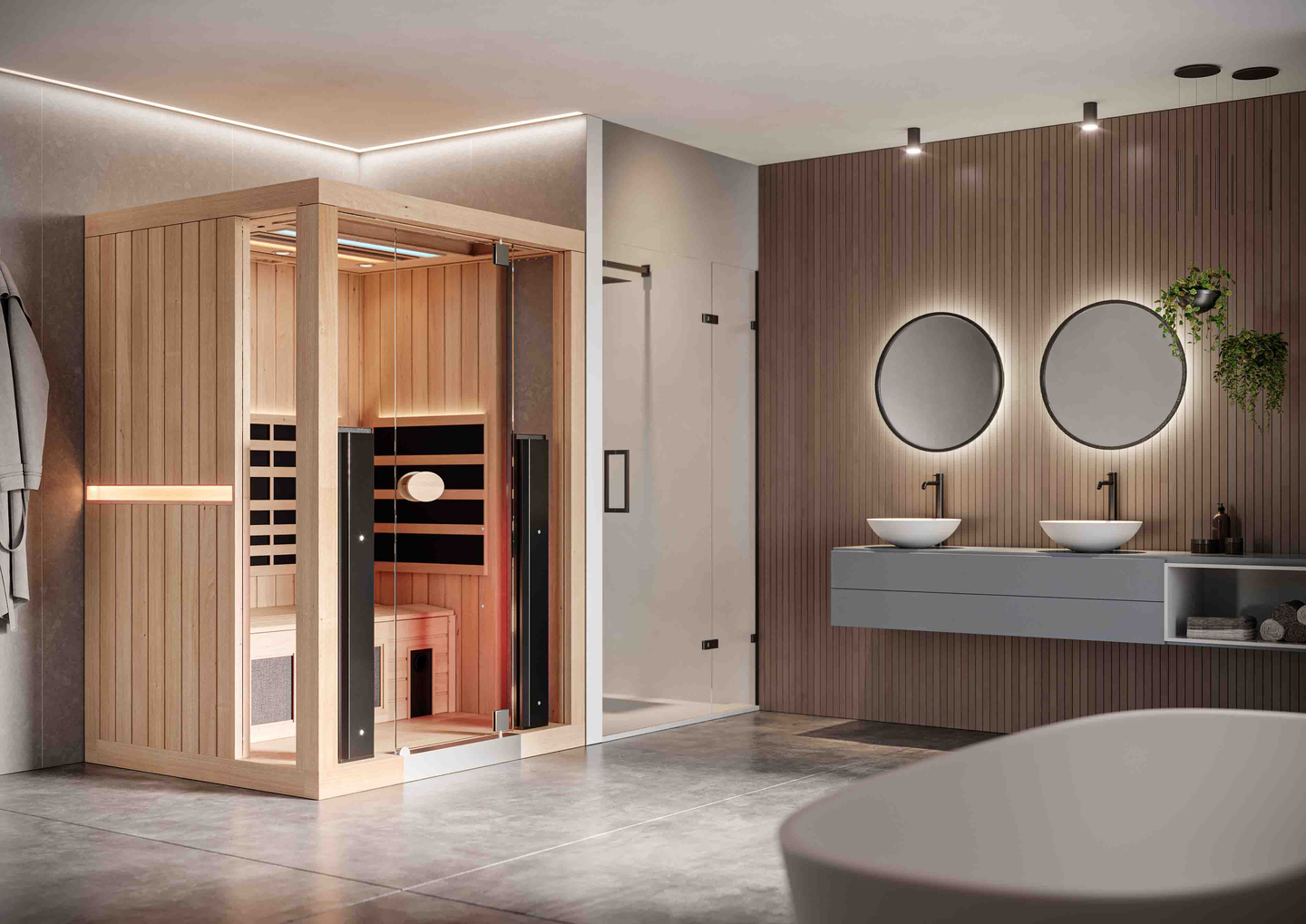
Jacuzzi® Infrared Saunas are engineered with full spectrum (near, mid and far) front-facing IR heaters, along with Red Light therapy. Enjoy a comprehensive sauna experience in a single sauna session.