


Understanding the 110v Hot Tub: 110v vs. 220v Hot Tub Comparison
6 Minute Read
Are you trying to decide between a 110v hot tub and a 220v hot tub? This guide is for anyone considering a hot tub and wondering whether a 110v or 220v model is right for their needs. Understanding the differences can help you make the best choice for your home, budget, and lifestyle. The choice between a 110v hot tub and a 220v hot tub matters because it affects installation, cost, performance, and even how well your hot tub works in cold climates. While size, jet configuration, seating options, water care, filtration, and features for ambiance such as lighting, sound systems, and waterfalls are all important, the voltage of your future hot tub is a key factor that can impact your overall experience.
Voltage standards differ between countries around the world. For example, the USA and other countries in North America typically use 110V-120V electrical systems, while many European countries have standardized on 220V-240V. These differences are rooted in historical decisions, and the existence of two major voltage standards worldwide traces back to the historical competition between Thomas Edison and Nikola Tesla. Understanding these global variations helps explain why hot tubs and other appliances are designed for specific voltage requirements.
This article will explain what 110v and 220v mean, the difference between them, what type of hookup either requires, and more. In addition, Larry Ovalle, Jacuzzi VP of Innovation and Technology, offers his expert insight and recommendation on which is better — 110v vs 220v hot tubs.
110V vs. 220V Hot Tub Comparison Table
Below is a summary table comparing 110V and 220V hot tubs on key factors to help you quickly see which option may be best for you:
110V Hot Tub
- Installation
- Easier to install
- Uses standard 3-prong outlet
- No electrician needed
- Heating Speed
- Slower heating (can take up to 24 hours or more to reach temperature)
- Jet Strength
- Weaker jets and pumps
- Cost
- More affordable upfront
- Lower installation costs
- Portability
- Lightweight and portable
- Easy to move or relocate
- Performance in Cold Climates
- May struggle to maintain temperature in cold weather
- Insulation and cover quality are important
- Energy Efficiency
- Lower operating costs
- Smaller heater (around 1 kilowatt)
220V Hot Tub
- Installation
- Requires professional installation
- Dedicated electrical line
- Heating Speed
- Heats water 2–5 degrees per hour
- Much faster
- Jet Strength
- Stronger jets and pumps for better hydrotherapy
- Cost
- Higher upfront and installation costs
- Portability
- Heavier and less portable
- Performance in Cold Climates
- Performs better in cold climates
- Maintains heat more efficiently
- Energy Efficiency
- Runs more efficiently with all features active
When comparing 110V and 220V hot tubs, it's important to understand how electricity and voltage differences affect performance and safety. To deliver the same power, a 110V system must use higher currents than a 220V system, which means 110V wiring must be thicker to safely handle the greater current. Different voltages (measured in volts) are used in household electricity around the world, and the voltage difference between 110V and 220V systems impacts how efficiently electricity flows and how much heat is generated in the wiring. Delivering the same power at a lower voltage requires higher current, which can increase heat loss and the need for heavier wiring.
What does a 110v or 220v mean?
Beginning with the basics, the “v” in a 110v or 220v hot tub refers to the voltage of the electrical line from the main electrical panel of a home. In North America, standard household outlets provide 110/120v, which is the same voltage used by many household electronics like TVs and laptops. High power appliances such as air conditioners, electric dryers, electric ranges, and water heaters require dedicated 220v outlets to handle their higher energy demands safely and efficiently. These outlets are specifically designed for high power appliances and are different from standard outlets found throughout the household. Resistance in electrical systems, including the resistance of the human body, affects how current flows and is an important safety consideration when dealing with different voltages.
What is a 110V hot tub?
A 110V hot tub is a model that uses a standard 3-prong outlet and typically has a smaller heater, usually around 1 kilowatt. 110V hot tubs are easier to install because they do not require special electrical work, but they have slower heating and weaker jets compared to 220V models. 110V hot tubs are also typically more affordable than 240V models.
Understanding the basics of voltage can help you pick out a hot tub with the appropriate setup for your needs. Now that you know what 110v and 220v mean, let’s look at what type of voltage a Jacuzzi® hot tub requires.
Which type of voltage does a Jacuzzi® hot tub require?
If you are considering a Jacuzzi® hot tub, you will typically need a dedicated electrical hookup that is 220v or 240v. We also suggest a 40, 50, or 60 amp breaker be installed in order to use all the pumps and heaters at the same time. A breaker refers to a circuit breaker, which is an electrical safety device that serves to automatically stop the flow of power. This helps protect your hot tub (or any equipment connected to it) as well as your house from fire risk in the case of a short circuit or overcurrent. The number associated with the amp refers to the maximum amperage, which translates to Watts that can be transferred to the equipment on the circuit. It’s also important to understand that any given circuit breaker is designed to handle approximately 80 percent of its overall amperage.
Now that you know the voltage requirements, let's compare the benefits and drawbacks of each option.
Which is the best option — 110v vs 220v?
A 220v/240v hot tub is the ideal option if you want to use all the features of your hot tub at the same time. This setup will allow you to have the best hydrotherapy experience without having to worry about tripping your circuit breaker. 220V hot tubs often feature more jets and advanced amenities, such as powerful pumps and waterfalls, enhancing the overall spa experience. A 110v hot tub typically uses weaker heaters and pumps, so the hydrotherapy experience will not be as good as if you were in a 220v hot tub. However, these systems tend to be easier to install without requiring any updates to your home’s electrical system, so you will want to weigh the pros and cons.
While 110v hot tubs may consume less power and are more affordable, a 220v/240v system is very efficient without adding a significant amount to your electric bill. Plus, you get the added benefit of enjoying all the hydrotherapy features of your hot tub at one time. The larger heater and pump system in a 240V hot tub allows it to maintain temperature without overworking, even when all features are in use. When you’re looking for a 220v hot tub, you’ll want to look for these five features every quality hot tub should have.
Next, let’s look at what’s involved in installing each type of hot tub, and explore a more comprehensive guide to installing a hot tub.
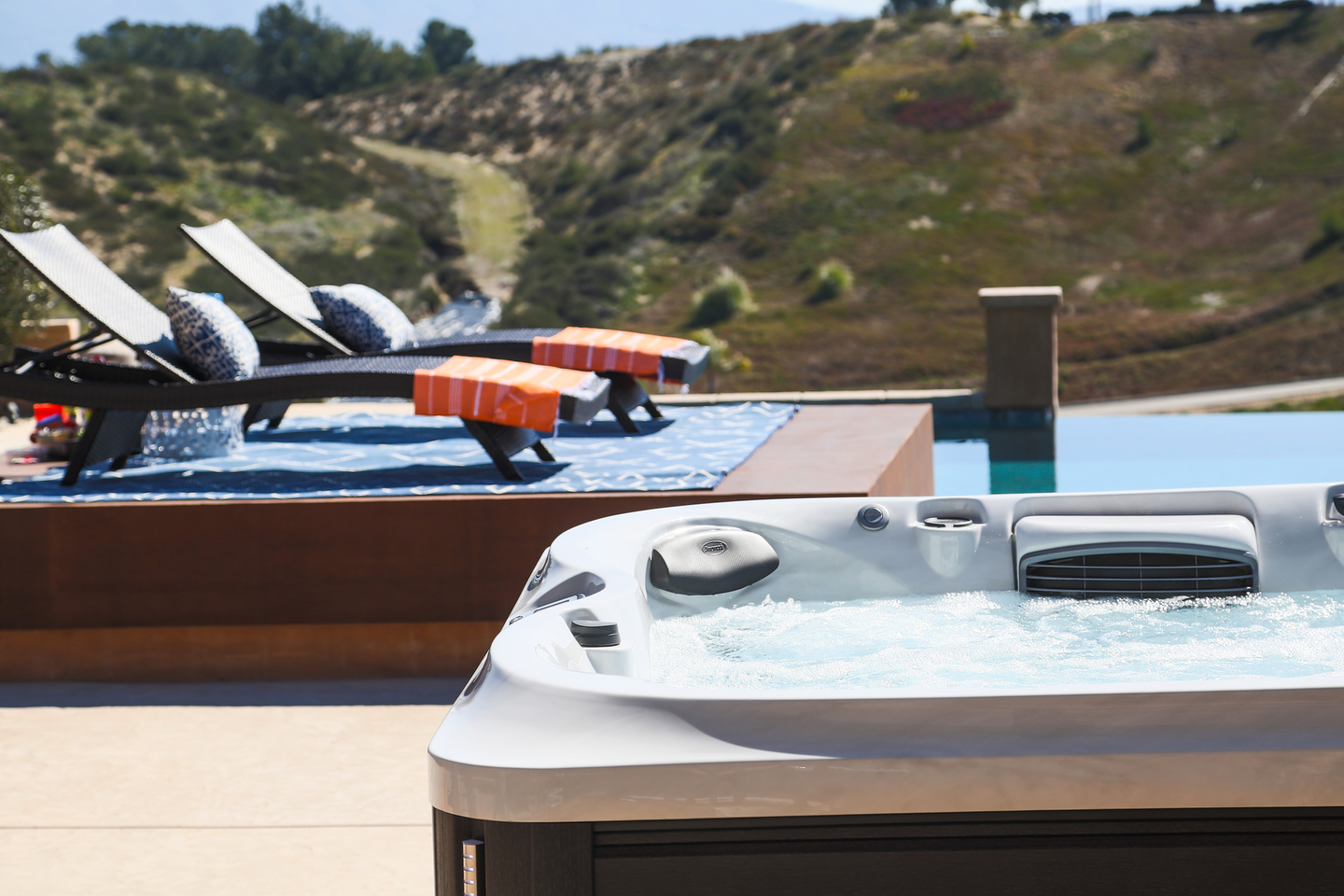
Do 110v or 220v hot tubs require professional installation or hookup?
Plug and Play Hot Tubs
A 110/120v hot tub does not require the assistance of an electrician if there is an outdoor wall outlet available to plug the spa in. The installation of a 110V hot tub typically involves placing the tub, filling it with water, and plugging it into a standard outlet. 110V hot tubs require a standard 3-prong outlet and a dedicated 15-20 amp circuit. They can be installed without hiring an electrician or installing a special power line, making them a true plug-and-play experience.
Installation Requirements
However, if an outlet is needed or the one available isn’t sufficient to handle the voltage, the help of an electrician may be required, regardless of the amperage of the hot tub you choose. An electrician is necessary for the hookup of all 220/240v systems, and Jacuzzi offers detailed resources on the installation process for Jacuzzi hot tubs and swim spas. It’s important to note the experts at Jacuzzi always recommend the expertise of an electrician in case you have any questions, concerns, or issues. This is where the term “plug and play” hot tub comes from. These types of hot tubs are meant to be able to simply “plug in” and enjoy them soon after installation.
Heating Time Comparison
In short, a 220/240v hot tub model with a 50 or 60 amp breaker electrical is the recommended choice so that all the pumps and heaters can run uninterrupted. Even a 220v/240v hot tub with a 40 amp breaker cannot run the jet pumps and the heater at the same time. So, for example, if you live in a cold climate or are using your hot tub in the winter and the jet pumps are on, the heater may be unable to turn on so your water will cool down. On the other hand, 110v/120v hot tub models are weaker in hydrotherapy and take much longer to heat up. For example, when a hot tub is filled with water from a hose, the water is typically cold. A 220/240v model will heat the water up two to five degrees per hour while a 110v/120v system could take up to 24 hours or more to heat the water to your desired temperature, depending on the size of your hot tub.
One of the benefits of a “plug and play” hot tub is the electrical hookup is the only requirement. Most plug and play hot tubs are entirely self-contained. They are not powered by natural gas, only electric. Another plus is that plug and play portable hot tubs are equipped with their plumbing system. No additional plumbing is needed, making installation of your new hot tub hassle-free.
Once you’ve decided on the appropriate voltage you want for your hot tub, there are many other factors to consider, including researching which hot tubs are rated the best for overall quality and satisfaction. Here are some additional hot tub features that can enhance your hydrotherapy experience:
- Multiple specialty jet configurations designed for full-body hydromassage
- Smart technology that allows you to control and monitor your hot tub, even when you’re away from home
- Multicolor LED lights for ambiance and safety, including underwater lighting options
- Softly filtered LED lighting that is easy on the eyes
- Seating options that suit your needs including lounge seats, therapy seats, loveseats, and “cool down” seats
- Ease of entry to comfortably get in and out of the hot tub
Master Spas offers a line of 110V hot tubs under the Getaway Series, which includes several models designed for different needs. The Getaway Bar Harbor SE is a budget-friendly hot tub with room for up to five adults, featuring 25 jets and a cascading waterfall. The Getaway Ocho Rios SE is a four-person hot tub with an open seating arrangement, 17 jets, and the ability to convert to a 220V/50-amp spa. The Getaway San Miguel is a three-person hot tub with 16 massage jets, an easy-to-use touch panel, and convertible 110V to 220V operation. All Getaway Series hot tubs feature full foam insulation to help retain heat and improve energy efficiency. User reviews for the Getaway Series highlight satisfaction with their performance and features.
Insulation and cover quality can make a big difference in the performance of 110V hot tubs in cold weather. A high-quality, well-fitting hot tub cover can protect a hot tub from heat loss even in colder weather, especially if you are choosing a model specifically designed as one of the best hot tubs for cold climates. Nordic is also a reputable, affordable option for traditional hot tubs.
If you are looking for a Jacuzzi® store or an authorized Jacuzzi® dealer near you, find the most convenient location for you.
Energy Efficiency and Heat Loss
When envisioning the perfect wellness sanctuary for your home or business, smart energy design should elevate your experience—not complicate it. Higher voltage spas, such as 220V or 240V models, deliver effortless performance that feels as refined as it is responsible. These systems create the same powerful, therapeutic warmth using intelligent engineering that works seamlessly behind the scenes—because true luxury means never having to think about the mechanics of comfort. Picture this: a 220V spa that reaches your ideal temperature with elegant efficiency, transforming daily restoration into an experience that feels both indulgent and mindfully sustainable, similar to the thoughtfully engineered options highlighted among the best hot tubs recommended for a relaxing soak.
Today's premium wellness experiences embrace full foam insulation—a foundation of comfort that works tirelessly to preserve the warmth that restores you, especially when the world outside grows cold. This thoughtful engineering ensures that every degree of therapeutic heat stays exactly where it belongs, allowing your spa to care for itself while you focus on what truly matters—your moments of renewal. As you explore your wellness investment, seek out designs that celebrate both intelligent performance and effortless sustainability, creating a space where relaxation flows as naturally as breathing. Choosing energy-conscious luxury doesn't just honor your lifestyle—it reflects values that make your daily restoration feel even more meaningful and deeply satisfying.
Cold Weather Performance
When winter transforms your world into a crisp, cold landscape, your wellness sanctuary shouldn't skip a beat. Higher voltage hot tubs deliver the power to create your perfect restoration ritual, maintaining that soothing, therapeutic warmth that melts away the chill—and the day's tensions. This means your daily escape remains effortlessly available, offering the deep comfort your body craves, no matter how harsh the elements become outside.
Seek out spas designed with thoughtful insulation and robust heating systems—features that work quietly behind the scenes to preserve your serene experience and deliver reliable performance when you need it most. The finest models include protective systems that safeguard your investment during extreme cold, ensuring your wellness space remains ready whenever you are. To nurture this restorative ritual through winter, gentle care—like monitoring water warmth and maintaining proper insulation—becomes part of the experience. With purposeful design supporting you, your spa will provide consistent comfort and restoration, season after season.
Dual Voltage Appliances and Hot Tubs
Dual voltage wellness systems, including thoughtfully designed hot tubs, deliver effortless adaptability for those who value both convenience and elevated relaxation. A dual voltage hot tub flows seamlessly between 110V and 220V power sources—whether you choose the simplicity of a standard outlet or embrace the enhanced wellness experience of a dedicated 220V circuit. This effortless versatility becomes invaluable when life calls you to new spaces or when you're ready to deepen your daily restoration ritual.
Picture this: begin your wellness journey by simply plugging into any standard outlet, then effortlessly transition to a 220V circuit to unlock faster, more enveloping warmth and deeper, more restorative hydrotherapy. When choosing your dual voltage wellness sanctuary, seek models with expertly engineered voltage systems that ensure your relaxation remains uninterrupted and utterly dependable. This thoughtful adaptability means your moments of restoration can follow you wherever you choose to create your personal haven of calm.
Hot Tub Maintenance
Preserving your wellness sanctuary requires thoughtful care rituals that not only extend the life of your therapeutic retreat but also ensure every moment delivers the restorative comfort you deserve. Essential care practices include cleaning and maintaining your hot tub, nurturing balanced water chemistry in your spa, and ensuring your spa's vital systems remain in perfect condition to deliver effortless relaxation.
Experience peace of mind knowing your wellness haven operates flawlessly within optimal parameters, with every connection secure and pristine. Regularly caring for your spa's surfaces and maintaining ideal water levels creates the foundation for consistent, rejuvenating experiences that restore both body and mind. By embracing thoughtful maintenance practices and addressing any needs with care, your wellness investment will continue delivering exceptional comfort and restorative moments for years of elevated living.
Safety Precautions
Wellness begins with a foundation of expertise and trust. When creating your personal sanctuary, partner with a licensed electrician who understands both local building codes and the sophisticated electrical systems that power your wellness experience. This expert foundation ensures your spa operates with the reliability and safety that true restoration demands—because effortless relaxation starts with confidence in every detail.
Your wellness sanctuary deserves the same thoughtful care you bring to your daily routine. Keep the space around your spa clear and inviting, creating an environment where you can step into comfort without hesitation. When children and loved ones share in your restorative experience, gentle supervision ensures everyone can enjoy the soothing benefits safely. Respect nature's power by avoiding use during thunderstorms, and honor your body's needs by maintaining water temperatures that invite relaxation, not stress. These mindful practices transform your space into more than just a backyard feature—they create a dedicated wellness haven where you can truly let go of the day and reconnect with what matters most.
Disclaimer: All information, including pricing and product details, was accurate at the time of writing and may change without notice.
Medical disclaimer: This information is not intended to prescribe a particular diagnosis or course of action. We are not medical professionals. Please contact your GP or other medical professional for advice if you have any concerns about your current health or well-being.

About The Author: Ashley Field
Director of Training, Jacuzzi Group
Ashley Field has been with Jacuzzi Group since 2016, previously having worked for Discover Financial Services and Taco Bell. When she was initially contacted about an opportunity with Jacuzzi Group, she loved the idea of building... Read Full Bio
Explore Categories


Explore Products
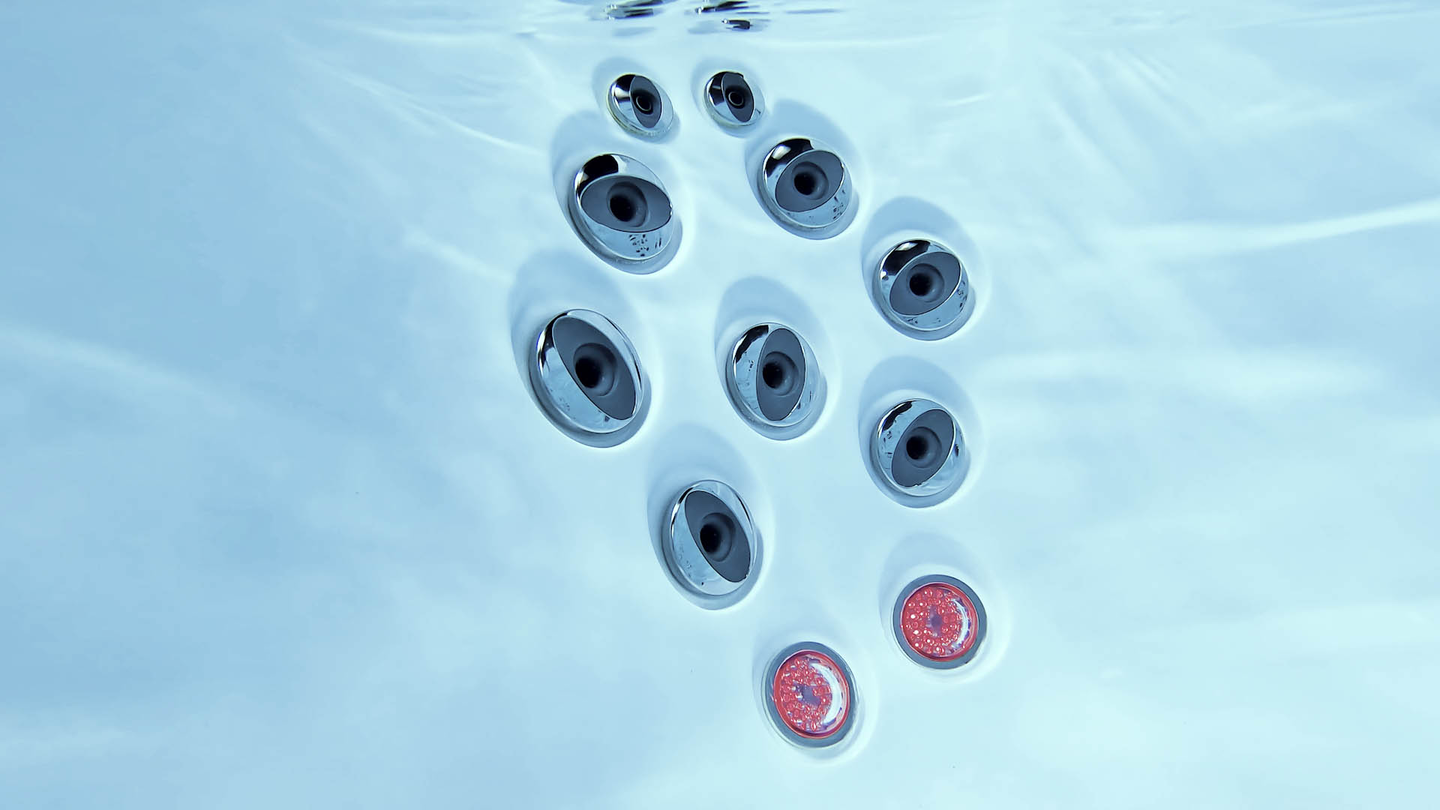

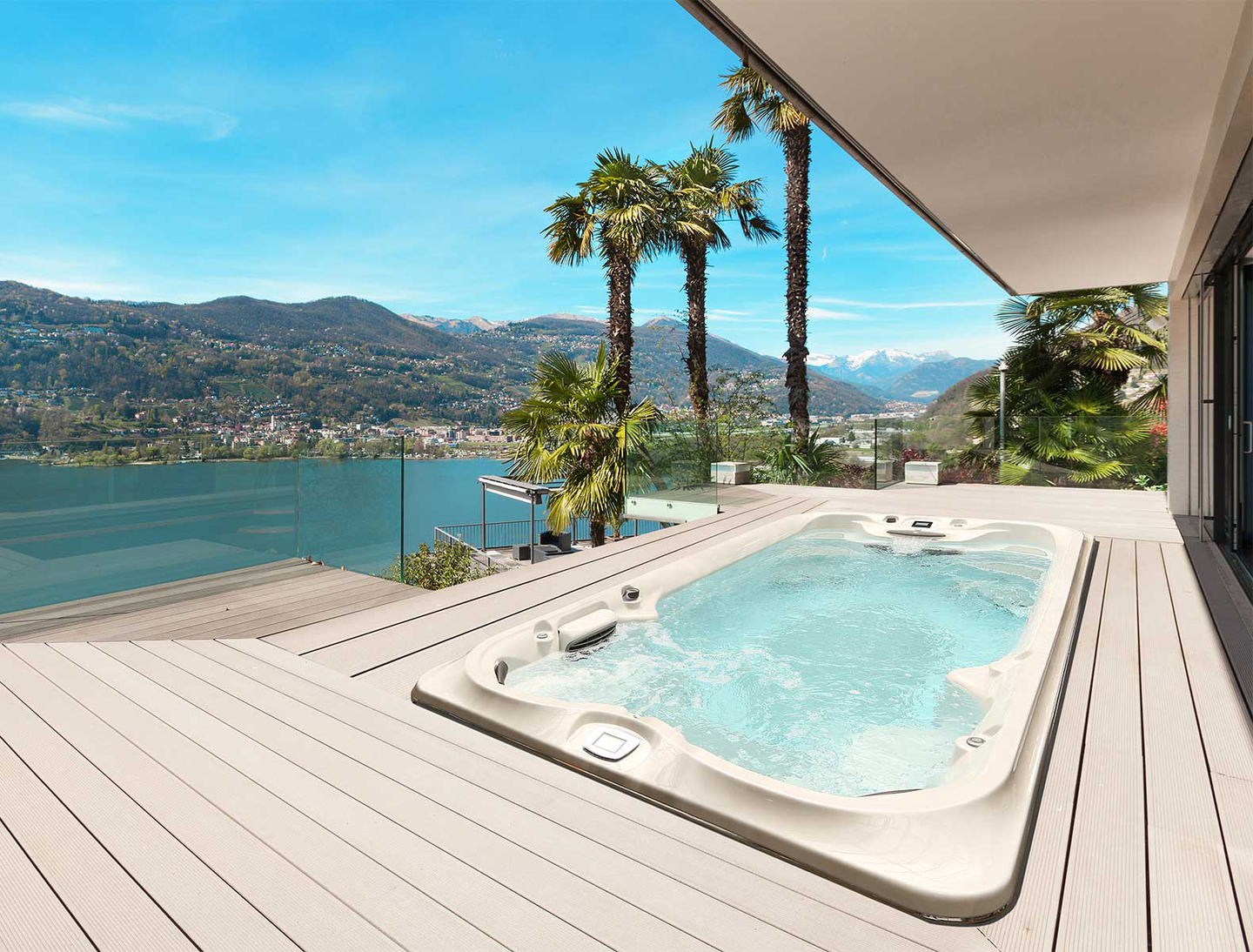
Swim Spa
The latest powerful swim current technology and the historic performance of Jacuzzi® PowerPro™ jets combine to deliver the perfect swim, year-round.
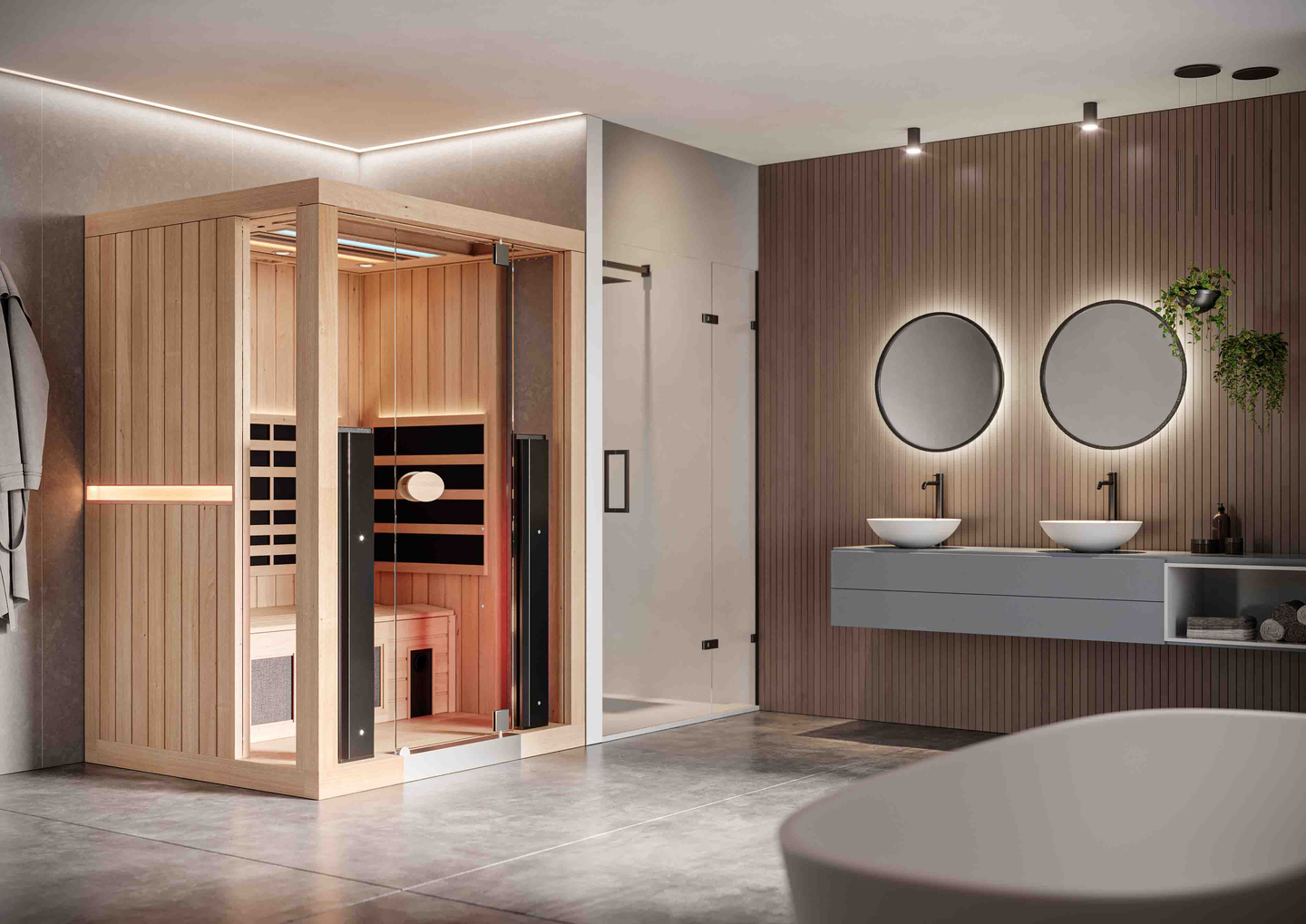
Sauna
Jacuzzi® Infrared Saunas are engineered with full spectrum (near, mid and far) front-facing IR heaters, along with Red Light therapy. Enjoy a comprehensive sauna experience in a single sauna session.