

Should I buy a used hot tub? What used hot tub problems should I look for?
7 Minute Read
This guide is for anyone considering buying a used hot tub. If you're thinking about purchasing a used hot tub, this article will help you decide if it's the right choice and what issues to watch out for. It covers the pros and cons, common problems, and tips for buying used hot tubs. Buying used can save money but comes with risks that you need to understand. By the end, you'll know what to look for and how to avoid costly mistakes.
What Are Some Potential Problems Used Hot Tubs Can Have
Inspecting a used hot tub requires checking for both visible damage and hidden mechanical issues. When buying a used hot tub, prioritize checking for structural integrity, functional mechanics, and maintenance history. Used hot tubs can have hidden issues that are not visible or easily detected until it’s too late. When purchasing one from an individual, it’s difficult to determine how much the hot tub was used or if it had previous issues that the seller is not disclosing or may not even be aware of. When purchasing from an individual and without an inspection, you may not know whether the hot tub has damage to its parts and if all the functions are working properly.
Many people look for used hot tubs on platforms like Craigslist or from a friend, but these sources require extra caution. If the seller cannot show the hot tub filled with water and running, this is a significant red flag.
Some potential problems include:
- Overall wear and tear from use and exposure to the elements over time.
- The hot tub shell can have cracks, scratches, warping, or leaks. Shell damage can be difficult and costly to repair.
- Damage to the cabinet, which houses and protects the hot tub’s interior components, or to the framework. Inspect the frame, especially if it’s wood, for signs of rot, warping, or bending.
- Non-functioning control panel, which allows you to monitor and adjust things such as the thermostat, lights, jets, and other features.
- Leaking or damp access panel. Check for pooling water under the spa or damp spots in the insulation foam to detect leaks. A slow leak may cause the water level to drop more than 2 inches per week.
- Non-functioning or ill-performing equipment such as pumps, filters, and water care systems. Make sure jet pressure, circulation pumps, and other functions are working properly. Listen for odd sounds like grinding from the pump, which can indicate a failing motor. Pumps can be expensive to replace.
- Worn out or discontinued parts and equipment. Consider the age of the hot tub, as older models may have more wear and tear and harder-to-find parts. Older hot tubs may be more difficult to find replacement parts for, which can complicate repairs.
- Inspect the hot tub filters for condition and ensure they are easy to replace if necessary.
- Inspect the hot tub cover for waterlogging or damage, as this can affect insulation and running costs. A heavy, waterlogged cover is expensive to replace and suggests poor maintenance.
- A malfunctioning heater can be a several-hundred-dollar replacement.
- Ask the seller about the hot tub’s maintenance history to gauge its condition and potential future needs.
- During testing, verify that the water can reach at least 104 degrees Fahrenheit.
Now that you know what issues to look for in a used hot tub, let’s compare the pros and cons of buying used versus new.
Should I Buy a Used Hot Tub Versus a New Hot Tub?
You may be thinking about purchasing a used hot tub versus a new hot tub for the sake of your budget. The appeal of a lower initial buy-in is understandable and valid. For deal-seekers, older or demo models are often available at a deep discount or sale, making them an attractive option. It can also be helpful to explore local hot tub promotions and buying guides. However, you might be surprised to learn that a new entry-level hot tub might not cost you much more than a used hot tub.
And with a new hot tub, you won’t have any of the “unknowns” that sometimes come with an older hot tub. Plus, today’s new high-quality hot tub models are designed to be energy efficient and virtually hassle-free, making new hot tub ownership less costly over time when it comes to running and maintenance costs.
If you purchase a new hot tub from a reputable dealer, you can likely take advantage of financing options that make ownership budget-friendly and solid warranties that make maintenance and repairs stress-free. These aspects alone can provide you with the peace of mind that you might not be able to achieve with the purchase of a used hot tub.
Another pro of purchasing a new hot tub is that you will have a wide range of choices. When shopping for used hot tubs, you are limited to simply what is available in your area. Today’s premium hot tub models have an extensive array of standard features as well as upgrades to enhance your hot tub experience even further.
Older used hot tubs may not be equipped with the array of features, powerful jets, high-quality water care systems, and filtration systems that make hot tub operation and maintenance so enjoyable and easy. Regardless, a new hot tub, even an entry-level model, will likely have an initially higher price tag than an older used hot tub.
However, many previously owned hot tubs still have tremendous life left in them and can provide the same amazing hydrotherapeutic experience as many costlier new models, making them a smart investment for those looking to maximize value. The “pros” tend to outweigh the “cons.” Plus, you can look forward to many years of use with a brand-new hot tub. On the other hand, a used hot tub may already be close to the end of its lifespan, regardless of whether it has any specific damage.
When considering costs, the starting price for a used hot tub from a dealer is typically around £2,000, but you should be prepared to pay for potential repairs or upgrades. Additionally, older hot tubs or cheaper brands may have higher energy costs due to less efficient insulation and features, so it’s important to factor in ongoing expenses when you invest in a previously owned hot tub.
Hot tubs generally have a service life of 10 to 20 years, and the age of a used hot tub does not necessarily indicate poor quality—maintenance and brand reputation and quality features are more critical factors than age alone.
Now that we’ve compared new and used hot tubs, let’s look at some specific issues you might encounter with used models.
Where to Buy a Used Hot Tub
Rather than taking the risk of purchasing a used hot tub with an unknown history from an individual, it is highly advised to purchase a certified pre-owned hot tub from a reputable business with an experienced team. This approach helps customers make confident decisions, knowing they are supported by experts throughout the process. Pre-owned hot tubs in this market have typically been fully tested and inspected.
Many dealers have rigorous inspection criteria and water test phases that used hot tubs must go through and pass before they sell them. In fact, many dealers perform a comprehensive 75-point inspection and refurbishing process to ensure each hot tub is restored to good working condition before certifying it for resale. Purchasing from a dealer can also provide customers with delivery, setup, and ongoing assistance, which are not typically available from private sellers. Some may even offer a short warranty, as well as service and repair plans to help customers manage maintenance costs over time. Additionally, dealers may offer trade-in options or help customers consider trade-offs when upgrading or exchanging their current hot tub, and can walk you through the essential features of a quality hot tub so you know exactly what you’re getting.
Tips for Buying a Used Hot Tub
Inspect Before You Buy
- Inspect the shell for cracks and test jets and pumps while filled with water.
- Ask to see the hot tub filled and running to check for leaks or concerning noises.
- Check for signs of rodents inside the cabinet, such as chewed wires or nests.
- Examine the circuit board for dark, burnt spots indicating overheating.
- Confirm the heater works and the control panel functions without error codes.
- Inspect the frame and side panels for rot, warping, or bending.
- Check the hot tub cover for waterlogging or damage.
Request Service Records
- Ask for service history or cleaning logs to assess a hot tub's maintenance.
- Request to see the hot tub’s previous service records. This can help you determine if the hot tub has recurring problems or major issues that could end up costing you in the long run.
Plan for Professional Installation
- Plan for installation. Unless you are a professional, it is highly recommended not to attempt to move a hot tub by yourself, whether new or used. Professionals can transfer and install the hot tub, and the cost to move a used hot tub with a professional mover can range from $500 to $1,000. This eliminates the risk of your damaging the hot tub or injuring yourself.
- Carefully consider the location for your hot tub, making sure the space is suitable and easily accessible for both delivery and future use. Measure the hot tub and account for a foundation when taking into account where you will have your hot tub placed. Before purchasing, check if you have a 220v GFCI electrical setup, as this is required for most used hot tubs.
Consider Warranty and Support
- Buying from a private seller typically means the hot tub is sold as-is, without any warranty or guarantee.
- Buying from a dealer is recommended as they will have inspected and serviced the hot tub before resale.
- Find out if there is an existing warranty and whether it is transferable.
- Purchase a high-quality hot tub cover. A good hot tub cover can save you time, hassle, and money. It can protect your hot tub from the elements, keep the water free of debris, and also help maintain water temperature.
- Once your new-to-you hot tub is placed in your home, clean it thoroughly and replace the filters.
Maintenance and Upkeep of a Used Spa
Choosing a pre owned spa opens the door to transformative wellness without the premium price—a smart step toward creating your personal sanctuary of restoration. Your investment deserves protection through thoughtful care that honors both your wellness journey and your spa's potential to deliver years of restorative comfort. Proper maintenance isn't just upkeep—it's the foundation that ensures every soak remains a moment of pure renewal in your personal retreat.
Water care forms the heart of your spa's wellness capability, protecting both your investment and your daily restoration ritual. Crystal-clear, perfectly balanced water doesn't just look inviting—it creates the foundation for effortless relaxation while safeguarding the sophisticated systems that power your wellness experience. Make checking pH levels, sanitizing, and refreshing filters a natural part of your routine, because well-maintained filtration means uninterrupted moments of therapeutic bliss that practically care for themselves.
Your spa's heater represents the soul of every warming embrace your wellness retreat provides—and deserves your attention as one of the most significant components of your relaxation sanctuary. Regular inspection reveals potential concerns before they interrupt your restoration routine, ensuring that warmth remains available whenever you need to melt away life's pressures. When investing in a pre owned spa, consider the heater's condition as part of your wellness investment, because uninterrupted comfort requires reliable systems working seamlessly behind the scenes.
A thoughtfully chosen cover becomes your spa's guardian, preserving the therapeutic warmth that makes every experience feel effortlessly luxurious while protecting your wellness sanctuary from the elements. This essential component works quietly to reduce energy costs and maintain the pristine environment your body craves for restoration. Inspect your cover regularly for wear that could compromise its protective embrace, and replace it when needed—because investing in proper protection means investing in uninterrupted wellness that's ready whenever you need it most.
Maintenance investment for pre owned spas varies with age and condition, typically ranging from $500 to $1,000 annually for routine care that preserves your wellness sanctuary. This investment in water care essentials, fresh filtration, and preventive attention protects against larger disruptions to your restoration routine. Major repairs—heater replacement or addressing structural concerns—require additional planning, making a dedicated wellness budget a wise approach to protecting your daily renewal ritual without unexpected interruption.
Embracing spa ownership means discovering the practices that keep your wellness retreat performing at its peak, ready to deliver transformative comfort whenever you need restoration most. Connect with experienced dealers, explore trusted resources, and learn from fellow wellness enthusiasts who understand the value of therapeutic relaxation. Reviewing a comprehensive guide to installing a hot tub can also help you understand site preparation, foundations, and electrical needs. Whether you choose professional service or embrace hands-on care yourself, staying proactive ensures your spa remains a reliable source of renewal that enhances every aspect of your well-being.
Investing in consistent maintenance transforms your pre owned spa into a lasting wellness sanctuary that delivers profound restoration year after year. With thoughtful attention and purposeful care, your spa becomes more than an amenity—it becomes an essential element of your lifestyle, offering therapeutic comfort and renewal that makes every day feel more balanced, restored, and deeply satisfying.
Common Mistakes to Avoid When Shopping for a Hot Tub
Don't Fixate on Price
Avoid getting fixated on price. Yes, price matters. When shopping for a hot tub, used or new, you can easily get preoccupied with the idea of a lower price tag. However, an initial low-cost hot tub can potentially cost you more in the long run in running costs as well as maintenance and repair fees. When you budget for a hot tub, consider the energy efficiency and high-technology systems of new, premium spas, which can keep your operating costs and maintenance costs down.
Remember Maintenance Costs
Don’t forget routine maintenance costs. There is some regular maintenance that any hot tub will require to keep it running in tip-top shape and to keep the water clean* and chemically balanced. Build these costs into your budget as you are planning your hot tub purchase.
Do Your Research
Do your due diligence. Whether you are purchasing a new hot tub or a used spa, education is key. Do some research, visit reputable spa dealers in your area, ask questions, and do a wet test on hot tubs you like. Exploring which hot tubs are rated the best is one of the things that can help ensure you choose the hot tub that is right for you and your family.
Insulation Matters
Don’t underestimate high-quality insulation. Ultimately, high-quality insulation will save you time and help conserve energy. High-quality insulation will help maintain the water temperature for longer while keeping your operating costs lower throughout the lifespan of your hot tub. Always ask about the insulation of the hot tubs you are interested in as well as how it will impact operating costs.
Ask About Support and Warranties
Ask about customer support and warranties. A reputable hot tub brand and dealer should become a partner in your hot tub ownership. You’ll want to make sure the purchase of your hot tub comes with after-purchase support as well as solid warranties.
Finally, the answer to the question, “Should I buy a used hot tub?” should ultimately come from you. After reading this article, you should now be fully equipped with the knowledge and tips to help you find the best hot tub for you, whether you decide on a used hot tub or a brand-new model.
Affiliations: Jacuzzi® is a registered trademark of Jacuzzi Group. All rights reserved.
Disclaimer: All information, including pricing and product details, was accurate at the time of writing and may change without notice.
Medical disclaimer: This information is not intended to prescribe a particular diagnosis or course of action. We are not medical professionals. Please contact your GP or other medical professional for advice if you have any concerns about your current health or well-being.
*Clean, as it relates to Jacuzzi® water care, is defined as the removal of microscopic (down to 3 micron level, varies by model) debris from the water. The Jacuzzi® CLEARRAY® Active Oxygen® System utilizes various technologies to achieve cleanliness. One of them is ozone, which aids in the grouping of smaller debris to form larger clusters that can be more easily captured in the filtration process.

About The Author: Erica Moir
Vice President of Designs and Advanced Technologies, Jacuzzi Group
Erica Moir has been with Jacuzzi Group for more than 22 years, working in both the Spa and Bath business... Read Full Bio
Explore Categories


Explore Products

Swim Spa
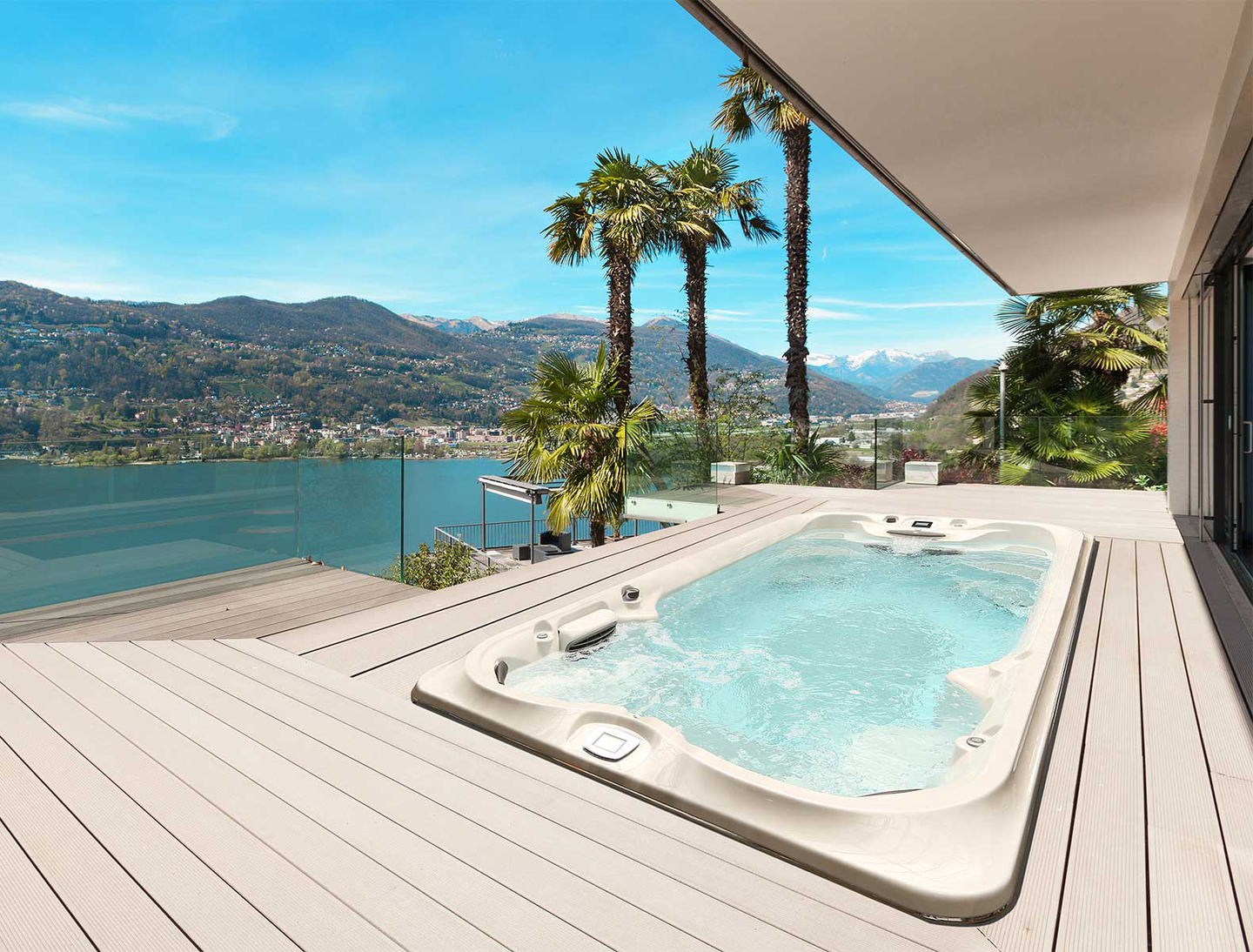
The latest powerful swim current technology and the historic performance of Jacuzzi® PowerPro™ jets combine to deliver the perfect swim, year-round.
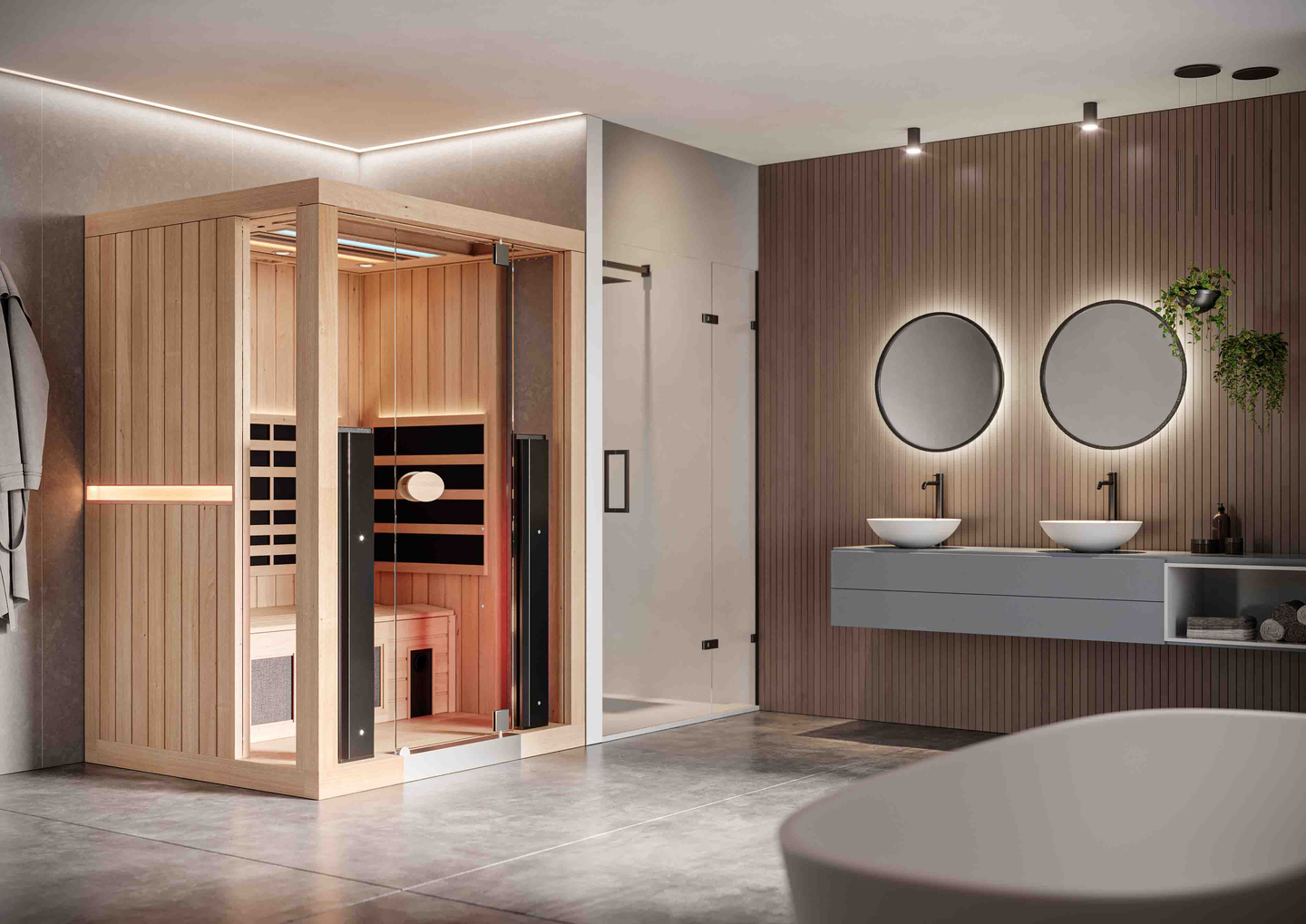
Sauna
Jacuzzi® Infrared Saunas are engineered with full spectrum (near, mid and far) front-facing IR heaters, along with Red Light therapy. Enjoy a comprehensive sauna experience in a single sauna session.