

Swim spa health benefits: Fitness & recovery
12 Minute Read
If you’re looking for a way to stay active, recover faster, and protect your joints while still challenging your body, a swim spa can be an exceptional wellness solution. By combining the science of hydrotherapy with purposeful movement, swim spas allow you to train smarter—not harder—while supporting long-term health.
Reputable medical institutions such as the Cleveland Clinic and the Mayo Clinic consistently emphasize the benefits of water-based exercise for fitness, joint health, pain management, and recovery. When these principles are applied through a thoughtfully engineered swim spa, they create a versatile environment that supports everything from low-impact cardio to post-workout recovery.
This article explores the full range of swim spa health benefits, including how an exercise swim spa supports fitness, how swim spa therapy temporarily helps with arthritis and joint pain, and why advanced features—such as Infrared and Red Light therapy in select Jacuzzi® swim spas—are especially valuable for athletes and active individuals.
What is a swim spa, and how does it support wellness?
A swim spa is a compact aquatic system that blends the benefits of a swimming pool and a hot tub into one unit. Unlike a traditional pool, a swim spa uses a controlled water current that allows you to swim or exercise in place. Unlike a standard hot tub, it provides enough space and resistance for active movement and cardiovascular training.
Because swim spas maintain warm, consistent water temperatures and offer adjustable resistance, they are uniquely suited for:
- Fitness training
- Injury-conscious exercise
- Recovery and muscle relaxation
- Long-term joint health
This makes swim spas ideal for people who want a single wellness system that supports both performance and recovery.
The science behind swim spa benefits
Medical experts agree that water-based exercise offers distinct advantages over land-based workouts.
According to the Cleveland Clinic and Mayo Clinic, aquatic exercise works because of four core properties of water:
- Buoyancy, which reduces stress on joints
- Resistance, which builds strength safely
- Hydrostatic pressure, which may help circulation and temporarily reduce swelling
- Warmth, which promotes muscle relaxation and flexibility
A swim spa combines all four elements into a controlled, repeatable environment—allowing you to exercise more consistently with less risk of injuries.
Swim spa for fitness: A full-body workout without impact
If your goal is staying fit while protecting your body, a swim spa for fitness offers one of the most balanced training environments available.
Cardiovascular conditioning
Swimming or walking against a swim spa current elevates your heart rate without pounding your joints. This makes it an excellent option for improving endurance, supporting heart health, and maintaining stamina at any age.
Strength and resistance training
Water naturally resists movement in every direction. This means even simple motions—such as arm sweeps or leg kicks—engage stabilizing muscles. Resistance increases as you move faster, allowing your workout to self-adjust to your effort level.
Balance and core engagement
Because water challenges your stability, swim spa exercise activates core muscles continuously. This can improve balance, coordination, and overall functional strength—benefits that carry over into daily life.
Exercise swim spa benefits for athletes
Athletes and fitness enthusiasts often turn to swim spas because they support high-quality training with reduced injury risk.
In a swim spa, you can:
- Perform interval swim training
- Cross-train without stressing joints
- Maintain conditioning during injury recovery
- Warm up and cool down in the same session
Unlike traditional pools, swim spas allow you to control current strength precisely, making them ideal for everything from gentle recovery swims to demanding endurance sessions.
Swim spa therapy and recovery
Recovery is just as important as training, and this is where swim spa therapy truly shines.
Muscle relaxation
Warm water encourages muscles to relax after intense workouts. The Mayo Clinic notes that warm water immersion can help reduce muscle tension and improve circulation—key components of effective recovery.
Reduced delayed onset muscle soreness
Gentle movement in warm water can help flush metabolic waste from muscles, potentially easing soreness after exercise.
Active recovery
Instead of resting completely, you can use a swim spa for light movement on recovery days. This keeps blood flowing without placing additional strain on your body.
Swim spa hydrotherapy for arthritis and joint health
A swim spa for temporary arthritis relief is one of the most commonly recommended aquatic solutions by medical professionals.
The Cleveland Clinic highlights water-based exercise as particularly beneficial for people with arthritis because:
- Buoyancy reduces joint compression
- Movement strengthens muscles that support joints
- Warm water can ease stiffness and discomfort
In a swim spa, you can walk, stretch, and strengthen joints in a controlled environment that encourages consistent, pain-aware movement.
How hydrotherapy enhances long-term wellness
Swim spa hydrotherapy is not just about physical health—it supports mental and emotional well-being as well.
Regular hydrotherapy sessions may temporarily help you:
- Reduce stress and tension
- Improve sleep quality
- Develop a more mindful approach to movement
- Build confidence in your body’s abilities
By combining movement with relaxation, swim spas help you create a sustainable wellness routine that adapts as your needs change over time.
The importance of high-quality swim spa engineering
Not all swim spas are created equal. When you’re investing in a system for fitness and recovery, quality directly affects results.
Key elements of a high-quality swim spa include:
- Smooth, consistent swim currents
- Ergonomic seating and exercise space
- Reliable temperature control
- Durable construction for frequent use
Premium brands focus on long-term performance, which is essential if you plan to use your swim spa regularly.
Jacuzzi® swim spa exclusive features for fitness and recovery
When it comes to combining fitness, recovery, and innovation, Jacuzzi® swim spas stand out for their exclusive wellness technologies.
Infrared and Red Light therapy
One of the most notable advancements in select Jacuzzi® swim spas is Infrared and Red Light therapy. These technologies are designed to support recovery by:
- Promoting muscle relaxation
- Supporting circulation
- Enhancing post-workout recovery
- Complementing hydrotherapy for overall wellness
For athletes and active individuals, this combination allows you to move seamlessly from training to recovery—within the same system.
Engineered swim currents
Jacuzzi® swim spas are designed to deliver balanced, adjustable currents that feel natural and stable. This allows for precise control over workout intensity, whether you’re focused on endurance, technique, or gentle rehabilitation. Jacuzzi® swim spas’ synchronized swim jets allow you to control the water’s spinning motion while accelerating the speed of the current without using air, creating a smooth, low-turbulent current. The SteadySwim® Buoyancy Jet, available on select models, adds just the right amount of lift under your body, keeping you perfectly elevated during your swim.
Powerful pumps
These pumps push a high volume of water through oversized plumbing to deliver the maximum amount of water evenly to both swim jets, for a wide and powerful swim lane.
Intuitive speed settings
These can be adjusted to your pace, from a warm-up to an intense swim. It’s completely customized control at your fingertips.
Aquatic WaveBreaker™ Design
This specialty design includes two unique contours that work with the suctions at the back of the swim spa to reduce reflective waves. So you can easily stay in your swim lane as you perform turn-free laps.
Integrated recovery seating
After your workout, ergonomic seating with targeted hydrotherapy jets allows you to focus on recovery—making it easier to maintain consistency in your routine.
Jacuzzi® swim spas models with distinct collections are available to ensure you select the swim spa that best suits your needs.
The Jacuzzi® PowerPro® swim spa collection allows you to swim like a pro with one of the most predictable and powerful swim currents in the world, right at your fingertips.
The Jacuzzi® PowerActive® swim spa collection is ideal if balance is what you are seeking. The models in this collection give you the right mix of an amazing swim experience, plus an exceptional hydromassage.
The Jacuzzi® PowerPlay® swim spa collection encourages families and loved ones to step away from screen time and into the swim spa, where fun, play, and relaxation all come together.

Explore Swim Spas
Swim spa vs. traditional fitness options
Compared to land-based gyms
- No impact on joints
- Reduced risk of overuse injuries
- Resistance without weights
Compared to pools
- Year-round usability
- Warmer, therapeutic water
- Compact footprint
Compared to hot tubs
- Active movement and cardio capability
- Functional fitness benefits
- Broader wellness applications
A swim spa combines the strengths of all three into one versatile wellness system.
Creating a balanced swim spa fitness routine
A well-rounded swim spa routine might include:
- Warm-up: Gentle walking or light swimming
- Workout: Resistance swimming or interval training
- Strength: Targeted movements using water resistance
- Recovery: Infrared and Red Light therapy, on select models, combined with hydrotherapy seating
As always, consult a healthcare professional before starting or modifying an exercise routine, especially if you have existing medical conditions.
Long-term value for active lifestyles
While a premium swim spa is an investment, the long-term value often includes:
- Consistent access to low-impact exercise
- Improved recovery and injury prevention
- Reduced dependence on outside facilities
- A personalized wellness environment at home
For fitness-focused households, swim spas become more than equipment—they become part of daily life.
FAQs – Swim spa health benefits
Q: What are the main swim spa benefits for fitness?
A: Swim spas support cardiovascular health, strength, balance, and flexibility through low-impact resistance exercise.
Q: Is a swim spa good for arthritis?
A: Medical experts, including the Cleveland Clinic, recognize water-based exercise as beneficial for joint health due to reduced impact and supportive buoyancy.
Q: How does swim spa hydrotherapy help recovery?
A: Warm water, resistance, and hydrotherapy features promote muscle relaxation, circulation, and active recovery.
Q: Why are Jacuzzi® swim spas ideal for athletes?
A: Jacuzzi® swim spas combine engineered swim currents with Infrared and Red Light therapy, supporting both high-quality training and effective recovery.
The health benefits of a swim spa extend far beyond simple exercise. By blending low-impact fitness, therapeutic movement, and advanced recovery features, swim spas support a balanced approach to wellness that evolves with you.
When you choose a thoughtfully engineered system—such as a Jacuzzi® swim spa with Infrared and Red Light therapy—you’re investing in a versatile tool that supports fitness, recovery, joint health, and long-term vitality, all while aligning with medically supported principles of aquatic exercise and hydrotherapy.
Disclaimer: Jacuzzi® is a registered trademark of Jacuzzi Group. All rights reserved.
Medical Disclaimer: We are not medical professionals. This content is for informational purposes only and is not a substitute for medical advice, diagnosis, or treatment. Always consult your physician or a qualified healthcare provider with questions regarding any medical condition.
Learn More With Our Hot Tub Buying Series
Unlock the secrets to the perfect hot tub with our exclusive email series. Get expert advice and tips right in your inbox. Subscribe now and take the first step towards finding your ideal hot tub.
Hot Tub Buying Series
Explore Categories


Explore Products
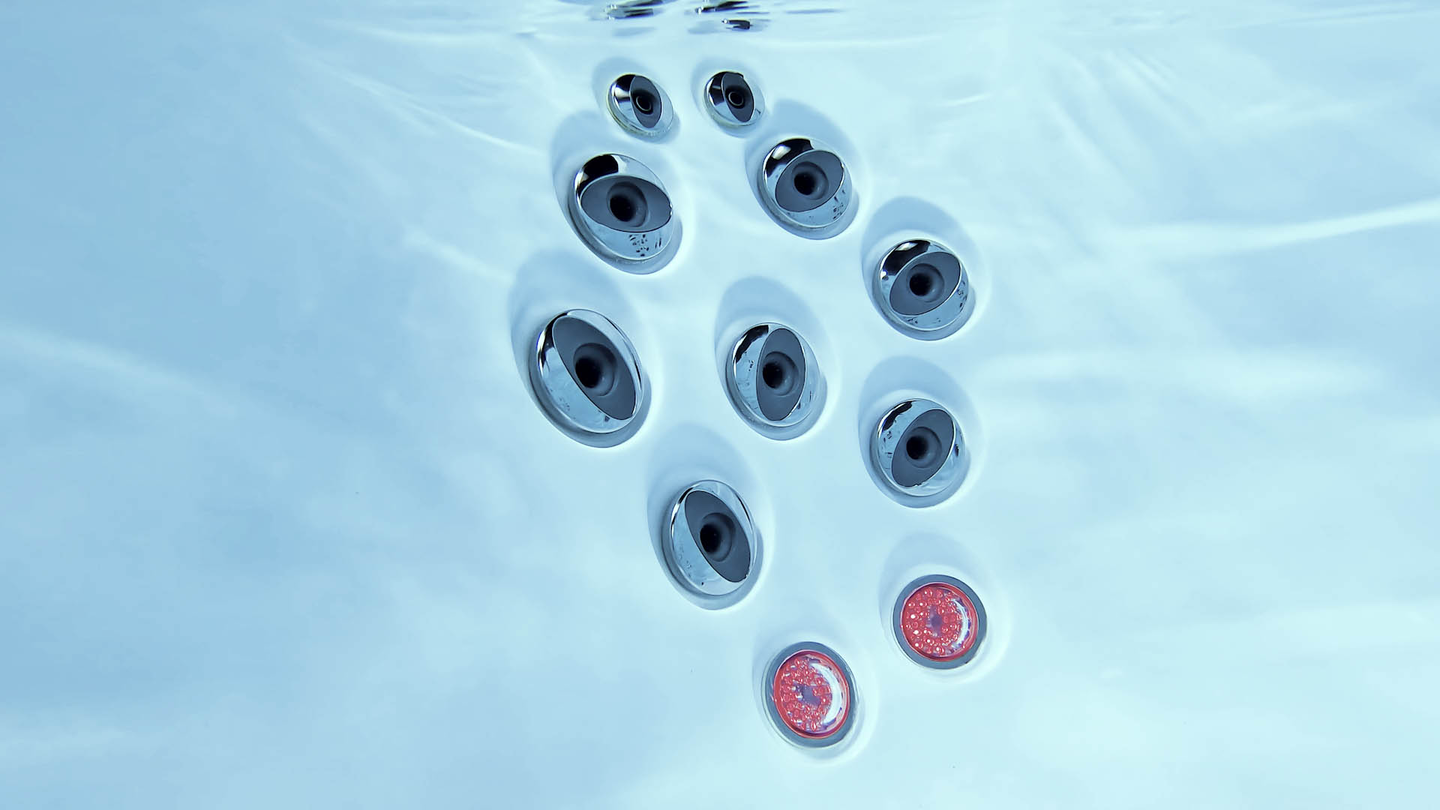

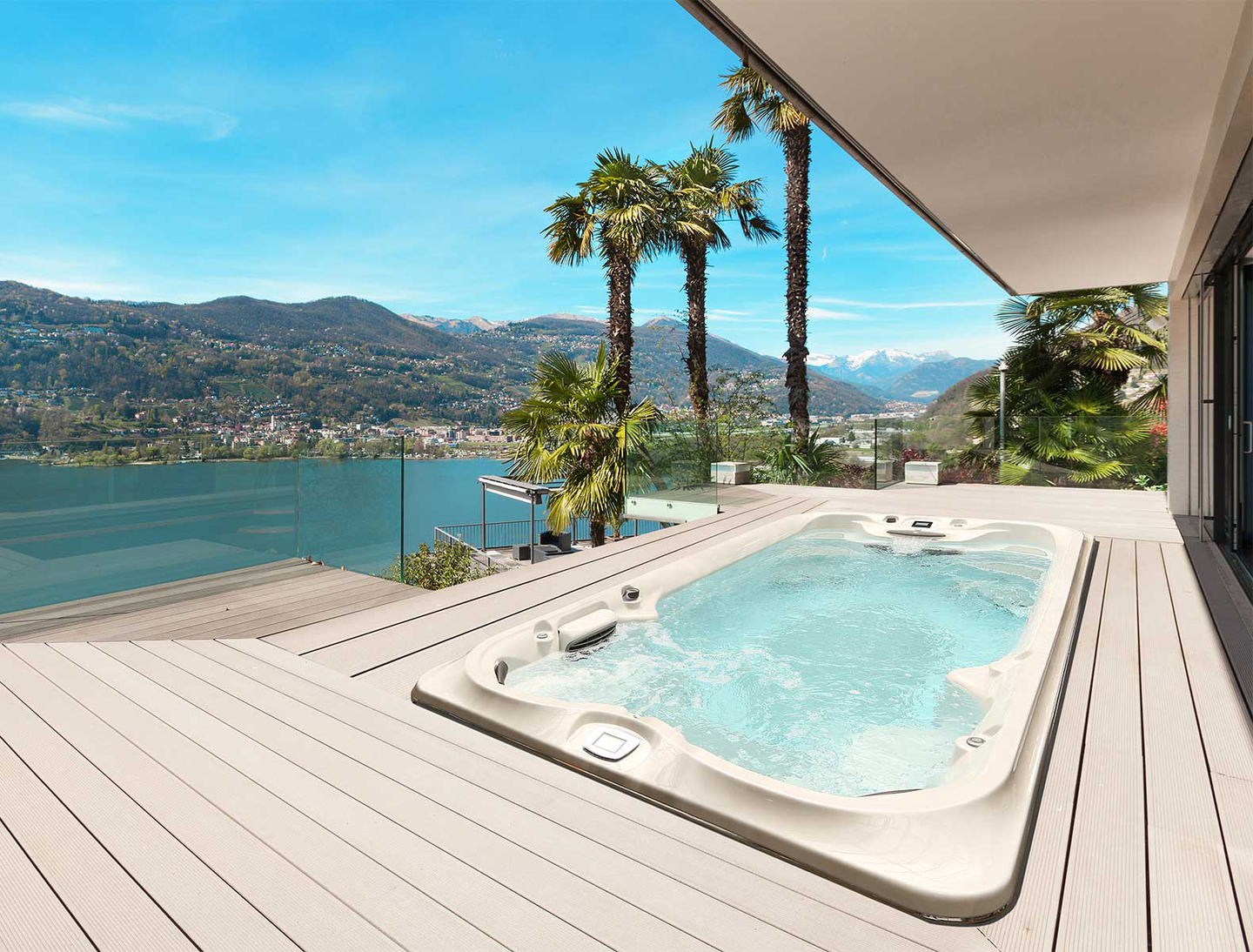
Swim Spa
The latest powerful swim current technology and the historic performance of Jacuzzi® PowerPro™ jets combine to deliver the perfect swim, year-round.
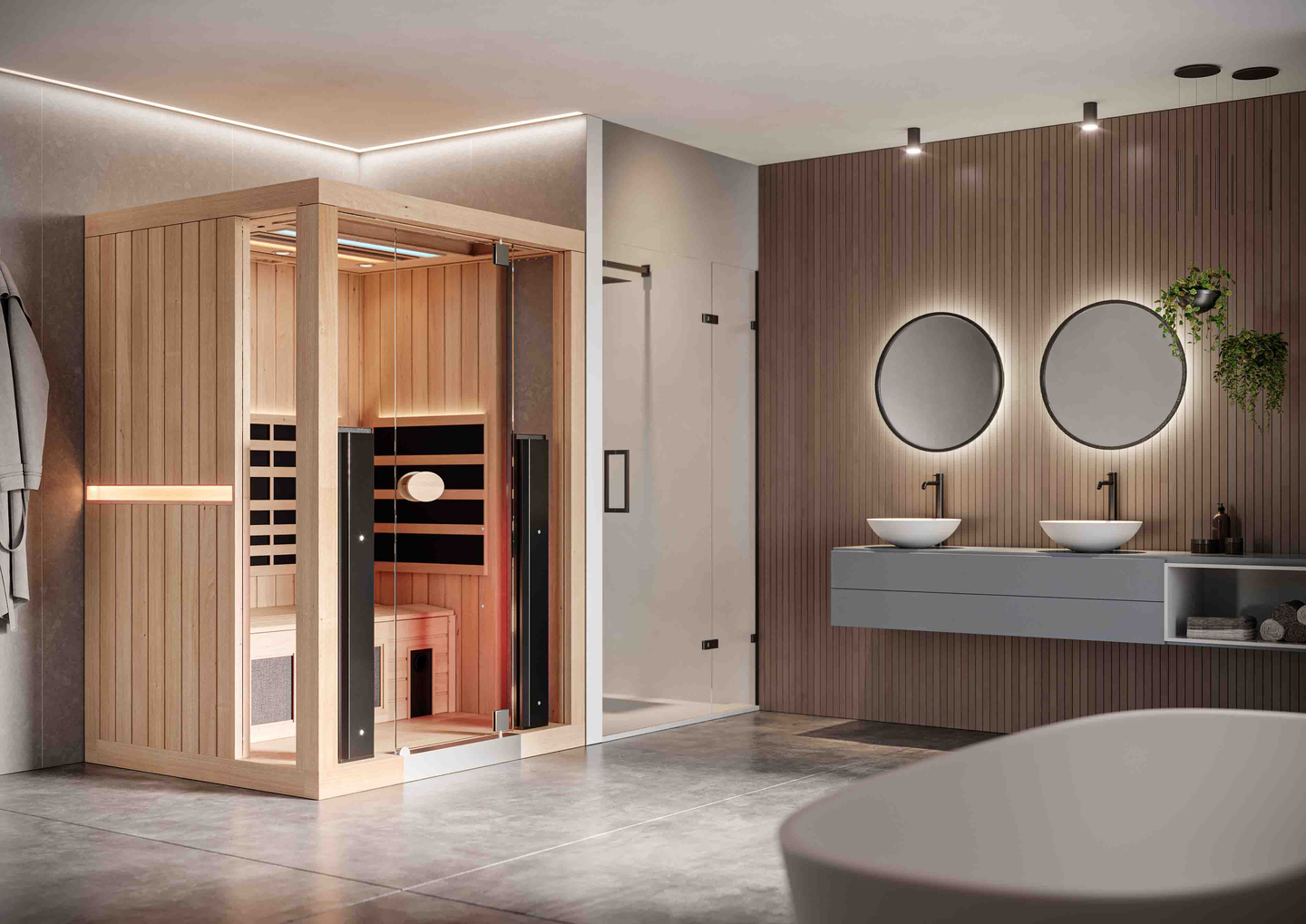
Sauna
Jacuzzi® Infrared Saunas are engineered with full spectrum (near, mid and far) front-facing IR heaters, along with Red Light therapy. Enjoy a comprehensive sauna experience in a single sauna session.