
Hot Tub Installation Costs & Planning Guide for 2026
Key Takeaways
- A typical above-ground Jacuzzi® brand hot tub installation in 2026 usually ranges from about $1,500 to $6,000 on top of the spa price, depending on site prep, electrical work, and delivery complexity.
- Choosing a 110V plug-and-play Jacuzzi® model can significantly reduce upfront electrical costs compared with 220V models that need a certified electrician and dedicated circuit.
- A solid, level surface (concrete pad, reinforced deck, or engineered spa pad) is non-negotiable—poor site prep is one of the main causes of long-term damage and extra expense.
- Planning access for delivery (including possible crane service) and checking local permit rules early can prevent last-minute delays and surprise fees.
- Contacting a local authorized Jacuzzi® dealer for a free on-site assessment is the fastest way to get an accurate installation quote and move from research to relaxation.
Introduction: How Much Does Hot Tub Installation Really Cost?
Many buyers carefully budget for the Jacuzzi® hot tub itself but underestimate the installation costs and timelines that come with bringing a new hot tub home. The actual cost of ownership extends beyond the sticker price, and understanding these additional costs upfront helps you budget effectively and avoid surprises.
In 2026, most homeowners spend between $3,000 and $12,000 total for a fully installed above-ground hot tub, with the spa typically accounting for the majority of that range. Hot tub prices vary significantly based on the hot tub model, features, and brand reputation you choose—but installation adds a meaningful layer to the overall cost.
This comprehensive guide focuses on above-ground Jacuzzi® hot tubs and portable spas, with notes on in ground hot tubs and custom installations where relevant. Whether you’re considering an entry level portable spa or one of the luxury hot tubs with advanced features, the installation process follows similar principles.
Our purpose is to help you understand each cost component—site prep, electrical work, delivery, and accessories—so you can confidently plan your project and make a well informed decision. Working with an authorized Jacuzzi® dealer can bundle many of these elements into a single, transparent quote, simplifying your path to hot tub ownership.
Choosing the Right Location for Your Hot Tub
Selecting the right spot for your new hot tub is the first practical step, and it carries major cost implications that ripple through every phase of the installation. The location you choose affects electrical requirements, foundation complexity, delivery access, and your long term enjoyment of the spa.
Clearance and Access Requirements
Plan for at least 18 to 24 inches of clearance on service sides for ongoing maintenance, with extra space for steps, a hot tub cover lifter, and safe entry. Most hot tubs require access to the equipment compartment for filter changes, water care adjustments, and occasional repairs. Cramped installations lead to frustration and higher maintenance costs down the road.
Proximity to Your Home
Installing your Jacuzzi® in close proximity to an exterior door offers several benefits:
- Shorter electrical runs reduce installation costs
- Easier access during colder months minimizes heat loss
- Convenient connection to your existing electrical panel
- Quick access to amenities like towels and refreshments
However, positioning farther into the backyard can provide enhanced privacy, better views, and a more immersive retreat experience. Consider how you’ll actually use the space when making this decision.
Privacy and Aesthetic Considerations
Adding privacy elements like fencing, landscaping, or pergolas enhances the hot tub experience but affects your overall project budget. Plan these features early so you can integrate them into your total cost calculations rather than treating them as afterthoughts.
Access and Delivery Planning
Most Jacuzzi® hot tubs are delivered on their sides using a specialized spa dolly or cart, making access planning essential before you finalize your purchase. Underestimating delivery complexity is a common source of unexpected fees.
Path Requirements
Your delivery path needs to be at least as wide as the height of the spa when tilted on its side—typically 36 to 42 inches for many models. Measure carefully from the driveway through gates, side yards, and around corners.
Common obstacles that complicate delivery include:
- Tight corners and narrow gates
- Low eaves or overhanging branches
- AC condensers and utility boxes
- Steps, slopes, or soft ground
- Outdoor furniture and planters
When Crane Delivery Becomes Necessary
Some installations require crane service—second-story decks, fully enclosed yards, or narrow urban lots often fall into this category. In 2026, crane delivery typically costs $800 to $1,500 or more in most U.S. cities, depending on equipment requirements and local labor rates.
Share photos or a simple sketch of your yard with your local Jacuzzi® dealer so delivery can be pre-planned and accurately quoted. This small step prevents costly surprises on installation day.
Foundation & Site Preparation Requirements
A properly engineered base protects your hot tub’s shell, frame, and plumbing while keeping your warranty valid. Poor site prep is one of the leading causes of long-term damage—and the repairs are rarely covered if the foundation doesn’t meet specifications.
Foundation Options
A poured concrete slab that is 4 inches thick and reinforced is best for permanent outdoor installations, with a 2026 cost range of $600 to $2,000 or more. A reinforced wood or composite deck works well for integrating with an existing outdoor space and typically costs between $800 and $3,000 or more. A prefabricated spa pad installed over compacted gravel is a good option for budget conscious or temporary setups, with costs ranging from $200 to $600. Brick pavers placed on a compacted base are ideal for aesthetic integration with landscaping and usually cost between $800 and $2,500 or more.
Load Requirements
A filled hot tub with bathers can weigh 3,000 to 6,000 pounds or more. Many installations plan for at least 100 pounds per square foot once the spa is filled and in use. For elevated decks or rooftop locations, involve a structural engineer to verify your structure can handle the load safely.
Additional Site Prep Considerations
Factor in these items that may affect your overall price:
- Minor grading to ensure drainage away from the spa pad
- Gravel base beneath concrete or pavers
- Non-slip steps or a landing area
- Drainage routing away from your home’s foundation
Electrical Requirements and Wiring Costs
Understanding electrical requirements early helps you avoid one of the most variable installation costs. Jacuzzi® hot tubs fall into two major categories, each with different cost and performance profiles.
110V Plug-and-Play Models
These models can often use an existing GFCI-protected outdoor outlet on a dedicated 15-20 amp circuit. If your home already has a compliant outlet in the right location, you may face minimal or no electrician cost.
Plug-and-play models offer lower upfront cost but typically provide less heating power and fewer jets than their 220V counterparts.
220V-240V Hard-Wired Models
Higher end models require a licensed electrician to install:
- A dedicated 40-60 amp GFCI-protected circuit from your panel
- A disconnect box within sight of the spa
- Hard-wired connection to the spa’s control box
- Proper conduit and wire gauge (typically 6/3 copper with ground)
2026 Electrician Cost Ranges
Wire run length can impact cost by about $100 to $300 for every additional 25 feet needed. If a subpanel installation is required, that adds roughly $500 to $1,200. Trenching requirements can also increase the total by about $200 to $600 depending on the difficulty of the job. Local labor rates vary significantly by region and can influence the final price. Overall, the typical total range for these factors combined is about $600 to $2,200 or more.
Many jurisdictions require permits and inspections for new spa circuits. Your Jacuzzi® dealer can often recommend electricians familiar with local codes and Jacuzzi® specifications, streamlining the process.
Plumbing, Water Supply, and Drainage
Standard Jacuzzi® hot tubs are self-contained and typically do not need permanent plumbing connections—a significant advantage for installation simplicity and cost.
Filling Your Hot Tub
Simply fill your spa using a standard outdoor garden hose. Position your hot tub with proximity to a frost-free spigot to make setup and ongoing maintenance easier. Fill through the empty filter canister until water reaches about an inch above the highest jets, then check plumbing unions for leaks before heating.
Drainage Planning
Most owners drain and refill their spa every 3 to 4 months as part of proper maintenance. Plan a safe drainage route:
- Yard area that can absorb the water
- French drain system
- Utility drain (where local codes allow)
Verify local rules about discharging chemically treated water. Neutralizing or diluting water before draining helps protect landscaping and meets most municipal requirements.
Custom Installations
In ground hot tubs or indoor installations may require additional plumbing for drains or make-up water, adding several hundred to a few thousand dollars depending on complexity. These projects benefit from early contractor involvement.
Hot Tub Installation Cost Breakdown (2026)
Understanding the total cost of installation requires adding up several smaller components that vary by home and region. Use these ranges for planning, then request a personalized quote from a Jacuzzi® dealer for accurate local pricing.
Cost Component Summary
Delivery and placement typically cost between $200 and $500 in 2026. If crane delivery is needed, that can add about $800 to $1,500 or more. Site preparation and foundation work usually ranges from $600 to $3,000 or more depending on the setup. Electrical work generally costs between $600 and $2,200 or more. Accessories and steps can add another $200 to $1,500 or more, while permits where required usually run about $100 to $500.
Example Scenarios
Scenario A: Mid-Range Model on Concrete Pad
- Jacuzzi® J-300 series: $8,000 - $12,000
- New 8x8 concrete pad: $1,200
- 220V electrical (40-foot run): $1,400
- Standard delivery: $300
- Steps and cover lifter: $600
- Total Investment: approximately $11,500 - $15,500
Scenario B: Same Model on Elevated Deck
- Jacuzzi® J-300 series: $8,000 - $12,000
- Deck reinforcement: $2,200
- 220V electrical (longer run): $1,800
- Crane delivery: $1,100
- Steps and cover lifter: $600
- Total Investment: approximately $13,700 - $17,700
Investing correctly up front avoids costly corrections later—re-pouring an inadequate slab or re-running undersized electrical wire costs far more than doing it right the first time.
Indoor vs. Outdoor Hot Tub Installations
While most Jacuzzi® spas are installed outdoors, some homeowners consider indoor or enclosed applications. Each approach affects planning and cost differently.
Outdoor Installations
Outdoor setups offer several advantages:
- Simpler ventilation requirements
- Standard weather-resistant foundation materials (concrete, pavers, decking)
- Natural drainage options
- Connection with your outdoor space and landscaping
Consider adding wind-blocking structures for comfort and energy efficiency. Position away from sprinklers, gutters, or debris-dropping trees to minimize maintenance costs.
Indoor Installations
Indoor hot tubs introduce unique challenges that significantly increase project complexity:
- Structural requirements: Floor must support 100+ lbs per square foot
- Moisture control: Exhaust fans, dehumidifiers, and proper ventilation essential
- Waterproof finishes: Tile, sealed concrete, or moisture-resistant materials throughout
- Sealed environment: Well-sealed doors to contain humidity
Indoor installations can add several thousand dollars in renovation costs beyond standard outdoor installation. Anyone considering indoor or four-season room installations should consult both a contractor and a local Jacuzzi® dealer early in the planning process.
Upgrades, Accessories, and Long-Term Value
Thoughtful add ons improve day-to-day enjoyment and help protect your investment over time. Prioritize upgrades that impact safety, energy efficiency, and ease of use before focusing on purely aesthetic enhancements.
Essential Accessories
Premium insulated covers typically cost between $400 and $800 and help improve energy efficiency while also supporting safety and keeping the spa clean. A cover lifter usually ranges from $250 to $700 and makes it easier to remove and replace the cover while also helping extend its lifespan. Quality steps with handrails generally cost about $200 to $800 or more and are important for safety and easier access. A spa surround or decking can range from $500 to $3,000 or more and mainly adds to both the aesthetics and functionality of the setup.
Features That Save Money Over Time
Look for these Jacuzzi® model features that reduce maintenance costs and operating expenses:
- Energy-efficient insulation: Full-foam insulation dramatically reduces heat loss
- Well-fitting covers: A quality insulated cover is your primary energy-saving tool
- Advanced filtration system: Better filtration means less chemical use and cleaner water
- Durable shell materials: High end materials resist fading, cracking, and staining
Additional features like sound systems, ergonomic seating, and LED lighting enhance your well being and therapeutic benefits without significantly impacting operating costs. Consider these based on how they support your desired hot tub experience.

Professional Installation vs. DIY Setup
Some smaller, plug-and-play spas are marketed for DIY setup, but most permanent Jacuzzi® hot tub installations benefit from professional involvement. Understanding where to draw the line protects both your safety and your warranty.
What Homeowners Can Handle
Capable homeowners might reasonably manage:
- Preparing a simple gravel base for a prefab spa pad
- Coordinating garden hose fill
- Basic water chemistry after startup
- Installing simple accessories like steps
Tasks for Licensed Professionals
Leave these to the experts:
- All electrical connections (even for “simple” 110V circuits, verification matters)
- Structural modifications to decks or foundations
- Crane operations
- Indoor ventilation systems
- Plumbing for in ground hot tubs
Risks of DIY for Larger Spas
Attempting professional installation tasks yourself creates potential safety hazards including electrical shock, fire, and structural failure. Failed inspections can delay your enjoyment by weeks. Most importantly, improper installation often voids warranties—leaving you responsible for repairs that should be covered.
Professional installation through an authorized Jacuzzi® dealer includes post-installation support, maintenance service guidance, and peace of mind that your investment is protected.
How to Get an Accurate Jacuzzi® Installation Quote
Once you understand the major cost drivers, taking action becomes straightforward. A few preparation steps help your dealer provide the most accurate quote possible.
Information to Gather Before Contacting a Dealer
- Preferred installation location in your backyard
- Rough dimensions of available space
- Distance from your electrical panel to the installation site
- Photos of access routes (driveway, gates, side yards)
- Whether the installation is indoor or outdoor
- Any existing foundation you hope to use
The Dealer Consultation Process
Many Jacuzzi® dealers schedule complimentary on-site visits to evaluate:
- Foundation needs and existing conditions
- Access for delivery equipment
- Electrical requirements and panel capacity
- Local permit requirements
They then provide a consolidated quote covering all aspects of installation.
Questions to Ask Your Dealer
- Is delivery, setup, and electrical work included or itemized separately?
- What warranties apply to the installation work?
- How long will the installation process take from purchase to first soak?
- What ongoing maintenance support do you provide?
Your path to daily restoration begins with a conversation. Reach out to your nearest authorized Jacuzzi® showroom or visit the Jacuzzi® website to begin the planning and quoting process.
FAQ
How long does a typical Jacuzzi® hot tub installation take from purchase to first soak?
Timelines vary by season and contractor availability, but many straightforward outdoor installations are completed within 2 to 4 weeks of purchase if electrical and site prep can be scheduled quickly. More complex projects involving new decks, indoor rooms, or extensive permitting can extend the timeline to 6 to 10 weeks or more. Ask your local Jacuzzi® dealer for a realistic schedule based on current lead times in your area—they’ll have insight into local electrician availability and permit processing times.
Do I need a permit to install a hot tub at my home?
Above-ground outdoor hot tubs often do not require a building permit themselves, but electrical work and new decks or concrete pads may be regulated and require inspection. In ground hot tubs and indoor installations are more likely to require multiple permits (building, electrical, sometimes plumbing), which can add both cost and time. Check with your city or county building department, and lean on your Jacuzzi® dealer or electrician for guidance on local requirements.
Can I put my hot tub on an existing deck without reinforcing it?
Many existing residential decks were not originally designed for the concentrated load of a filled hot tub plus bathers—which can exceed 6,000 pounds for larger models. A structural engineer or qualified contractor should evaluate any elevated deck before installation, especially for multi-story or older structures. Reinforcement or rebuilding the deck to meet proper load ratings may be necessary and should be factored into your installation budget from the start.
How much will my utility bill increase after installing a hot tub?
Expect an additional $20 to $40 per month in electricity for many well-insulated above-ground hot tubs in moderate climates, with higher usage in very cold areas or for in ground hot tubs. Energy-efficient Jacuzzi® models, high-quality covers, and maintaining consistent desired temperature rather than heating from cold each use help manage operating costs. Ask your dealer for estimated monthly operating costs for the specific model you’re considering—they can provide guidance based on your climate and usage patterns.
Can I move my Jacuzzi® hot tub if I relocate?
Most above-ground Jacuzzi® hot tubs can be relocated by professionals, though it requires proper draining, disconnecting power, and arranging new delivery and installation at your next home. You’ll face new costs for transport, site prep, and electrical work at the new location—weigh these against selling the spa with the home. Contact an authorized Jacuzzi® dealer or professional spa mover rather than attempting to move a full-size spa without proper equipment. An inflatable hot tub offers easier relocation but lacks the therapeutic benefits and durability of a permanent installation.
Learn More With Our Hot Tub Buying Series
Unlock the secrets to the perfect hot tub with our exclusive email series. Get expert advice and tips right in your inbox. Subscribe now and take the first step towards finding your ideal hot tub.
Hot Tub Buying Series
Explore Categories


Explore Products


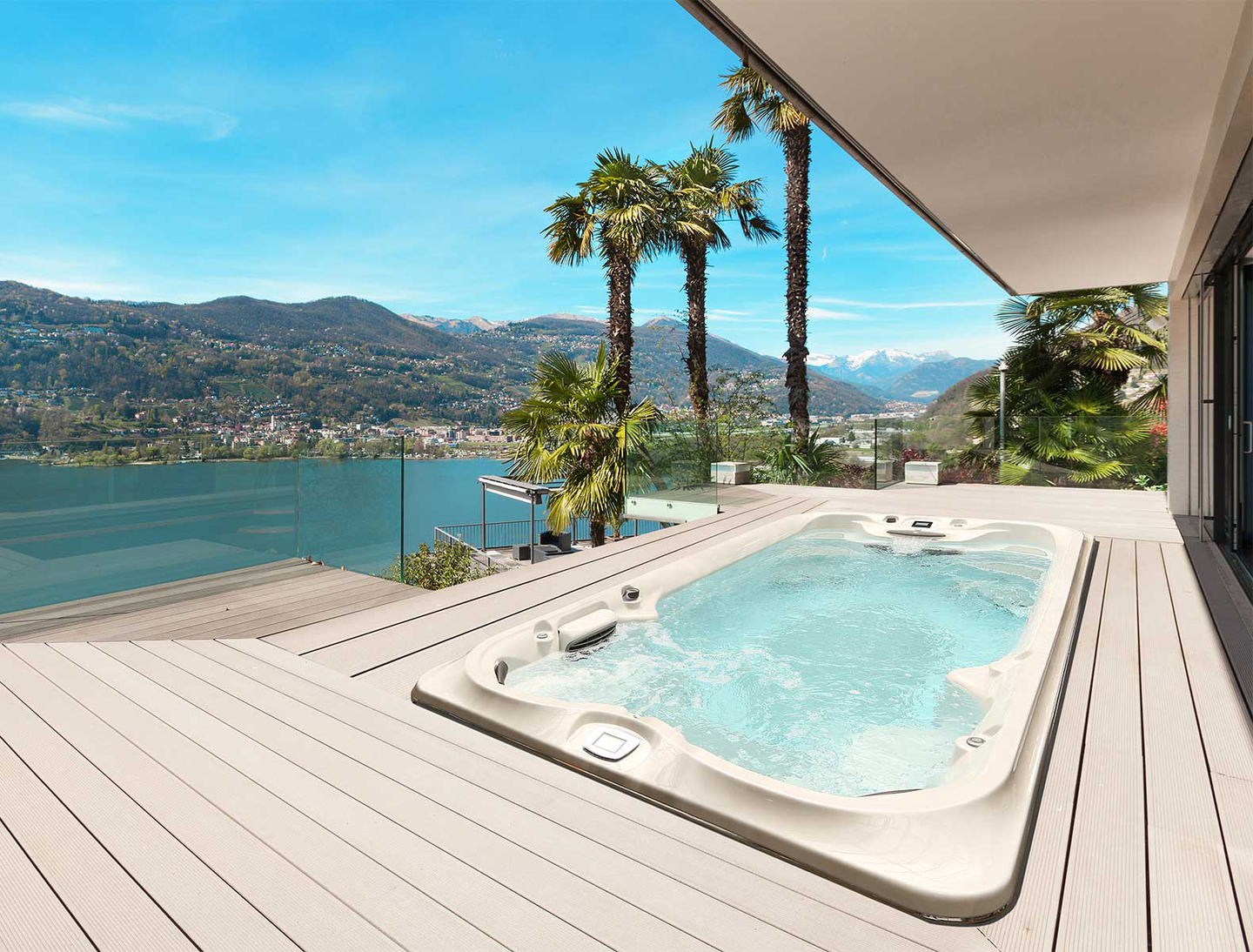
Swim Spa
The latest powerful swim current technology and the historic performance of Jacuzzi® PowerPro™ jets combine to deliver the perfect swim, year-round.
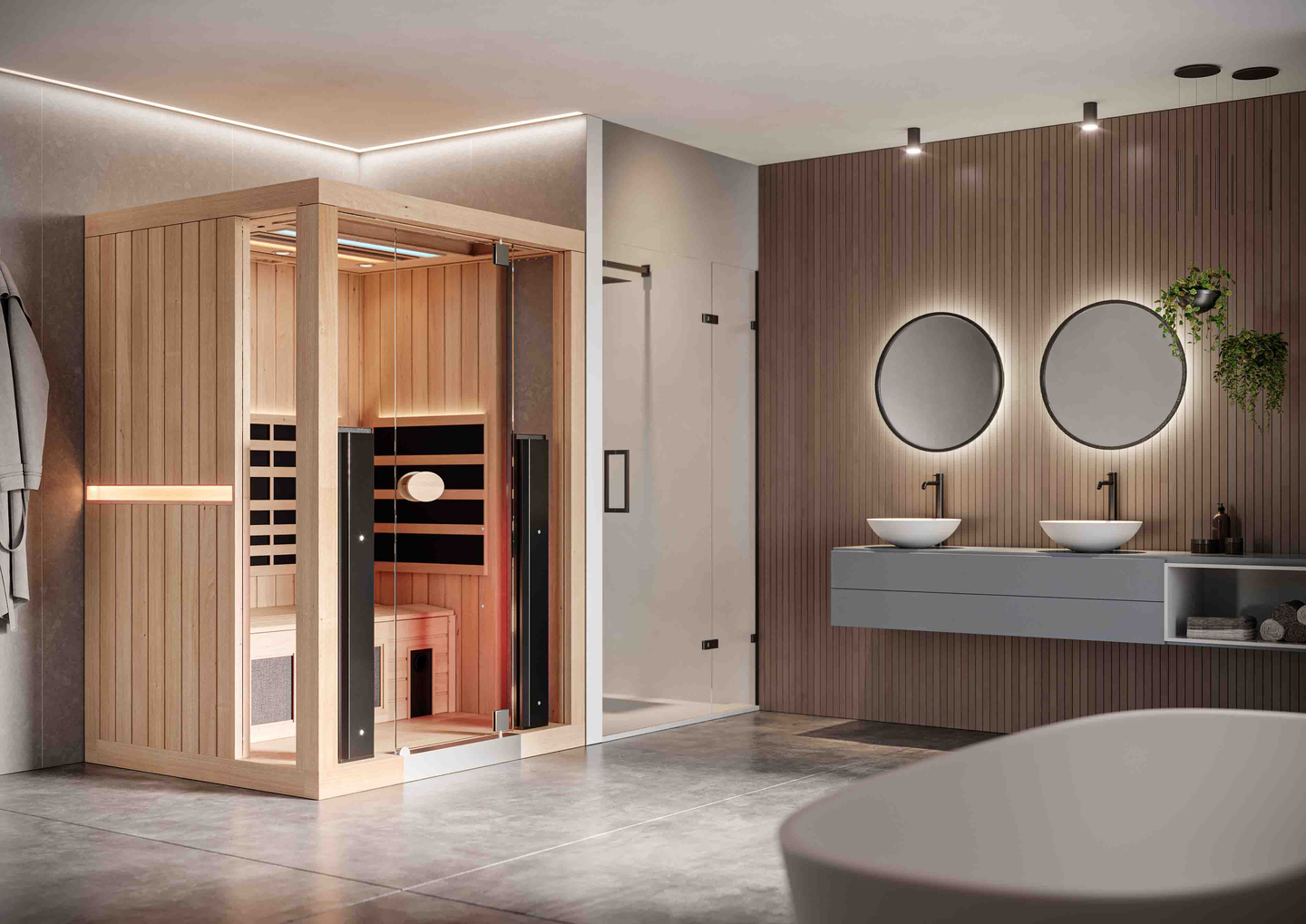
Sauna
Jacuzzi® Infrared Saunas are engineered with full spectrum (near, mid and far) front-facing IR heaters, along with Red Light therapy. Enjoy a comprehensive sauna experience in a single sauna session.