

What is an inflatable hot tub and is it worth it?
8 Minute Read
Pros, Cons, and Maintenance of Inflatable Hot Tubs
There are many factors to consider when purchasing any type of hot tub, especially since it can be a long-term addition to your home and lifestyle. Understanding the advantages, limitations, and maintenance needs of an inflatable hot tub can help you decide whether it’s the right fit for your space, budget, and relaxation goals.
Pros of Inflatable Hot Tubs
- Affordable upfront cost compared to traditional and built-in hot tubs
- Easy to set up and move, with no permanent installation required
- Portable and space-friendly, with the ability to deflate and store when not in use
- Well suited for small families, couples, or casual social use
- Flexible interior seating, allowing users to shift positions or add inflatable cushions for comfort
While inflatable hot tubs may not offer molded seating, their open design can still comfortably accommodate small groups.

Cons of Inflatable Hot Tubs
- Slower heating times, especially in cooler weather
- Less insulation than hard-sided models, which can affect heat retention
- Air bubbles instead of targeted hydrotherapy jets
- Not puncture-proof, requiring mindful placement and care
- Shorter lifespan, often lasting five to seven years depending on usage and maintenance
- Best suited for temporary or casual use, rather than a permanent backyard fixture
Inflatable hot tubs prioritize convenience and accessibility, but they are not designed to match the durability, longevity, or therapeutic performance of traditional hot tubs.
Maintenance and Upkeep
Proper maintenance plays an important role in extending the life of an inflatable hot tub and ensuring a consistently enjoyable experience. Regular care helps preserve performance, protect materials, and maintain safe, clean water.
Routine upkeep includes gently cleaning interior surfaces with a mild cleanser to prevent buildup, regularly inspecting the tub for signs of wear, and keeping filters clean so the system runs efficiently. Water chemistry should be monitored consistently—maintaining proper pH and sanitizer levels helps protect both the tub and the people using it.
Addressing small issues early, such as surface wear or minor leaks, can prevent larger problems down the road. Always follow the manufacturer’s care guidelines to keep your spa operating as intended and to protect your investment.
With thoughtful attention and consistent maintenance, an inflatable hot tub can provide relaxing, enjoyable soaks season after season.
Is an Inflatable Hot Tub Right for You?
An inflatable hot tub can be a great option for many households, especially those seeking affordability, portability, and ease of use. However, if your priorities include long-term durability, premium materials, and advanced hydrotherapy, a traditional hard-sided hot tub may be a better fit.
A Jacuzzi hot tub offers long-lasting craftsmanship, advanced jet technology, and a variety of models designed to create a complete spa experience that can be enjoyed for many years.
Find out more about the models in the Jacuzzi® hot tub collections.
Affiliations: Jacuzzi® is a registered trademark of Jacuzzi Group. All rights reserved.
Learn More With Our Hot Tub Buying Series
Unlock the secrets to the perfect hot tub with our exclusive email series. Get expert advice and tips right in your inbox. Subscribe now and take the first step towards finding your ideal hot tub.
Hot Tub Buying Series
FAQ's
Most inflatable hot tubs are designed to comfortably seat four to six adults. They typically feature an open interior rather than molded seats, allowing flexibility but less defined personal space.
Traditional hot tubs come in a wider range of sizes and often accommodate six to eight or more people, with contoured seating designed for comfort and support.
Inflatable hot tubs are generally best suited for seasonal or mild-climate use. In colder regions, maintaining water temperature can be challenging due to thinner insulation, and freezing conditions may increase the risk of damage if water or components freeze.
For reliable year-round use in cold weather, many homeowners choose a traditional hard-sided hot tub engineered for winter performance.
Inflatable hot tubs commonly use an air blower system to create bubbles, which can produce a noticeable humming sound during operation.
Traditional hot tubs often operate more quietly, thanks to insulated cabinets, enclosed equipment, and pump systems designed to minimize noise—making them better suited for quiet, spa-like environments.
Inflatable hot tubs are designed with simplicity in mind. Minor punctures can often be repaired using patch kits, and components such as pumps or heaters are typically modular and easier to replace.
In contrast, traditional hot tubs are more complex and may require professional service for plumbing, electrical, or equipment repairs, though they are built to last significantly longer.
Energy use varies based on tub size, insulation, outdoor temperature, and frequency of use. Inflatable hot tubs may require more frequent heating in cooler weather because they generally retain heat less efficiently than traditional models.
Ways to reduce energy costs include:
- Keeping a well-fitted cover on the tub when not in use
- Setting a moderate water temperature rather than the maximum
- Placing the tub in a sheltered area to reduce heat loss
- Cleaning filters regularly so the system runs efficiently
Repair and replacement costs for inflatable hot tubs are usually modest. Many owners budget for occasional patch kits, replacement filters, or pump components. Over time, especially with frequent use or wear, some owners choose to replace the entire unit rather than invest in extensive repairs.
While traditional hot tubs may have higher repair costs, their longer lifespan often offsets these expenses.
Inflatable hot tubs typically do not increase property value, as they are considered temporary and portable.
Permanent, professionally installed traditional hot tubs may contribute to buyer appeal in some markets, but value depends on installation quality, condition, and local demand.
Heating times vary, but inflatable hot tubs can take 12 to 48 hours to reach their maximum temperature, depending on outdoor conditions and starting water temperature. Traditional hot tubs often heat faster and maintain warmth more efficiently.
Inflatable hot tubs should never be placed on balconies, rooftops, or elevated surfaces. When filled with water and occupants, the total weight can exceed 2,500 pounds, requiring a flat, stable, ground-level surface such as a patio or backyard area.
Inflatable hot tubs use air jets that create bubbles, offering a relaxing soaking experience. However, they do not provide the targeted hydrotherapy delivered by water jets found in traditional hot tubs.
If muscle relief and therapeutic massage are priorities, a hard-sided hot tub with advanced jet technology may be the better option.
Yes—when placed on a ground-level, stable surface, inflatable hot tubs can work well in small backyards or patios and are especially popular with renters because they require no permanent installation. Their ability to be drained, deflated, and stored makes them a flexible option for limited outdoor spaces.
With proper care, most inflatable hot tubs last between two and five years, though lifespan depends on usage, maintenance, storage, and environmental exposure. Traditional hot tubs often last 10 to 20 years or more with regular upkeep.
To maximize lifespan:
- Maintain balanced water chemistry
- Clean filters regularly
- Inspect surfaces for early signs of wear or damage
- Use the cover consistently
- Follow manufacturer maintenance guidelines
Routine care helps prevent costly issues and ensures consistent performance.
Traditional hot tubs are generally more energy efficient over time due to thicker insulation and advanced heating systems. Inflatable hot tubs can still be cost-effective for occasional or seasonal use, especially when paired with proper covers and thoughtful temperature management.

About The Author: Ashley Field
Director of Training, Jacuzzi Group
Ashley Field has been with Jacuzzi Group since 2016, previously having worked for Discover Financial Services and Taco Bell. When she was initially contacted about an opportunity with Jacuzzi Group, she loved the idea of building... Read Full Bio
Explore Categories


Explore Products


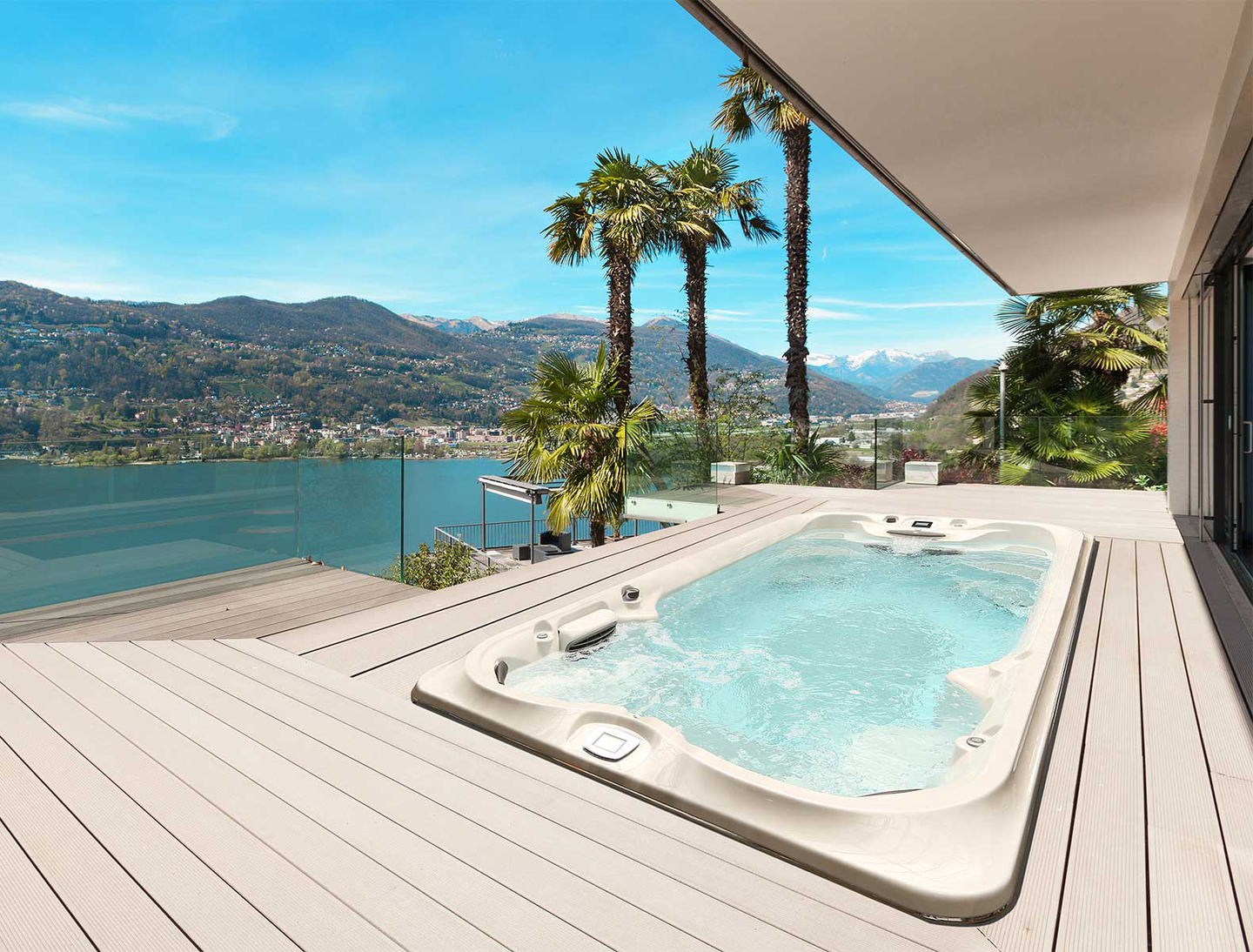
Swim Spa
The latest powerful swim current technology and the historic performance of Jacuzzi® PowerPro™ jets combine to deliver the perfect swim, year-round.
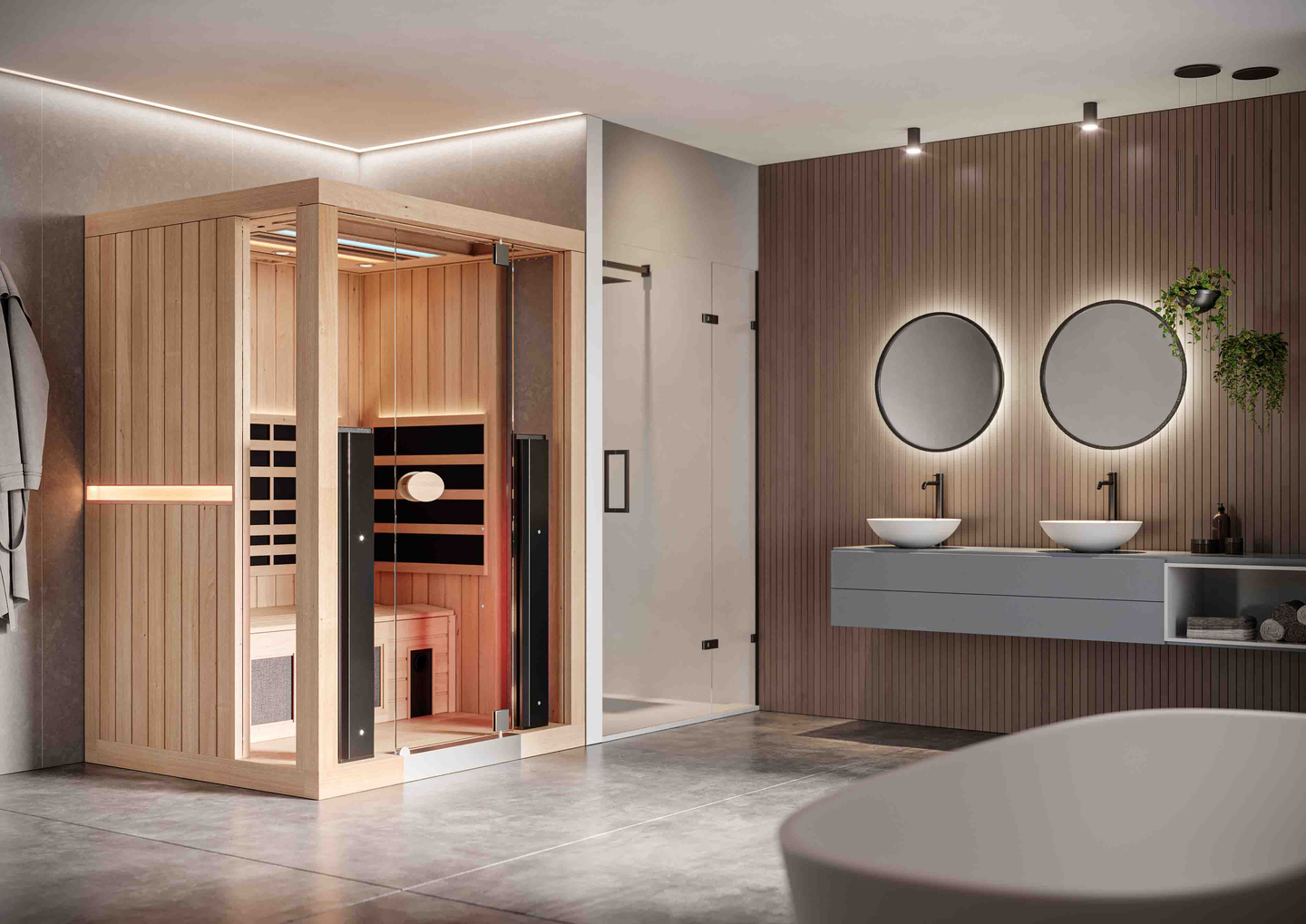
Sauna
Jacuzzi® Infrared Saunas are engineered with full spectrum (near, mid and far) front-facing IR heaters, along with Red Light therapy. Enjoy a comprehensive sauna experience in a single sauna session.