
Indoor Hot Tubs: Design and Installation Tips
An indoor hot tub brings the comfort of warm, massaging water right into your home, creating a private space for year round relaxation no matter the weather. With the right planning, you can design a spa room that supports long term comfort, hydrotherapy, and everyday wellness. This guide covers the essentials, including structural needs, ventilation, and how to choose the right Jacuzzi model for your space.
Key Takeaways
• Indoor hot tubs provide year round comfort, privacy, and wellness benefits when properly installed
• Ventilation, moisture control, structural support, and electrical safety are the most important factors
• Choosing the right size and layout is just as important as installation details
• Working with licensed professionals helps avoid costly mistakes and protects your home
• Start by scheduling a consultation with a Jacuzzi dealer or reviewing a buyer guide
Indoor Hot Tubs at a Glance
An indoor hot tub is a self contained spa installed inside your home, designed for repeated use with built in jets, filtration, and temperature control. Unlike standard bathtubs, these spas offer full body hydrotherapy, typically at 100 to 104°F, for muscle relief and relaxation. Common locations include basements, sunrooms, spa rooms, garages, or large bathroom extensions.
Typical sizes range from compact 2 to 3 person models for smaller rooms, to 4 to 5 person family spas, up to larger 6 person models for entertaining. When properly planned, indoor hot tubs deliver a more consistent and private experience than outdoor setups.
Why Choose an Indoor Hot Tub
Indoor hot tubs offer reliable access to relaxation without weather limitations. They provide greater privacy, reduce exposure to debris, and often require less maintenance over time. Easy access also makes it more likely you will use your spa regularly, supporting recovery, stress relief, and better sleep. A well designed indoor spa space can also add value to your home.
Indoor vs Outdoor Hot Tubs
Indoor hot tubs offer privacy, protection from the elements, and consistent use throughout the year, though they require more planning for ventilation and structure. Outdoor hot tubs are easier to install initially but face weather exposure, higher maintenance, and seasonal limitations. The right choice depends on your space, climate, and preferences.
Key Design Considerations
Indoor spa rooms must handle heat and moisture, so materials and layout matter. Plan around spa size, access, and service space before finishing the room. Features like soft lighting, moisture resistant materials, plants, and comfortable seating help create a relaxing environment.
Room Size and Layout
Allow enough space for the spa plus safe movement around it. Most setups need at least 18 to 24 inches of clearance on one side and adequate room for cover use. A typical 4 to 5 person spa fits best in a room around 10 ft by 10 ft. Always confirm that the spa can fit through doors and hallways during delivery.
Ventilation and Humidity
Managing moisture is critical. Hot tubs release significant humidity, which can cause damage if not controlled. Use exhaust fans, dehumidifiers, and proper covers to maintain humidity levels between 40 and 60 percent and prevent mold or condensation issues.
Lighting and Ambience
Layered lighting improves both safety and relaxation. Combine ceiling lights, wall accents, and spa lighting to create a calm environment. All fixtures should be rated for moisture.
Construction Requirements
Indoor hot tubs are heavy, often weighing 3,000 to 6,000 pounds when filled. Floors must be strong enough to support the load, especially on upper levels. Avoid materials like carpet or untreated wood that cannot handle moisture.
Flooring and Drainage
Durable, water resistant flooring like sealed concrete or textured tile works best. Adding a slight slope or drain helps manage water and improves safety.
Walls and Ceilings
Use moisture resistant materials, waterproof finishes, and proper sealing to protect against humidity. Ceilings should also be designed to handle condensation.
Structural Support
A professional should confirm your floor can handle the weight. Reinforcements may include additional supports, beams, or upgraded subfloor systems.
Electrical and Plumbing
Most indoor hot tubs need a dedicated electrical connection, often 240V, installed by a licensed electrician. Water is usually filled with a hose and drained using a floor drain or pump, keeping plumbing simple.
.png?sw=1440&sfrm=jpg)
Choosing the Right Hot Tub
Select a model based on size, seating, and features. Consider how many people will use it and how often. Efficient models with good insulation help reduce operating costs.
Features and Performance
Look for quality jets, ergonomic seating, and easy to use controls. Features like lighting and waterfalls can enhance the experience, but comfort matters most.
Energy Efficiency
Indoor hot tubs are often more energy efficient due to reduced heat loss. Using a quality cover and maintaining proper settings helps keep monthly costs manageable.
Maintenance and Care
Indoor spas are easier to keep clean but still require regular water testing, filter cleaning, and periodic draining. Keeping the cover closed and maintaining ventilation protects both the spa and the room.
Daily Use and Safety
Add steps, non slip flooring, and proper lighting for safe use. Keep towels and essentials nearby and establish a routine to get the most benefit from regular soaking.
Working with Professionals
A Jacuzzi dealer and licensed contractors can guide you through selection, installation, and setup. Site visits help confirm space, access, and requirements before installation.
Installation Overview
Installation includes delivery, positioning, electrical connection, filling, and testing. Most setups take several hours once the space is ready.
FAQ Highlights
Indoor hot tubs can be installed in basements or upper floors with proper support. Odors are minimal with proper water care. Noise is usually low and similar to running water. Project timelines vary from a few weeks to a few months depending on complexity. Proper installation and documentation can support home value and insurance approval.
An indoor hot tub turns your home into a personal wellness space, offering comfort, privacy, and daily relaxation with the right planning and setup.
Learn More With Our Hot Tub Buying Series
Unlock the secrets to the perfect hot tub with our exclusive email series. Get expert advice and tips right in your inbox. Subscribe now and take the first step towards finding your ideal hot tub.
Hot Tub Buying Series
Explore Categories


Explore Products


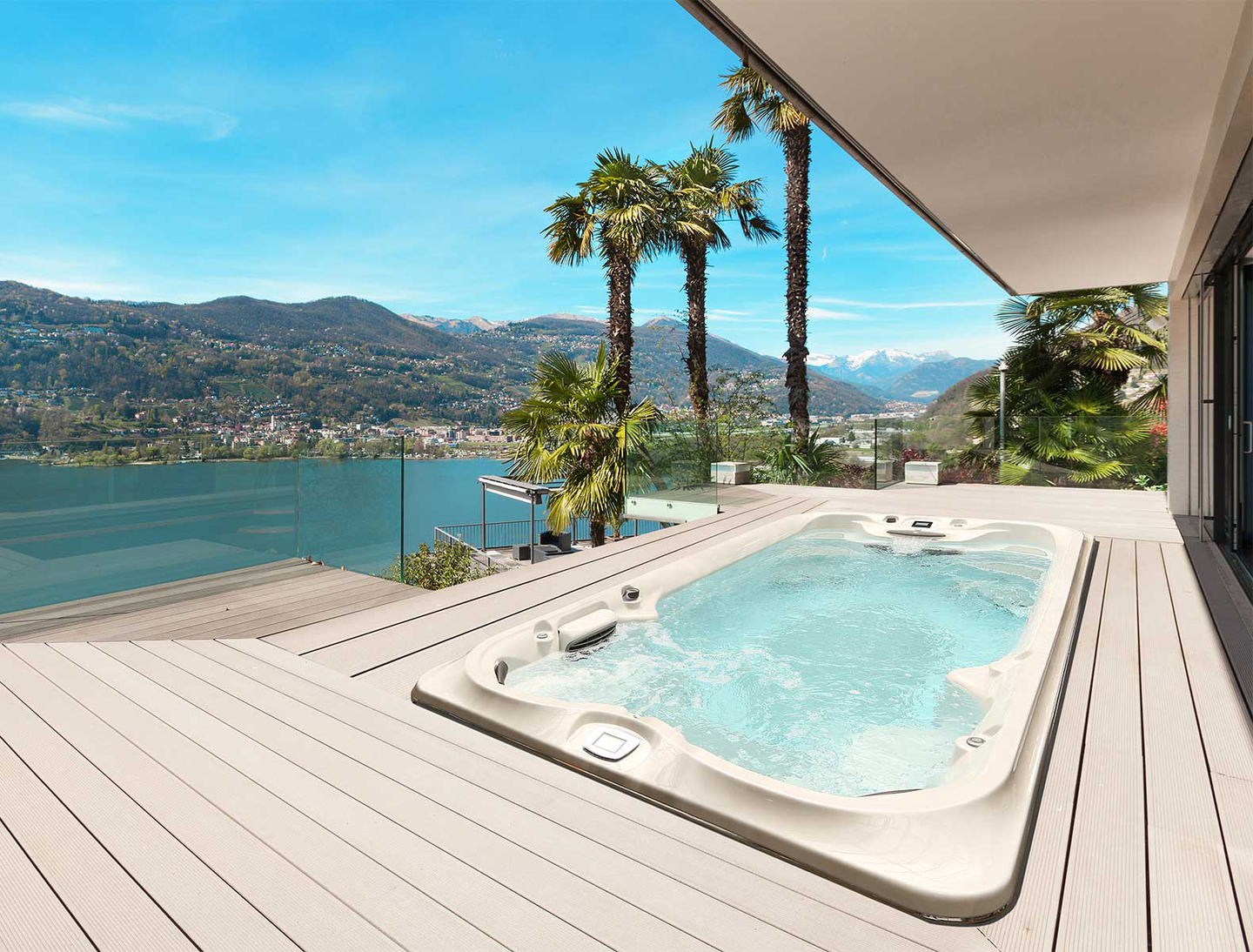
Swim Spa
The latest powerful swim current technology and the historic performance of Jacuzzi® PowerPro™ jets combine to deliver the perfect swim, year-round.
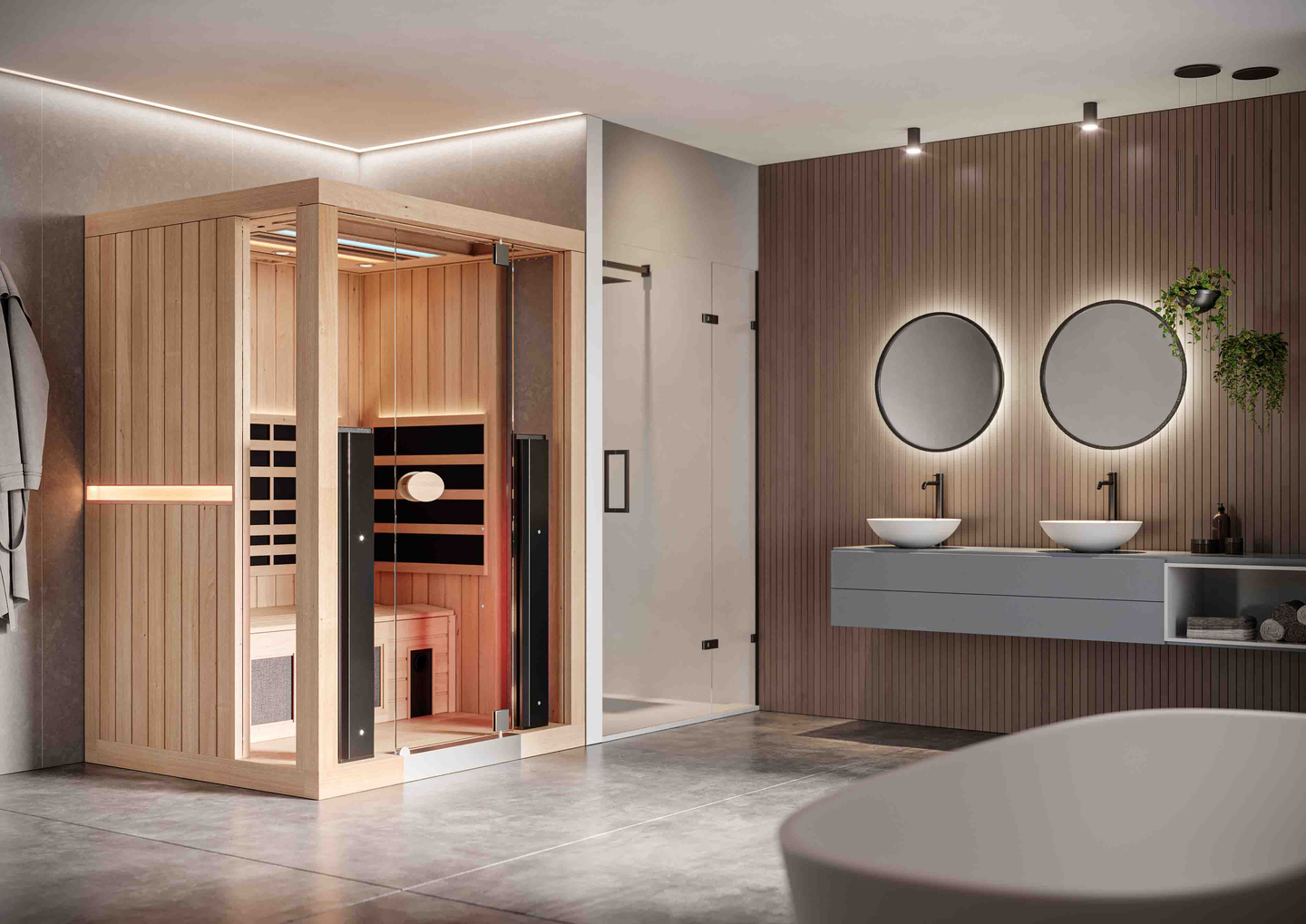
Sauna
Jacuzzi® Infrared Saunas are engineered with full spectrum (near, mid and far) front-facing IR heaters, along with Red Light therapy. Enjoy a comprehensive sauna experience in a single sauna session.