
Transforming health with stress management: From acute stress to recovery
Maintaining a healthy lifestyle is top-of-the-list for many people. While diet and exercise are key to transforming your health, stress management is also vital. Stress affects millions of people in America. However, acute stress is a form of stress that often develops after a traumatic event. This form of stress may need to be managed differently than general stress.
If you’re looking to transform your health with stress management, this article is for you. As you read this brief article, you will learn about the difference between stress and acute stress and how they impact your health. This article will also share easy and enjoyable stress relief techniques, such as hydrotherapy and relaxation. Finally, you will learn how Jacuzzi® hot tubs are distinctly designed to help with stress management and recovery.
What is acute stress, and how is it different from regular stress?
Millions of Americans experience stress in their lives. A late 2025 article on The American Institute of Stress website references multiple sources in reporting on stress in America.
“According to the American Psychological Association’s 'Stress in America' survey, a majority of Americans say their stress levels have increased over the past five years, with around 75% reporting physical or emotional symptoms related to stress.”
The article also references Gallup’s Global Emotions Report from 2023, which found that “about 49% of Americans experience significant daily stress, one of the highest rates among high-income nations.”
General stress is often caused by issues and concerns such as personal finances, cost of living, work, health concerns, including personal and family, and political climate and news.
However, according to the Cleveland Clinic, acute stress disorder is the result of experiencing a traumatic event, such as a natural disaster or assault, and it is closely related to post-traumatic stress disorder (PTSD).
“Acute stress disorder (ASD) is a short-term mental health condition that can occur within the first month after experiencing a traumatic event.” Stress responses, or symptoms, can include:
- Anxiety
- Intense fear or helplessness
- Experiencing flashbacks or nightmares
- Feeling numb or detached from your body
- Avoiding situations, places, or other reminders related to the traumatic event
In addition to the symptoms mentioned above, an article on the Mayo Clinic website states that ASD, also referred to as acute stress response (ASR), can impact patients’ mental health. Additional effects would be trouble sleeping or completing simple daily activities, or feeling on edge that you might be attacked.
The Cleveland Clinic article states that ASD can affect people at any stage in their lives, from childhood to adulthood, and it can occur between three days and four weeks after a traumatic event. The main differentiator between ASD and PTSD is the length of symptoms.
However, the Cleveland Clinic states that “Stress reactions lasting longer than four weeks may meet the criteria for PTSD.”
Methods for coping with acute stress
To manage the level of your acute stress health, speak to your doctor first and foremost. Knowing your health history and your unique circumstances relating to your acute stress disorder, your physician can develop a treatment plan that incorporates relaxation techniques to help you transform your health. Always check with your doctor before beginning any new health regimen.
The Mayo Clinic article states that patients experiencing ASD or ASR may benefit from a support group or speaking with a therapist or other psychological professional.
Stress relief tips
If you are looking to transform your health with general stress management, many holistic methods and techniques can complement a treatment plan prescribed by your doctor.
An article about stress on the Cleveland Clinic website states that people who feel stress may experience:
- Anxiety, depression, or panic attacks
- Chest pain or racing heart rate
- Fatigue or insomnia
- Headaches
- High blood pressure
- Upset stomach (indigestion)
The good news is, there are many more natural ways to manage stress beyond medical plans prescribed by your doctor. Here are just a few of the recommended techniques from the Cleveland Clinic:
- Laugh more—Visit a friend who makes you laugh or watch a funny show
- Calm your mind with meditation, massage, and deep breathing exercises
- Be physically active—Take a walk, or try mindful physical exercises like yoga
- Eat a healthy diet with more fruits and vegetables
- Improve sleep habits by unwinding with a book or engaging in warm water therapy before bedtime
- Keep a journal with daily achievements
- Talk to a friend
A key takeaway from the Cleveland Clinic: “Stress is a natural and normal part of everyone’s life. You can’t completely eliminate stress — some stressors will always be out of your control. But you can use stress management techniques to handle how you respond to stressful situations.”
The Mayo Clinic also recommends relaxation techniques to help you manage stress. An article on the organization’s website states: “Relaxation techniques are a great way to help with stress management. Relaxation isn't only about peace of mind or enjoying a hobby. It's a process that lessens the stress effects on your mind and body. Using ways to relax can help you cope with everyday stress. And these options can help with long-term stress or stress related to many health problems, such as heart disease and pain.”
Experiment with relaxation techniques, such as these recommended by the Mayo Clinic:
- Progressive muscle relaxation
- Visualization
- Music and art therapy
- Aromatherapy
- Tai Chi
- Hydrotherapy
The article states: “As you learn relaxation techniques, you can become more aware of muscle tension and other physical ways your body reacts to stress. Once you know what the stress response feels like, you can try to do a relaxation technique as soon as you start to feel stress symptoms. This can prevent stress from getting out of control and lowering your quality of life.”
Hydrotherapy for stress relief
If you have asked yourself, “Are hot tubs stress reduction tools?”, you may be interested in seeking stress management through hydrotherapy. And rightfully so. Hydrotherapy is a soothing and enjoyable way to achieve relaxation and recovery. Simply sinking into the warm, bubbly water, and listening to the gentle flow of a splash-less waterfall and the sounds of nature around you can help put thing into perspective and minimize stress, one soak at a time.
According to a separate article on the Cleveland Clinic website, hot tubs are excellent for helping you “chill.” The article states: “Immersing yourself in the comfort of warm, steamy water may help relieve stress and even decrease symptoms of depression.”

How Jacuzzi® hot tubs are uniquely designed to help with stress management and recovery
Jacuzzi® hot tubs were designed nearly 70 years ago to help bring pain relief to home care. Since that time, the Jacuzzi® brand has been dedicated to maintaining its reputation as a pioneer in the wellness space. That is why Jacuzzi® hot tubs are continually evolving to deliver the very best hydrotherapy experience on the market.
Jacuzzi® hot tubs have become synonymous with relaxation, recovery, recuperation, and innovation. The brand continues to develop new products that offer more first-to-market and exclusive features that set them apart from others.
For example, the new Jacuzzi® J5™ collection is an unprecedented family of hot tubs that delivers the most advanced hydrotherapy ever created. The models in this collection make it even easier for you to enjoy relaxation and recovery with three preset hydromassage levels ranging from gentle circulation to intense massage.
It also features the world’s first Infrared Therapy Seat, which includes four IR lights for full-back IR therapy, a soothing waterfall, and rejuvenating foot jets that heighten your hot tub experience and simply melt your stress away.
Also unique to models in the J5™ collection are the five immersive experience modes that allow you to customize your hydrotherapy based on your needs. Modes include:
Post-workout—Target sore muscles to relieve tension and recover
Sleep well—Wind down for sleep with a tranquil soak in soothing hot water
Infrared therapy—Promotes healing, eases pain, and relieves inflammation
Everyday rejuvenation—Refreshing massage promotes circulation and helps reset from daily stress
Celebration—Watch lights dance to the music and just let go
So if you are looking for a next-level holistic approach to stress management and recovery, a Jacuzzi® hot tub might be the answer. When you are ready to further explore the rejuvenating benefits of a Jacuzzi® hot tub, visit an authorized Jacuzzi® dealer and experience the Jacuzzi® difference for yourself through a wet test.
Frequently Asked Questions (FAQs): Transforming health with stress management: From acute stress to recovery
Q: What is the difference between general stress and acute stress?
A: General stress is a common part of daily life and is often related to work, finances, health concerns, or family responsibilities. Acute stress, such as acute stress disorder (ASD), develops after a traumatic event and may involve more intense psychological and physical symptoms that require professional guidance.
Q: Can relaxation techniques help with stress management?
A: Yes. The Mayo Clinic notes that relaxation techniques such as meditation, progressive muscle relaxation, visualization, and hydrotherapy can help reduce the effects of stress on both the mind and body when used consistently.
Q: Is hydrotherapy effective for stress relief?
A: Hydrotherapy, including soaking in warm water, may promote relaxation, reduce muscle tension, and support mental well-being.
Q: Can a hot tub replace medical treatment for acute stress or PTSD?
A: Hot tubs and relaxation techniques should be viewed as complementary wellness tools, not replacements for medical care. While a hot tub is not designed to be viewed as a cure for any illness, disease, or injury, it can help you live well with chronic symptoms.
Q: How do Jacuzzi® hot tubs support stress management and recovery?
A: Jacuzzi® hot tubs are designed to deliver targeted hydrotherapy, relaxation, and recovery through features such as adjustable hydromassage, warm water immersion, and innovative wellness technologies that support stress relief as part of a holistic self-care routine.
Disclaimer: Jacuzzi® is a registered trademark of Jacuzzi Group. All rights reserved.
Medical Disclaimer: We are not medical professionals. This content is for informational purposes only and is not a substitute for medical advice, diagnosis, or treatment. Always consult your physician or a qualified healthcare provider with questions regarding any medical condition.
Learn More With Our Hot Tub Buying Series
Unlock the secrets to the perfect hot tub with our exclusive email series. Get expert advice and tips right in your inbox. Subscribe now and take the first step towards finding your ideal hot tub.
Hot Tub Buying Series
Explore Categories


Explore Products
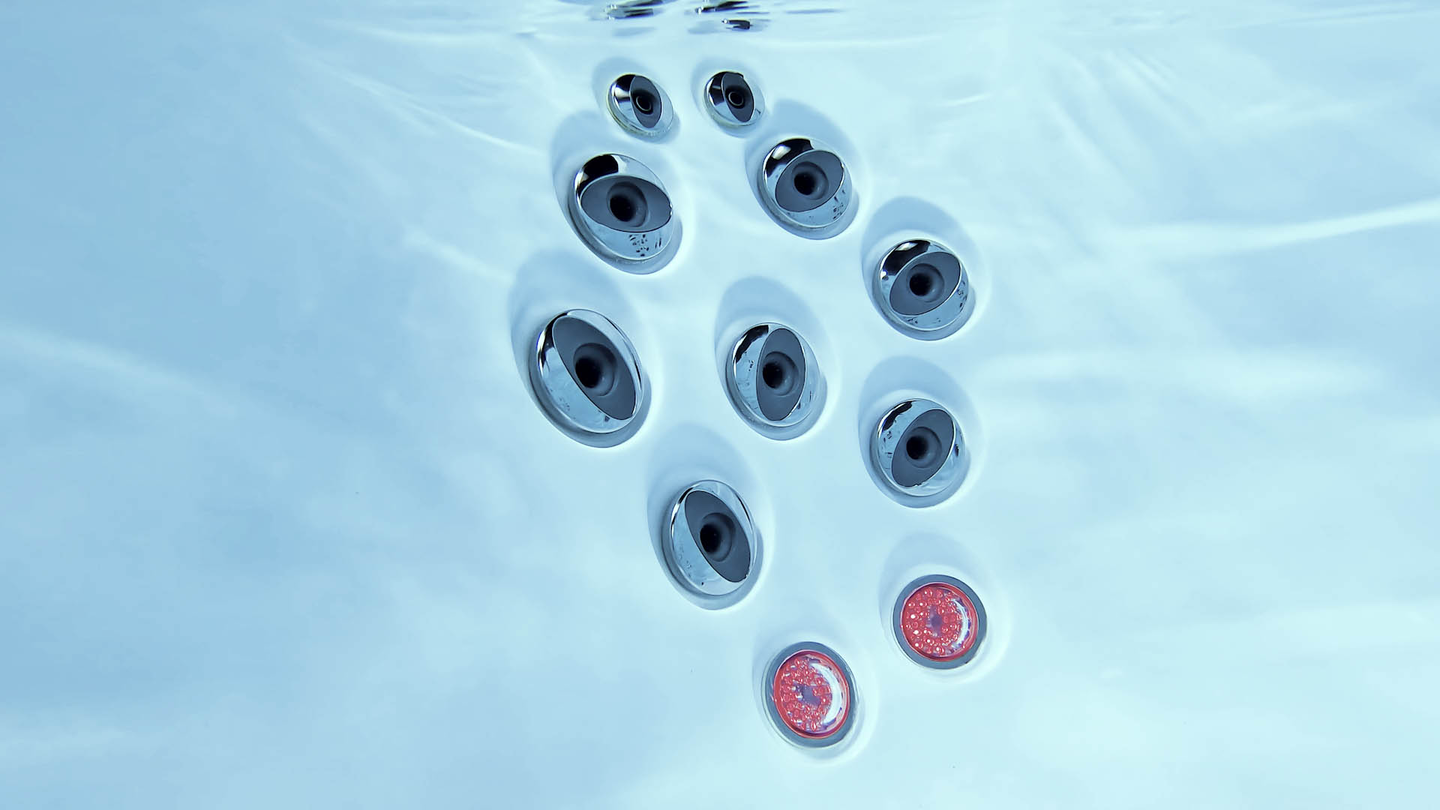


Swim Spa
The latest powerful swim current technology and the historic performance of Jacuzzi® PowerPro™ jets combine to deliver the perfect swim, year-round.
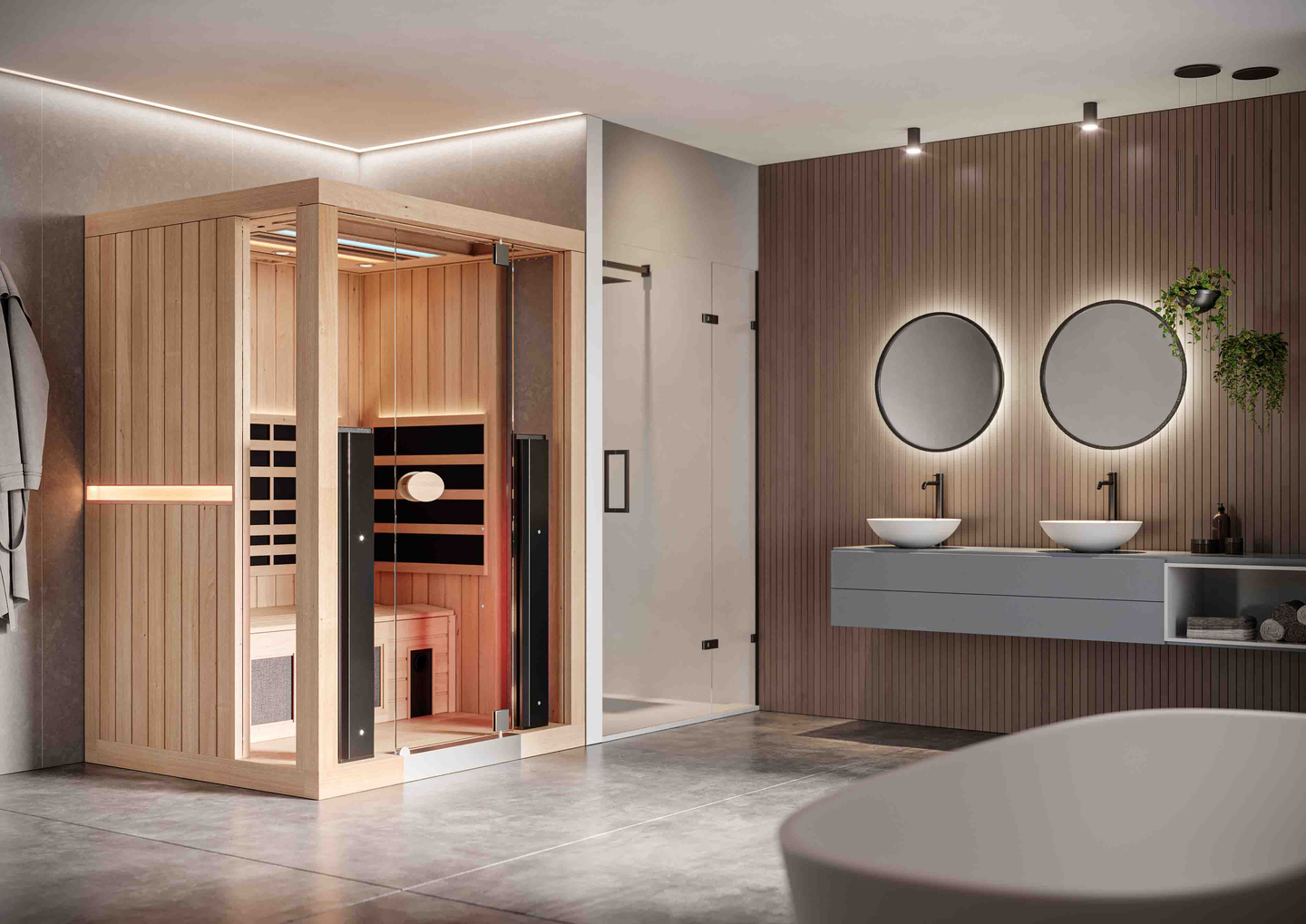
Sauna
Jacuzzi® Infrared Saunas are engineered with full spectrum (near, mid and far) front-facing IR heaters, along with Red Light therapy. Enjoy a comprehensive sauna experience in a single sauna session.