
Can hot tubs really help reduce stress and anxiety? The science explained
Millions of Americans suffer from stress and/or anxiety in their daily lives. The National Institute of Mental Health reports that more than 40 million U.S. adults experience some type of anxiety disorder annually, noting women are more likely to be affected than men.
Meanwhile, the American Institute of Stress references Gallup’s Global Emotions Report, which “found that about 49% of Americans experience significant daily stress... For context, that’s nearly one in every two adults walking through life with a daily undercurrent of tension.”
If you live with stress and anxiety, you know firsthand how difficult these disorders can make everyday life. You may have sought out treatments, medications, and or holistic techniques to help you manage symptoms. Hot tub relaxation is one such relaxation method that is shown to help people manage stress and anxiety. If you have asked the question, “Can hot tubs reduce stress and anxiety?” the answer is yes. And hydrotherapy has proven mental health benefits, too.
This article will delve into the topic of reducing stress and anxiety through holistic methods, such as hydrotherapy. It will also inform you as to why Jacuzzi® hot tubs, in particular, are designed to help your worries wash away with every tranquil soak.
What is stress?
According to the Mayo Clinic, “Stress is an automatic physical, mental and emotional response to a difficult event. It’s a common part of everyone’s life. When used positively, stress can lead to growth, action and change. But negative long-term stress can lessen your quality of life.” The good news is that managing your stress can help you lead a more balanced, healthier life, according to the organization.
What causes stress?
According to the American Institute of Stress, there is no one specific cause of stress. The organization states, “Both the mental and physical signs of stress can be triggered by any number of things.” These can include: getting a bad grade on a test or receiving a poor performance review at work, getting ready to leave for a vacation, relationship issues, having an illness, financial strain, and more.
What is anxiety, and what causes it?
According to the Anxiety and Depression Association of America, “Anxiety disorders are the most common mental illness in the U.S., affecting 40 million adults (19.1% of the population) age 18 and older every year.” The organization adds that “anxiety disorders develop from a complex set of risk factors, including genetics, brain chemistry, personality, and life events.”
Unfortunately, many people who suffer from anxiety often suffer from depression, and vice versa. “Nearly one-half of those diagnosed with depression are also diagnosed with anxiety disorder,” the Anxiety and Depression Association of America states.
In addition to treatment and a medication plan prescribed by your doctor, the organization suggests evidence-based mind-body practices as a complement to these. Examples include:
- Mindfulness
- Meditation
- Yoga
- Acupuncture
- Relaxation techniques
Relaxation techniques in particular can include a variety of experiences, such as spending time outdoors, thinking positively, music and art therapy, and hydrotherapy. The Mayo Clinic, in particular, lists hydrotherapy among relaxation techniques that can help reduce stress and anxiety.
How are anxiety and stress different?
Stress and anxiety can have similar symptoms, sometimes go hand-in-hand or are caused by one another. But they are not the same thing. The National Institute of Mental Health explains a few key differences:
- Stress is often a response to an external cause, while anxiety is generally internal and a stress reaction.
- Stress usually dissipates once the issue is resolved, while anxiety is a persistent feeling of apprehension or dread that doesn’t go away on its own and can even interfere with how you live your life.
- Stress can be positive or negative, while anxiety is constant, even if there is no immediate threat.
Though they are two unique things, stress and anxiety can affect your mind and body in similar ways, with symptoms such as:
- Excessive worry
- Uneasiness
- Tension
- Headaches or body pain
- High blood pressure
- Loss of sleep
Hydrotherapy: Stress relief and mental health benefits
Numerous credible organizations report the benefits of hydrotherapy as a relaxation technique to help reduce stress and anxiety, as well as the mental health benefits of a nice, warm, bubbly soak in your hot tub.
For example, a recent podcast posted on the Cleveland Clinic website featured Dr. Melissa Young on the topic of health benefits of hot tubbing, including for stress management, relaxation, and even “helping with the autonomic nervous system, leading to moving out of that sympathetic fight-or-flight response.” Young even recommends daily hot tub use, or a “couple times a week,” for the average person looking for muscle relaxation and stress reduction.
The American Institute of Stress notes three holistic ways to manage stress, including:
- Ensuring you have a good social support network of friends, family, co-workers, neighbors, or all of these.
- Getting regular exercise, such as taking a walk outside or lifting weights with a friend.
- Getting enough sleep, as being tired, can compound stress.
The great news is that hydrotherapy can boost the benefits of all these situations. After all, spending time in a hot tub is a great way to connect with loved ones and friends as you relax into a social soak, further building the foundation of your support network. Enjoying a hydromassage after exercise has benefits all its own, such as temporarily easing muscle tension, speeding recovery, and easing joint pain. Hydrotherapy has also been shown to help aid in getting a restful night’s sleep, mimicking your body’s natural approach to winding down before bedtime.
How Jacuzzi® hot tubs can help you manage stress and anxiety
Now you know that hydrotherapy is indeed a researched and proven technique to help reduce stress and anxiety. But if you’ve ever researched terms like “Jacuzzi stress management” or if you’ve wondered how Jacuzzi® hot tubs are uniquely designed to help you manage stress and anxiety, this next paragraph is for you.
All Jacuzzi® hot tubs are designed with superior hydrotherapy in mind. From incredible craftsmanship to ergonomically designed seats and loungers designed for your comfort, as well as proprietary specialty jets, Jacuzzi® hot tubs have your relaxation in mind from the first moment you set the temperature.
As the brand continues to evolve its wellness products, each new Jacuzzi® hot tub line is more and more uniquely equipped with unmatched, one-of-a-kind, and first-to-market features that take your hydrotherapy to the next level.
Take, for example, the brand new Jacuzzi® J5™ collection, which features multisensory experiences that are customizable to your needs and mood. Each immersive experience mode features a blend of hydromassage, Infrared therapy and lights, depending on what you wish to achieve with your soak.
These modes include:
- Post-Workout: Target sore muscles to temporarily relieve tension and recover
- Sleep Well: Wind down for sleep with a tranquil soak in soothing hot water
- Infrared Therapy: Promotes healing while temporarily easing pain and relieving inflammation

Everyday Rejuvenation: Refreshing massage promotes circulation and helps you reset from daily stress
Celebration: Watch lights dance to the music and just let go
With the models in the J5™ collection, you can enjoy dual waterfalls with a rich wash of color that illuminates the cascading waterfalls and interior lighting, bathing your hot tub water in a brilliant glow. Responsive glowing lights also brighten as you approach your hot tub, welcoming you to your soak. These lights stay bright as you enter and exit your hot tub, while interior lights adjust in intensity to soundscapes and music. You can also choose from a curated collection of soothing soundscapes to set the tone for a relaxing escape. Adjustable pillows with integrated surround sound come standard.
In addition to the J5™ collection, a wide array of Jacuzzi® hot tubs in several of the brand’s premium collections offer features such as Infrared + Red Light therapy that work together deep beneath your skin’s surface to temporarily relieve pain, improve your range of motions, and, perhaps most importantly, help you reach a state of mindfulness.
In your Jacuzzi® hot tub, you don’t have to stress or worry; you can allow the soothing environment to melt away your anxieties. Take a deep breath, exhale, and simply unwind. Try some meditation, mindfulness, gratitude, or breathing techniques as you soak. Combined, these methods just may be the key to relieving your stress and anxiety, in the moment, at least.
Before purchasing a Jacuzzi® hot tub, you might try a wet test at your local Jacuzzi® hot tub dealer. This experience allows you to get into the model you like while it is filled and operating, so you can “try out” the fit, the jets, the features, and more. Your knowledgeable Jacuzzi® hot tub dealer can also answer any questions and help guide you to choosing the best Jacuzzi® hot tub for your needs.
Frequently Asked Questions (FAQs): Can hot tubs really help reduce stress and anxiety? The science explained
Q: Are stress and anxiety the same thing?
A: No, but people often experience them together, or as a result of one another. Stress is often a response to an external cause and can go away once the issue is resolved. Anxiety, on the other hand, can persist even if there is not an immediate threat, and it can often interfere with your everyday life.
Q: What are the most common symptoms of stress and anxiety?
A: Though they are different diagnoses, stress and anxiety have many of the same symptoms, including excessive worry, uneasiness, tension, headaches or body pain, high blood pressure, and loss of sleep.
Q: Can hot tubs really help reduce stress and anxiety?
A: Yes. There is sufficient support from many credible organizations that recognize the role that hydrotherapy can play in helping to reduce stress and anxiety, if even just temporarily. Hydrotherapy is recognized as a valid relaxation technique that can help reduce stress, support the autonomic nervous system, ease muscle tension, and promote better sleep.
Q: What holistic techniques can complement medical treatment for anxiety?
A: Some evidence-based mind-body practices include mindfulness, meditation, yoga, acupuncture, and relaxation techniques, which can include hydrotherapy.
Disclaimer: Jacuzzi® is a registered trademark of Jacuzzi Group. All rights reserved.
Medical Disclaimer: We are not medical professionals. This content is for informational purposes only and is not a substitute for medical advice, diagnosis, or treatment. Always consult your physician or a qualified healthcare provider with questions regarding any medical condition.
Learn More With Our Hot Tub Buying Series
Unlock the secrets to the perfect hot tub with our exclusive email series. Get expert advice and tips right in your inbox. Subscribe now and take the first step towards finding your ideal hot tub.
Hot Tub Buying Series
Explore Categories


Explore Products

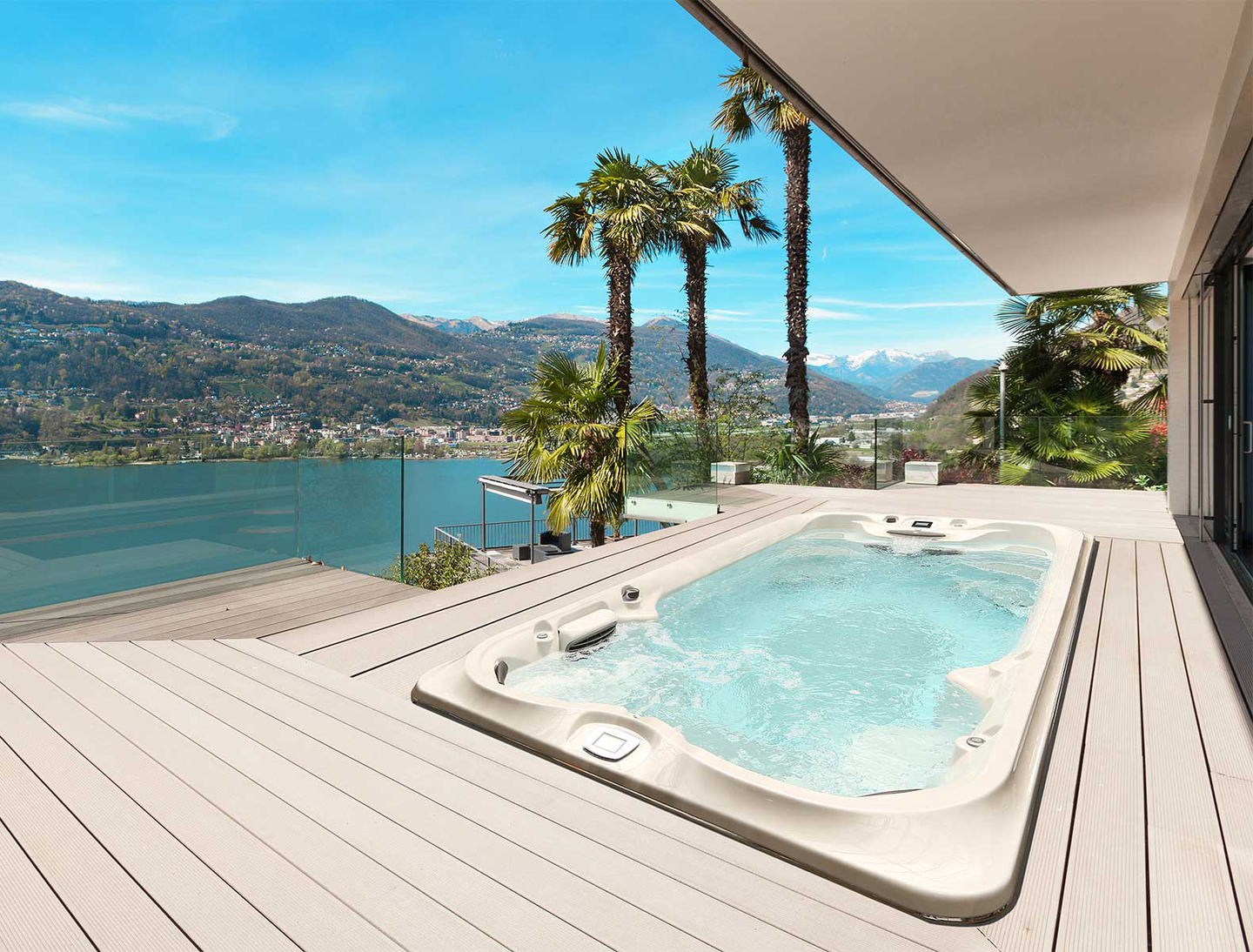
Swim Spa
The latest powerful swim current technology and the historic performance of Jacuzzi® PowerPro™ jets combine to deliver the perfect swim, year-round.
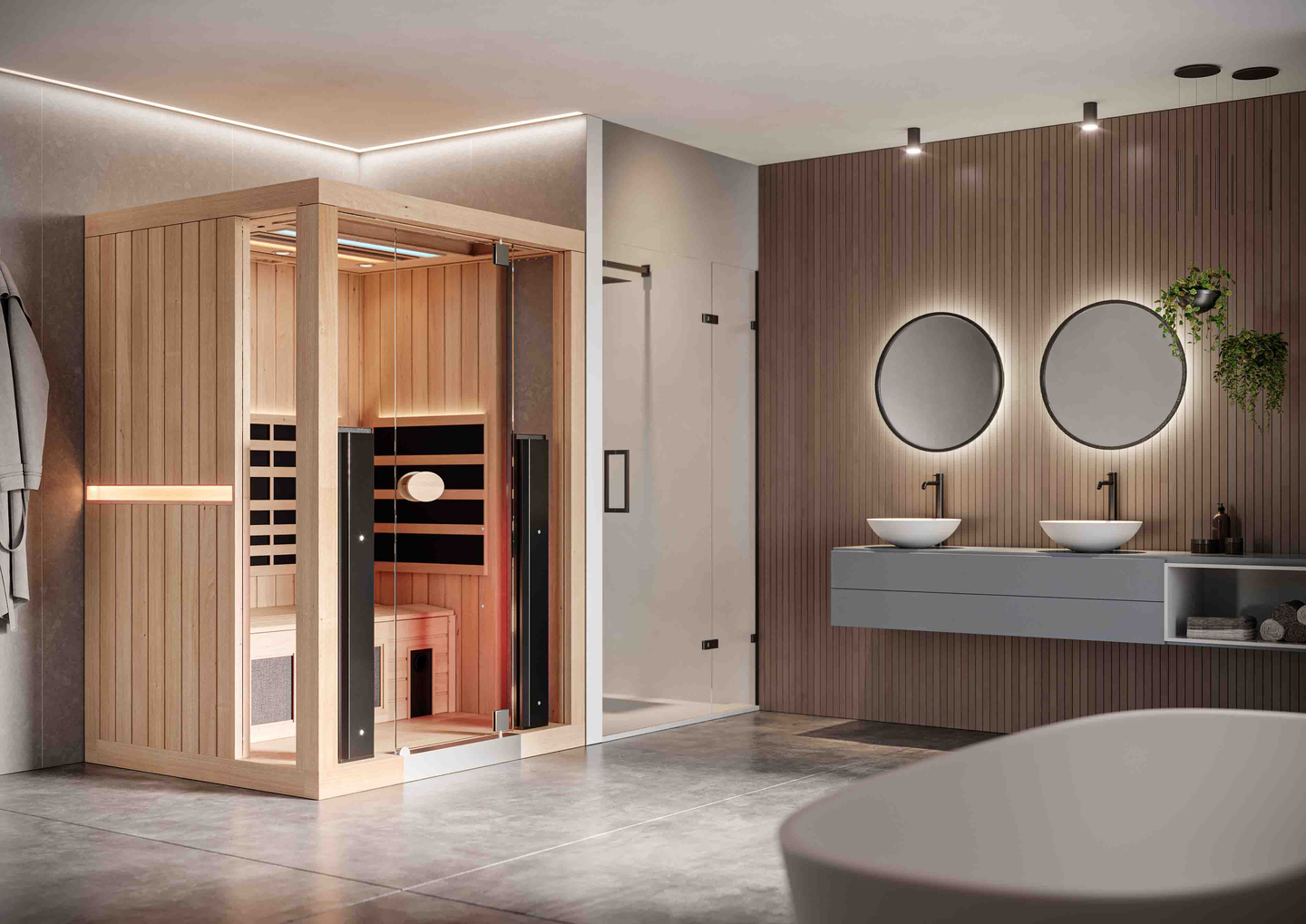
Sauna
Jacuzzi® Infrared Saunas are engineered with full spectrum (near, mid and far) front-facing IR heaters, along with Red Light therapy. Enjoy a comprehensive sauna experience in a single sauna session.