
Hot Tub Jets Not Working: How Do They Work in a Jacuzzi® Spa?
12 Minute Read
Every Jacuzzi® spa relies on a carefully engineered circulation system that transforms ordinary water into therapeutic hydrotherapy. The pump, filtration, heater, plumbing lines, and precision-designed jets work together as an integrated system to deliver targeted, pressurized streams of warm water exactly where your body needs relief. Hot tub jet issues typically stem from restricted water flow, air trapped in the plumbing, dirty filters, broken or loose jets, or mechanical pump failures. Jets may be broken, loose, or have internal damage, and broken components can cause symptoms like jets sputtering, losing power, or falling out. Understanding this flow helps you troubleshoot when something interrupts the process.
The primary pump pulls water from the spa through dedicated suction fittings, sends it through the filter to remove debris, routes it past the heater to maintain your ideal temperature, and then forces it through plumbing lines to each jet body. At the jet, water mixes with air drawn through air controls, creating that distinctive massage effect that Jacuzzi® pioneered decades ago. It’s important to check for clogging in the filter and jets, and ensure the water level is at the recommended level—well above the highest jets and skimmer—to prevent air being drawn in and causing jets not working due to air trapped in the system. Dirty filters are a common cause of weak or non-working jets, and cleaning or replacing dirty filters is a key solution. Filters should be removed and rinsed with a hose, and heavily soiled or damaged filters should be replaced.
Modern Jacuzzi® hot tubs—especially 4–6 person models manufactured after 2018—feature diverter valves that allow you to direct more flow to specific seating areas or therapy zones. This gives you control over which jets receive maximum pressure at any given moment, letting you customize your hydrotherapy experience. After adjusting air controls and diverter valves, always check that jet valves are fully open for proper operation. If jets are still not working, check for loose jets or connections and tighten them if necessary. Inspecting for clogs involves removing a jet nozzle and checking for debris or calcium buildup. Debris or mineral buildup, such as calcium, is a common cause of hot tub performance issues.
It’s important to understand the difference between these key components:
- Water flow controls (diverter valves): Route water between different zones or seats
- Air controls: Add air to the water stream for a more vigorous massage sensation
- Individual jet faces: Can typically be turned on, off, or adjusted for direction and intensity
Individual jets can often be turned off at the jet face itself, and diverter valves can also be used to control flow to specific jets.
When any part of this chain—water level, filter, pump, plumbing, controls, or the jet body itself—becomes restricted, loose, broken, or damaged, jets may feel weak, sputter, or stop working entirely. If your jets are not working, use the control panel to test the jets, push the ‘Jets’ button or other controls to verify functionality, and check for error codes like FLO (flow issue) or OH (overheating). Always verify that the hot tub is receiving power and that the control panel is active before starting repairs. Inspecting the panel (side panel or control panel) is important to access internal components for troubleshooting. Pumps play a crucial role in supplying water to the jets, so check their operation if jets are not working. If the pump is humming but no water is coming out after refilling, it indicates trapped air in the lines. A pump that hums but won't start might have a failed capacitor, a jammed impeller, or internal corrosion. The typical lifespan for a pump motor is between 5 to 10 years before it might require replacement. If the pump shows signs of malfunction, it may need to be repaired or replaced.
Fixing hot tub jets involves a series of troubleshooting steps, ranging from simple adjustments to complex repairs, and replacement parts such as jet inserts and repair assemblies may be needed. Hot tub jet repair kits allow users to repair jets without accessing the back of the tub, and hot tub owners can purchase specific repair kits designed for their jet models. Repairing or replacing malfunctioning jets can extend the life of your spa and improve your soaking experience. If troubleshooting steps fail, a failed motor capacitor or electrical fault in the control panel may require professional repair.
Here are some tips for diagnosing and fixing common jet issues:
- Check for dirty filters and clean or replace them.
- Inspect for broken or loose jets and tighten or replace as needed.
- Remove jet nozzles to check for debris or calcium buildup.
- Follow the manual and manufacturer instructions for cleaning, adjusting, or repairing jets.
- Have a clear idea of the problem to help resolve jet or pressure issues effectively.
For example, if you notice that one seat’s jets are weak while others are strong, try adjusting the diverter valve and air controls, check for dirty filters, and inspect for loose or broken jets in that area. This approach helps you systematically identify and resolve the issue with a practical solution.
Introduction to Hot Tubs
Your personal wellness sanctuary awaits in your backyard—a place where warm, therapeutic waters melt away life's tensions through the art of hydrotherapy. Yet nothing interrupts this restorative ritual quite like discovering your carefully crafted jet experience isn't delivering the soothing embrace you deserve. When those therapeutic streams sputter or pause unexpectedly, it can feel like losing that perfect moment of restoration you've been craving. The welcome truth is that most jet concerns can be restored to their full, enveloping performance through a few thoughtful steps that honor both your time and your wellness journey. In this guide, we'll gently walk you through the process of identifying and resolving these common interruptions, so you can return to the effortless relaxation that defines your spa moments. Whether you're beginning your wellness journey or you're a devoted enthusiast, these insights will help ensure your therapeutic jets continue delivering the perfect balance of power and serenity that transforms your everyday into something extraordinary.
Components of Hot Tub Jets
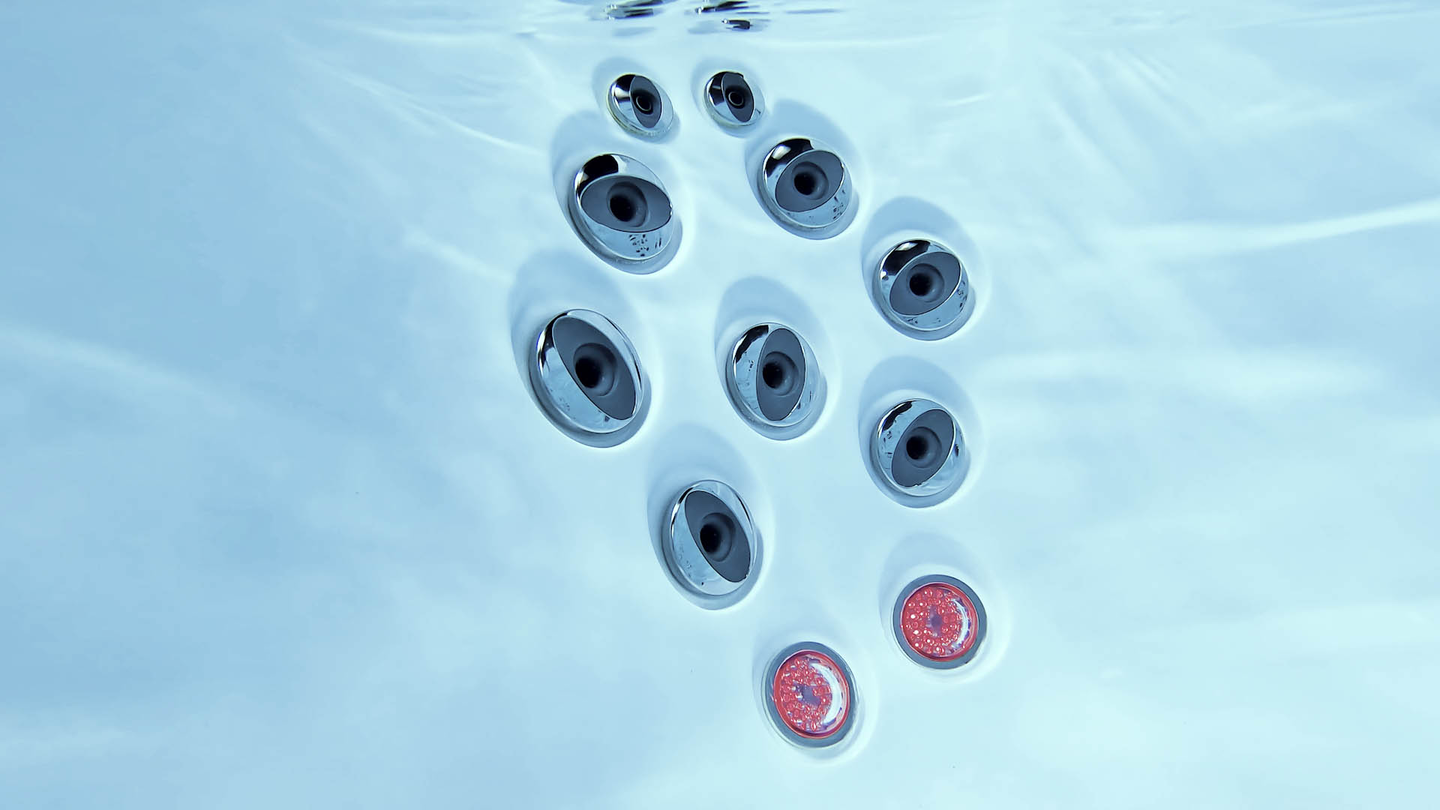
Understanding the heart of your hydrotherapy experience begins with knowing your jets—the elements that transform ordinary water into your personal sanctuary. Each jet is masterfully designed with three essential components: the jet nozzle, the valve, and the connecting pipe. The jet nozzle is the welcoming gateway you see within your spa, thoughtfully directing healing waters exactly where your body needs restoration. The valve acts as your personal flow curator, ensuring each jet delivers precisely the right pressure for your perfect massage, while the connecting pipe carries this rejuvenating flow from your spa's powerful heart to every therapeutic touchpoint. When life's everyday debris finds its way into these pathways—often through filters that need refreshing—your sanctuary's restorative power can gradually fade, leaving you with a massage that feels less than extraordinary. Picture this: a filter heavy with the day's residue can quietly steal away that invigorating flow, transforming your powerful retreat into something that feels hesitant and uneven. The beautiful truth is that maintaining your wellness oasis is simpler than you might imagine—regularly refreshing and replacing your filters is all it takes to ensure every component works in perfect harmony, delivering the consistent, powerful restoration your body deserves.
How Jets Work
Your hot tub jets deliver their restorative massage through a beautifully orchestrated dance of water and air—precision engineering designed for your complete relaxation. Water flows from your spa through thoughtfully designed pathways to each jet, where it meets carefully controlled air to create the perfect therapeutic pressure that melts tension away. This harmonious blend creates powerful streams that flow through each nozzle, delivering the deep, soothing relief your body craves. When your jets aren't performing as they should, it's often because trapped air has found its way into the system, gently blocking the water's natural flow. Sometimes, life's debris or natural minerals can interrupt this wellness ritual. Restoring your jets is simple and empowering—drain and refill your spa to release any trapped air, or clear stubborn blockages with gentle care using proper tools. Maintaining this seamless flow ensures every moment in your spa delivers the rejuvenating experience that makes wellness feel effortless.
Maintaining Water Level
Maintaining the perfect water level in your spa creates the foundation for an exceptional hydrotherapy experience—one where every jet delivers the restorative power you deserve. When water levels drop too low, your system begins drawing air instead of the soothing flow that melts tension away, creating disruptions that interfere with the seamless relaxation you've invested in. Conversely, overfilling places unnecessary stress on your carefully engineered components, potentially compromising the precision-crafted performance that defines true wellness. Mindful spa owners embrace the simple ritual of checking water levels regularly—especially after those blissful extended sessions or routine care—because exceptional experiences begin with thoughtful attention to detail. Trust in the expertise of your manufacturer's recommendations for optimal water levels, as this wisdom protects both your investment and ensures the powerful, consistent hydrotherapy that transforms ordinary moments into extraordinary restoration. This effortless practice becomes the cornerstone of preventing common performance issues, allowing you to focus on what truly matters—your journey to wellness.
Troubleshooting Air Lock Problems
Even the most lovingly maintained spa can occasionally experience an air lock—a gentle disruption that temporarily silences the restorative power of your hydrotherapy jets. An air lock occurs when air finds its way into the water lines, interrupting the seamless flow that transforms ordinary water into your personal wellness sanctuary. Fortunately, with a few mindful steps rooted in spa expertise, you can restore your jets to their full, rejuvenating embrace and reclaim the restorative moments you deserve.
Begin by gently powering down your spa to honor both its precision engineering and your well-being. Next, locate the bleeder valves positioned near the pump—these thoughtfully designed components are your gateway to releasing any trapped air from the system. Carefully open these valves and listen for the soft whisper of air escaping; this simple act can restore the harmonious water flow that brings your jets back to life. Once you've released the air, restart your spa and engage the jets at their highest setting, experiencing firsthand as they return to delivering that familiar, therapeutic embrace your body craves.

Your hydrotherapy experience deserves nothing less than perfect flow, yet sometimes even the most expertly crafted systems need gentle attention to restore their full wellness potential. When air finds its way into the circulation pathways, it can interrupt the soothing rhythm your jets are designed to deliver, causing them to hesitate or pause altogether—but this simply means your system is asking for a moment of care. Water that flows freely through clean, well-maintained filtration creates the foundation for truly restorative moments, which is why nurturing these essential components with regular attention ensures your relaxation remains uninterrupted. Occasionally, the precision-engineered jets themselves may shift or show signs of wear, affecting the therapeutic flow that melts tension away—a gentle inspection and timely replacement when needed preserves the effortless luxury you deserve. By responding to these moments with the care your wellness sanctuary requires, you're not just maintaining equipment—you're protecting the daily restoration that makes life more beautiful.
Long-Term Maintenance
To preserve your wellness sanctuary for years of restorative indulgence, thoughtful care becomes second nature. Discerning owners nurture their experience by refreshing filters with gentle consistency—ensuring the pure, therapeutic flow that defines true relaxation remains uninterrupted. Monitor water levels with the same attention you’d give any cherished ritual, refresh your sanctuary periodically, and clear away nature’s offerings that might disturb the seamless harmony of your retreat. After refreshing your sanctuary, always use a good-quality cover to protect your hot tub from debris, weather, and damage during periods of non-use. Inspect each element for signs that whisper of renewal needed, replacing components before they compromise your moment of escape. As part of long-term maintenance, draining the hot tub before extended periods of disuse or winterizing is essential to keep the system clean and functioning properly. Regular cleaning of filters and jets helps prevent water from being obstructed or leaking, ensuring proper operation and avoiding flow problems. This mindful approach prevents the interruptions that can steal away your tranquility—air pockets, restricted flow, and mechanical discord that transform restoration into frustration. With this purposeful attention, your personal haven continues delivering the effortless luxury of pure rejuvenation, where every soak becomes a return to your most centered self.
Learn More With Our Hot Tub Buying Series
Unlock the secrets to the perfect hot tub with our exclusive email series. Get expert advice and tips right in your inbox. Subscribe now and take the first step towards finding your ideal hot tub.
Hot Tub Buying Series
Explore Categories


Explore Products

Swim Spa
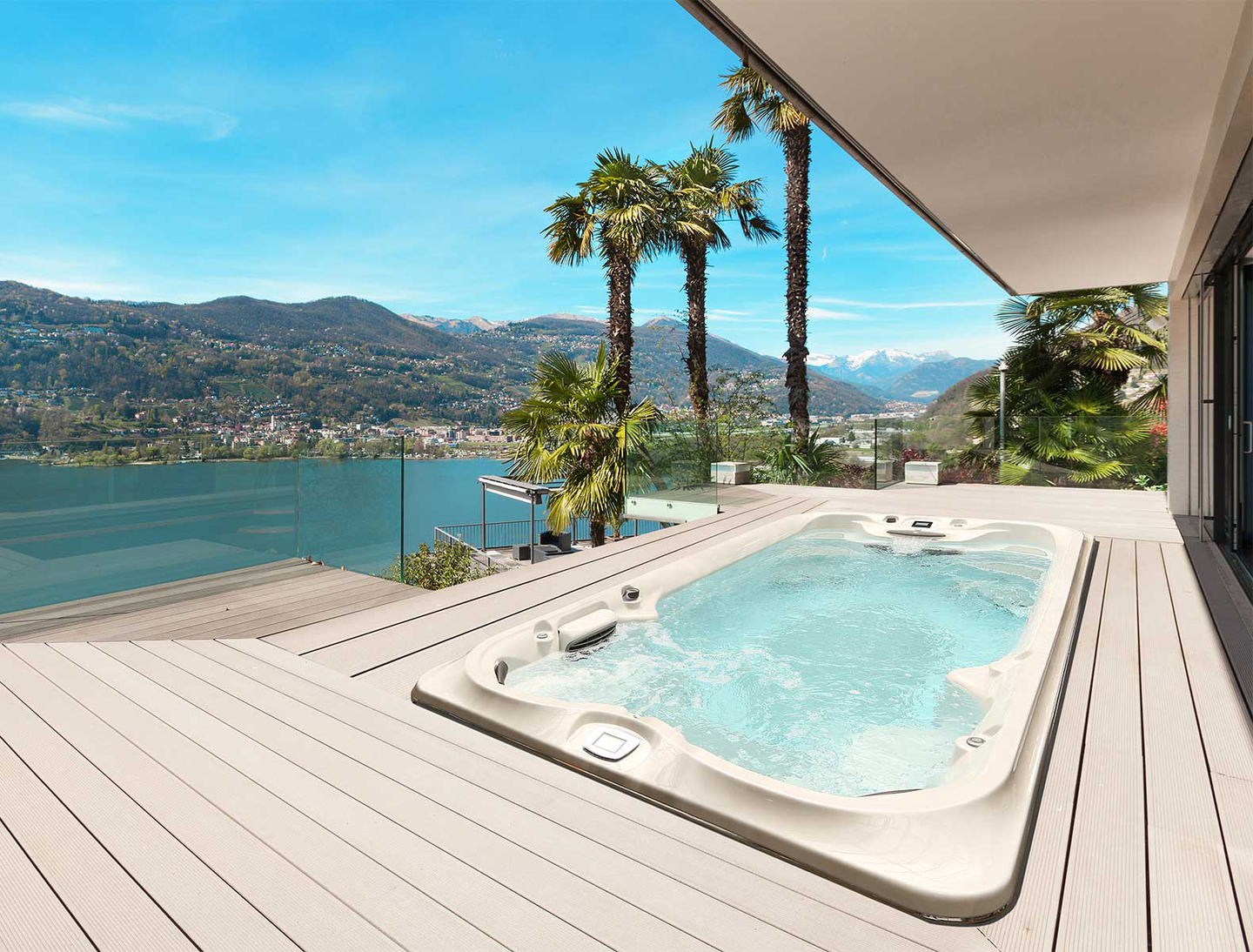
The latest powerful swim current technology and the historic performance of Jacuzzi® PowerPro™ jets combine to deliver the perfect swim, year-round.
Sauna
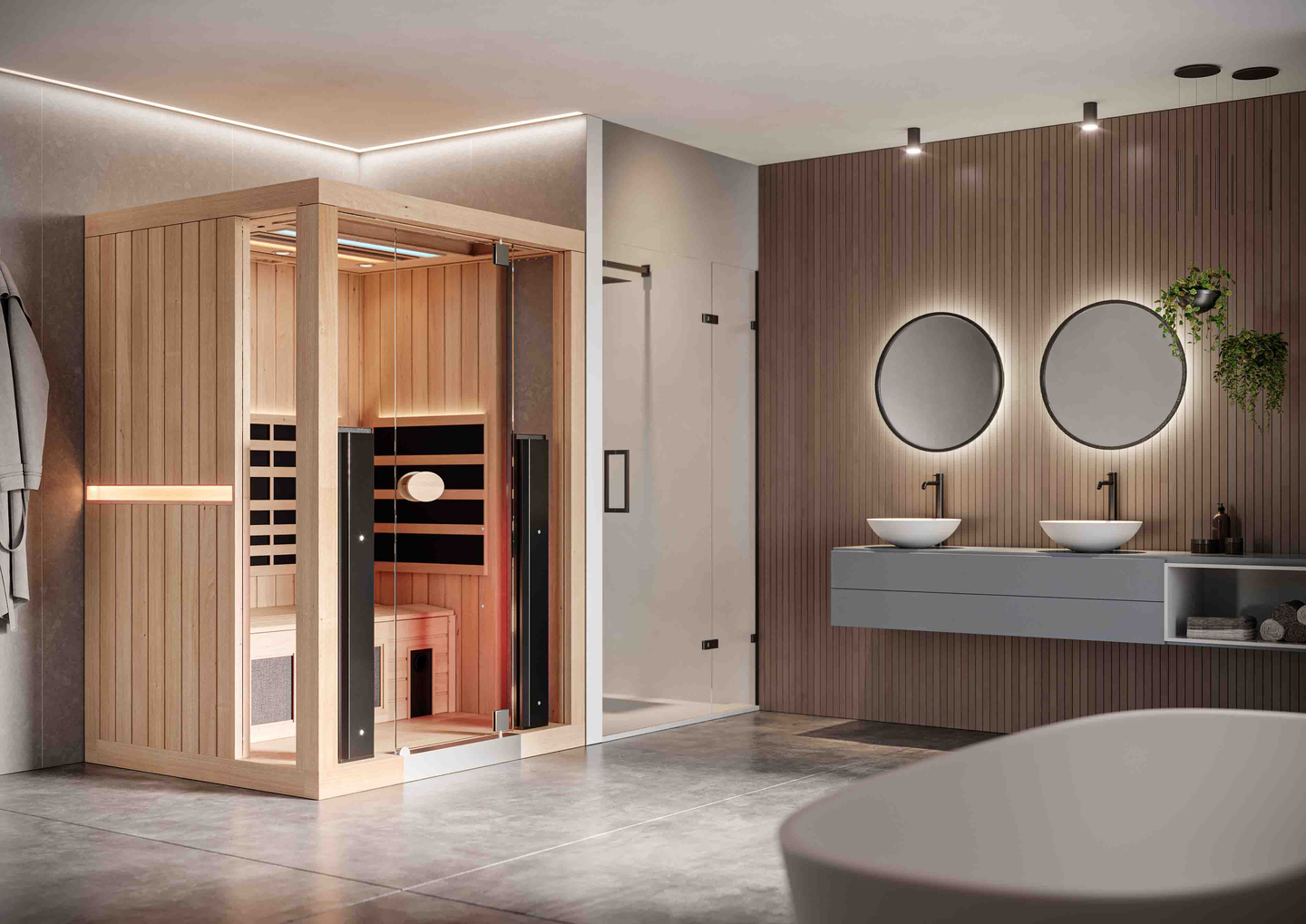
Jacuzzi® Infrared Saunas are engineered with full spectrum (near, mid and far) front-facing IR heaters, along with Red Light therapy. Enjoy a comprehensive sauna experience in a single sauna session.