


FINDING THE IDEAL HOT TUB TEMPERATURE
8 Minute Read
As you embark on your journey with your new Jacuzzi® hot tub, it’s crucial to explore various water temperatures right from the start. The upper limit is generally 104°, which is the maximum safe temperature recommended by the U.S. Consumer Product Safety Commission. Beneath this threshold, there isn’t a universally “correct” temperature. It’s more about discovering what temperature provides you the most comfort and enjoyment. The ideal temperature is a matter of personal preference, and hot tub users prefer different settings based on comfort and season. During spring and fall, a hot tub temperature of around 100°F to 102°F is often preferred. Once you’ve pinpointed your preferred temperature, you can fully harness the therapeutic benefits of hot water, to help ease muscle aches and improve sleep quality. When the hot tub temperature is on the higher side, it is recommended to limit soaks to 15-20 minutes. During colder months, users may prefer warmer settings, while in summer, many lower the temperature to 95°F or below for a cooler soak. Let’s delve into how to determine your perfect hot tub water temperature and touch upon the basics of hydrotherapy, which involves using warm water for health advantages.
Maintaining ideal hot tub water also means paying attention to water balance and performing regular testing. This ensures your water stays safe, clean, and comfortable for every soak.
Key Insights on Water Temperature
- Most individuals who use hot tubs favor temperatures between 100°F and 102°F.
- The ideal range for most users is 100°F to 102°F, but personal preference and seasonal changes may affect this.
- While 104°F is the recognized upper limit, some users find this temperature ideal.
- It is recommended to limit soaks to 15-20 minutes when the hot tub temperature is on the higher side.
- For children under 5, hot tubs should not exceed 95°F, and their time should be limited to 5-10 minutes. For pregnant women, it is recommended not to exceed 100°F–102°F for a maximum of 10–15 minutes.
- Pregnant individuals should seek medical advice before using a hot tub.
- Regular testing of hot tub water is essential to maintain safety, proper chemical balance, and overall water quality.
Identifying Your Ideal Hot Tub Temperature
To maximize your hot tub experience, it’s vital to find the right temperature, as the ideal water temperature can aid muscle recovery and relieve joint pain. For new owners, we suggest trying different temperatures when the whole family is around. Usage patterns and seasonal changes, such as warmer months, may require adjustments to your hot tub maintenance routine to maintain proper chemical balance and water quality. Once you agree on a comfortable range, try to maintain it to avoid unnecessary increases in operational costs and potential wear and tear. The US Consumer Product Safety Commission notes that an optimal hot tub water temperature is usually between 100°F and 102°F.
Balanced water not only ensures comfort but also protects your skin, your equipment, and your time. Regular maintenance routines help prevent issues and ensure a safe, pleasant soak.
A Glimpse into the History of Hydrotherapy
Water has been a natural healer for millennia, with the therapeutic benefits of hydrotherapy recognized in ancient civilizations. The Egyptians used heated waters infused with flowers and herbs for bathing, the Greeks saw water therapy as key to maintaining health, and the Romans utilized warm pools and steam for various medical treatments. Hydrotherapy’s mental and physical health benefits have stood the test of time, offering relief for issues like joint discomfort and sleeplessness, and the pursuit of the perfect spa experience has driven the evolution of hydrotherapy.
Hydrotherapy's Modern Revival with Jacuzzi® Hot Tubs
Jacuzzi® hot tubs have modernized the age-old practice of hydrotherapy, enhancing its effectiveness. Water clarity is a key indicator of a well-maintained hot tub; murky water can signal underlying problems with water chemistry that need immediate attention. Balanced water chemistry is essential for maximizing the benefits of hydrotherapy, as it prevents cloudy water and odors, contributing to a more enjoyable soak. Unbalanced water can cause itchy skin, discomfort, and even red eyes, while also potentially damaging the hot tub walls, deck, equipment, and surrounding surfaces. Maintaining proper sanitizer levels is key to keeping hot tub water clean and safe. Sanitizers like chlorine or bromine eliminate bacteria, keeping your water safe and clear, and shock treatments enhance the effectiveness of primary sanitizers by eliminating contaminants that regular sanitizers might miss. The ideal pH level for hot tub water should be between 7.2 and 7.8, and total alkalinity acts as a buffer to stabilize pH levels. Chlorine should be maintained between 1-3 ppm and bromine between 3-5 ppm for optimal sanitation. Water that is too acidic can cause corrosion, while high pH can lead to cloudy water and scale buildup. Testing hot tub water and keeping the key components in balance will keep it from becoming too acidic or too alkaline. Regular maintenance and proper chemical balance help ensure the hot tub stays clean, water quality is maintained, and the experience remains comfortable for all users.
Hot tubs are incredibly beneficial for addressing physical issues such as muscle stiffness, inflammation, and spinal discomfort. Beyond physical health, hydrotherapy can have a positive impact on mental wellness. A brief session in the hot tub can dissolve daily stress, and if you struggle with insomnia, a dip in the hot tub can prime your body for a restful sleep by relaxing you and lowering your internal temperature afterwards.
Safety Precautions
Crafting your perfect wellness sanctuary isn't simply about discovering your ideal water temperature—it's about ensuring every moment of restoration feels as safe as it is transformative. When safety becomes second nature, you're free to fully embrace the therapeutic embrace of your Jacuzzi® hot tub, whether you're seeking relief that melts away muscle tension, soothes joint discomfort, or creates those precious moments where the world simply fades away.
Begin each wellness ritual by honoring your water's perfect temperature. While most find their sweet spot between 100°F and 102°F, true luxury means considering every soul who will share this restorative space. Little ones, those who've earned wisdom with age, and anyone with special wellness needs may find their comfort in cooler waters. Let your fingertips test the welcome before you slip in, adjusting your sanctuary's embrace to match your personal retreat and the season's call.
Nurturing balanced water chemistry becomes an act of self-care that pays dividends in pure comfort. Regular testing with strips or liquid kits reveals the hidden harmony of pH, alkalinity, and sanitizer levels—the invisible guardians of your wellness oasis. When your water achieves this perfect balance, cloudy disappointments and skin irritation become distant memories, while your sanitizer works like a devoted guardian, keeping every drop clean and inviting. The right chemistry—pH balancers, revitalizing shock treatments, and calcium hardness enhancers—transforms water quality into liquid luxury while protecting the very heart of your spa from the wear of time.
Mindful maintenance becomes a meditation on longevity and lasting comfort. Make it your wellness ritual to lovingly tend your filters and surfaces, whisking away any debris that might cloud your clarity or create unsafe footing. Keep a watchful eye on pump seals and heating elements, ensuring they hum with quiet efficiency, and address any whispers of concern before they become costly conversations. A spa that receives this thoughtful attention doesn't just stay pristine and energy-wise—it becomes a consistently welcoming embrace that promises safety and serenity with every soak.
By weaving these gentle safeguards into your regular wellness practice, you create more than a hot tub—you cultivate a personal retreat where water purity, comfort, and complete peace of mind flow together in perfect harmony. With attentive monitoring, thoughtful chemical balance, and caring maintenance, your ideal sanctuary remains your trusted companion for wellness and luxury through countless seasons—offering the perfect escape for muscle restoration, deeper sleep, and the daily renewal that makes life more beautiful.

Hot Tub Maintenance
Nurturing your personal sanctuary transcends simply achieving the perfect temperature—it’s about creating water that welcomes you into pure, crystalline serenity with every immersion. Thoughtful stewardship of your wellness haven prevents the disruption of cloudy water, mineral deposits on pristine hot tub surfaces, and premature wear on the precision-engineered systems that deliver your daily restoration.
Begin with the art of water harmony, monitoring your chemical balance as a mindful ritual that ensures your sanctuary remains perfectly calibrated. Using essential chemicals such as pH balancers, sanitizers, and shock treatments is critical to maintain proper water parameters and overall water balance. Testing the water regularly and monitoring water parameters like pH, alkalinity, and sanitizer levels helps keep your hot tub water safe, clean, and comfortable. When water chemistry drifts from its ideal state, it can cloud your refuge, irritate sensitive skin, and compromise the advanced heating elements and pump seals that power your restorative experience. Test strips become your trusted ally in this gentle practice, guiding you to add precisely what’s needed to maintain that perfect equilibrium. Regular testing is necessary to prevent bacteria growth and equipment damage.
Embrace the rhythm of filter care as an essential part of your wellness stewardship. Clean, well-maintained filters ensure your water remains crystal clear while protecting the sophisticated systems that create your daily escape. Regularly cleaning and replacing filters is crucial for maintaining water quality in hot tubs. A weekly rinse and the manufacturer-recommended deep cleaning or replacement schedule keeps everything flowing effortlessly, just as luxury should.
Draining, cleaning the interior shell, and refilling the hot tub with fresh water every 3–4 months is important to manage high total dissolved solids (TDS). High TDS can complicate water balance, cause cloudy water, scale buildup, corrosion, and harsh water. Maintaining calcium hardness between 150-250 ppm helps protect hot tub components from corrosion. Using a pH increaser raises low pH levels, while a pH decreaser lowers high pH levels. Foam reducers can be used to manage foam caused by contaminants like oils and soaps.
When adding chemicals, always keep the cover open after treatment to allow gases and chemicals to dissipate safely. Run the jets for at least 15–20 minutes after adding chemicals to ensure even distribution throughout the spa water. While similar principles apply to swimming pool and spa water maintenance, hot tubs require more frequent attention due to higher temperatures and smaller water volumes.
A well-fitted cover is essential for reducing heat loss, maintaining water temperature, and improving energy efficiency. Keeping your hot tub water balanced protects hot tub surfaces and equipment from corrosion and scaling. Regular maintenance and proper chemical balance help keep your hot tub clean and ensure it stays clean, clear, and free of odors.
Learn More With Our Hot Tub Buying Series
Unlock the secrets to the perfect hot tub with our exclusive email series. Get expert advice and tips right in your inbox. Subscribe now and take the first step towards finding your ideal hot tub.
Hot Tub Buying Series
Explore Categories


Explore Products


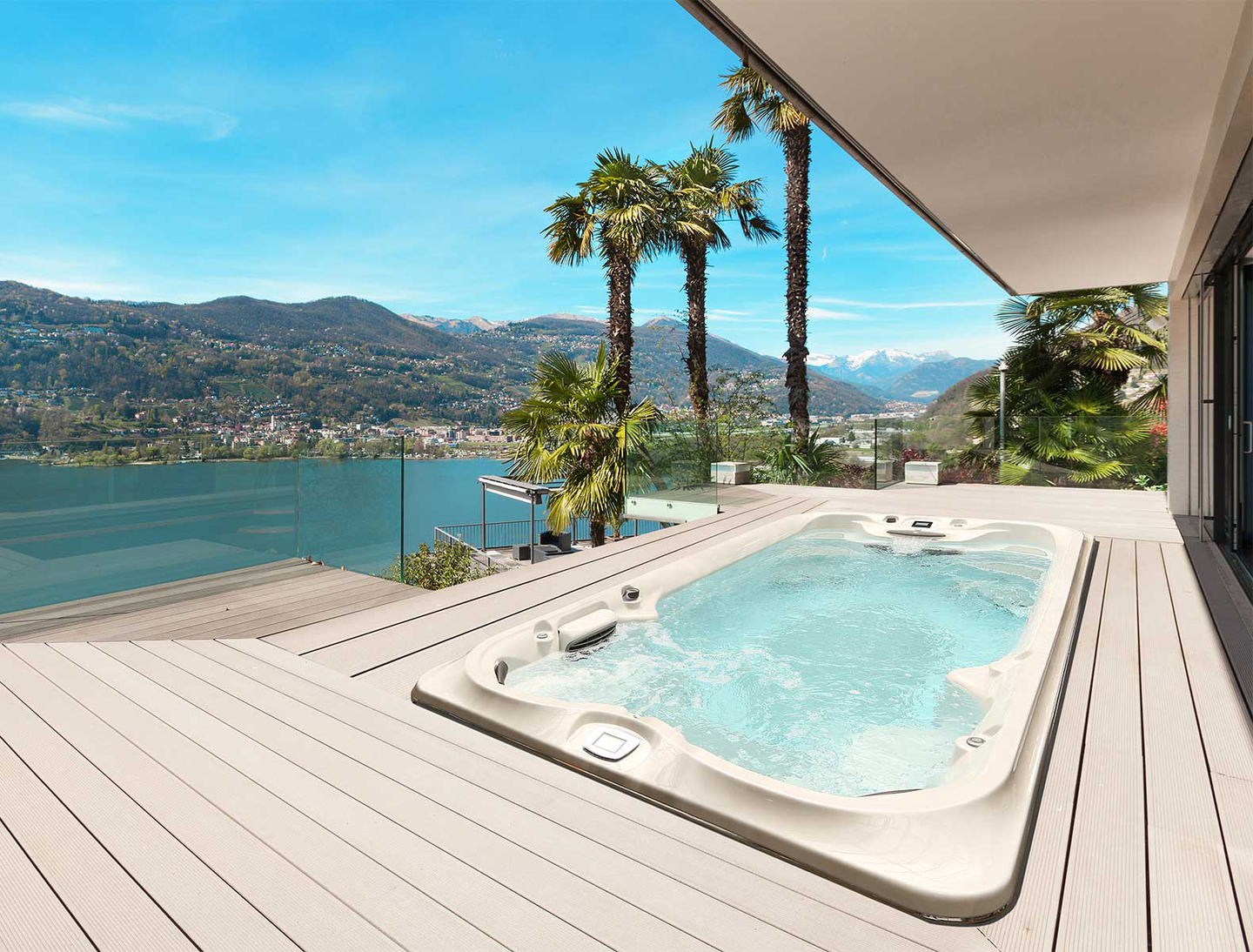
Swim Spa
The latest powerful swim current technology and the historic performance of Jacuzzi® PowerPro™ jets combine to deliver the perfect swim, year-round.

Sauna
Jacuzzi® Infrared Saunas are engineered with full spectrum (near, mid and far) front-facing IR heaters, along with Red Light therapy. Enjoy a comprehensive sauna experience in a single sauna session.