
The art of anxiety management from panic attacks to peaceful mind: Hot tub hydrotherapy for more natural anxiety relief
12 Minute Read
Unfortunately, anxiety is a common ailment among people around the world, particularly in the United States. According to the National Alliance on Mental Illness (NAMI), “Over 40 million adults in the U.S. (19.1%) have an anxiety disorder.” Finding anxiety relief can be a lifelong struggle for many people, and many people want to try and treat anxiety more naturally.
This article will focus on the topics of anxiety and anxiety management. It will also address how hot tub therapy, in particular, can help you manage your anxiety more naturally and provide lasting relief. As you read on, you will learn about the symptoms surrounding anxiety, some management tools that can help you achieve a more peaceful mind, and how hot water therapy specifically can be an advantageous and enjoyable way to manage your anxiety. Finally, this article will address how Jacuzzi® Hot Tubs are uniquely equipped to help you manage your anxiety through superior hydrotherapy.
What is anxiety?
NAMI states, “Anxiety disorders are a group of related conditions, each having unique symptoms. However, all anxiety disorders have one thing in common: persistent, excessive fear or worry in situations that are not threatening.” Some types of anxiety disorders include generalized anxiety disorder, social anxiety disorder, panic disorder, and phobias.
The organization states that symptoms of anxiety can include:
- Feelings of apprehension or dread
- Feeling tense or jumpy
- Restlessness or irritability
- Anticipating the worst and being watchful for signs of danger
- Pounding or racing heart and shortness of breath
- Sweating, tremors, and twitches
- Headaches, fatigue, and insomnia
- Upset stomach
What causes anxiety?
While the Mayo Clinic states that experiencing occasional anxiety is a normal part of life, “people with anxiety disorders frequently have intense, excessive and persistent worry and fear about everyday situations.” But what causes this?
NAMI states that scientists believe many factors combine to cause anxiety disorders, including genetics and environment:
- Genetics—“Studies support the evidence that anxiety disorders “run in families,” as some families have a higher-than-average amount of anxiety disorders among relatives.”
- Environment—“A stressful or traumatic event such as abuse, death of a loved one, violence or prolonged illness is often linked to the development of an anxiety disorder.”
Mechanisms for coping with anxiety, panic attacks, and stress
If you’re seeking more natural anxiety remedies, there are many options for you to consider. An article that focuses on relaxation techniques posted on the Mayo Clinic website lists many techniques to help people relax, experience peace of mind, and improve their quality of life. Some of these techniques include:
- Deep breathing
- Massage
- Meditation
- Tai chi
- Yoga
- Music and art therapy
- Aromatherapy
- Hydrotherapy
How hot water therapy can help relieve anxiety
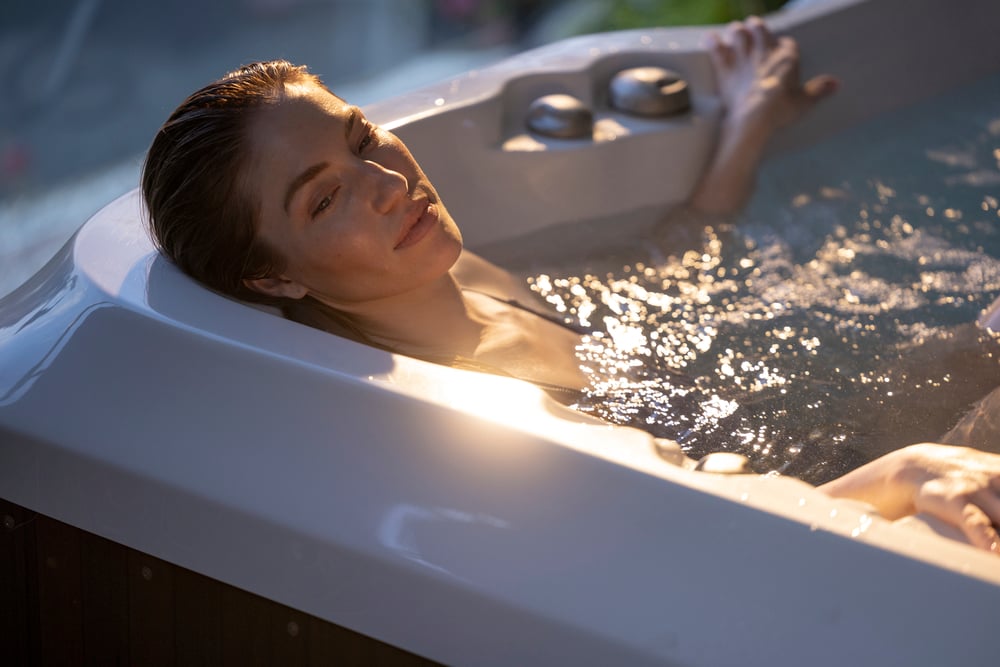
Hydrotherapy, or hot water therapy, has been distinctly pinpointed as a method for helping people with anxiety manage their symptoms and is used worldwide to promote relaxation and decrease parturient anxiety. This is because water buoyancy supports full body tension release. Furthermore, relaxation supports better sleep, which also helps ease anxiety. Moreover, a study on the National Library of Medicine website titled “Scientific Evidence-Based Effects of Hydrotherapy on Various Systems of the Body” addresses the topic.
Studies found that just 10 minutes of immersions in whirlpools, such as hot tubs, produced “increased feelings of well-being and [a] deceased state of anxiety.” Beyond just helping to manage anxiety, the review suggests that hydrotherapy was widely used to improve immunity and for the management of pain, fatigue, and other ailments.
How a Jacuzzi® Hot Tub can uniquely help relieve symptoms of anxiety
Jacuzzi® Hot Tubs are the cream of the crop when it comes to hot water therapy. The Jacuzzi name has been synonymous with wellness for nearly 70 years, and the brand itself is the innovator of home hot water therapy. At just two years old, Ken Jacuzzi was diagnosed with rheumatoid arthritis, and his father invented the world’s first at-home pump to provide pain-relieving hydromassage. From that moment on, the Jacuzzi® brand began a legacy of introducing the soothing powers of hot, bubbly water to millions of people around the world.
Through decades of research and development, Jacuzzi® Hot Tubs engage your senses, nurture your body, and restore your mind like no other. Jacuzzi® Hot Tubs are designed to provide a calming hydrotherapy experience, from the contours of the seats to the customizable jets that are recessed for comfort. Jacuzzi® Hot Tubs are created from data on human proportions, ensuring they conform entirely to you.
From the sculpted seats that cradle the contours of your body to the specialized Jacuzzi® PowerPro® jets that are thoughtfully positioned to effectively target key muscles, you can sit back, relax, and let your cares wash away in your Jacuzzi® Hot Tub. Jacuzzi® Hot Tubs include features for ease of use and maintenance, such as the Jacuzzi® SmartTub® system and high-performing water care systems, so you can stress less and relax more.
If you are looking to experience soothing relief from your anxiety, your Jacuzzi® Hot Tub is the perfect place to quiet your mind and simply undo. Here are some tips for enjoying your hydrotherapy in your Jacuzzi® Hot Tub:
- Get ready—Pre-set your temperature, lighting, and jets so your hot tub is precisely as you like it when you are ready to soak. Adjust your jets and activate your waterfall for a multi-sensory experience.
- Set the mood—Cue up your favorite playlist or a soothing collection of nature sounds to help lull you into relaxation during your hydrotherapy.
- Stay hydrated—Bring a pitcher of water to set by your Jacuzzi® Hot Tub so you can stay hydrated and comfortable as you relax.
- Start slowly—If you’re new to hydrotherapy, keep your initial sessions short and start with a lower temperature, then gradually increase both time and temperature (never exceeding the recommended maximums of either). Take a break on the cooling seat or the side of your hot tub if you need to cool down a bit.
In addition to hydrotherapy, the techniques mentioned above can also help you manage anxiety and achieve a peaceful mind. Here are some ways to bring these methods into your everyday:
Deep breathing—Practice the box breathing technique by inhaling slowly through your nose for a count of four, holding for four, exhaling through your mouth for 4, and pausing for 4 counts. This can help calm your nervous system and regulate emotions.
Massage—Try a self-massage by gently rubbing your neck, shoulders, or hands with circular motions, or schedule a professional massage to release physical tension and boost relaxation.
Meditation—Sit quietly and focus on your breath or a calming word, such as “peace,” for 5-10 minutes daily. Let your thoughts pass without judgment. Apps can help guide you through daily meditation.
Tai chi—Join a beginner’s class or follow a video that teaches slow, flowing movements combined with focused breathing and mental focus. Just 10-20 minutes a day can potentially help you reduce anxiety and improve your balance.
Yoga—Yoga is excellent for your mind, body, and spirit. Practice gentle yoga poses combined with mindful breathing. Start with a beginner video or local class for guided relaxation and body awareness.
Music and art therapy—Listen to calming music or create art freely using paints, pencils, or collage. The process itself—not the outcome—helps express emotions and lower stress levels. Focus less on the results of these therapies and more on the act of doing them and how they make you feel.
Aromatherapy— Use essential oils like lavender, bergamot, or chamomile. Add a few drops to a diffuser or inhale from a cotton ball. These scents can activate brain areas linked to relaxation and mood. Try this before bedtime to help lull you into restful sleep.
When to see a doctor to address your anxiety
While it’s admirable to want to try to manage your anxiety on your own terms, there is no shame in seeking help. The Mayo Clinic suggests it may be time to see a doctor if:
- You feel like you’re worrying too much, and it’s interfering with your work, relationships, or other parts of your life
- Your fear, worry, or anxiety is upsetting to you and difficult to control
- You feel depressed, have trouble with alcohol or drug use, or have other mental health concerns along with anxiety
- You think your anxiety could be linked to a physical health problem
- You have suicidal thoughts or behaviors—if this is the case, seek emergency treatment immediately
Sometimes, professional treatment from your physician or a specialist is the best way to make strides toward feeling your best. Never hesitate to reach out to your trusted general practitioner if you feel as though your anxiety is getting too difficult to handle yourself.
Affiliations: Jacuzzi® is a registered trademark of Jacuzzi Group. All rights reserved.
Medical disclaimer: This information is not intended to prescribe a particular diagnosis or course of action. We are not medical professionals. Please contact your GP or other medical professional for advice if you have any concerns about your current health or well-being.
Learn More With Our Hot Tub Buying Series
Unlock the secrets to the perfect hot tub with our exclusive email series. Get expert advice and tips right in your inbox. Subscribe now and take the first step towards finding your ideal hot tub.
Hot Tub Buying Series
Explore Categories


Explore Products


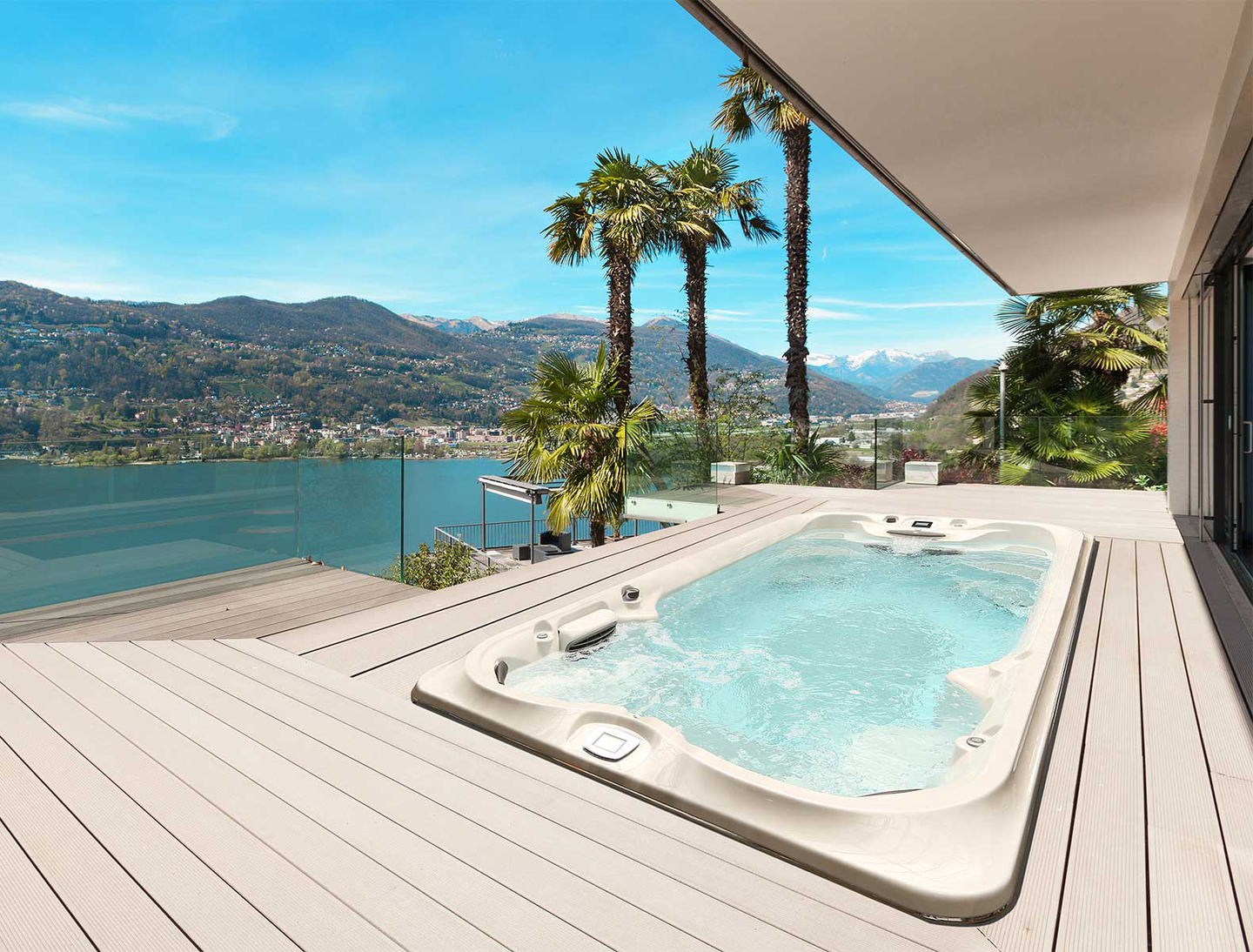
Swim Spa
La toute dernière technologie de courant de nage puissant et les performances historiques des jets Jacuzziᴹᴰ PowerProᴹᶜ se combinent pour offrir une nage parfaite, tout au long de l'année.
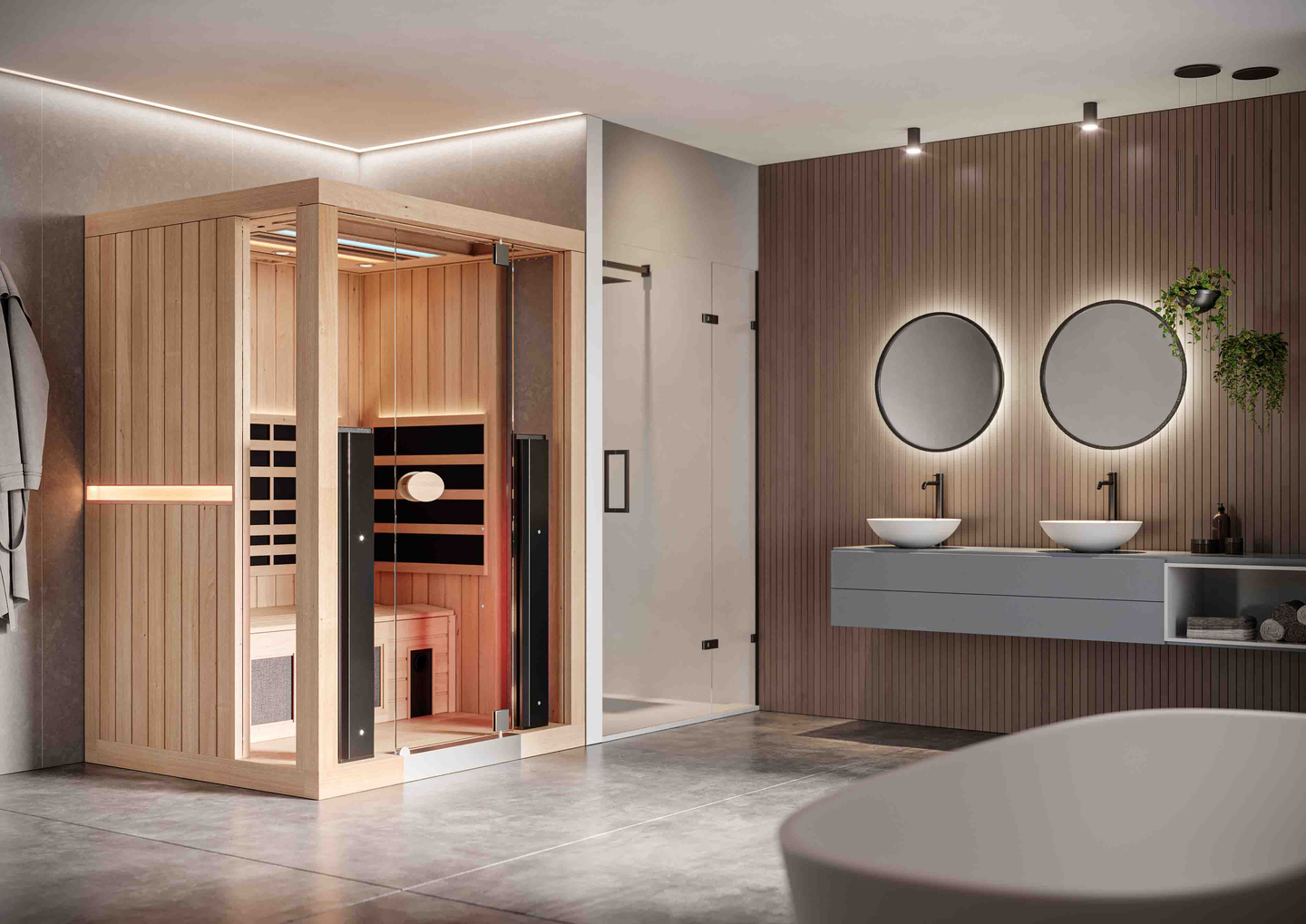
Sauna
Jacuzzi® Infrared Saunas are engineered with full spectrum (near, mid and far) front-facing IR heaters, along with Red Light therapy. Enjoy a comprehensive sauna experience in a single sauna session.