
Complete Jacuzzi Guide to Protect Your Investment Through Cold Weather
12 Minute Read
Key Takeaways
- Maintain water temperature between 100-104°F and never let your Jacuzzi freeze to prevent costly pipe and equipment damage
- Invest in a good cover to ensure proper insulation and protection from debris, and check it weekly for snow buildup, tears, or seal damage during winter months
- Monitor water levels every 3-4 days as cold, dry air increases evaporation rates by up to 50% compared to summer
- Keep your Jacuzzi running continuously during winter rather than draining it, as an active system prevents freeze damage better than an empty one
- Plan water changes for early fall (September-October) before temperatures drop below 40°F to avoid winterization complications
Nothing transforms a cold winter evening like slipping into the soothing warmth of your Jacuzzi, where the outside air creates a magical contrast against your outdoor sanctuary of relaxation. Your premium spa represents a significant investment in year round wellness, and with proper hot tub winter care, it becomes an ultimate guide to staying warm while the world around you turns cold.
Winter doesn’t mean your wellness routine has to hibernate. Jacuzzi’s innovative technology and superior engineering create the perfect foundation for season long enjoyment, but even the finest hot tub brands require thoughtful winter maintenance to deliver optimal performance. The key lies in understanding that winter spa care isn’t about battling harsh weather—it’s about working with your Jacuzzi’s sophisticated systems to maintain that essential moment of escape when you need it most.
Essential Jacuzzi Winter Protection Strategies
Your Jacuzzi’s advanced heating system and freeze protection features work tirelessly during the colder months, but understanding how to support these systems makes the difference between effortless winter enjoyment and costly repairs. Modern Jacuzzi models incorporate intelligent freeze protection that automatically activates circulation pumps when sensors detect freezing temperatures, but this technology works best when your tub maintains proper water levels and remains actively operational.
If the water level falls below the recommended level, it can lead to freezing or ineffective circulation, so it’s important to monitor and address any drop in water level immediately.
The choice between continuous operation and complete winterization depends largely on your usage patterns and climate conditions. For most Jacuzzi owners, maintaining an active system throughout winter proves more effective than seasonal shutdown. Active systems benefit from constant water circulation, which prevents stagnation and maintains the thermal equilibrium that protects sensitive plumbing components.
Understanding Jacuzzi’s Freeze Protection Features
Jacuzzi’s sophisticated control systems monitor ambient temperatures and automatically trigger protective measures when conditions threaten your spa’s integrity. These systems activate circulation pumps at predetermined intervals, ensuring warm water flows through all plumbing lines to prevent ice formation. However, this protection only functions when your spa has adequate water levels and electrical power.
Your Jacuzzi’s heater works in conjunction with these protective systems, maintaining baseline temperatures even when you’re not actively soaking. This coordinated approach between heating and circulation creates a protective envelope around your entire spa system, from the main tub through the smallest plumbing connections.
There are several ways to protect a spa from freezing, each with different tradeoffs. Continuous operation offers about 95 percent effectiveness but comes with high energy costs and requires weekly checks to stay on track. Freeze protection mode is slightly less effective at around 90 percent, uses a moderate amount of energy, and only needs bi weekly monitoring. Complete winterization provides full protection with no ongoing energy cost, but it requires extensive preparation before winter and a detailed startup in spring. Partial winterization is the least effective option at about 60 percent, keeps energy use low, but demands daily monitoring and carries the highest risk during extreme cold.
Preparing Your Jacuzzi for Cold Weather Months
The perfect time to prepare your spa for winter begins in late September, well before freezing temperatures arrive. This proactive approach ensures every component operates at peak efficiency when outdoor conditions become demanding. Your preparation timeline should span six to eight weeks, allowing thorough inspection and any necessary repairs or upgrades.
Before winter, check for and remove any debris from the hot tub and surrounding area to ensure cleanliness and efficient operation.
Begin with a comprehensive inspection of your Jacuzzi’s heater, pumps, and control panel. These components work harder during winter months, making pre-season maintenance essential for reliable operation. Check all electrical connections for corrosion or loose contacts, as moisture and temperature fluctuations can compromise these critical links.
Pre-Winter Inspection Checklist
Your Jacuzzi’s pump system deserves special attention, as these workhorses maintain circulation that prevents freeze damage. Inspect pump housings for cracks or leaks, and verify that all unions and connections remain watertight. The heater element should show no signs of scaling or corrosion, which can reduce efficiency and create hot spots that damage the heating assembly.
The control panel represents your spa’s nerve center, coordinating all protective functions. Test all settings and verify that temperature sensors provide accurate readings. SmartTub app connectivity, available on many modern Jacuzzi models, enables remote monitoring during winter months when regular physical inspections become challenging due to snow or extremely cold temperatures.
Cabinet insulation upgrades provide significant benefits in harsh weather conditions. Quality aftermarket insulation systems can reduce heat loss by 20-30%, translating to meaningful energy savings over an entire season. Focus particularly on areas where plumbing exits the cabinet, as these represent the most vulnerable points for heat escape.
Jacuzzi Cover Maintenance and Snow Management
Your spa cover serves as the primary barrier against heat loss, and winter conditions test its limits like no other season. A high quality cover with 4-6 inch insulation thickness becomes essential when outside air temperatures drop significantly below your desired water temperature. Jacuzzi Premium covers incorporate advanced foam insulation and weatherproof materials designed specifically for extended cold weather exposure.
Snow accumulation presents unique challenges that require proactive management. Remove snow loads exceeding 25 pounds per square foot immediately, as excessive weight can damage cover hinges and compromise the seal around your spa’s perimeter. Use a soft brush rather than a shovel to protect the vinyl surface, and never attempt to break ice formations by force.
Cover lifters and support systems become particularly valuable during heavy snowfall periods. These accessories distribute weight more evenly and provide convenient snow removal access without straining your back. Apply vinyl protectant before the season begins to prevent cracking and maintain flexibility in sub-freezing conditions.
Maintaining Optimal Water Quality During Winter
Winter water chemistry operates under different parameters than summer maintenance, requiring adjusted approaches to achieve the same pristine results. Reduced bather loads typically mean slower chemical consumption, but the need for consistent water quality remains critical for both equipment protection and user safety. Be sure to add water as needed to maintain proper levels, especially after evaporation or draining, to keep your spa running smoothly.
Cold air affects pH levels differently than warm weather conditions, often causing levels to rise gradually over time. Monitor pH weekly rather than bi-weekly, adjusting with smaller, more frequent additions rather than large corrections. This approach maintains stability while preventing the chemical swings that can stress your Jacuzzi’s surfaces and equipment. When performing water changes, always fill the hot tub to the recommended level after cleaning or draining to avoid air in the jets and ensure optimal operation.
Chemical Dosing Adjustments for Cold Weather
Calcium scaling becomes more problematic during winter operation due to increased heater usage and higher operating temperatures. Your Jacuzzi’s heater elements work continuously to maintain comfortable soaking temperatures against cold outdoor conditions, creating conditions where calcium deposits form more readily.
Jacuzzi ProClarity and ProClear water care systems adapt naturally to winter conditions, providing consistent sanitization with reduced manual intervention. These systems monitor water conditions continuously and adjust chemical dosing automatically, maintaining optimal balance even when daily usage patterns change dramatically.
Filter maintenance schedules shift during winter months from weekly cleaning to every 2-3 weeks for most users. However, monitor pressure differentials more closely, as cold weather can affect filtration efficiency. Keep spare filters on hand indoors, as frozen filters become brittle and can crack during removal.
Seasonal water care changes with how often your spa is used. During winter, filter cleaning is typically needed every two to three weeks, pH should be tested weekly, shock treatments are done bi weekly, and full water changes are recommended every three to four months. In summer, heavier use means stepping things up. Filters should be cleaned weekly, pH tested twice a week, shock treatments applied weekly, and water changed every two to three months to keep everything clear and balanced.
Optimizing Energy Efficiency and Operating Costs
Energy efficiency during winter months requires balancing comfort with operational costs, understanding that your Jacuzzi will consume 40-60% more power than during mild weather. However, smart temperature management and proper insulation can minimize this increase while maintaining the luxurious experience you expect.
Set your Jacuzzi temperature controls to maintain 100°F continuously, then boost to 104°F approximately 30 minutes before planned use. This strategy reduces the energy required for rapid heating while ensuring comfortable temperatures when you’re ready to soak. Your spa’s heater operates most efficiently when raising temperature gradually rather than working against large temperature differentials.
Advanced Energy Conservation Techniques
Thermal blankets positioned under your hard cover create an additional insulation layer that can reduce heat loss by 15-20%. These accessories trap air between the blanket and water surface, creating a secondary barrier that retains heat more effectively than the cover alone. For comprehensive hot tub care, it's also important to consider water alkalinity and its impact on your hot tub.
Position wind screens strategically around your Jacuzzi installation to minimize convective heat loss. Cold air movement across your spa cover dramatically increases energy consumption, particularly when combined with snow or ice accumulation. Simple windbreaks using privacy screens or landscaping elements can create substantial energy savings.
Understanding your Jacuzzi’s circulation pump schedules enables optimization for winter conditions. Most models allow adjustment of circulation frequency and duration, permitting you to increase protective circulation during extreme cold snaps while reducing unnecessary operation during milder periods.
Expected winter utility costs vary significantly by region and usage patterns, but planning for a 50% increase over summer baseline provides realistic budgeting guidance. Track daily energy consumption through your utility smart meter to identify optimization opportunities and verify that efficiency measures produce measurable results.
Creating an Outdoor Sanctuary for Winter Relaxation
Transforming your spa into a restorative outdoor sanctuary isn't just about design—it's about creating a wellness experience that nurtures you through every season, especially when winter's embrace calls for deeper restoration. There's something profoundly healing about immersing yourself in soothing warmth while nature's quiet beauty unfolds around you, but the art of year-round wellness lies in crafting a space that cocoons you in comfort, safety, and rejuvenation—regardless of how dramatically the elements shift.
Begin by understanding how to shelter your wellness retreat from winter's harsh whispers and biting currents. Installing thoughtful windbreaks—privacy screens that embrace your space, pergolas that frame your sanctuary, or lush evergreen landscapes that stand sentinel—can dramatically preserve the warmth that melts tension away during even the most challenging temperatures. These elements don't merely protect; they transform your backyard into a private wellness haven where restoration feels effortless and complete.
Elevate your comfort experience with weatherproof textures and heated surfaces beneath your feet. These thoughtful additions transform barefoot moments into luxurious rituals, even when winter's grip has frozen the ground beneath, while preventing slips that could interrupt your wellness journey. For that extra touch of indulgence, position a towel warmer or insulated storage nearby—because the moment you emerge from therapeutic waters should feel like stepping into a warm embrace.
Illumination becomes the soul of both safety and sanctuary. String lights that twinkle like distant stars, lanterns that cast gentle pools of warmth, or integrated LED systems can transform your outdoor retreat into a haven that beckons rather than forbids during winter's longest nights. Choose fixtures engineered for nature's challenges—because your wellness space deserves lighting that endures every season's story.
Never underestimate the power of purposeful accessories to elevate your restoration ritual. Enhanced insulation surrounding your spa cabinet, thermal blankets that hold warmth like a gentle hug, and premium covers all contribute to effortless energy efficiency while ensuring your therapeutic waters maintain their healing temperature, even when winter tests its limits. Complete your sanctuary with plush robes that welcome you back to warmth, slip-resistant footwear that keeps you grounded, and a surface for the beverages or nourishment that enhance your wellness moments.
Finally, personalize your restoration retreat with elements that speak to your soul—consider potted evergreens that whisper of endurance, decorative stones that ground your space in natural beauty, or even a fire feature positioned thoughtfully away from your spa. These touches don't simply beautify; they invite you to embrace winter as the season of deepest restoration, when your hot tub becomes a portal to renewal and rejuvenation.
Through intentional design and carefully chosen elements, you create more than just warmth—you cultivate an environment where every winter wellness ritual becomes a moment of profound restoration. With this approach, your spa transcends its role as mere escape from cold—it transforms into a year-round sanctuary for renewal, well-being, and the kind of deep restoration that enhances every aspect of your life, regardless of what nature brings to your doorstep.
Safe Winter Usage and Best Practices
Winter hot tub sessions offer unparalleled relaxation, but safe practices become essential when bare feet meet frozen ground and cold air creates dramatic temperature contrasts. Limit soak times to 15-20 minutes when outdoor temperatures drop below 20°F, as prolonged exposure to extreme temperature differentials can stress your cardiovascular system.
Create safe entry and exit paths by placing a weatherproof rug and using adequate lighting around your spa area. A weatherproof rug provides insulation and a non-slip surface for added comfort and safety around the hot tub. Ice formation on deck surfaces poses serious slip hazards, particularly when transitioning from the warm spa environment. Install motion-activated lighting that illuminates pathways automatically, eliminating fumbling for switches with wet hands.
Essential Winter Safety Protocols
Keep emergency supplies within easy reach of your spa, including warm towels, insulated robes, and slip-resistant footwear. Store these items in a weatherproof container near your Jacuzzi, ensuring they remain dry and accessible even during heavy snow conditions. Consider installing a towel warmer for added comfort during winter sessions.
Stay hydrated during winter soaking sessions, as the combination of warm water and cold air can increase dehydration rates without obvious symptoms. Keep water bottles at ambient temperature rather than ice-cold, as extreme temperature contrasts can be uncomfortable during winter use.
Jacuzzi’s integrated lighting systems provide essential safety features for winter evening use, illuminating both the spa interior and surrounding areas. Program these systems to activate automatically 30 minutes before your typical soaking times, ensuring safe navigation without manual control adjustments.
Enhancing Your Winter Jacuzzi Experience
Transform your outdoor space into a true winter sanctuary by adding thoughtful accessories that extend comfort beyond the spa itself. Install pergolas or gazebos designed for cold weather, providing wind protection while maintaining proper ventilation for steam dispersion. These structures create intimate gathering spaces that encourage year-round entertaining.
Outdoor heaters positioned strategically around your spa area extend the comfortable zone, making entry and exit more pleasant during extremely cold temperatures. Choose units designed for outdoor use and maintain safe clearances from your spa cover and any combustible materials.
Jacuzzi’s aromatherapy systems become particularly appealing during winter months, when specific scents can enhance the warming sensation and create a spa-like atmosphere in your own backyard. Eucalyptus and warming spice blends complement the seasonal experience while providing therapeutic benefits.
Emergency Procedures and Equipment Failures
Power outages lasting six hours or more in freezing temperatures require immediate action to protect your Jacuzzi investment. Begin by removing your spa cover partially to access the equipment compartment, then position space heaters with proper ventilation to maintain above-freezing temperatures around critical components. To better understand how energy use and outages impact overall costs, see how much electricity a hot tub uses per month.
Understanding when to contact Jacuzzi customer service versus attempting DIY repairs can save both time and money during winter emergencies. Heater failures, pump malfunctions, or control system problems require professional diagnosis, particularly when warranty coverage applies. However, simple issues like clogged filters or low water levels can often be addressed immediately.
Emergency Draining Procedures
If equipment failure occurs during sub-freezing weather and repair cannot be completed within hours, emergency draining becomes necessary to prevent catastrophic freeze damage. Begin by turning off power to all spa components, then open drain valves and remove filter cartridges to encourage rapid water flow.
Use a submersible pump if available to accelerate draining, particularly for larger Jacuzzi models where gravity drainage may take several hours. Focus on removing water from equipment compartments and plumbing lines, as these areas freeze first and sustain the most expensive damage.
Document all emergency procedures with photographs for insurance purposes, and maintain records of any emergency repairs or temporary measures taken. Many homeowner insurance policies cover freeze damage, but documentation must clearly show that reasonable protective measures were attempted.

Seasonal Storage and Extended Winterization
Complete winterization becomes appropriate when planning extended periods away from your spa, typically six weeks or longer during winter months. This process requires thorough draining of all water from your Jacuzzi’s complex plumbing system, including jets, air channels, and control system lines that retain water after standard draining procedures.
Professional-grade wet/dry vacuums equipped with narrow attachments can extract water from jet assemblies and small-diameter plumbing connections. Follow this mechanical extraction with low-pressure compressed air to blow remaining water from all system components. Pay particular attention to the heater assembly, as trapped water here creates the most expensive freeze damage.
When spring arrives and you are ready to use your hot tub again, carefully fill the spa to the recommended water level before starting it up. Properly filling the tub helps ensure there is no air in the jets and prevents potential damage during startup after winterization.
Comprehensive Winterization Process
RV antifreeze rated for plumbing systems provides additional protection for areas where complete water removal proves difficult. Add this protection to trap areas and low points in your Jacuzzi’s plumbing system, but avoid using automotive antifreeze, which contains toxic additives harmful to spa surfaces and future water quality.
Protect your Jacuzzi cabinet and equipment compartment during storage by installing temporary insulation around sensitive components. Remove and store filters indoors, as freeze-thaw cycles degrade filter media and reduce effectiveness. Clean and inspect all removable components before storage, addressing any maintenance issues before spring startup.
Spring startup procedures after winter storage require systematic refilling and chemical balancing. Begin by removing all antifreeze through multiple drain and refill cycles, testing water quality at each stage. Reinstall filters and verify proper equipment operation before resuming normal heating and circulation schedules. For those considering advanced spa models featuring hydrotherapy and premium comfort, explore options that streamline maintenance and enhance relaxation.
Winterizing a spa follows a clear sequence and timeline. Complete draining typically takes about two to three hours using a wet and dry vacuum and can be done without professional help. Plumbing protection adds roughly an hour and requires RV antifreeze, also a DIY friendly step. An equipment inspection takes one to two hours with basic tools and is best handled by a professional to catch issues early. When warmer weather returns, spring startup usually takes three to four hours with a test kit and chemicals, and professional assistance is recommended to ensure everything is running safely and efficiently.
Your Jacuzzi represents more than just a luxury amenity—it’s a cornerstone of your wellness routine that can provide restorative benefits throughout the winter season. Proper hot tub winter care ensures that your investment continues delivering those precious moments of warmth and relaxation, even when the world outside remains locked in cold embrace. By following these comprehensive guidelines, you protect not just your equipment, but your ability to maintain that essential routine of self-care that makes winter not something to endure, but something to enjoy.
The key to successful winter spa ownership lies in understanding that your Jacuzzi’s sophisticated engineering works best when supported by thoughtful maintenance and proper preparation. Every hour invested in winter care pays dividends in reliable operation, energy efficiency, and the countless peaceful moments that make cold weather bearable—or even welcome.
FAQ
Can I leave my Jacuzzi running all winter, and what are the risks?
Yes, leaving your Jacuzzi running continuously during winter is typically the safest and most cost-effective approach. Modern Jacuzzi models are engineered for year-round operation with built-in freeze protection systems that activate automatically. The main risks of shutdown include freeze damage to plumbing lines, pump seals, and heater elements, which can cost thousands in repairs. Continuous operation uses more energy but eliminates the risk of catastrophic freeze damage and ensures your spa remains ready for immediate use.
How often should I check my Jacuzzi during extended cold snaps below 10°F?
During extreme cold weather below 10°F, inspect your Jacuzzi daily, focusing on water level, equipment operation, and cover condition. Check that pumps and heaters are cycling properly, listen for unusual sounds from the equipment compartment, and verify that water maintains proper circulation. Look for ice formation around jets or control panels, which may indicate inadequate heating or circulation. If you notice any equipment hesitation or unusual behavior, address it immediately rather than waiting for your normal maintenance schedule.
What should I do if my Jacuzzi cover becomes waterlogged or damaged during winter?
If your cover becomes waterlogged or damaged, replace it immediately to prevent massive heat loss and potential freeze damage. As a temporary measure, use multiple layers of tarps secured with bungee cords, though this provides minimal insulation. Add extra thermal blankets directly on the water surface for additional protection. A waterlogged cover can weigh over 200 pounds and may damage your spa shell if not removed promptly. Contact your Jacuzzi dealer for emergency cover replacement, as winter operation without proper insulation is neither energy-efficient nor safe for your equipment.
Is it safe to use my Jacuzzi during snowstorms or extreme cold warnings?
Using your Jacuzzi during snowstorms is generally safe if you can maintain clear, safe access paths and have adequate lighting. However, avoid use during extreme cold warnings when temperatures drop below -10°F, as the temperature differential becomes dangerous for cardiovascular health. During active snowfall, limit sessions to 10-15 minutes and ensure someone knows your location. Keep emergency supplies immediately accessible, including warm robes and communication devices. The contrast between hot water and extreme cold air can cause rapid heat loss and disorientation when exiting the spa.
How do I prevent my Jacuzzi from freezing if I lose power for several days?
For extended power outages during freezing weather, immediately implement emergency heating in the equipment compartment using battery-powered or propane space heaters with proper ventilation. Position heaters to warm plumbing areas without direct contact with spa components. If power restoration seems unlikely within 12 hours and temperatures remain below freezing, begin emergency draining procedures to prevent catastrophic damage. Keep backup heating supplies, emergency drain pumps, and RV antifreeze readily available during winter months. Consider installing a backup generator system if extended outages are common in your area.
Learn More With Our Hot Tub Buying Series
Unlock the secrets to the perfect hot tub with our exclusive email series. Get expert advice and tips right in your inbox. Subscribe now and take the first step towards finding your ideal hot tub.
Hot Tub Buying Series
Explore Categories


Explore Products

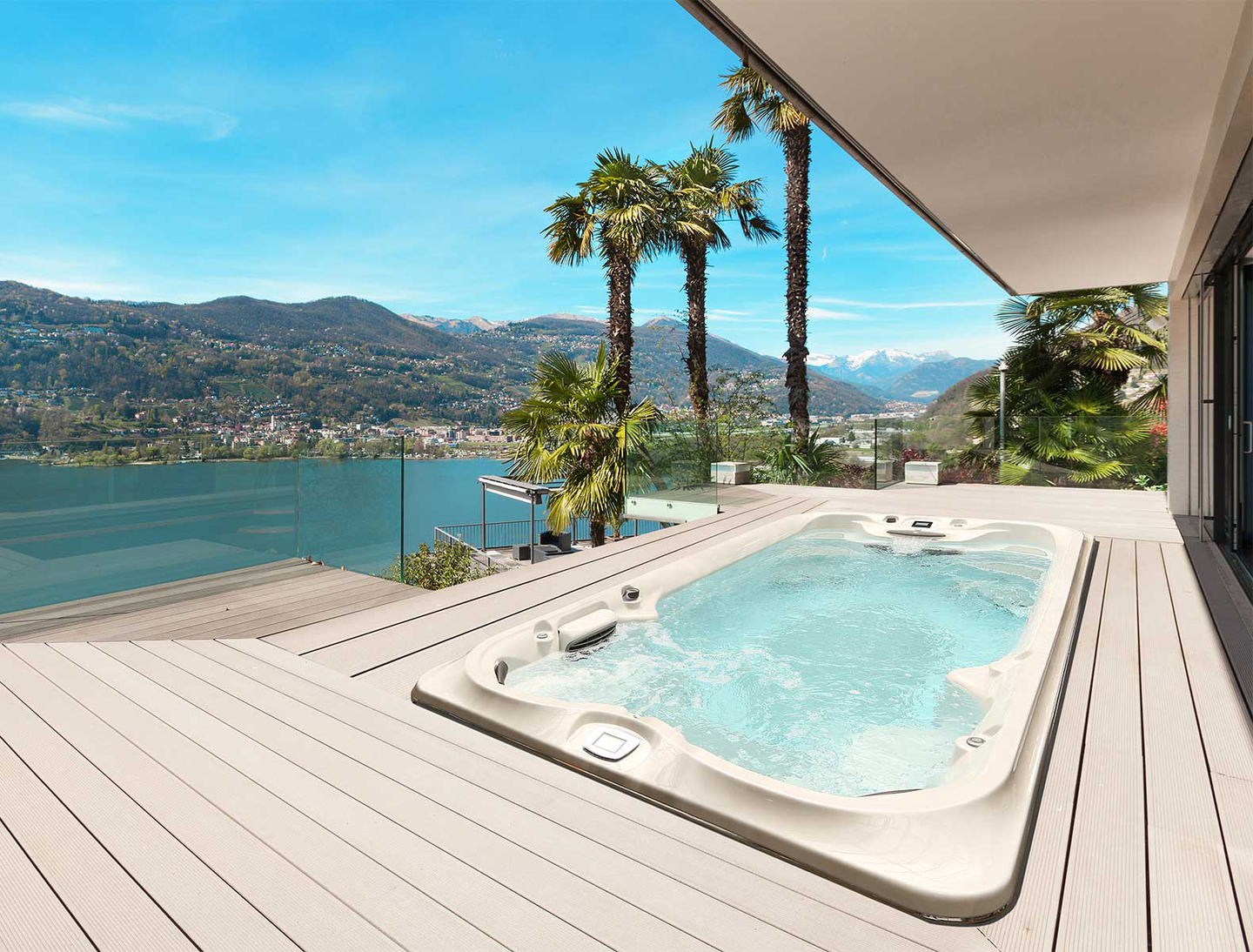
Swim Spa
La toute dernière technologie de courant de nage puissant et les performances historiques des jets Jacuzziᴹᴰ PowerProᴹᶜ se combinent pour offrir une nage parfaite, tout au long de l'année.

Sauna
Jacuzzi® Infrared Saunas are engineered with full spectrum (near, mid and far) front-facing IR heaters, along with Red Light therapy. Enjoy a comprehensive sauna experience in a single sauna session.