

Can hot tubs lower blood pressure? What science says
12 Minute Read
If you’re thinking about getting a hot tub, you may wonder if it can help lower blood pressure. This article will address whether hot tubs lower blood pressure, how they work, their benefits, as well as how Jacuzzi® hot tubs are designed to enhance these effects.
What happens to your body when you soak in a hot tub?
Before diving into blood pressure specifics, it helps to understand how your body reacts to hot-water immersion. Here is an overview:
According to the Cleveland Clinic, your blood vessels, particularly those near the skin, dilate in response to the heat. This allows more blood to flow closer to the skin surface, helping you lose heat.
Because of that vessel-widening and the shift of blood toward the skin and extremities, your blood pressure tends to drop, while your heart rate often increases to maintain circulation, according to a study titled “Are hot tubs safe for people with treated hypertension?”
The effect is temporary. After you exit the hot tub and your body cools slightly, the blood pressure and heart rate generally return toward their usual levels.
Additionally, according to a separate study titled “Habitual Hot-Tub Bathing and Cardiovascular Risk Factors in Patients with Type 2 Diabetes Mellitus: A Cross-Sectional Study,” heat therapy, including warm water immersion, may improve how well your blood vessels respond and reduce the stiffness of arteries in some populations.
Do hot tubs lower blood pressure?
The short answer is yes—in a sense. Research shows that soaking in a hot tub can lead to a drop in blood pressure, but it’s important to interpret these results with care.
What the studies show:
One study took 21 people with treated hypertension and 23 without hypertension, and immersed them to chest depth in a 40°C hot tub for 10 minutes. The hypertensive group’s average systolic blood pressure dropped from ~144 mm Hg to ~122 mm Hg during immersion. The group without hypertension experienced a drop from ~130 mm Hg to ~110 mm Hg. The pressure rose toward baseline levels after leaving.
According to the Cleveland Clinic, soaking in hot water “widens your blood vessels, which lowers your blood pressure.” Still, the organization emphasizes that the effect is temporary—blood pressure returns to normal a few minutes after getting out of the tub.
A cross-sectional observational study of 1,297 patients with type 2 diabetes found that more frequent hot-tub bathing (≥ 4 times a week) was independently associated with slightly lower diastolic blood pressure, after adjusting for age, gender and other factors.
A review of hydrotherapy interventions, including warm water immersion/therapy, found significant blood pressure reductions in most of the included studies.
Given these studies, the drop in blood pressure during hot tub use tends to be temporary. The benefits are best when added as a complement to proven therapies or lifestyle changes as directed by your doctor. The Cleveland Clinic emphasizes that hot tub use “cannot take the place of your medical treatment or blood pressure medications.”
Because any drop is temporary, if you seek long-term blood-pressure management, lifestyle, diet, exercise, and medications—as appropriate—remain necessary.
Will a hot tub lower your blood pressure long-term?
Can regular hot tub use contribute to lasting blood-pressure reduction? If you use a hot tub regularly—for example, several times a week, for about 10-15 minutes at a comfortable temperature—you may gain an added benefit in your cardiovascular wellness and blood-pressure profile However, the benefits should be paired with foundational pillars such as a healthy diet, regular physical activity, weight management, limited alcohol and sodium, and prescribed medications.
Of course, it’s important to always follow the guidance, treatment plan, and medical advice provided by your GP. The Jacuzzi® team is made up of experts in hydrotherapy and is not licensed to give medical advice.
Does hot tub soaking lower blood pressure equally for everyone?
No, it doesn’t. Some factors influence how large the effect might be. Key considerations include baseline health status, duration and water temperature, rate of change in temperature, medication and medical conditions, hydration, environment, and frequency of use. Consider your unique health profile and consult your physician before using hydrotherapy as part of a blood pressure management plan.
How to safely use your hot tub for blood-pressure benefit
If you want to use your hot tub for potential blood-pressure benefit, follow these guidelines:
Check with your healthcare provider—Especially if you have diagnosed hypertension, take medication for blood pressure, or have heart or vascular disease.
Water temperature and duration—Aim for water around 100-104 °F (≈ 37-40 °C). Limit immersion to about 10-15 minutes initially. Research often uses 40 °C for 10 minutes.
Stay seated and comfortable—Avoid strenuous movement while immersed; allow your body to acclimate.
Hydrate—Soaking in hot water raises body temperature and causes dilation; keep a bottle of water nearby. Avoid alcohol before or during soaking.
Exit slowly—When the soak ends, get out of the tub gradually. Rapid stand-up may trigger dizziness or fainting if blood pressure drops quickly.
Frequency—If cleared by your physician, regular use (e.g., several times a week) may help contribute to modest improvements in blood-pressure control and vascular health over time.
Use as part of a broader plan—Recognize the hot tub is a complement, not a replacement, to lifestyle—such as diet, exercise, and weight control—as well as medication, if prescribed.
Be alert for symptoms — Dizziness, palpitations, nausea, or feeling unwell while or after soaking could signal that you should stop and consult your doctor.
It’s smart to treat your hot tub as an enjoyable wellness tool with potential cardiovascular benefits. But do so cautiously and in an informed manner.
Why can soaking in a hot tub help lower blood pressure
When you soak in warm water, several things happen inside your body that can gently lower your blood pressure:
Your blood vessels open up. The heat from the water makes your blood vessels widen. When vessels widen, blood flows more easily and pressure on the vessel walls drops slightly.
Your arteries become more flexible. Over time, regular heat exposure can make your blood vessels less stiff and improve how they react to pressure and flow. This flexibility helps your body regulate blood pressure more efficiently.
You feel calmer and less stressed. Warm water helps your body relax and lowers stress hormones. At the same time, it activates your “rest-and-digest” system, which naturally helps slow your heart rate and reduce blood pressure.
It can mimic some benefits of exercise. For people who can’t exercise easily, soaking in a hot tub may give some similar circulation benefits—such as improved blood flow and vessel health—without the physical strain.
How a Jacuzzi® hot tub is uniquely designed to help you relax, unwind, and temporarily lower your blood pressure

A Jacuzzi® hot tub is not just any hot tub. With meticulous attention to detail, beginning with design and engineering, to craftsmanship using the finest materials and exclusive features, Jacuzzi® hot tubs are distinctly luxurious, easy to use, and offer features that make maintenance a breeze.
Premium Jacuzzi® hot tubs are designed to form to your body and include Jacuzzi® PowerPro® jets that are recessed for your complete comfort and thoughtfully positioned to effectively target key muscles.
Furthermore, exclusivities such as Infrared and Red Light therapy take your hydrotherapy to the next level with specialized deep red light that reaches surface tissue and cells, combined with near infrared, which is positioned to target deep tissue within the lumbar region of your lower back. While Jacuzzi® hot tubs do not claim to cure or treat any ailment, the soothing environment of a Jacuzzi® hot tub helps you live well with chronic conditions such as high blood pressure, if only temporarily.
Frequently Asked Questions (FAQs)
Q: Does soaking in a hot tub permanently reduce blood pressure?
A: No—soaking lowers blood pressure during the session and for a short time afterward, but it doesn’t replace long-term treatments or lifestyle changes. Some observational data suggest frequent use may help small improvements in diastolic pressure, but the effect is modest.
Q: How long and at what temperature should I soak for blood-pressure benefit?
A: Many studies use about 10 minutes at 104 °F (40 °C). Staying within that ballpark is a good starting point. Always exit slowly and stop if you feel dizzy or unwell.
Q: Is it safe for someone with high blood pressure to use a hot tub?
A: In many cases, yes, especially if your blood pressure is well-controlled and you have no other major cardiovascular problems. However, you should first consult your doctor, particularly if you have uncontrolled hypertension, heart disease, a recent cardiac event or take medications that affect your cardiovascular response to heat.
Q: Can hot tub use replace exercise for lowering blood pressure?
A: Exercise remains a cornerstone of blood-pressure control. Hot-tub soaking may be complementary—especially for those who have limitations—but it should not replace regular physical activity where you’re able.
Q: What precautions should I take while using a hot tub for blood-pressure reasons?
A: Keep temperature moderate, limit duration, stay hydrated, avoid alcohol before/during soaking, transition slowly out of the tub, and get medical clearance if you have cardiovascular conditions.
If you’re considering hot tub soaks for wellness, remember the main takeaway—hot tubs can support heart health in the short term, but should be used alongside your primary blood pressure management plan, according to your physician, which likely includes diet, exercise, weight control, and prescribed medication.
Disclaimer: Jacuzzi® is a registered trademark of Jacuzzi Group. All rights reserved.
Medical Disclaimer: This content is for informational purposes only and is not a substitute for medical advice, diagnosis, or treatment. Always consult your physician or a qualified healthcare provider with questions regarding any medical condition.
Learn More With Our Hot Tub Buying Series
Unlock the secrets to the perfect hot tub with our exclusive email series. Get expert advice and tips right in your inbox. Subscribe now and take the first step towards finding your ideal hot tub.
Hot Tub Buying Series
Explore Categories


Explore Products


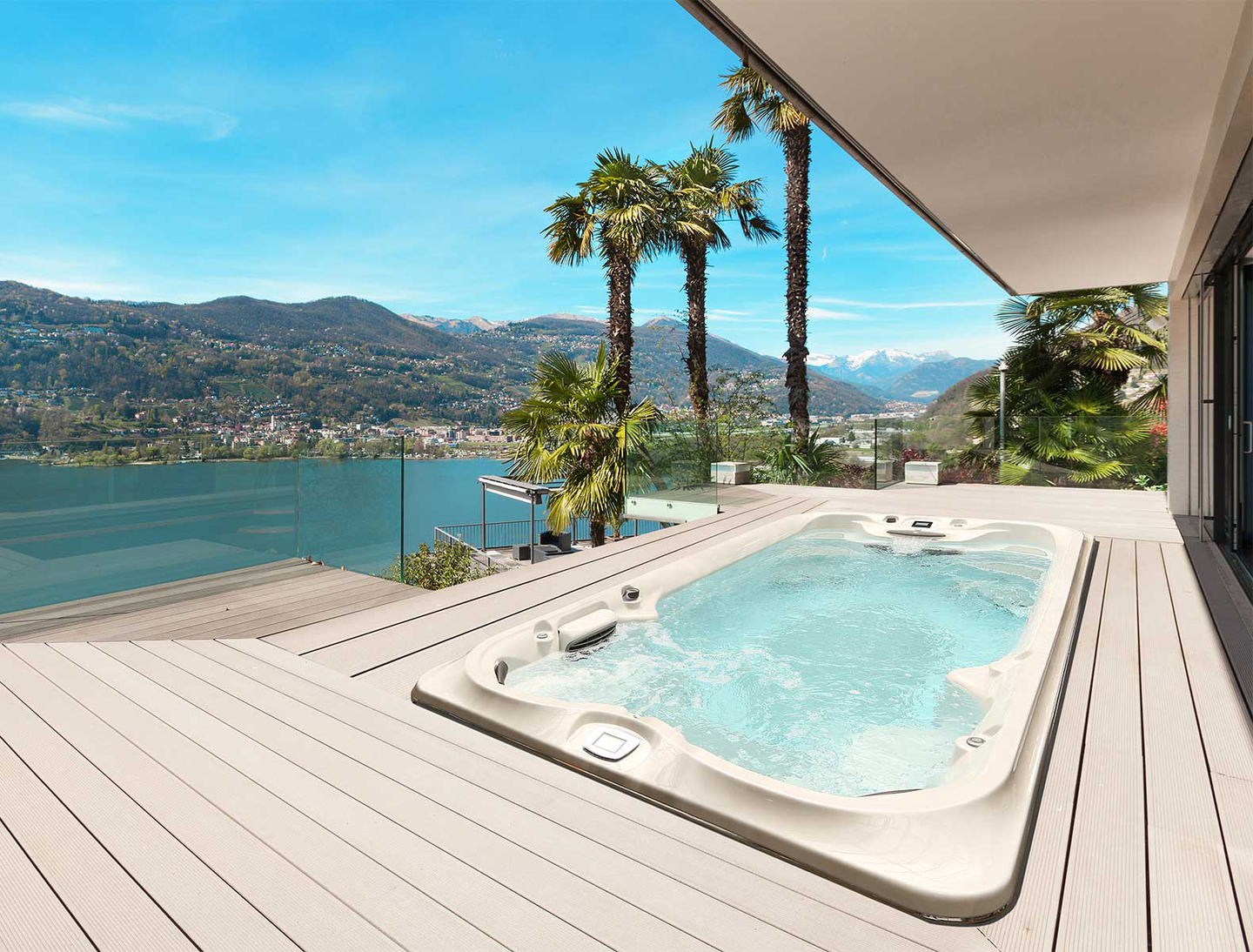
Swim Spa
La toute dernière technologie de courant de nage puissant et les performances historiques des jets Jacuzziᴹᴰ PowerProᴹᶜ se combinent pour offrir une nage parfaite, tout au long de l'année.

Sauna
Jacuzzi® Infrared Saunas are engineered with full spectrum (near, mid and far) front-facing IR heaters, along with Red Light therapy. Enjoy a comprehensive sauna experience in a single sauna session.