


WHAT IS WATER ALKALINITY AND WHY DOES IT MATTER IN YOUR HOT TUB?
3 Minute Read
Water alkalinity is a measure of your water’s ability to neutralize acids. It’s an important part of balancing pH levels and is often called a “buffer” because it helps the water resist drastic changes in pH. Unbalanced alkaline levels can have an adverse effect on your hot tub’s appearance and even affect your skin. Read on to learn more about this important part of hot tub water care or download your water care recipe card for quick tips on keeping your water clean and clear.
WHY IT MATTERS
Low alkalinity is the more serious of the two extremes. It can cause rapid fluctuations in pH, because the water can’t as easily counteract the effects of acids, like acid rain or naturally occurring minerals. Such an environment has a cascade of effects on your hot tub’s appearance: it can damage and erode its surfaces, while also corroding metal parts, a perfect storm can result in unsightly stains. Low-alkaline water also won’t be able to balance the amount of phosphates, which feed algae, resulting in water that is green.
Too-high alkalinity can also result in green water, for a different reason: It can reduce the effects of the chlorine you use to keep algae under control. And while low alkalinity causes erratic pH, high alkalinity typically causes stubbornly high pH levels that are very difficult to lower. A high-pH environment can result in high calcium levels, making the water cloudy or causing “scale,” a hard, crusty mineral build-up.
Watch the videos for a quick tutorials on raising and lowering your pH.
Both high and low alkalinity at their most extreme can cause burning eyes and itchy skin. At less acute levels, water alkalinity can irritate the top layer of skin, causing it to feel dry and making it more susceptible to damage. Total alkalinity should be kept at 80–120 ppm. To raise low alkalinity and stabilize your pH, use sodium bicarbonate over a period of time.
To lower high alkalinity, you can use a pH reducer or muriatic acid. Better yet, prevent mineral build-up and cloudy water from the start with ProtectPlus, which inactivates damaging minerals. For green water, use a shock treatment and work on restoring your hot tub’s overall pH balance. Once balanced, use a non-chlorine stabilizer like brominating tablets to control algae and bacteria.
As a general rule, always rinse off after your dip using warm water, not hot, and patting your skin dry instead of rubbing. See “How to Keep Your Skin Healthy After Soaks” for more tips on skin care.
Monitoring alkalinity in the water is an important part of hot tub maintenance. Unbalanced alkaline levels and pH can decrease the life expectancy of your hot tub and lead to costly issues down the road. Don’t skip this significant water maintenance step.
Learn More With Our Hot Tub Buying Series
Unlock the secrets to the perfect hot tub with our exclusive email series. Get expert advice and tips right in your inbox. Subscribe now and take the first step towards finding your ideal hot tub.
Hot Tub Buying Series
Explore Categories


Explore Products

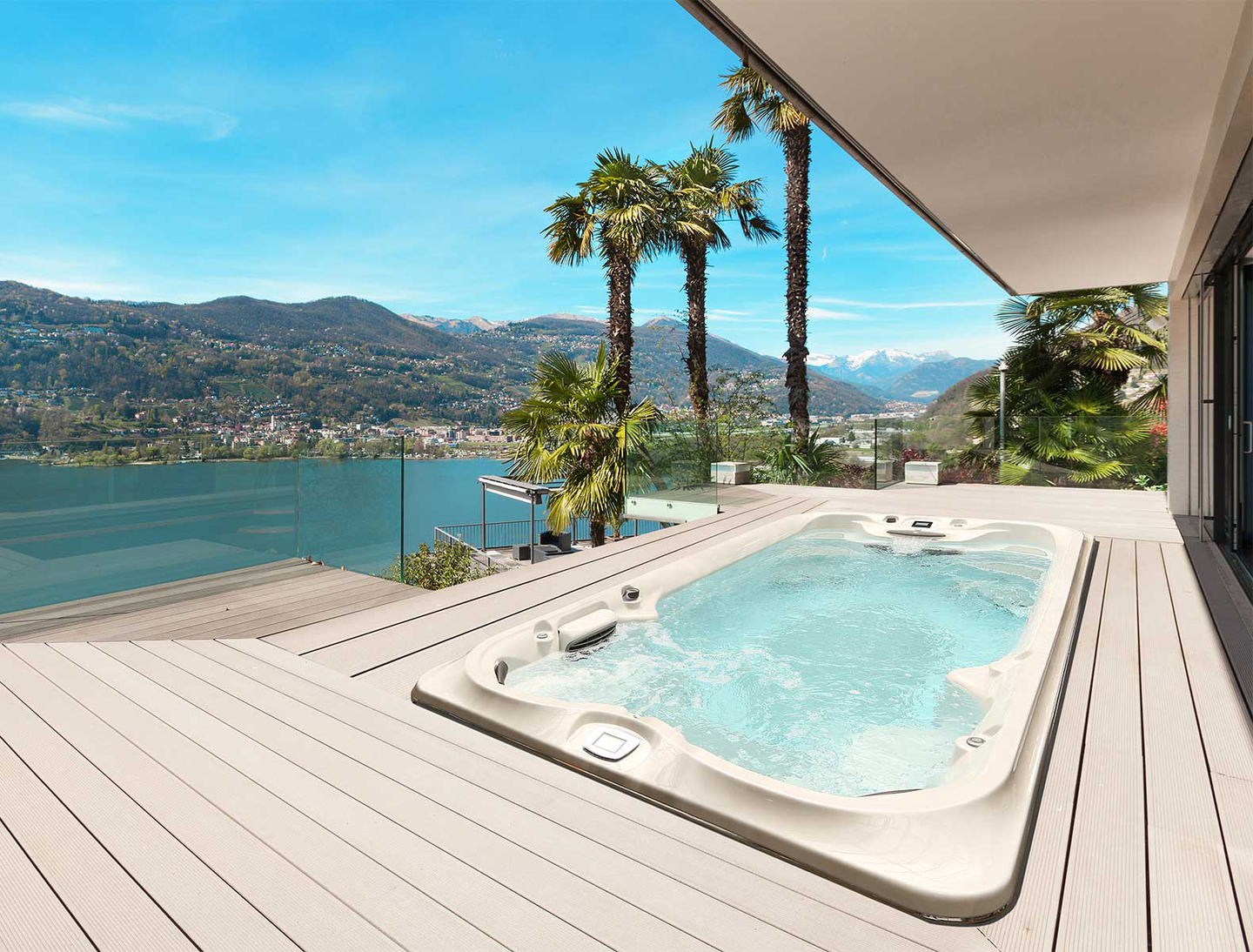
Swim Spa
La toute dernière technologie de courant de nage puissant et les performances historiques des jets Jacuzziᴹᴰ PowerProᴹᶜ se combinent pour offrir une nage parfaite, tout au long de l'année.

Sauna
Jacuzzi® Infrared Saunas are engineered with full spectrum (near, mid and far) front-facing IR heaters, along with Red Light therapy. Enjoy a comprehensive sauna experience in a single sauna session.