
When to Winterize Hot Tub: Complete Timing Guide for Jacuzzi Owners
12 Minute Read
Key Takeaways
The peaceful ritual of sinking into warm water after a long day shouldn’t become a source of stress when temperatures drop. Knowing exactly when to winterize hot tub systems protects your Jacuzzi investment while ensuring you can return to effortless relaxation when warmer weather arrives. Proper timing makes the difference between a smooth seasonal transition and costly repairs that could keep you out of the water for weeks.
Preparing your hot tub for the cold months is crucial to prevent damage from freezing temperatures and ensure your spa remains in top condition.
Understanding when to winterize a hot tub isn’t just about calendar dates—it’s about reading your environment and making smart decisions that honor both your lifestyle and your Jacuzzi’s sophisticated engineering. Whether you’re a seasoned spa owner or new to outdoor hot tub ownership, the guidance ahead transforms winterization from guesswork into confident preparation.
When to Winterize Your Jacuzzi: Optimal Timing
The art of perfect timing begins with understanding that your hot tub’s winterization schedule depends more on consistent temperature patterns than specific calendar dates. Schedule winterization in mid to late fall when daytime temperatures consistently stay below 60°F, creating the ideal window for safe water removal without risking freeze damage during the process.
If your hot tub will be unused for an extended period during the winter, proper winterization is necessary to prevent damage caused by freezing temperatures and inactivity.
Complete the process before nighttime temperatures drop below 32°F for consecutive nights. This buffer ensures your hot tub plumbing remains protected even if weather patterns shift unexpectedly. In most northern climates, this means targeting October through early November, though your specific location and elevation may shift this timeline by several weeks.
Monitor local weather forecasts for extended cold spells lasting more than 3 days. These sustained cold periods signal that winter weather has truly arrived, making winterization urgent rather than optional. Plan winterization at least 1-2 weeks before expected first hard freeze, allowing flexibility if equipment issues arise or weather delays your schedule.
The key to stress-free timing lies in preparation rather than reaction. When you winterize your hot tub proactively, you control the schedule and conditions. Emergency winterization during unexpected freezes creates pressure and increases the risk of mistakes that could damage your circulation pump or heater systems.
Critical Temperature Thresholds
Begin preparation when nighttime lows reach 45-50°F consistently across several days. This temperature range signals the transition from occasional cool nights to sustained autumn weather patterns that will continue dropping toward freezing temperatures. Your Jacuzzi’s energy efficiency begins working harder during these temperatures, making it an ideal time to evaluate your winter plans.
Complete winterization before temperatures drop to 25°F or lower. At this threshold, the risk of freeze damage escalates rapidly, especially in plumbing lines and pump housing areas where water can collect in unexpected pockets. Even brief exposure to these temperatures can cause ice formation that leads to costly repairs.
Never attempt to drain your hot tub when temperatures are below freezing. Water remaining in the hot tub lines can freeze during the draining process, expanding and cracking pipes before you can complete the antifreeze application. If unexpected freeze warnings occur during your planned winterization day, reschedule for warmer conditions or implement emergency heating measures until proper winterization becomes possible.
Consider emergency winterization if unexpected freeze warnings occur when your spa is unprepared. This situation requires immediate action to prevent water freezing in critical components like the heater, circulation pump, and jet opening systems where damage costs can exceed several thousand dollars.
Signs It’s Time to Winterize Your Jacuzzi
Beyond temperature considerations, practical lifestyle factors often provide clearer signals about when to winterize hot tub systems. If you plan to be away from home for more than 2-3 weeks during winter months, winterization protects your investment better than hoping automated systems will handle extended freezing conditions without intervention.
Energy costs for heating become prohibitively expensive in many northern regions where electricity rates peak during winter demand periods. When your monthly energy costs for spa operating exceed comfortable budget levels, winterization can provide significant savings during the most expensive heating months while preserving your Jacuzzi for spring enjoyment.
Consider winterization if you cannot commit to regular maintenance and water chemistry monitoring throughout cold weather. Winter water quality requires more frequent attention as evaporation rates change and debris accumulation patterns shift. Be sure to monitor for water level drops during winter, as low water levels can cause equipment to overheat or freeze if not addressed promptly. Without consistent care, your spa water quality deteriorates rapidly, creating problems that persist into spring startup.
Your Jacuzzi’s specific features also influence timing decisions. Models lacking adequate freeze protection features require earlier winterization than units with advanced cold weather safeguards. Review your owner’s manual to understand your specific model’s cold weather capabilities and limitations.
Local climate patterns that regularly experience temperatures below 10°F create extreme conditions where even the most efficient heating systems struggle to maintain proper water temperature consistently. In these environments, winterization often proves more reliable than attempting year-round operation.
Water quality becomes difficult to maintain during cold weather when outdoor debris increases and chemical effectiveness changes with temperature fluctuations. If maintaining proper water chemistry becomes a weekly struggle rather than a routine task, winterization may offer the break both you and your hot tub water need. Proper winterization and maintenance of your hot tub ensures optimal performance and reliability throughout the winter season.
Regional Climate Considerations
Geography shapes winterization timing more than any other factor, making regional awareness essential for protecting your outdoor hot tub investment. Northern climates in growing zones 3-5 should plan winterization by mid-October, as these regions often experience early freezes that can arrive without extended warning periods.
Moderate climates in zones 6-7 enjoy extended fall seasons, allowing winterization scheduling between late October and November when sustained cold weather finally establishes. These regions offer the luxury of choice—you can often operate well into November or even December before winterization becomes necessary.
Mild winter areas in zone 8 and higher should consider winter operation instead of winterization. These climates rarely experience the sustained freezing temperatures that make winterization essential, and your Jacuzzi’s energy efficiency remains reasonable throughout most winter months. The occasional freeze warning can be managed with temporary heating increases rather than full winterization.
If you own swim spas, be aware that they may have different winterization requirements compared to standard hot tubs. Always consult your owner's manual for model-specific guidance to ensure proper care.
Mountain regions require special attention to elevation and microclimate effects on timing. Valley locations may enjoy moderate temperatures while nearby elevated areas experience harsh conditions. Understanding your specific microclimate prevents costly mistakes that occur when using regional averages that don’t reflect your actual conditions.
Areas with unpredictable weather patterns benefit from monitoring 10-day forecasts closely rather than relying on historical averages. Climate change has shifted traditional seasonal patterns, making current weather data more reliable than past timing assumptions for when temperatures drop consistently.
Special Weather Events
Emergency winterization becomes necessary when sudden freeze warnings occur without adequate preparation time. These situations require quick action to protect your circulation pump, heater, and plumbing lines from damage that develops within hours of sustained freezing conditions.
Power outages during winter create immediate winterization needs if backup heating isn’t available. Without electrical power to maintain water flow and heat, remaining water in your system can freeze and cause extensive damage within a single night of extreme cold weather.
Extended vacation plans during peak winter months often trigger winterization decisions regardless of climate considerations. Even in moderate climates, leaving an unattended hot tub during winter travel creates risks that winterization eliminates entirely.
Equipment failure during cold weather necessitates quick winterization to prevent secondary damage from water freezing in disabled systems. A failed heater or circulation pump during freezing conditions requires immediate drainage and antifreeze protection to preserve the remaining components.
Alternative: When to Keep Your Jacuzzi Running
The most enjoyable winterization strategy might be avoiding it entirely through year-round operation. If you plan regular use throughout winter months—ideally 2 or more sessions per week—maintaining heated, circulating water often proves more practical than seasonal shutdown and spring startup procedures. Consistently maintaining hot water in your spa during cold weather not only ensures comfort but also enhances safety and functionality.
Your Jacuzzi’s reliable freeze protection and circulation systems make winter operation increasingly viable in most climates. Modern spa operating systems include sophisticated freeze protection modes that automatically activate when water temperature drops, maintaining minimum water flow even when the spa isn’t actively heating.
Energy costs remain manageable in many regions, especially with time-of-use electricity rates that offer lower costs during off-peak winter hours. Maintaining a hot tub during winter may require more energy to keep the water at the desired temperature, but modern systems can help optimize energy use and improve overall efficiency. Calculate your actual winter heating costs against the time and materials invested in proper winterization—you might discover that continuous operation costs less than anticipated.
Maintaining consistent water chemistry and cleaning schedules becomes easier with continuous operation compared to the extended shutdown and restart process. Your filter cartridges continue processing contaminants naturally rather than sitting dormant while biofilms potentially develop in stagnant water.
Having someone monitor the system during winter travel provides security that winterized systems cannot match. Active systems alert you to problems immediately, while winterized equipment problems only surface during spring startup attempts when damage has already occurred.
Winter Operation Requirements
Maintain water temperature between 100-104°F consistently to ensure proper chemical effectiveness and prevent freeze conditions from developing in any part of your system. This temperature range provides comfortable soaking while maintaining the heat necessary for reliable freeze protection activation.
Enable freeze protection mode on your Jacuzzi control system before the first freeze warning. This automated system monitors water temperature and activates circulation when needed, providing protection even during power outages or equipment issues that might otherwise create freeze conditions.
Ensure your hot tub cover fits securely and provides adequate insulation to minimize heat loss during extreme weather. A properly fitting cover reduces energy costs significantly while preventing ice formation on water surfaces that can interfere with circulation and heating effectiveness.
Schedule more frequent filter cleaning and water testing during winter months when debris patterns change and chemical consumption increases. Plan for filter basket cleaning every 2-3 weeks rather than monthly, and test water chemistry twice weekly rather than weekly to maintain optimal water quality.
Prepare backup heating plans for power outages that could disable your primary heating system during critical cold periods. This might include portable generators sized for your Jacuzzi’s electrical requirements or emergency procedures for rapid winterization if extended outages occur.
Pre-Winterization Planning Steps
Successful winterization begins with preparation rather than starting when cold weather arrives unexpectedly. Consult your Jacuzzi owner’s manual for model-specific winterization requirements, as component locations and recommended procedures can vary significantly between different spa models and vintages.
Gather necessary equipment before you need it: wet dry vacuum or shop vac, pool-grade rv antifreeze (never ethylene glycol automotive antifreeze which is highly toxic), cleaning supplies, absorbent towel, and any tools required for accessing drain plugs or pump housing components. Having everything ready eliminates delays that could expose your system to unexpected freezing. When draining your hot tub, make sure to remove as much water as possible from the shell, plumbing, and equipment to prevent freeze damage.
Schedule winterization for a day with temperatures above 40°F, ensuring comfortable working conditions and preventing water from freezing during the draining process. Cold hands make mistakes more likely, and working in freezing conditions can cause water to ice in drain spout areas before you complete the process.
Plan for 2-3 hours of uninterrupted work time to properly winterize your hot tub without rushing through critical steps. Rushing winterization increases the likelihood of missing steps that could lead to freeze damage during extended cold periods when repairs become impossible.
As a final step, add antifreeze (use only pool-grade or marine-grade antifreeze) to the plumbing lines and openings to protect against any remaining water freezing inside the pipes. Always follow safety precautions and be sure to thoroughly flush and remove all antifreeze before refilling and reusing your hot tub.
Consider professional service if you’re uncomfortable with DIY winterization procedures or lack confidence in your ability to complete all steps properly. Professional winterization typically costs less than repairing freeze damage from incomplete amateur efforts.
Prepare storage areas for filters and removable components that need protection from freezing temperatures. Clean filters remove more effectively when stored in temperature-controlled environments rather than left in the filter cavity where moisture can freeze and damage the filtering media.

Supplies Needed for Winterization
Protecting your wellness investment begins with expert preparation—having the right tools ensures seamless winterization and safeguards your relaxation sanctuary from the harshest elements. Every carefully selected supply plays a vital role in preserving your spa's performance, ensuring your pathway to restoration remains uninterrupted when warmer days return.
Start with a wet/dry vacuum equipped with blower capability—your essential partner in achieving thorough protection. This trusted tool expertly evacuates every trace of water from circulation lines, jet openings, pump housing, and filter cavities—because even the smallest amount of trapped water can compromise your spa's wellness-delivering systems. A dependable garden hose becomes indispensable for directing water flow with precision, while simultaneously refreshing your spa's surfaces after the draining ritual.
When your spa lacks integrated drainage, a submersible pump or sump pump transforms the process into an effortless experience, swiftly removing water while minimizing exposure to freezing conditions. Once the majority of water flows away, an absorbent towel becomes your tool for achieving that perfect, dry finish—carefully tending to every corner where moisture might linger, ensuring your spa shell radiates the care it deserves.
Complete protection demands thorough attention to your spa's circulatory pathways. An air blower expertly expels any remaining water from pipes and jets, delivering the comprehensive defense your wellness investment requires during winter's deepest embrace.
True protection calls for premium antifreeze solutions. Choose only RV antifreeze (propylene glycol)—formulated specifically for potable water systems and engineered for spa compatibility. Never compromise with ethylene glycol, which lacks the safety standards your wellness sanctuary demands. A measured amount of quality RV antifreeze introduced into drain valves, pumps, and access points provides that final layer of protection where complete drying proves challenging.
Your filter basket and filter cartridges deserve the same thoughtful care you give yourself. Clean filters perform at their peak, while proper storage in climate-controlled environments prevents freeze damage and extends their wellness-enhancing lifespan. Your owner's manual provides model-specific guidance—because personalized care delivers the best results.
A premium hot tub cover serves as your spa's protective embrace against heat loss and environmental intrusion. Ensure perfect fit and insulation, creating a barrier that maintains optimal conditions while defending against snow, ice, and temperature fluctuations that could disrupt your future relaxation experiences.
For the ultimate in convenience, consider a comprehensive winterization kit. These expertly curated collections include professional-grade wet/dry vacuum systems, detailed guidance, and specialized supplies—everything needed to deliver spa-worthy protection with confidence.
Assembling these essential tools before beginning creates the foundation for effortless, expert-level winterization. This thoughtful preparation not only prevents costly disruptions but preserves your wellness investment in pristine condition, ensuring your personal restoration sanctuary awaits you in perfect readiness when spring's warmth returns.
Seasonal Preparation Timeline
September marks the beginning of serious winterization planning in most northern climates. Begin monitoring weather patterns and planning your winterization schedule based on historical patterns for your specific region. This early preparation prevents the last-minute rush that often leads to incomplete winterization.
Early October provides the ideal timing for performing final deep clean and chemical balancing procedures before winterization. Use this time to address any water chemistry issues and complete maintenance tasks that become difficult after the system is drained and winterized.
Mid-October represents the optimal winterization window for northern climates where early freezes are common. Complete winterization during this period provides maximum protection while taking advantage of moderate temperatures that make the work more pleasant and thorough.
Late October through early November serves moderate climates where extended fall weather patterns allow flexible timing. Monitor weather forecasts carefully during this period, as conditions can shift rapidly from moderate to freezing without adequate warning.
November represents the final deadline for most regions before freeze risk increases dramatically. After mid-November, weather becomes increasingly unpredictable, and emergency winterization may become necessary if you haven’t already completed the process.
Emergency Winterization Situations
Unexpected equipment failure during cold weather creates urgent winterization needs that require immediate attention to prevent secondary freeze damage to functioning components. When your heater fails during freezing weather, you have hours rather than days to protect the remaining systems.
Sudden travel plans during winter months may necessitate emergency winterization even in moderate climates where you planned to maintain winter operation. Leaving an unattended spa during unexpected cold snaps risks damage that emergency winterization can prevent.
Power outages lasting more than 24 hours in freezing conditions require immediate winterization action if backup power isn’t available. Without circulation and heating, water inside your system begins freezing within hours, creating damage that progresses rapidly through all connected components.
Inability to maintain proper chemical balance or heating during cold weather indicates systems that aren’t functioning properly and require winterization to prevent water freezing in compromised equipment. Continuing operation with failing systems risks more extensive damage than proper emergency winterization.
FAQ
Can I winterize my Jacuzzi if temperatures are already below freezing?
Winterizing when temperatures are below freezing is risky and not recommended. Water can freeze in pipes during the draining process, causing damage before you can complete antifreeze application. The drain valves and plumbing lines remain vulnerable to ice formation as you remove all the water from the system. Wait for a warmer day above 35°F or consider emergency heating measures. If you must winterize in freezing conditions, work quickly and use a heated garage or temporary shelter around the equipment area. Consider using a submersible pump to remove water more rapidly than gravity draining through the standard drain spout.
How early in fall is too early to winterize my Jacuzzi?
Winterizing too early wastes potential usage time during pleasant fall weather when your hot tub could provide relaxation and enjoyment. Generally, September or early October winterization in mild climates eliminates weeks of possible spa time when temperatures remain comfortable for outdoor soaking. Wait until nighttime temperatures consistently drop below 50°F and energy costs begin increasing noticeably. Monitor extended weather forecasts for the first freeze prediction rather than following arbitrary calendar dates. Consider your personal usage patterns—if you hot tub regularly during cool fall evenings, delaying winterization maximizes your investment return.
What happens if I forget to winterize before the first freeze?
Immediate action is needed to prevent costly freeze damage to your circulation pump, heater, and plumbing lines. Keep the heater and circulation running continuously until you can properly winterize on the next day above freezing. This maintains water flow that prevents ice formation in critical components. Schedule emergency winterization immediately when temperatures rise above 32°F. Contact a professional service if you’re uncomfortable with emergency procedures or lack experience with rapid winterization techniques. The cost of emergency service is minimal compared to replacing frozen equipment or repairing cracked jet opening components.
Should I winterize if I only plan to be away for one week in winter?
Full winterization isn’t necessary for short absences of 1-2 weeks if your spa has reliable freeze protection systems. Lower the water temperature to 95°F and ensure freeze protection mode is enabled on your control system. Have someone check on the hot tub every few days during your absence to verify the heater and circulation continue operating properly. Only consider winterization for short trips if temperatures will drop below 10°F consistently during your absence or if your electrical panel doesn’t support reliable freeze protection operation. Monitor weather forecasts and have a neighbor prepared to contact you if equipment issues develop.
Can I partially winterize my Jacuzzi and still use it occasionally?
Partial winterization isn’t recommended because it provides inadequate freeze protection while compromising system reliability. You must either keep your spa fully operational with maintained heating and circulation, or complete full winterization with proper water removal and antifreeze application. Half-measures like draining some water while leaving pumps active can create air locks that damage circulation systems. Occasional winter use requires maintaining full operation including proper water chemistry, regular filter cleaning, and consistent heating. The small amount of energy saved through partial operation doesn’t justify the increased risk of freeze damage to unprotected components.
Learn More With Our Hot Tub Buying Series
Unlock the secrets to the perfect hot tub with our exclusive email series. Get expert advice and tips right in your inbox. Subscribe now and take the first step towards finding your ideal hot tub.
Hot Tub Buying Series
Explore Categories


Explore Products

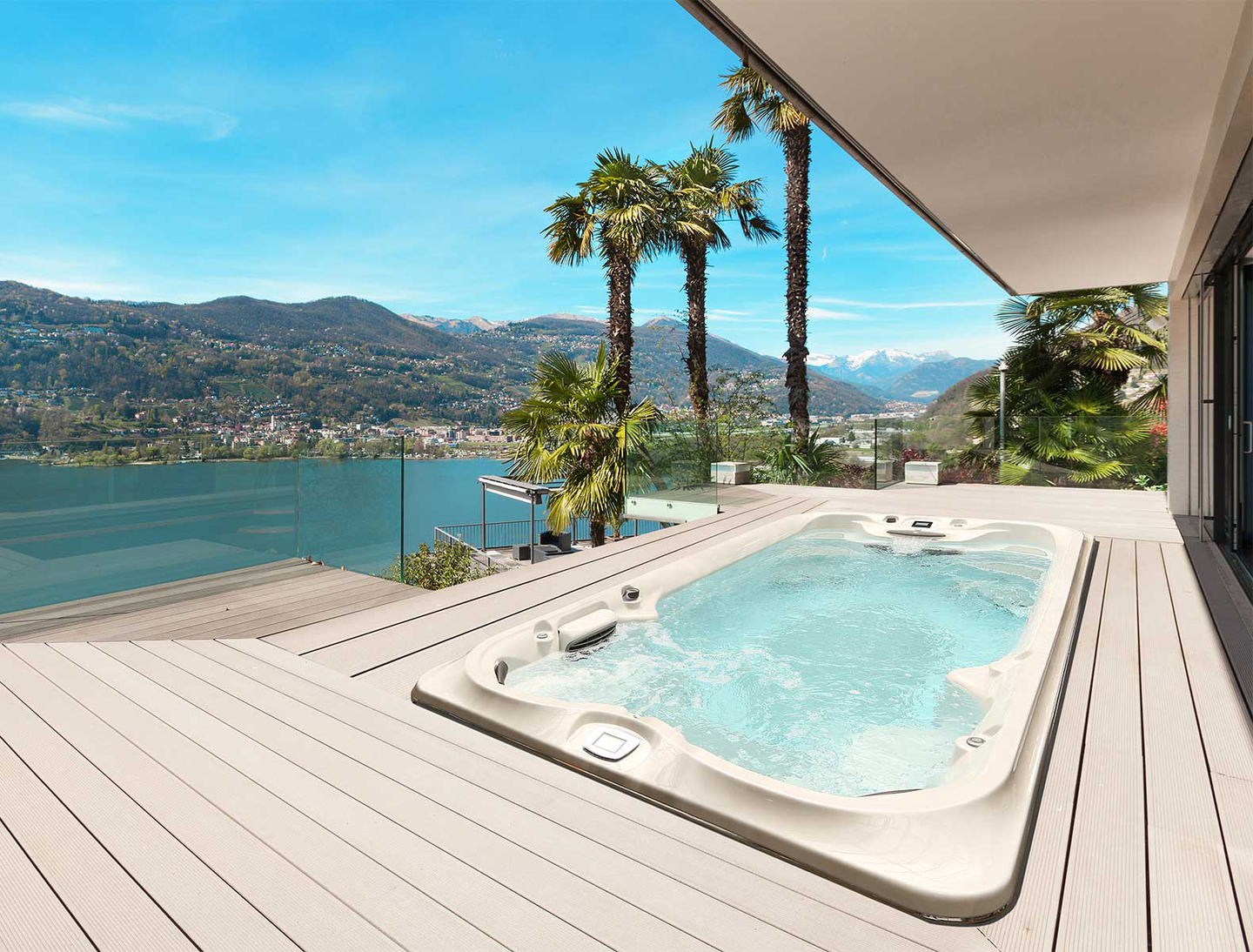
Swim Spa
La toute dernière technologie de courant de nage puissant et les performances historiques des jets Jacuzziᴹᴰ PowerProᴹᶜ se combinent pour offrir une nage parfaite, tout au long de l'année.

Sauna
Jacuzzi® Infrared Saunas are engineered with full spectrum (near, mid and far) front-facing IR heaters, along with Red Light therapy. Enjoy a comprehensive sauna experience in a single sauna session.