
Can hot tubs really help reduce stress and anxiety?
12 Minute Read
You deserve some moments of calm—especially in today’s busy world. If you’ve been thinking whether a warm soak in your spa can do more than just feel good or wondering how to use hot tubs for stress relief, this article is for you.
As you read on, you’ll learn how soaking in a hot tub can support stress relief and anxiety reduction, and how hot tub hydrotherapy for anxiety fits into your broader wellness routine. You will also learn how Jacuzzi® hot tub relaxation is one of the best ways to temporarily reduce stress and anxiety.
What exactly is “hydrotherapy for anxiety”?
Hydrotherapy is water-based therapy that uses water, immersion, perhaps jets, and a relaxing environment to help calm your body and mind. This can be as simple as a warm bath or as high-level as luxury hydrotherapy in a Jacuzzi® hot tub. According to the Cleveland Clinic, “Hydrotherapy, also known as aquatic therapy or water therapy, is the practice of using water as therapy.”
When you slip into a warm tub, your body senses the warmth, your muscles release some tension, your nervous system receives cues of comfort—and that’s where unparalleled relaxation unique to Jacuzzi® hot tubs comes in. It’s not just about bubbles or the jets—it’s the soothing environment plus the physical effects of warm water that create a sense of relief.
How does soaking in a hot tub help your mind and body unwind?
Here are some ways that a warm soak can support stress relief:
You lower tension in your body
Warm water helps your muscles relax, circulation improves, and your skin senses comfort. In fact, Cleveland Clinic says that warm-water immersion “can help lower tension in tight muscles, ease pain and improve circulation.”
When the body is less physically tense, your brain gets fewer alarm signals and you’re more able to shift into a calmer state.
You shift your nervous system tone
Stress and anxiety often involve too much “fight-or-flight” from the sympathetic nervous system. Being immersed in warm water in a supportive environment sends signals that you’re safe, allowing more of the “rest-and-digest”, the parasympathetic side, to come into play. The Cleveland Clinic notes that hydrotherapy can trigger such shifts.
When your breathing slows a little, your heart rate eases, your thoughts soften—this physical shift helps your mind feel calmer, too.
You create mental space to unwind
Taking time for a soak gives you a purposeful pause. According to a piece by the Mayo Clinic on relaxation techniques, simply slowing your heart rate, slowing your breathing, lowering your blood pressure, and easing muscle tension are all signs your body is relaxing.
In your hot tub, you’re consciously stepping away from busy screens, tasks, to-do lists and giving yourself a boundary of calm. That is a meaningful and purposeful action that can help balance your busy life.
You improve your mood and perhaps your sleep, too
The Cleveland Clinic states: “Using a hot tub or taking a hot bath helps calm your nervous system and improve your mood. Research shows that people who take hot baths instead of showers report lower levels of stress.”
Better mood often leads to better sleep, and better sleep can reduce anxiety and stress the next day.
What does the evidence say about hot tubs as stress and anxiety relief tools?
Here is a recap of how hot tubs can help you temporarily reduce stress and anxiety:
- The Cleveland Clinic describes hydrotherapy (including warm baths and immersion) as having “lots of advantages” and being able to reduce symptoms — primarily muscle pain/stiffness but also providing relaxation and circulation benefits.
- In their overview of hot-tub benefits, the Cleveland Clinic states that “some studies have shown that immersing yourself in hot water could relieve stress and decrease depression symptoms.”
- The Mayo Clinic notes that exercise eases symptoms of anxiety and depression, suggesting that any activity that supports mood, including physical relaxation, is helpful.
- The previously mentioned Mayo Clinic article from Mayo Clinic points out that lowering stress hormone activity, improving sleep, easing muscle tension, and slowing heart rate are all part of how you reduce stress.
- A Mayo Clinic Press article on the use of integrative therapies for anxiety mentions that hydro-type therapies (as part of a complementary approach) may help, though they stress these do not replace conventional treatments.
The bottom line is that a soothing hot tub soak is a scientifically supported method for temporary stress and anxiety relief. While it’s not a standalone cure-all, hot tub hydrotherapy is especially effective when paired with other healthy habits.
How to use your hot tub for stress and anxiety relief
Set the mood
- Choose a comfortable temperature: experts suggest water around 100-104 °F (37-40 °C) for a soak that’s relaxing but not overly taxing.
- Soak for 15-20 minutes or until you feel gently relaxed.
- Dim lights, cue soft music, and scent the area lightly (if safe) to signal relaxation time.
- Consider inviting your spouse, friends or family for a soak together—social connection itself is stress-relieving.
Use intentional breathwork and presence
To further relax while you soak:
- Breathe slowly and deeply in through your nose, out through your mouth—focus on letting your body release its tension.
- Notice sensory details: the warmth, the buoyancy, your muscles loosening. This attention helps you switch out of mental “to-do” mode.
- Let any worries float away—imagine them drifting off or dissolving in the warm water.
- This kind of mindful soak pairs beautifully with what Mayo Clinic suggests for relaxation.
- Tie it into your routine—Aim for regular use, such as 3-4 times a week or when you’re feeling stressed. Regularity can reinforce the mind-body benefits.
- Use the soak as a transition: after a busy day, before bed, or as a weekly “self-care” ritual.
- Pair it with other stress-relief habits: performing light stretches before soaking, sipping herbal tea afterward, and reflecting with a brief gratitude session.
A warm-soak session feels relaxing, helps loosen your muscles, and shifts your mind into calmer mode. You might notice your mood improve after a soak, or your mind quiet a bit. Over time, if you use it regularly, it may form a reliable “reset button” in your wellness routine that supports your stress-re-modulation. In combination with good sleep, a healthy diet, movement, and social support, you’ll likely feel more resilient against daily stressors, with hydrotherapy as a tranquil part of your wellness routine.
A few smart safety reminders
- Keep the water temperature moderate (100-104 °F).
- Soak for about 10-20 minutes; gradually increase soak time without overdoing it.
- Get out slowly to avoid dizziness or light-headedness.
- Stay hydrated.
- Avoid alcohol immediately before or during a soak.
- If you feel chest pain, dizziness, nausea, or palpitations—stop and consult your doctor.
- If your anxiety is severe or you’re undergoing mental-health treatment—use this as an adjunct, not sole therapy.

Frequently Asked Questions (FAQs)
Q: Will a hot tub totally cure my anxiety?
A: No. A hot tub soak is a helpful supportive measure for stress and anxiety relief, but it isn’t a substitute for professional mental-health care, therapy, or medication when those are needed.
Q: How often should I use the hot tub for stress relief?
A: If you can safely do so, 2-4 times per week or when you really need a reset is a good rhythm. Even one dedicated session per week can make a difference.
Q: What if I have anxiety and also heart or blood-pressure issues—can I still use the hot tub?
A: Possibly yes, but you should check with your healthcare provider first. Because warm water affects heart rate, blood pressure and circulation, your doctor can advise on safe water temperature, duration, and whether your medications interact.
Q: Can I just take a hot bath instead of a hot tub for the same stress-relief benefits?
A: A warm bath offers many of the same benefits as hot-tub immersion in terms of muscle relaxation, nervous system shift, and mood uplift—so if a tub is more accessible, it’s a great option. However, a soak in your bath is no match for an incredible hydromassage in your Jacuzzi® hot tub.
Q: Should I use my hot-tub time for something specific, such as meditation, or just soak and relax?
A: Both options are fine. You might choose to simply soak, let go of thoughts, or listen to soft music. Or you might integrate a short mindfulness exercise or deep-breathing routine. The goal is to allow the body and mind to relax.
You deserve to feel calm, grounded and connected—and your hot tub can be a radiant part of that mix. Hot tubs can really help reduce stress and anxiety through high-level hydrotherapy and the physical-mental shifts that warm water immersion brings. Paired with your broader wellness toolkit (healthy diet, movement, sleep, mental-health support, and social connection), your warm-water ritual can become a mighty ally in your calm-and-connected life.
So go ahead: get your hot tub ready, cue up your favorite playlist, sink in, breathe deeply, let the warm, bubbly water envelop your body—and know you’re doing something meaningful for both your mind and your body.
Disclaimer: Jacuzzi® is a registered trademark of Jacuzzi Group. All rights reserved.
Medical Disclaimer: This content is for informational purposes only and is not a substitute for medical advice, diagnosis, or treatment. Always consult your physician or a qualified healthcare provider with questions regarding any medical condition.
Learn More With Our Hot Tub Buying Series
Unlock the secrets to the perfect hot tub with our exclusive email series. Get expert advice and tips right in your inbox. Subscribe now and take the first step towards finding your ideal hot tub.
Hot Tub Buying Series
Explore Categories


Explore Products


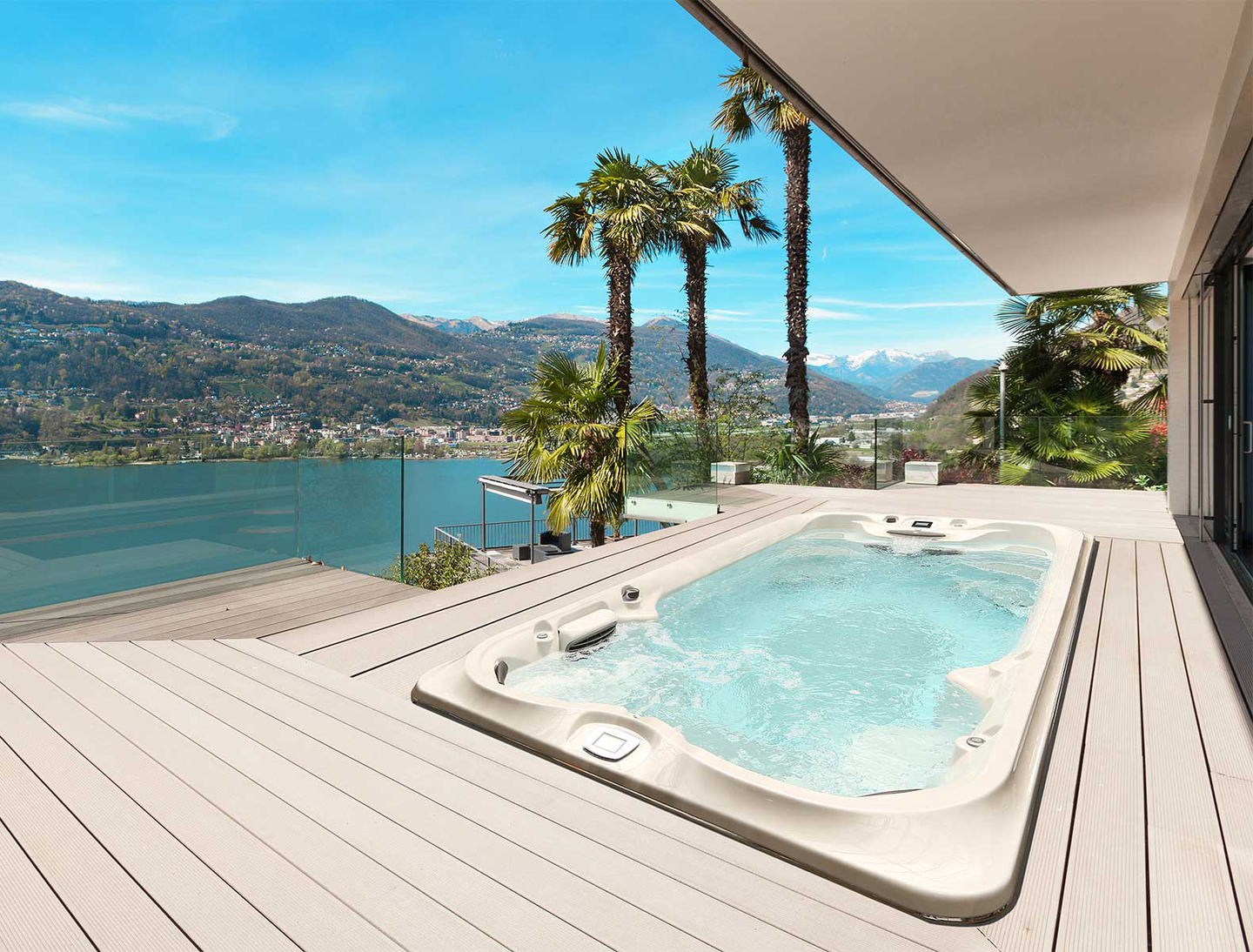
Swim Spa
La toute dernière technologie de courant de nage puissant et les performances historiques des jets Jacuzziᴹᴰ PowerProᴹᶜ se combinent pour offrir une nage parfaite, tout au long de l'année.
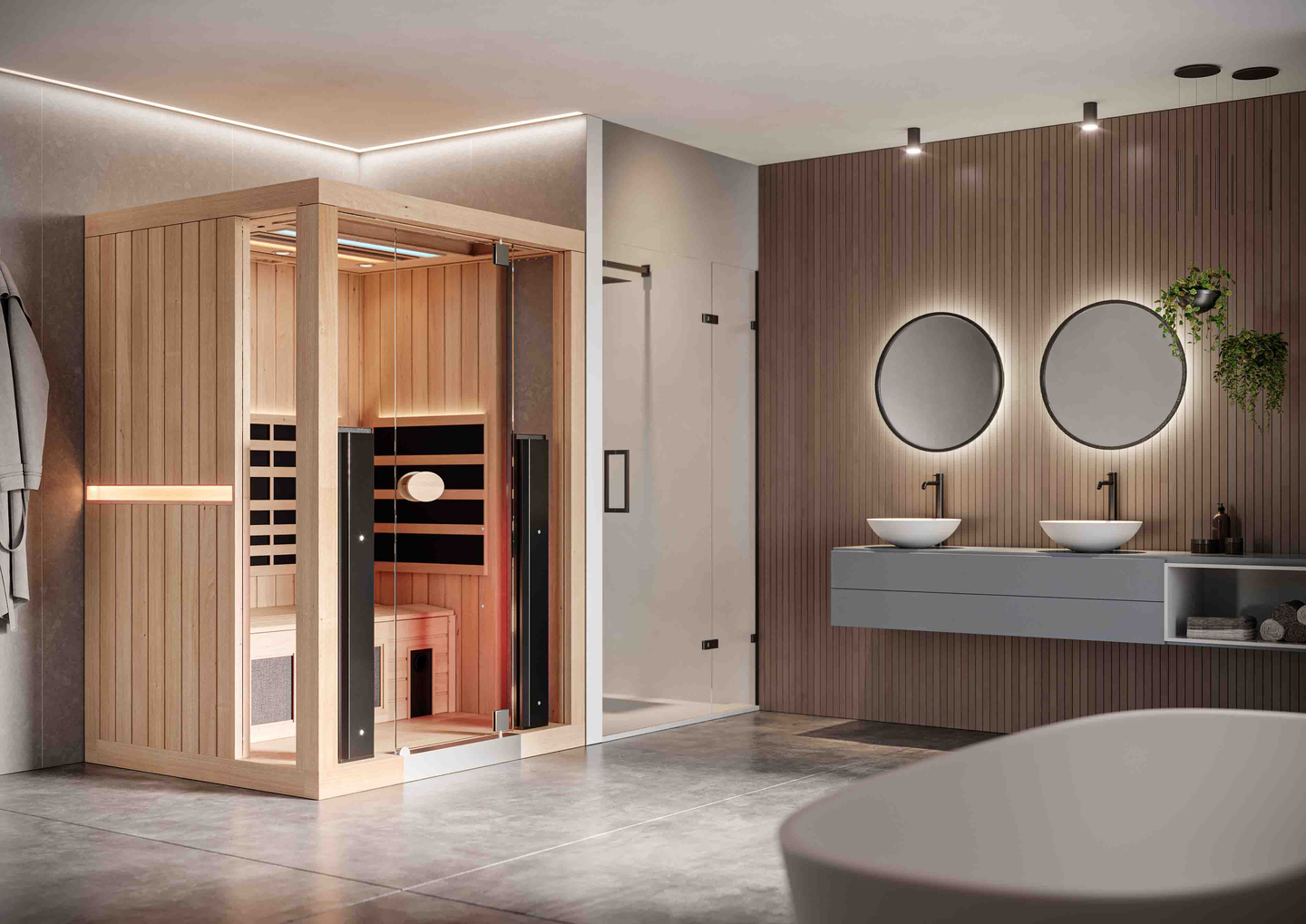
Sauna
Jacuzzi® Infrared Saunas are engineered with full spectrum (near, mid and far) front-facing IR heaters, along with Red Light therapy. Enjoy a comprehensive sauna experience in a single sauna session.