
Swim Spa Cover Options: Choosing the Right Protection
14 Minute Read
Key Takeaways
- A quality swim spa cover is essential for energy efficiency, safety, and water cleanliness—premium options from brands like Jacuzzi and Master Spas use high-density foam, marine grade vinyl, or advanced rolling and automated systems to deliver lasting protection.
- The three main cover options are high-density bi-fold covers (best for cold climates), low-profile rolling systems (ideal for moderate weather and tight spaces), and automated smart covers (ultimate convenience for frequent users or those with mobility needs).
- A well-fitted, insulated cover can noticeably reduce heating costs in four-season climates and should typically be replaced every 4–6 years—or sooner if it becomes heavy, cracked, or difficult to lift.
- When choosing the right cover, match it to your exact swim spa model, local climate (snowy winters versus mild coastal conditions), and your desired ease of use—look to Jacuzzi-grade features as your benchmark for quality.
- Proper maintenance extends cover life significantly: routine cleaning, UV conditioning, gentle snow removal, and careful handling can add years to your investment.
Why Your Swim Spa Cover Matters All Year
A swim spa represents a substantial investment—often $20,000 or more for a quality 14–19 foot unit. Much like how Jacuzzi emphasizes full-system protection for their products, the cover you choose is your first line of defense against the elements, energy loss, and safety concerns.
Here’s why your cover matters every season:
- Running costs: A premium, well-fitted cover can retain heat overnight even in freezing temperatures, reducing heater run time and keeping energy costs manageable
- Water quality: Proper coverage blocks leaves, pollen, dust, and debris, cutting filter strain and the time you spend skimming and vacuuming
- Shell longevity: Your acrylic shell and cabinet are shielded from UV damage, chemical degradation, and weather wear
- Safety: A lockable cover provides peace of mind, especially in households with children, pets, or frequent guests
Consider the difference: a worn, waterlogged cover might let warm air escape all night, force your heater to work overtime, and require constant debris removal. A premium cover that fits snugly? It practically cares for itself—and so does your spa. The rest of this guide walks through the core benefits, your main cover options, how to choose between them, and when it’s time for a new cover.
Core Benefits of a Quality Swim Spa Cover
Whether you’re unwinding after work with a hydrotherapy session, fitting in morning exercise laps, or gathering the family for a weekend soak, your cover quietly enables year round enjoyment. Much like the restorative experience Jacuzzi designs into every spa, a quality cover ensures your swim spa is always ready when you are.
Before diving into the specifics, here’s what a well-designed cover delivers:
- Maintains consistent water temperature for spontaneous use
- Lowers energy costs by minimizing heat loss
- Protects pumps, controls, and the shell from weather and UV damage
- Reduces chemical consumption by limiting evaporation and sunlight exposure
- Supports safer backyard ownership with secure locking mechanisms
These benefits scale with quality. Higher-density foam, thicker tapered panels, and precision seals deliver better insulation and durability than budget alternatives. Let’s explore each benefit in detail.
Energy Efficiency and Heat Retention
A snug, insulated cover can retain most of your swim spa’s heat overnight—even when temperatures drop to −10°C (14°F) during northern U.S. and Canadian winters. This heat retention is the foundation of energy efficiency.
Premium bi-fold covers often feature benefits suited for swim spa owners—learn more about the best benefits of a swim spa for fitness and relaxation.
Premium swim spa covers are built with performance in mind. Foam thickness typically measures about 5 inches at the center, tapering to 3 inches at the edges. This design usually delivers an R value around R 20, with foam density ranging from 1.0 to 2.0 pounds per cubic foot.
The tapered construction is not just aesthetic. It naturally sheds rain and snow, preventing water from pooling on top, which can lead to sagging and gradual heat loss. With a high quality cover in place, swim spa owners can generally maintain water temperatures between 82 and 104°F with significantly less heater run time, helping keep winter energy costs more stable and predictable.
A properly constructed cover also includes a vapor barrier wrapped around the foam core. This barrier prevents moisture from seeping into the foam. Without it, the foam can absorb water, become heavy, and lose much of its insulating capability, in some cases reducing effectiveness by more than half.
Protection from Weather, Debris, and Evaporation
A quality cover does more than retain heat—it acts as a shield against everything your outdoor space can throw at it.
Consider the seasonal challenges:
- Autumn: Falling leaves, acorns, and organic debris
- Spring: Pollen that turns water cloudy within days
- Summer: Heavy rain, insects, and dust storms
- Winter: Snow, ice, and freezing rain
A weather-sealed skirt and reinforced stitching keep these elements out. Many swim spa owners notice that a properly fitted cover can reduce weekly skimming and vacuuming time from 20 minutes down to 5–10 minutes—freeing you to actually enjoy your spa rather than constantly clean it.
In drier climates like Colorado or inland California, reduced evaporation is particularly valuable. Less water loss means fewer top-offs and more stable chemical levels, which saves both time and money on maintenance.
UV, Appearance, and Shell Longevity
In sunny regions like Arizona or Florida, unprotected acrylic can dull, fade, and discolor within just a few years. Your cover provides essential UV protection for both the shell and the control panel.
Premium spa covers—including those designed to Jacuzzi-level standards—feature:
- UV-resistant marine grade vinyl outer skin
- Reinforced, double-stitched seams that resist wear and tear
- Mildew-resistant underside materials for humid climates
This protection extends beyond the spa itself. Your cabinet panels and cover color stay vibrant longer, keeping your backyard looking fresh. There’s also a practical chemistry benefit: with less sunlight reaching the water, chlorine and bromine don’t burn off as quickly, making routine water care simpler.
Safety and Peace of Mind
For households with children, pets, or rental guests, a lockable cover isn’t optional—it’s essential. ASTM-compliant covers with secure locking straps provide a genuine barrier against accidental entry when adults aren’t supervising.
Key safety features to look for:
- Reinforced handles that support the cover’s weight during removal
- Locking straps with tamper-resistant clips
- Proper load-bearing capacity to prevent collapse under snow or if a child climbs on
Some municipalities allow a compliant locking cover to satisfy pool/spa barrier requirements in place of a full fence—worth checking with local codes. Beyond regulations, there’s the emotional peace of mind: knowing your spa is secure lets you relax fully, whether you’re inside the house or away for the weekend.
Main Swim Spa Cover Options
Swim spa cover options include traditional bi-fold, rolling (end-to-end), and fully automated systems like Covana. There are several types of swim spa covers, including traditional bi-fold covers, rolling covers, and automated covers.
- Traditional bi-fold covers: These covers are made of thick, insulated foam panels that fold in half for removal. They are known for their excellent insulation and are ideal for cold climates.
- Rolling (end-to-end) covers: Rolling covers are designed to roll up from one end of the swim spa to the other, offering a sleek, low-profile look and easy operation. They are best suited for moderate climates and tight spaces.
- Automated covers: Fully automated systems, open and close with the push of a button or turn of a key. They provide ultimate convenience, especially for frequent users or those with mobility needs.
Today’s market offers three primary categories of swim spa covers: traditional high-density bi-fold covers, rolling systems, and automated smart covers. Like Jacuzzi-branded solutions, modern systems combine insulation, weather resistance, and user convenience—but differ in price and climate suitability.
The sections below help you match each cover type to your specific situation: heavy snow loads, intense sun, indoor versus outdoor installation, mobility concerns, and budget range. While exact 2026 pricing varies by size and features, think of the tiers as:
Hot tub cover options vary by price tier and intended use. Bi fold foam covers fall into the standard to mid range category and are well suited for cold climates and budget conscious buyers who want reliable insulation at a lower cost. Rolling systems are typically considered mid range to premium and work well in moderate climates or for frequent users who want easier access with less lifting effort. Automated covers sit in the premium tier and are ideal for luxury installations or for owners with accessibility needs who want maximum convenience and minimal physical strain.
The bi-fold cover remains the classic choice for swim spa owners. These covers feature thick foam cores wrapped in durable vinyl, with a center hinge that allows them to fold for removal. They’re often standard equipment on 12–19 foot swim spas from major brands.
Typical specifications include:
- 5 inches thick at the center, tapering to 3 inches at the edges
- R-values around 20 for excellent thermal resistance
- Foam densities near 1.0 lb/ft³ or higher for structural support
This style excels in cold or snowy climates—think the Midwest, Northeast, or Canadian Prairies—where insulation and load-bearing capacity matter most. A quality bi-fold cover can support significant snow weight without sagging onto the water surface.
The key to making these large covers manageable? A cover lifter. Hydraulic-assisted arms, similar to those sold for Jacuzzi spas, allow a single person to pivot even an 18-foot cover off the spa and store it alongside. Without a lift system, you’ll likely need two people for daily use—something to factor into your decision.
Master Spas has notably introduced bi-fold covers that are up to 25% lighter than previous designs while maintaining high-density foam and vapor barriers, reflecting the industry’s push toward easier handling.
Low-Profile Rolling Cover Systems
Rolling covers offer a sleek, modern alternative that appeals to owners who find traditional bi-fold covers cumbersome. These systems roll onto themselves or a spool mechanism, preserving backyard views and fitting neatly on tight decks or in indoor installations.
Key advantages of rolling designs:
- Lighter operation than multi-panel foam covers
- Single-piece construction eliminates gaps between panels
- Excellent perimeter sealing reduces heat loss at edges
- Clean aesthetic that complements contemporary outdoor spaces
Rolling covers shine in mild to moderate climates—Pacific Northwest, coastal California, or parts of Western Europe—where extreme snow loads are less of a concern. Systems like the Hydropool Rollaway demonstrate how rolling covers can balance strong insulation with convenient access: one continuous motion to open, no lifting or folding required.
For swim spa owners who use their unit daily, the time saved adds up. Quick access encourages more frequent use, which ultimately delivers more value from your investment.
Automated and Smart Swim Spa Covers
At the premium tier, automated covers represent the ultimate in convenience. These systems operate via key-turn or switch, sliding or lifting open with minimal effort. Some function as Covana-style gazebo structures that double as overhead shelter when raised.
Construction typically includes:
- Aluminum frames for durability and corrosion resistance
- Rigid thermoplastic panels with integrated insulation
- Full perimeter seals that create an airtight closure
- Lockable controls for enhanced safety
Automated covers particularly benefit older users, those with mobility limitations, or anyone in heavy-snow regions who wants effortless access after winter storms. The trade-off is cost—these systems run significantly higher than manual options—but many owners consider them a worthy investment for the combination of convenience, durability, and protection they provide.
Some automated systems offer extras like privacy side walls, integrated LED lighting, or shade screens. While these features increase project cost, they can transform your swim spa into a true luxury retreat that’s usable in nearly any weather condition.
How to Choose the Best Swim Spa Cover for Your Setup
The perfect cover depends on your specific circumstances: spa brand and model, climate, usage frequency, and personal priorities like safety or aesthetics. There’s no universal answer—but there is a right answer for you.
Use this checklist to guide your decision:
- Climate: Snow loads, UV intensity, humidity, and wind patterns
- Usage frequency: Daily exercise versus occasional relaxation
- Health and mobility: Physical ability to operate manual covers
- Backyard layout: Available clearance, views, proximity to structures
- Local codes: Safety cover requirements in your municipality
- Budget: Balance upfront cost against long-term energy savings
If you own a Jacuzzi or equivalent premium swim spa, consider OEM or OEM-spec covers first. A precise fit maintains warranty coverage and ensures the cover performs as designed.
Matching Cover Type to Climate and Usage
- Cold and snowy climates (Midwest, Northeast, Canadian Prairies):
- Prioritize thick, high-R bi-fold covers with robust hinges and a solid vapor barrier.
- Look for covers rated for significant snow load, and consider adding a winter tarp overlay during the harshest months for extra protection.
- Example: A family in Minnesota would benefit from maximum insulation and the durability to handle repeated freeze-thaw cycles.
- Hot, sunny zones (Southwest, Florida, Southern California):
- Focus on UV-resistant materials and lighter colors that reflect heat rather than absorb it.
- In extreme heat, you may need a cover that manages water temperature to avoid uncomfortable swim conditions.
- Example: A couple in Southern California might prioritize a rolling system that’s quick to open for evening swims without trapping excess daytime heat.
- Coastal or windy areas:
- Emphasize secure strap systems, corrosion-resistant hardware (stainless steel rather than standard metal), and snug skirts that reduce wind uplift and salt-air damage.
- Coastal homes see accelerated wear on materials not designed for marine environments.
Fit, Model-Specific Design, and Brand Compatibility
An exact, model-specific fit is crucial for optimal performance. Here’s why:
- Corner gaps allow heat to escape and debris to enter
- Uneven stress can warp foam cores within just a few seasons
- Hinges that don’t align with control panels or waterfalls create awkward operation
When ordering a replacement cover, use your spa’s brand, model name, and length—for example, “2023 Jacuzzi 15-foot swim spa.” This specificity mirrors how manufacturers like Jacuzzi specify their parts and ensures compatibility.
Be cautious with “one-size-fits-most” covers. They may create:
- Safety issues due to loose fit
- Water pooling in uneven areas
- Premature hinge failure from misalignment
OEM or authorized third-party covers are more likely to meet ASTM safety standards and keep your manufacturer warranty intact.
Ease of Use, Lifts, and Daily Practicality
Here’s a reality many swim spa owners discover: a cover that’s hard to move discourages use. If opening your spa feels like a chore, you’ll find yourself soaking less often—defeating the purpose of your investment.
How each cover type compares for daily operation:
- Bi-fold covers without lifter: Require two people and moderate effort; manageable but not ideal for solo users
- Bi-fold covers with hydraulic lifter: One person can operate smoothly; adds 30–60 seconds to the routine
- Rolling covers: Single-motion operation; typically 15–30 seconds to open
- Automated covers: Push-button operation; opens in under a minute with zero physical effort
For older users or those with joint issues, investing in an automated cover may deliver more daily value than maximizing R-value specs. The cover that gets opened is the cover that matters.

Explore Swim Spas
When to Replace Your Swim Spa Cover
Even a high-quality cover built to Jacuzzi-level standards will eventually show its age. Years of sun exposure, temperature swings, and moisture take their toll on foam, fabric, and seals.
The typical lifespan for standard covers runs 4–6 years in average climates, though this varies:
- Shorter life: Intense UV regions (Arizona, Florida), heavy-snow areas, or inadequate maintenance
- Longer life: Mild climates, covered installations, and consistent care routines
Waiting too long to replace a failing cover silently increases utility bills and strains your heater and pumps. The following signs indicate it’s time for a new cover.
Visible Wear, Damage, and Waterlogging
Visual inspection reveals many problems immediately:
- Cracked, brittle, or bleached vinyl
- Torn stitching or separated seams
- Broken zippers on vapor barrier access points
- Sagging panels that no longer shed rain or snow properly
The most telling sign is weight. If your cover feels noticeably heavier or “spongy” when lifted, moisture has likely breached the vapor barrier and saturated the foam. A waterlogged cover becomes cumbersome to handle and loses much of its insulating value—you’re paying to heat the cover as much as the water.
Additionally, moldy smells, visible mildew, or dark spots on the underside signal moisture problems that won’t resolve without replacement.
Energy and Heat Loss Warning Signs
Sometimes the damage isn’t visible but shows up in performance:
- Difficulty maintaining your set temperature
- Wider temperature swings overnight than in previous years
- A noticeable jump in winter energy bills compared to prior seasons
Here’s a simple at-home test: on a cold evening, check for warm, steamy air escaping along the cover seam or at the corners. If you notice significant condensation or feel heat escaping, your cover’s seals have likely degraded.
In colder regions, replacing a failing cover often pays for itself within a few heating seasons through reduced energy costs alone.
Usability and Safety Concerns
Beyond insulation, consider how the cover handles:
- Has opening or closing become a two-person task when it used to be manageable solo?
- Do hinges feel unstable, wobbly, or misaligned?
- Are locking straps broken, cracked, or unable to secure properly?
Damaged safety hardware is especially concerning around children and pets. Temporary fixes like bungee cords should never substitute for proper locking mechanisms.
When replacement time comes, consider it an opportunity to upgrade. If your lifestyle has changed—you’re using the spa more frequently, or mobility has become a concern—switching to a rolling or automated system might serve you better than simply replacing like-for-like. If you need help finding your spa’s model and serial number for warranty or product information, guidance is available.
Care and Maintenance Tips for Longer Cover Life
Simple, routine care extends your cover’s life and maintains its appearance—similar to the maintenance guidance Jacuzzi provides for their spa systems. A few minutes each month can add years to your investment.
Focus on these core practices:
- Regular cleaning with appropriate products
- UV conditioning for vinyl surfaces
- Gentle snow and ice management
- Careful handling that prevents foam damage
Cleaning, Conditioning, and UV Protection
For routine cleaning:
- Use mild soap and water with a soft cloth or sponge
- Avoid harsh solvents, bleach, or abrasive brushes that strip protective coatings
- Rinse thoroughly to prevent soap residue buildup
UV protection is critical for vinyl longevity:
- Apply a marine-grade vinyl protectant 3–4 times per year
- Treat before summer sun exposure and again before winter storage
- Follow manufacturer guidelines, especially for branded covers, to avoid voiding warranties
Don’t neglect the underside. In humid or coastal regions, wiping down the cover’s interior surface occasionally reduces mildew buildup that can transfer to your spa water and cause odors.
Seasonal Care: Rain, Snow, and Freezing Conditions
Winter demands extra attention:
- Remove accumulated snow promptly using a soft broom—don’t let heavy loads sit for days
- Never chip ice with sharp tools; wait for sun to soften ice naturally before gentle removal
- Secure covers tightly before storms to prevent wind damage or partial blow-offs
For extreme cold, consider an inexpensive secondary tarp or cover cap over your main cover. This additional layer protects against the harshest conditions and can extend the primary cover’s life.
In rainy climates, ensure your cover’s taper is shedding water properly. Pooling water accelerates wear and adds weight that stresses hinges and seams.
Handling, Storage, and Everyday Habits
Proper handling prevents unnecessary damage:
- Never sit, stand, or place heavy objects on the cover—this crushes foam and weakens seams
- Use built-in handles rather than grabbing vinyl edges
- Fold and move according to the cover’s design; avoid twisting at awkward angles
When the spa is in continuous use (during a gathering, for instance), set the cover on a clean, flat surface away from sharp edges, hot grills, or abrasive concrete. For owners who close their spa seasonally, store removable covers in a dry, shaded location rather than leaving them in full sun on a hot patio.
FAQ: Swim Spa Cover Options and Ownership
Can I use a hot tub cover on a swim spa?
Hot tub covers are designed for much smaller surface areas—typically 6–8 feet square. Swim spas range from 12–20 feet long, requiring different panel configurations, stronger internal supports, and hinges engineered for the additional span. Using a hot tub cover on a swim spa will result in poor fit, inadequate insulation, and potential safety issues. Always purchase a model-specific swim spa cover matched to your exact dimensions.
Are aftermarket covers as good as original (OEM) covers from brands like Jacuzzi?
Some aftermarket options match or even exceed OEM specifications—particularly from specialized manufacturers focused solely on spa covers. However, buyers must verify fit (using exact model numbers), confirm R-value and foam density claims, and ensure the cover meets ASTM safety standards. OEM covers guarantee compatibility and typically maintain warranty coverage, making them the safer choice if you’re uncertain.
Do solar blankets or thermal floating covers replace a standard cover?
No. Solar blankets and thermal floating covers are supplements that boost efficiency by reducing surface evaporation and adding a layer of heat retention. However, they don’t provide structural protection, safety locking, debris shielding, or UV defense. Think of them as beneficial additions that work alongside—not instead of—a proper lockable cover.
How much should I budget for a new swim spa cover?
Budget depends on cover type and swim spa size. Standard bi-fold covers for mid-sized swim spas typically fall in the lower price range, while rolling systems command mid-range pricing, and automated covers represent the premium tier. Premium options cost more upfront but often last longer and deliver energy savings that offset the initial investment over time.
Can I repair a damaged swim spa cover instead of replacing it?
Minor cosmetic issues—small vinyl tears, faded surfaces, worn straps—can often be addressed with patch kits or replacement hardware. However, structural failures like saturated foam, broken hinges, or compromised vapor barriers typically require full replacement. A repair on a fundamentally degraded cover simply delays the inevitable while you continue losing energy and dealing with handling difficulties.
The right swim spa cover transforms your purchase from a backyard feature into a daily retreat. Whether you choose a classic bi-fold, a convenient rolling system, or a fully automated solution, matching cover quality to your climate, usage, and lifestyle ensures years of effortless relaxation. Ready to explore your cover options? Contact your local dealer to find the perfect addition for your swim spa—and start enjoying more time in the water, not worrying about what’s covering it.
Learn More With Our Hot Tub Buying Series
Unlock the secrets to the perfect hot tub with our exclusive email series. Get expert advice and tips right in your inbox. Subscribe now and take the first step towards finding your ideal hot tub.
Hot Tub Buying Series
Explore Categories


Explore Products

Swim Spa
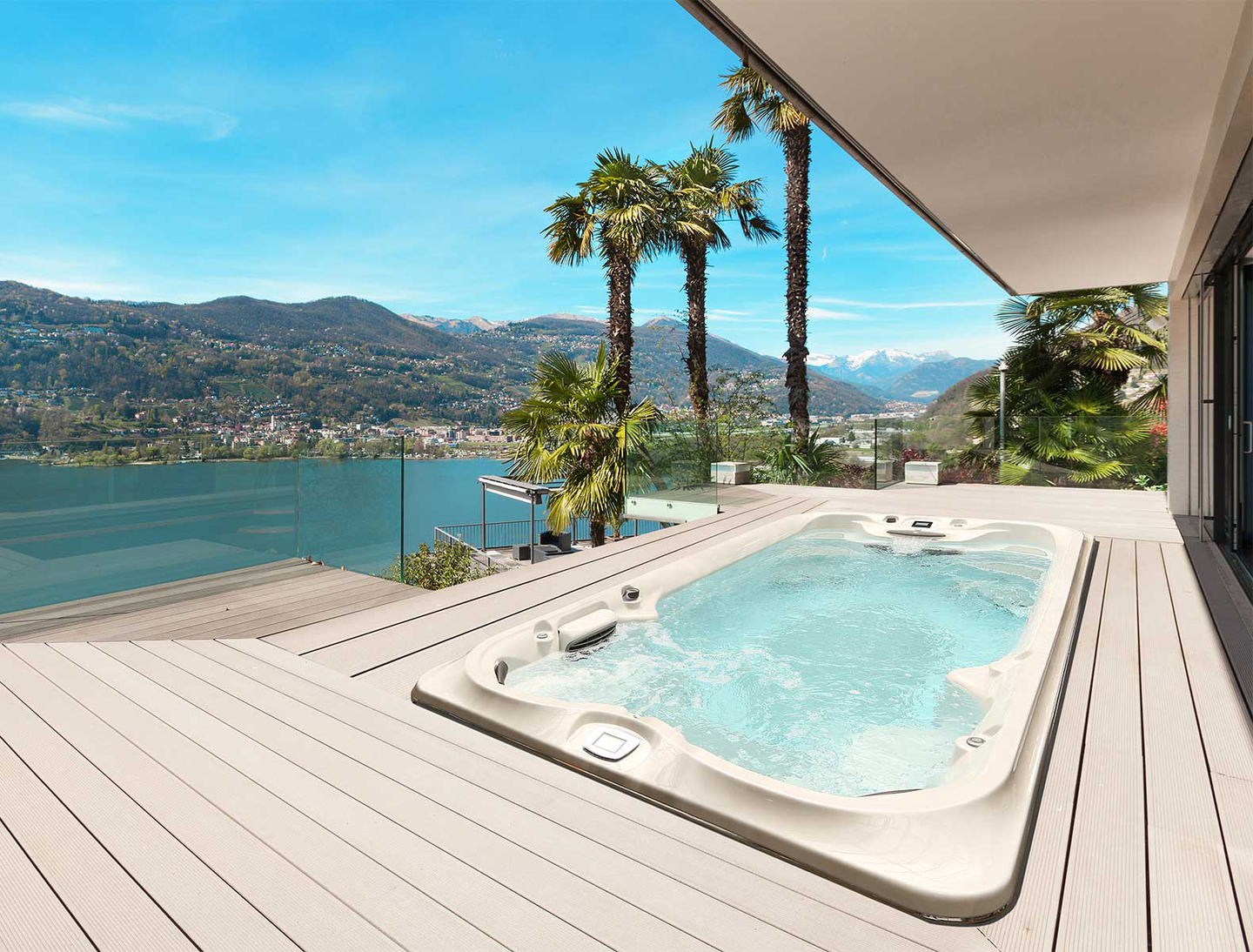
La toute dernière technologie de courant de nage puissant et les performances historiques des jets Jacuzziᴹᴰ PowerProᴹᶜ se combinent pour offrir une nage parfaite, tout au long de l'année.
Sauna
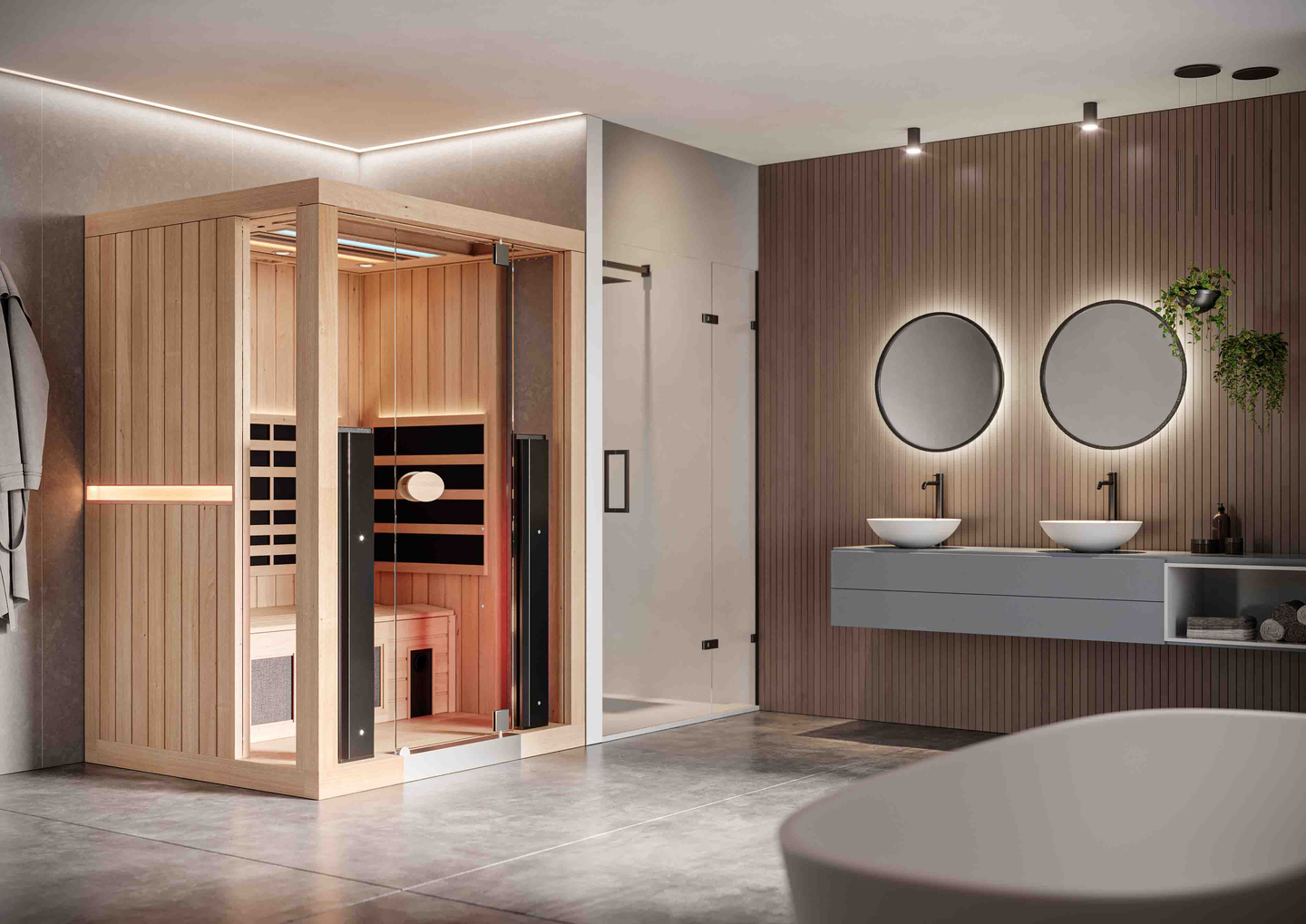
Jacuzzi® Infrared Saunas are engineered with full spectrum (near, mid and far) front-facing IR heaters, along with Red Light therapy. Enjoy a comprehensive sauna experience in a single sauna session.