
Aquatic Massage: Healing Benefits of Hydrotherapy
Key Takeaways
Aquatic massage combines massage techniques with warm water immersion (typically 92–104°F) to enhance relaxation, reduce pain, and improve mobility. Water’s buoyancy reduces joint stress, hydrostatic pressure supports circulation, and warmth relaxes muscles and the nervous system. Together, these effects make aquatic therapy effective for recovery, stress relief, and daily wellness. Jacuzzi® hot tubs, swim spas, and walk-in baths bring these benefits into the home with targeted hydrotherapy systems designed for comfort and performance.
What Is Aquatic Massage?
Aquatic massage refers to any therapeutic bodywork performed in or supported by water. This includes hot tub jet massage, swim spa hydrotherapy, therapeutic pools, and structured aquatic bodywork methods such as Watsu.
Unlike traditional massage on a table, aquatic massage uses water to partially support body weight, allowing muscles and joints to relax more fully. The combination of warmth, buoyancy, and gentle pressure creates a unique therapeutic environment that enhances both movement and recovery.
At home, most people experience aquatic massage through hydrotherapy jets in hot tubs or swim spas, where positioning and jet direction can simulate targeted massage effects.
How Aquatic Massage Works
Aquatic massage is effective due to three primary physical effects:
Buoyancy: Water reduces body weight by up to 80%, decreasing joint compression and allowing freer movement. This makes stretching easier and reduces strain on injured or stiff areas.
Hydrostatic Pressure: Water applies gentle, even pressure across the body, supporting circulation and helping reduce swelling in muscles and joints.
Warm Water Therapy: Heat increases blood flow, relaxes muscles, and helps calm the nervous system, reducing tension and pain sensitivity.
Together, these effects allow the body to move and recover in ways that are difficult to achieve on land.
Benefits of Aquatic Massage
Pain Relief
Aquatic massage helps reduce discomfort from conditions such as arthritis, back pain, and general muscle soreness. Warm water and buoyancy reduce pressure on sensitive joints, while jets help ease localized tension.
Muscle Relaxation
Heat combined with water pressure helps release tight muscles in the neck, shoulders, back, and legs. This is especially effective after long periods of sitting or physical activity.
Improved Mobility
Water supports safe movement and stretching, allowing improved range of motion without impact or fall risk. This is especially beneficial for rehabilitation and mobility maintenance.
Stress Reduction
Warm water immersion activates the parasympathetic nervous system, lowering stress levels, slowing heart rate, and promoting mental relaxation.
Recovery & Performance
Athletes often use aquatic massage to reduce soreness and support faster recovery by improving circulation and reducing muscle fatigue.
Better Sleep
Evening hydrotherapy sessions can help relax the body and prepare the nervous system for deeper, more restorative sleep.
Types of Aquatic Massage
Jet-Based Hydromassage
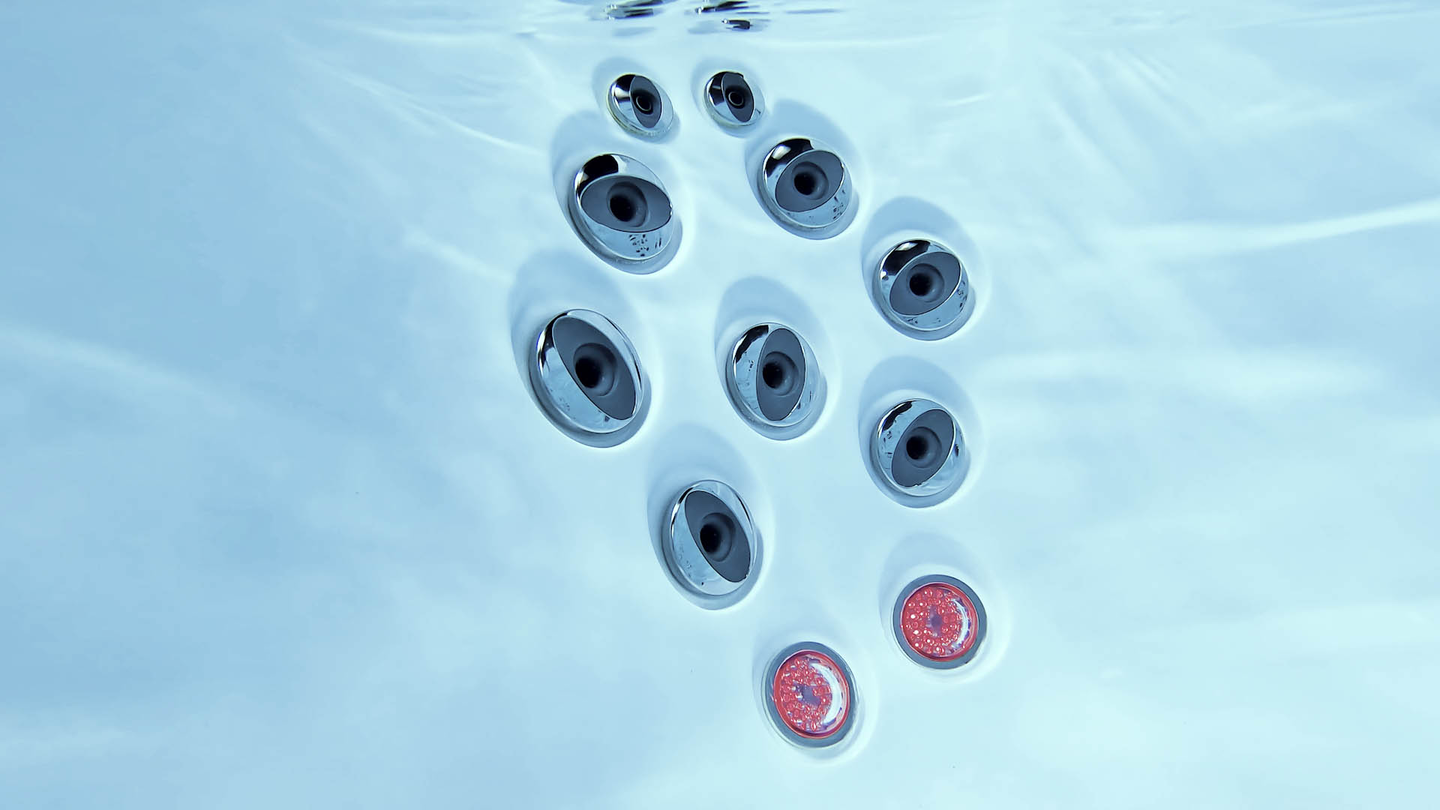
The most common form of aquatic massage at home. Hot tubs and swim spas use adjustable jets to target areas such as the back, legs, and feet. Users can control intensity and positioning for customized relief.
Guided Aquatic Bodywork
Therapist-led methods such as Watsu involve stretching and movement in warm water. These techniques provide deeper relaxation and are typically performed in therapy pools.
Contrast Hydrotherapy
Alternating between warm and cool water stimulates circulation and may support athletic recovery. This method should be used cautiously and avoided by individuals with certain cardiovascular conditions.
Targeted Hydrotherapy
Focused treatments allow users to isolate specific areas:
- Feet & calves for runners and active users
- Lower back for desk workers
- Neck & shoulders for stress and tension
- Hands & wrists for repetitive strain
Jacuzzi Hydrotherapy at Home
Jacuzzi® hot tubs, swim spas, and walk-in baths make aquatic massage accessible at home through engineered hydrotherapy systems.
Hot Tubs: Multi-seat designs with targeted jets allow full-body or focused relief depending on seating position.
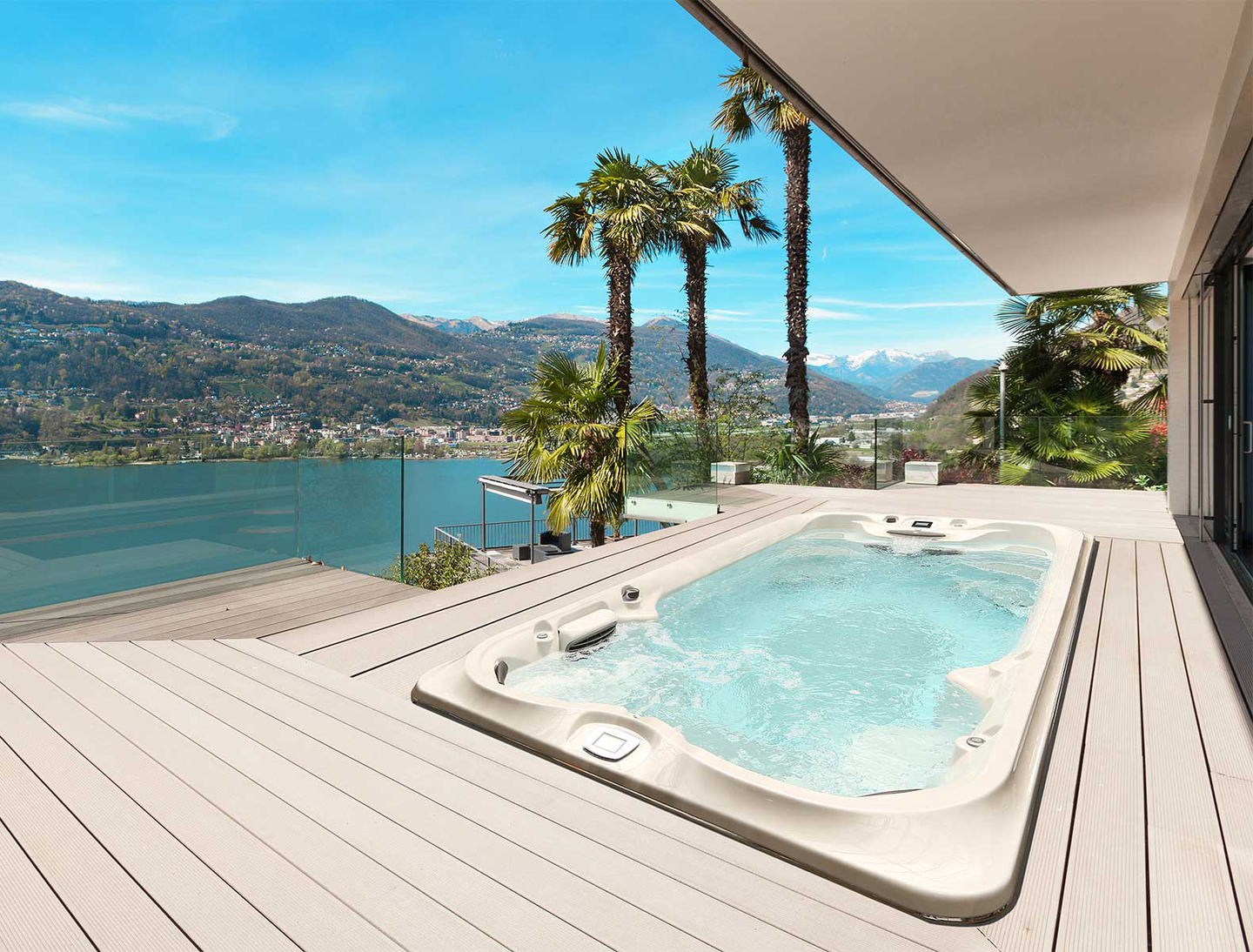
Swim Spas: Combine exercise and recovery, allowing users to swim, stretch, and recover in the same environment.
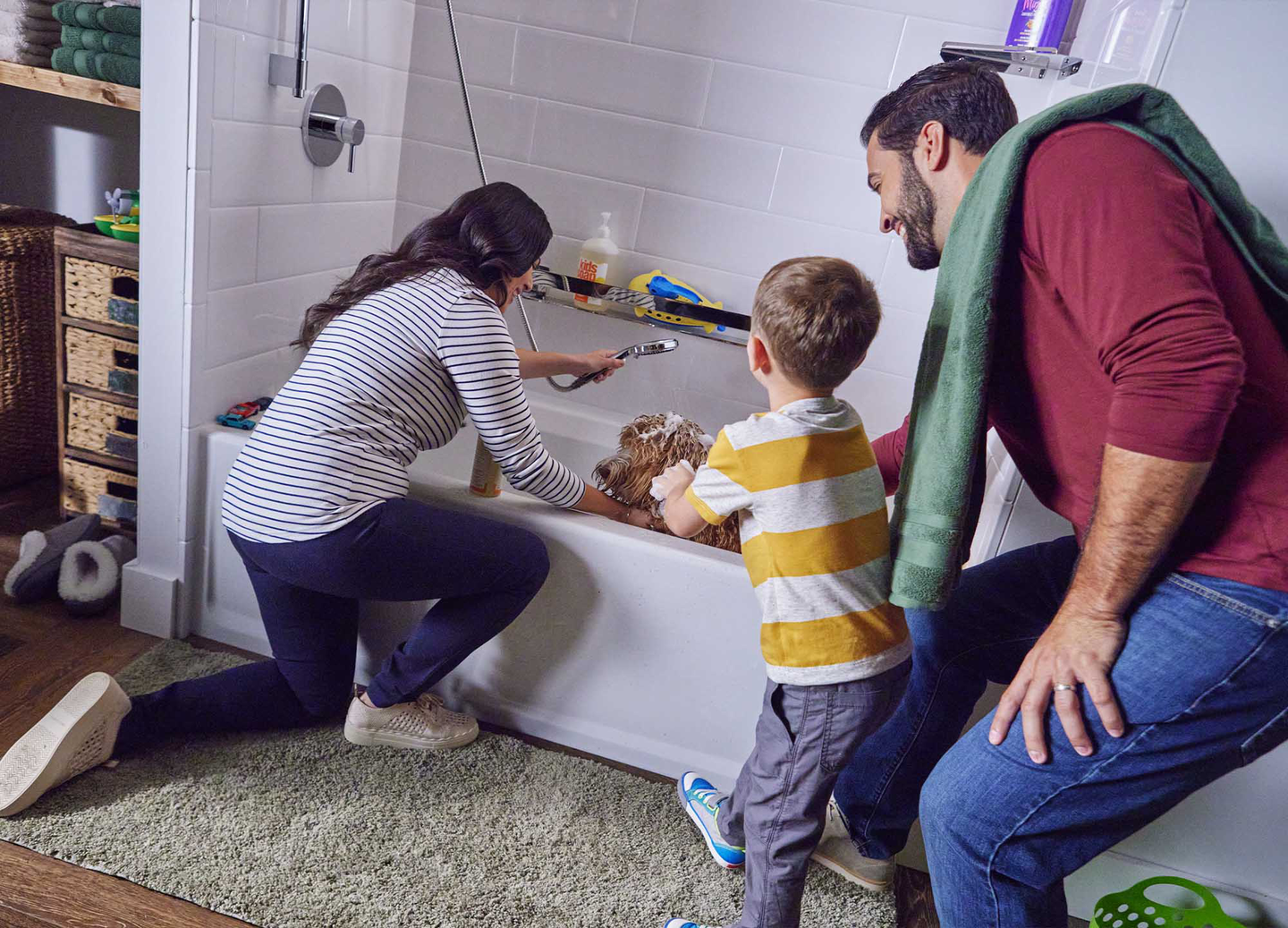
Walk-In Baths: Designed for accessibility, offering safe entry while still delivering therapeutic warm-water benefits.
Modern systems include adjustable jets, ergonomic seating, and precise temperature control to support personalized wellness routines.
Safe Use and Best Practices
Session Length
Most sessions last 15–30 minutes. Beginners should start with shorter durations and increase gradually based on comfort.
Water Temperature
- 100–104°F: short therapeutic sessions
- 98–100°F: longer relaxation sessions
- 100–102°F: recovery and pre-bed use
Avoid overheating and always listen to your body.
Hydration
Drink water before and after sessions to prevent dehydration, especially during longer soaks.
Health Considerations
Consult a healthcare provider before use if you are pregnant, have cardiovascular conditions, or are sensitive to heat.

Water Care and Maintenance
Clean, balanced water is essential for effective and safe aquatic massage.
Key maintenance factors include:
- pH: 7.2–7.8
- Sanitizer: maintain system-recommended levels
- Total alkalinity: 80–120 ppm
- Calcium hardness: 150–250 ppm
Regular testing (2–3 times weekly for pH and sanitizer) helps maintain comfort, protect equipment, and ensure a safe hydrotherapy environment.
Proper filtration and circulation also keep water clear and free of contaminants, supporting long-term performance.
Who Can Benefit
Aquatic massage is suitable for a wide range of users:
- Office workers with muscle tension
- Athletes and active individuals
- Older adults managing stiffness
- Individuals recovering from injury
- Anyone seeking stress relief and relaxation
Because water reduces impact and supports movement, it is accessible to most fitness and mobility levels.
Frequently Asked Questions
How is aquatic massage different from a hot tub soak?
A soak is passive, while aquatic massage uses jets, positioning, and movement to actively target muscles and tension points.
How often should I use aquatic massage?
Most people benefit from 2–5 sessions per week depending on goals such as recovery, relaxation, or pain relief.
Is aquatic massage safe for everyone?
Most people can safely enjoy it, but those with medical conditions, pregnancy, or heat sensitivity should consult a healthcare provider first.
Final Thoughts
Aquatic massage combines the therapeutic power of water, heat, and movement to support physical recovery and mental relaxation. Whether used for pain relief, stress reduction, or athletic recovery, it offers a versatile wellness solution that can be tailored to individual needs. With Jacuzzi® hydrotherapy systems, these benefits are easily accessible at home through customizable, user-friendly designs.
Learn More With Our Hot Tub Buying Series
Unlock the secrets to the perfect hot tub with our exclusive email series. Get expert advice and tips right in your inbox. Subscribe now and take the first step towards finding your ideal hot tub.
Hot Tub Buying Series
Explore Categories


Explore Products

Swim Spa
La toute dernière technologie de courant de nage puissant et les performances historiques des jets Jacuzziᴹᴰ PowerProᴹᶜ se combinent pour offrir une nage parfaite, tout au long de l'année.
Sauna
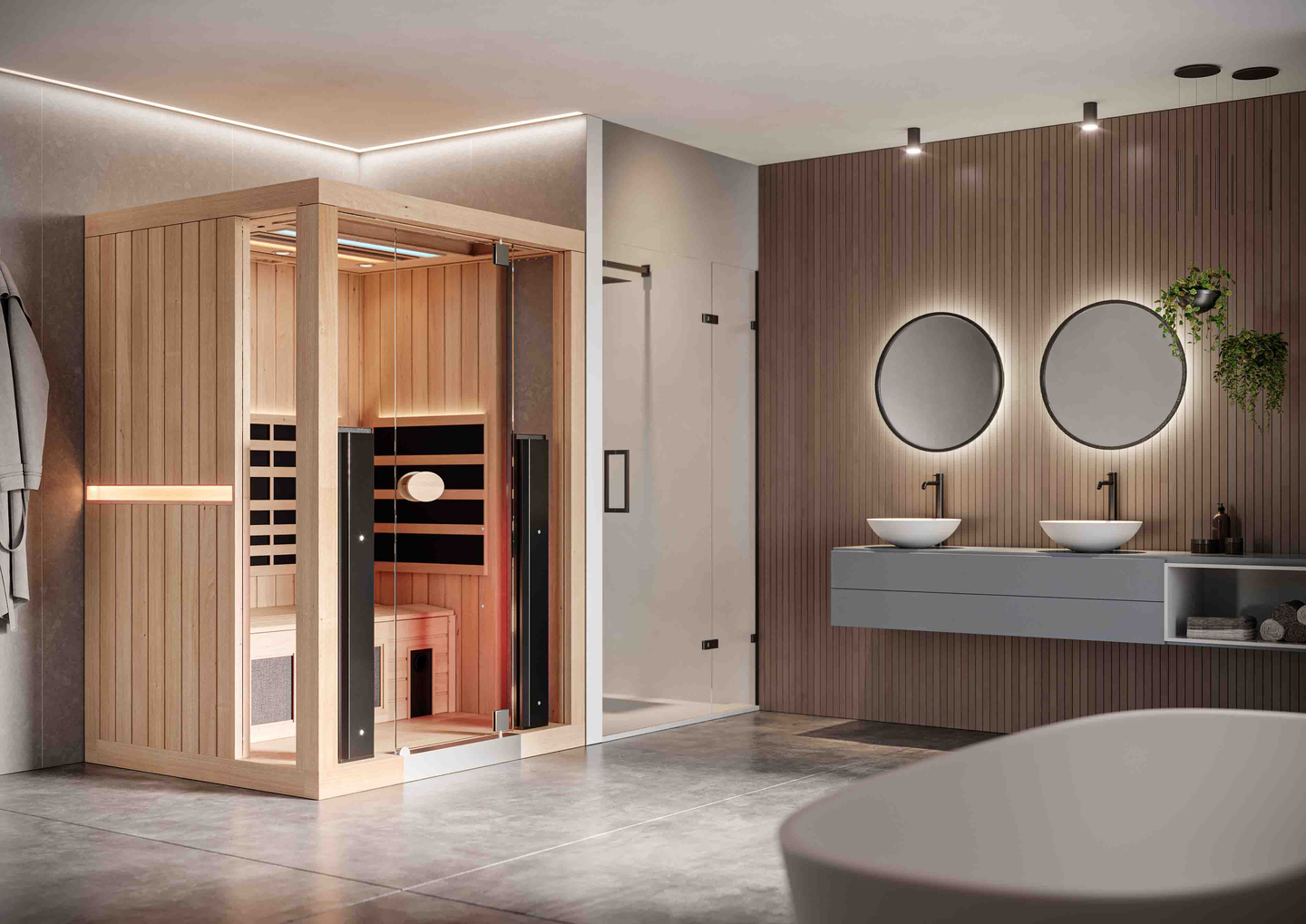
Jacuzzi® Infrared Saunas are engineered with full spectrum (near, mid and far) front-facing IR heaters, along with Red Light therapy. Enjoy a comprehensive sauna experience in a single sauna session.